Choosing the Right Long Concrete Nails for Your Project
When undertaking construction or demolition projects, the correct fasteners are crucial for structural integrity and safety. Long concrete nails are specifically designed for securing materials to concrete, brick, or masonry surfaces. Selecting the appropriate nail length, diameter, and material is paramount. At YJDWiremesh, we specialize in providing high-quality concrete nails tailored to various applications. This article will guide you through understanding the different types, uses, and selection criteria for long concrete nails, helping you ensure a secure and lasting result.

Understanding the Types of Long Concrete Nails
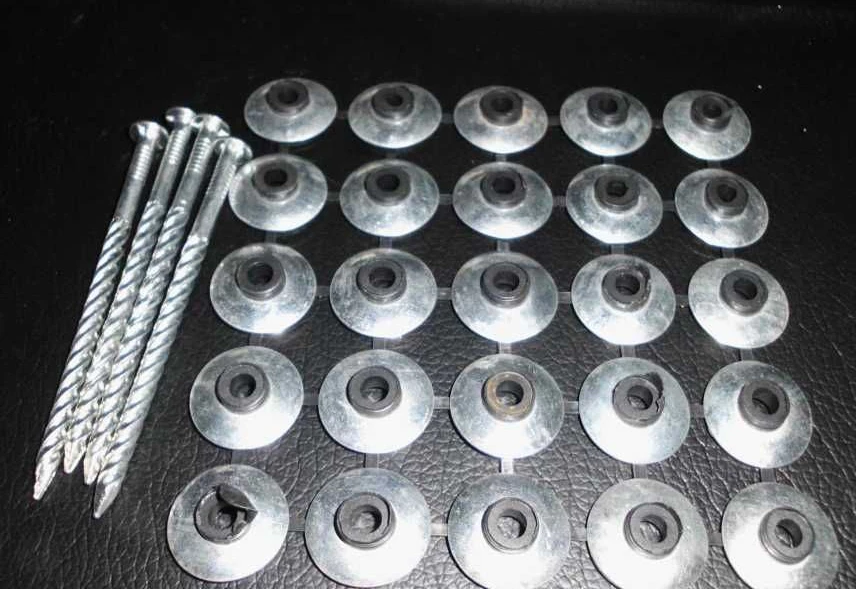
Long concrete nails aren't one-size-fits-all. Different types cater to specific applications and material combinations. Common types include hardened steel nails, carbon steel nails, and stainless steel nails. Hardened steel nails offer superior strength and durability, ideal for heavy-duty applications. Carbon steel nails are a more economical option for lighter projects, while stainless steel nails provide excellent corrosion resistance, making them suitable for outdoor or marine environments. Choosing the right type is key to prevent bending, breaking, or rusting.
Key Considerations: Material type, intended use, and environmental factors all play a role in selecting the most suitable concrete nail.
Applications of Long Concrete Nails
Long concrete nails are incredibly versatile. They’re commonly used for attaching wood framing to concrete foundations, securing furring strips for drywall installation, and fastening insulation boards to concrete walls. They’re also used in demolition to remove nailed boards and fixtures. The length of the nail is critical; it must penetrate deep enough into the concrete to provide a secure hold, but not so long that it protrudes excessively. Choosing the right size will ensure a safe and durable connection.
Common Applications:
• Framing wood to concrete foundations
• Securing furring strips
• Attaching insulation boards
• Demolition work
A Comparison: Long Concrete Nail Materials
Selecting the appropriate material for your long concrete nails is vital, depending on the environment and load-bearing requirements. Different materials offer unique advantages and disadvantages. Here’s a comparison to help you decide:
Selecting the Right Length of Long Concrete Nails
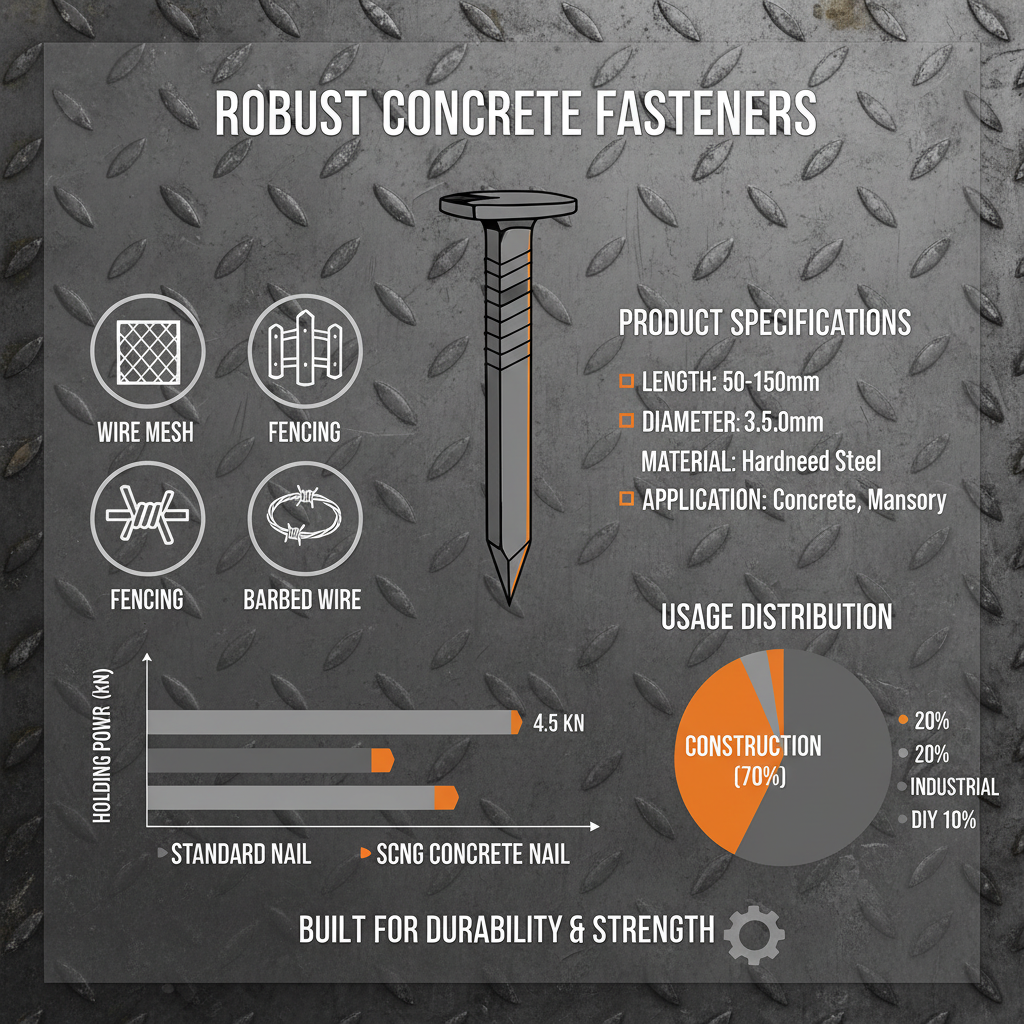
Determining the appropriate length of long concrete nails is crucial for secure fastening. A general rule of thumb is to ensure the nail penetrates at least 1.5 to 2 inches into the concrete for a reliable hold. Consider the thickness of the material being fastened and add the required penetration depth to determine the necessary nail length. Using nails that are too short will result in a weak connection, while nails that are too long may protrude and pose a safety hazard. YJDWiremesh offers a wide range of lengths to meet various project needs.
Where to Purchase High-Quality Long Concrete Nails
For reliable performance and long-lasting results, choose long concrete nails from a trusted supplier. YJDWiremesh is a leading provider of concrete nails, offering a comprehensive selection of sizes, materials, and finishes. We prioritize quality and durability to ensure your projects are built to last. Contact us today for a quote or to discuss your specific requirements.
Conclusion: Secure Your Projects with the Right Nails
Selecting the right long concrete nails is paramount for the safety and longevity of your construction projects. Understanding the different types, materials, and lengths allows you to make an informed decision. YJDWiremesh is committed to providing high-quality nails and expert advice to ensure your success. Invest in quality, invest in safety.
Frequently Asked Questions (FAQs)
What is the recommended nail spacing for concrete nails?
Nail spacing depends on the thickness of the material being fastened and the load requirements. As a general guideline, nails should be spaced no more than 6 inches apart along edges and 12 inches apart in the field. For heavier loads or thicker materials, closer spacing may be necessary. It’s always best to consult local building codes and engineering specifications to determine the appropriate nail spacing for your specific application. Proper spacing ensures even distribution of forces and prevents stress concentration.
Can I use a regular hammer to drive concrete nails?
While it's possible to drive concrete nails with a regular hammer, it’s not recommended. Concrete nails are significantly harder than traditional nails and require more force to drive. Using a standard hammer can damage the hammer itself or result in bent or broken nails. A specialized masonry nailer or a heavy-duty hammer with a hardened face designed for concrete nails is highly recommended. This ensures efficient driving and minimizes the risk of damage or injury.
What safety precautions should I take when using concrete nails?
Always wear safety glasses to protect your eyes from flying debris when driving concrete nails. Gloves are also recommended to protect your hands. Be mindful of your surroundings and ensure no one is within the swing radius of the hammer or nailer. If using a nailer, follow the manufacturer’s instructions carefully. In addition, avoid driving nails too close to the edge of the concrete to prevent chipping or cracking. Always prioritize safety and use appropriate personal protective equipment.
What is the difference between hardened and non-hardened concrete nails?
Hardened concrete nails are heat-treated to increase their strength and durability, making them more resistant to bending and breaking, especially when driving into dense concrete. Non-hardened (typically carbon steel) nails are less expensive but are more prone to bending and may not hold as securely in hard concrete. For demanding applications or when working with high-strength concrete, hardened nails are always the preferred choice. The investment in hardened nails pays off in the long run by ensuring a more reliable and lasting connection.