Choosing the Right Masonry Concrete Nails for Your Project
When undertaking construction or DIY projects involving masonry and concrete, selecting the appropriate fasteners is crucial for structural integrity and longevity. Masonry concrete nails are specifically designed to penetrate and securely hold in these hard materials, offering a robust alternative to traditional screws or bolts in certain applications. This article will explore the different types, applications, and key considerations when choosing masonry concrete nails, ensuring your projects are safe and reliable. Understanding the nuances of these fasteners can save time, money, and prevent costly failures.
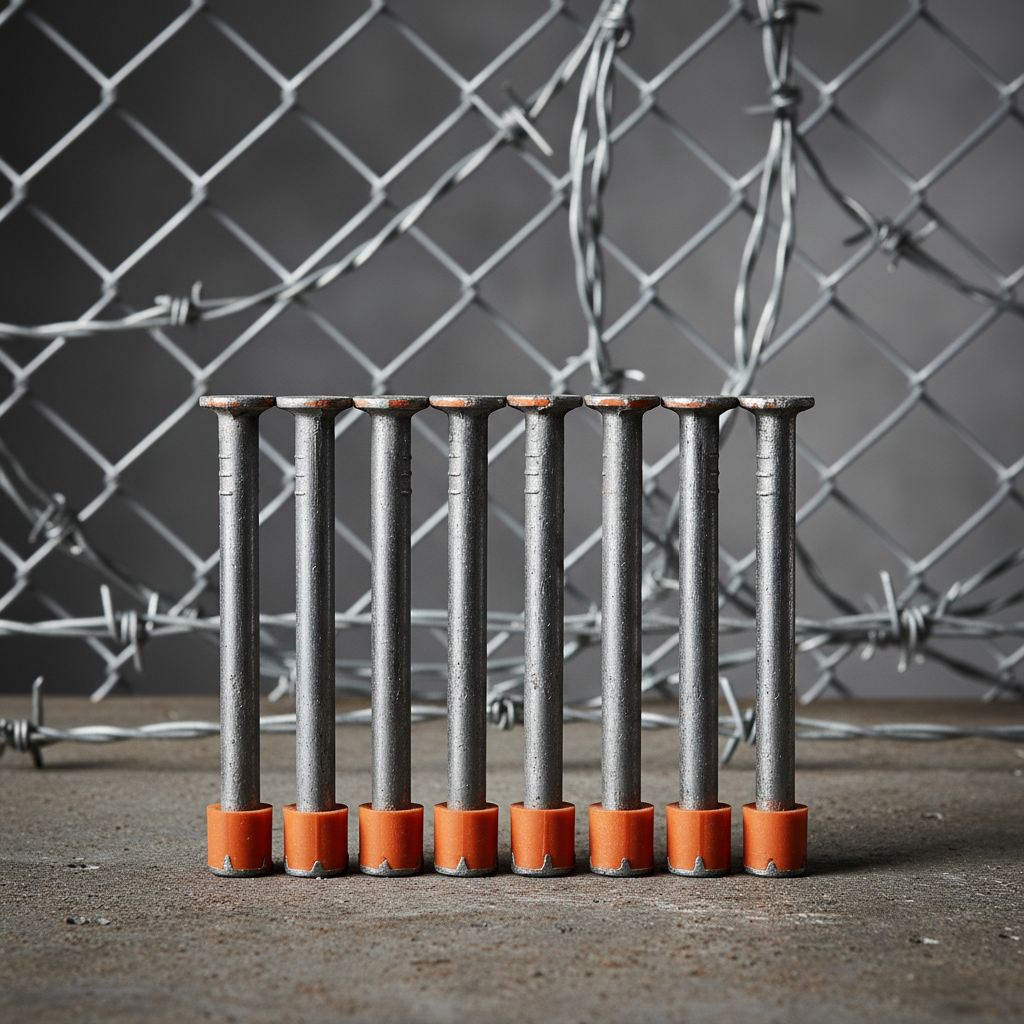
Types of Masonry Concrete Nails
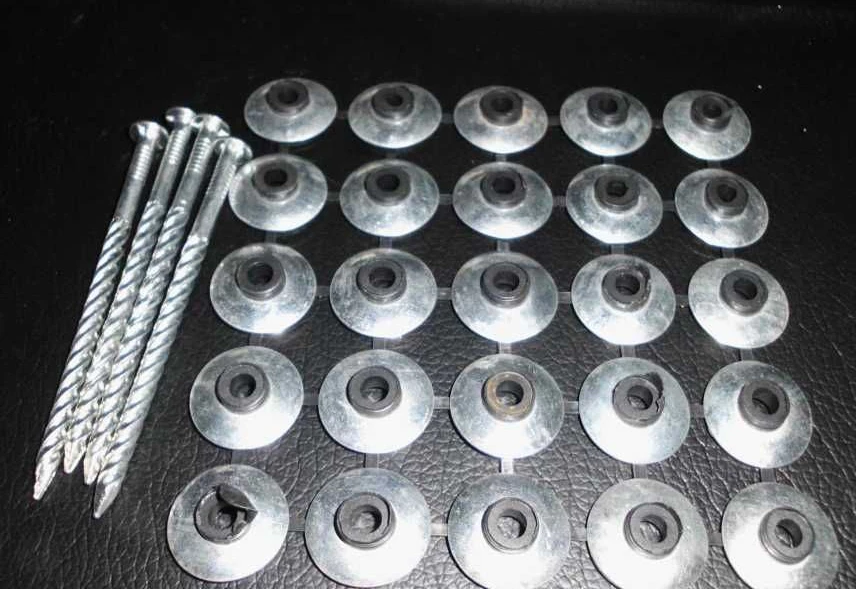
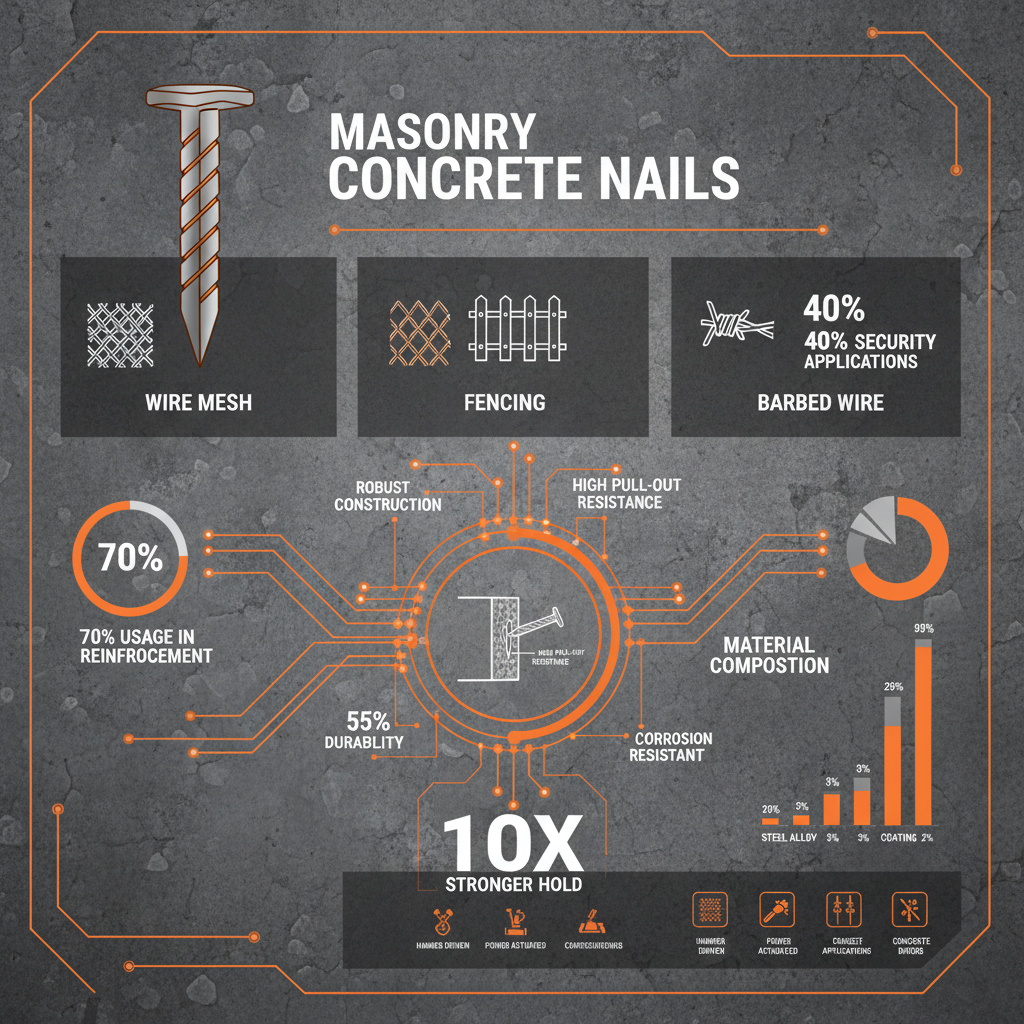
There are several types of masonry concrete nails available, each suited for different applications. Hardened steel nails are a common choice for general-purpose masonry work, offering good strength and penetration. Case-hardened nails provide even greater durability, resisting bending and breaking. Ring shank nails feature a ring-shaped pattern along the shank, increasing holding power by creating more friction. Finally, spiral shank nails offer exceptional pull-out resistance, making them ideal for applications where shear strength is paramount. Selecting the right type depends on the material being fastened and the load requirements. Choosing the appropriate nail will ensure the longevity and structural integrity of your work.
Key Highlights: Different types of nails offer varying levels of strength, durability and holding power. Choose the nail that best fits your specific project requirements to ensure a secure and lasting connection.
Applications for Masonry Concrete Nails
The versatility of masonry concrete nails makes them suitable for a wide range of applications. Common uses include attaching wood to concrete or brick foundations, installing furring strips for drywall, securing insulation boards, and fastening signs or fixtures to masonry walls. They are particularly useful in situations where pre-drilling is impractical or time-consuming. However, it's important to note that they are not a substitute for proper structural fasteners in load-bearing applications. Always consult building codes and structural engineers for critical connections. YJDWiremesh provides a variety of nails for diverse construction needs.
Common Applications:
• Attaching wood to concrete/brick
• Installing furring strips
• Securing insulation
• Fastening signs/fixtures
A Comparison: Masonry Concrete Nails vs. Other Fasteners
While screws, bolts, and adhesives can also be used with masonry, masonry concrete nails offer specific advantages in certain scenarios. Screws require pre-drilling and can strip easily in hard materials. Bolts are stronger but more time-consuming to install. Adhesives can be unreliable in wet or extreme temperature conditions. Nails, when properly installed, provide a quick, efficient, and secure fastening solution for many non-load-bearing applications. They are particularly effective in situations where vibration resistance is important. However, for heavy-duty applications, a combination of nails and other fasteners may be necessary.
Choosing the Right Size and Finish for Masonry Concrete Nails
Selecting the correct nail size is crucial for proper penetration and holding power. The nail length should be at least one and a half times the thickness of the material being fastened. For example, if you are attaching a 1-inch thick board to concrete, a 1.5-inch nail is a good starting point. Consider the material hardness – harder materials may require longer nails. Regarding finish, galvanized nails offer excellent corrosion resistance, making them suitable for outdoor applications or environments exposed to moisture. Non-galvanized nails are appropriate for interior, dry conditions. YJDWiremesh offers a variety of finishes to meet your project needs.
Safety Considerations When Using Masonry Concrete Nails
Always wear appropriate safety gear when working with masonry concrete nails, including safety glasses to protect your eyes from flying debris and gloves to protect your hands. Use a hammer designed for driving nails and ensure a firm, stable footing. Avoid striking the nail at an angle, as this can cause it to bend or deflect. If the nail bends, discard it and use a new one. Finally, be mindful of surrounding materials and avoid hitting electrical wiring or plumbing. Prioritizing safety will prevent accidents and ensure a successful project.
Conclusion: Securing Your Projects with the Right Nail
Choosing the right masonry concrete nails is essential for the safety and durability of your construction and DIY projects. By understanding the different types, applications, and safety considerations outlined in this article, you can confidently select the appropriate fastener for the job. YJDWiremesh provides high-quality nails to meet all your project needs.
Frequently Asked Questions (FAQs)
Can masonry concrete nails be used in all types of concrete?
While versatile, masonry concrete nails are best suited for softer concrete or mortar. Extremely hard, dense concrete may require pre-drilling or the use of concrete screws. The hardness of the concrete will influence the nail's penetration and holding power. For older concrete, which tends to be more porous, nails generally work well. However, for newer, high-strength concrete, it’s best to assess the material before using nails.
What is the best way to drive a masonry concrete nail?
Use a hammer with a hardened face specifically designed for driving nails. Position the nail perpendicular to the surface and apply firm, consistent pressure. Avoid glancing blows, as these can bend the nail. For particularly hard materials, you can start with a light tap to set the nail, then increase the force with each subsequent strike. If the nail resists penetration, consider using a nail set to countersink it slightly below the surface.
Are ring shank or spiral shank nails better for high-pullout resistance?
Spiral shank nails generally offer superior pull-out resistance compared to ring shank nails. The continuous spiral pattern provides a larger surface area for friction, making them more difficult to remove. Ring shank nails provide good holding power but are more susceptible to pull-out under extreme stress. For applications where strong shear strength is critical, spiral shank nails are the preferred choice.
How do I prevent masonry concrete nails from bending when driving them?
Ensure the nail is positioned perpendicularly to the surface before striking it. Use a hammer with a hardened face in good condition. Apply firm, consistent pressure, avoiding glancing blows. If the material is particularly hard, consider using a nail set to guide the nail and prevent it from bending. Selecting the correct nail size and type for the material also contributes to minimizing bending.