Iron wire for crafts represents a versatile and surprisingly impactful material in a multitude of applications, ranging from artistic endeavors to industrial solutions. Its inherent malleability, combined with its strength and relatively low cost, makes it a cornerstone for numerous creative and practical projects globally. Understanding the properties and potential of iron wire for crafts is crucial for artisans, designers, engineers, and anyone seeking a robust, adaptable medium for their work.
Globally, the demand for iron wire for crafts is consistently high, driven by a diverse spectrum of industries. From the intricate designs of jewelry making to the structural support in construction and the securing of agricultural crops, its applications are ubiquitous. The economic impact is significant, supporting livelihoods in crafting communities and enabling efficient processes in larger-scale industries. Reports from organizations like the World Steel Association highlight the continued importance of steel-based materials, including iron wire, in global manufacturing and infrastructure development.
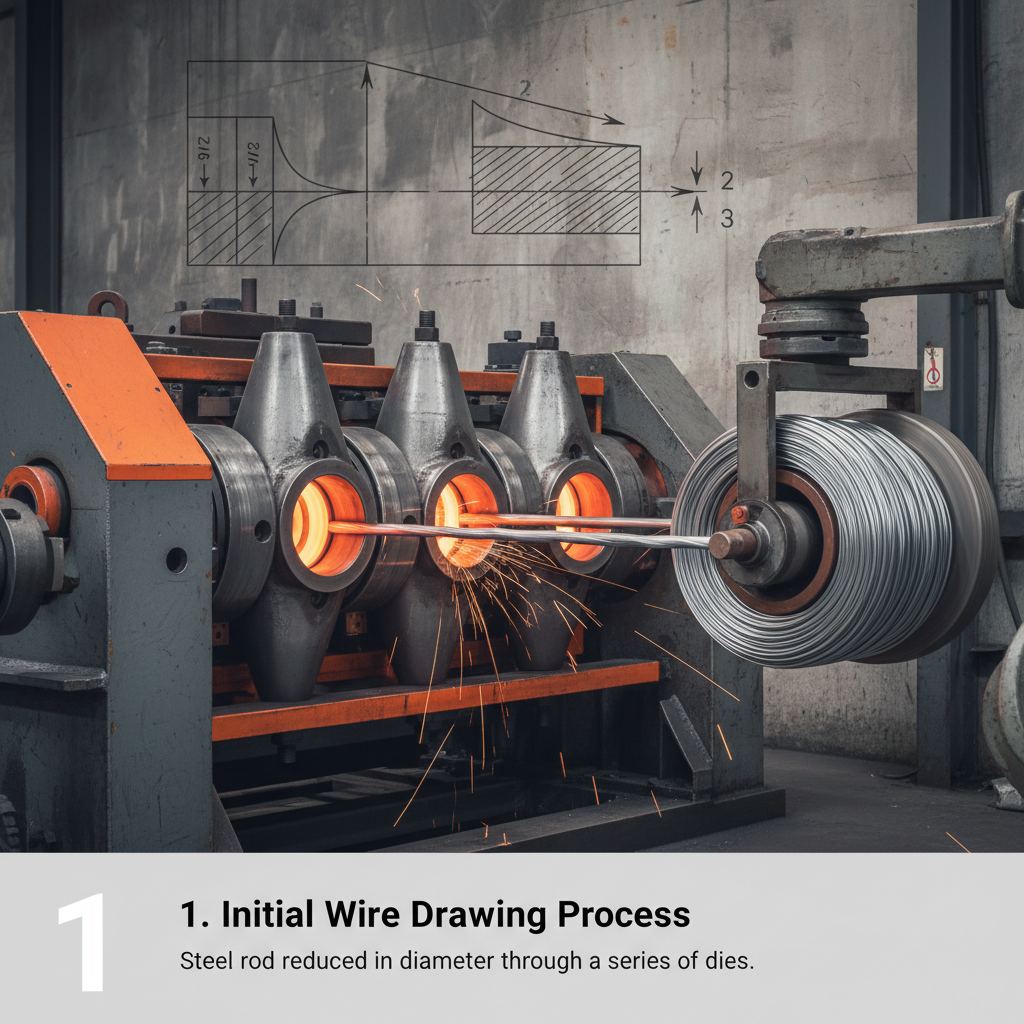
The increasing focus on sustainable practices also elevates the relevance of iron wire for crafts. With growing demand for handcrafted and locally sourced goods, artisans utilizing iron wire contribute to a circular economy, reducing reliance on mass-produced items. Furthermore, advancements in wire drawing techniques enhance the quality and versatility of the wire, opening up new possibilities for innovation and application.
Introduction to Iron Wire for Crafts
Iron wire for crafts encompasses a broad range of wire gauges, coatings, and finishes specifically tailored for creative applications. Unlike industrial-grade wire, craft wire prioritizes workability, aesthetics, and compatibility with various artistic techniques. It serves as a fundamental material in jewelry making, sculpture, floral arranging, and countless other artistic pursuits. iron wire for crafts are versatile and adaptable.
The evolution of iron wire for crafts has mirrored advancements in metallurgy and manufacturing processes. From traditionally hand-drawn wire to modern, precision-engineered varieties, the quality and consistency of the material have steadily improved. This progress enables artisans to achieve increasingly intricate and refined results, pushing the boundaries of creative expression.
Defining Iron Wire for Crafts
Iron wire for crafts, at its core, is ferrous wire—meaning it contains iron—that has been specifically processed for ease of manipulation and aesthetic appeal. It typically differs from industrial iron wire in its temper (degree of hardness) and surface finish. Craft wire is frequently drawn to specific gauges (thicknesses) to accommodate diverse applications. It is available in various forms, including annealed wire (soft and pliable), half-hard wire (moderate flexibility), and hard wire (rigid and best for holding shapes).
The connection to modern industry lies in the demand for specialized materials driven by consumer preferences. The rising popularity of DIY projects, handmade goods, and personalized items fuels the need for readily available and easily workable iron wire. The development of colored coatings and specialty alloys further broadens its application, mimicking more expensive metals like silver or gold.
Understanding the different types of iron wire is vital. Galvanized steel wire, while offering corrosion resistance, is less frequently used in finer craft applications due to its texture and color. Conversely, black iron wire, often annealed, is a common choice for sculptures and frameworks. The selection process directly impacts the final product’s durability and aesthetic quality.
Key Properties of Iron Wire
Durability is a key attribute of iron wire for crafts. While susceptible to rust if left unprotected, iron wire possesses significant tensile strength, allowing it to withstand bending, twisting, and forming without breaking. Proper coatings or treatments can significantly enhance its resistance to corrosion, extending its lifespan and maintaining its aesthetic appeal.
Malleability, or the ability to be shaped, is equally important. Iron wire, particularly annealed wire, can be easily bent, twisted, and formed into intricate designs. This characteristic makes it ideal for creating complex shapes and structures, as seen in wire sculptures and jewelry. Different gauges and tempers allow for a wide range of shaping possibilities.
Cost-effectiveness is a significant advantage. Compared to precious metals like gold or silver, iron wire is remarkably affordable, making it accessible to a wider range of artisans and hobbyists. This affordability encourages experimentation and allows for the creation of larger-scale projects without substantial financial investment. The lower price point also supports iron wire for crafts businesses and independent creators.
Applications Across Industries
Iron wire for crafts finds extensive application in the jewelry-making industry. It’s used for creating earring hooks, pendants, bracelets, and intricate wire-wrapped designs. Its strength and pliability allow for complex weaves and secure settings for beads and gemstones. The wire's ability to hold its shape is crucial for maintaining the structural integrity of the jewelry.
In the floral industry, iron wire provides structural support for arrangements, allowing florists to create stunning bouquets and displays. It’s used to secure stems, create armatures for floral sculptures, and add artistic elements to arrangements. The wire's inconspicuous nature allows the flowers to take center stage.
Craft Wire Application Ratings
Advantages and Long-Term Value
The primary advantage of using iron wire for crafts lies in its exceptional cost-to-performance ratio. It offers a strong, durable material at a fraction of the cost of precious metals, making it an ideal choice for both hobbyists and professional artisans. This affordability translates to greater accessibility and creative freedom.
From a sustainability perspective, iron is a highly recyclable material. Utilizing recycled iron wire contributes to a circular economy, reducing the environmental impact associated with raw material extraction and production. Choosing responsibly sourced iron wire further reinforces this positive impact.
Future Trends in Iron Wire Utilization
Advancements in coating technologies are expanding the possibilities for iron wire. New corrosion-resistant coatings offer enhanced durability and protection against the elements, making the wire suitable for outdoor applications. Similarly, the development of colored coatings that closely mimic the appearance of precious metals provides artisans with more aesthetic options.
The integration of digital fabrication techniques, such as 3D modeling and laser cutting, is also influencing the use of iron wire. These technologies allow for the creation of complex and precise designs that would be difficult or impossible to achieve manually.
Furthermore, a growing emphasis on sustainable materials and practices will likely drive demand for recycled iron wire and eco-friendly coatings, aligning with the broader trend towards responsible consumption.
Challenges and Innovative Solutions
A major challenge with iron wire is its susceptibility to rust. While coatings can mitigate this issue, maintaining long-term protection requires careful application and occasional reapplication. Innovative solutions include the development of self-healing coatings that automatically repair minor scratches and abrasions.
Another challenge is the potential for the wire to fatigue and break under repeated stress. Addressing this requires selecting the appropriate wire gauge and temper for the specific application, as well as employing proper forming techniques to minimize stress concentration. New alloy compositions are also being explored to improve the wire’s tensile strength and resistance to fatigue.
Finally, ensuring consistent quality across different suppliers can be difficult. Implementing rigorous quality control measures and sourcing from reputable manufacturers are crucial for maintaining the reliability and performance of the wire. iron wire for crafts consistently provides quality wire for a variety of projects.
Summary of Iron Wire Challenges and Solutions
| Challenge |
Impact on Crafting |
Proposed Solution |
Implementation Cost (1-10) |
| Corrosion/Rust |
Reduced durability, aesthetic degradation |
Self-healing coatings, galvanized wire, regular oiling |
6 |
| Fatigue/Breaking |
Structural failure, project instability |
Optimized wire gauge selection, alloy improvements |
7 |
| Inconsistent Quality |
Variable performance, project setbacks |
Supplier vetting, quality control checks |
4 |
| Limited Color Options |
Restricted aesthetic possibilities |
Advanced coating technologies, color anodizing |
5 |
| Workability for Intricate Designs |
Difficulty in achieving complex shapes |
Use of softer tempers, heat treatment techniques |
3 |
| Environmental Impact |
Resource depletion, pollution |
Recycled wire usage, sustainable production processes |
5 |
FAQS
For intricate jewelry, a thinner gauge wire, typically between 28 and 30 gauge, is recommended. This allows for detailed shaping and delicate wraps. However, the specific gauge will also depend on the beads or components you’re working with and the desired strength of the finished piece. Selecting the correct gauge ensures both aesthetic appeal and structural integrity, providing a beautiful and lasting piece.
Rust prevention is crucial for the longevity of iron wire sculptures. Applying a protective coating, such as varnish, lacquer, or wax, will create a barrier against moisture. Alternatively, you can use a sealant specifically designed for metal. Regularly inspecting and reapplying the coating as needed will further enhance rust resistance. Proper storage in a dry environment is also essential.
Soldering iron wire can be challenging, as it requires a flux specifically designed for iron and a relatively high soldering temperature. Success depends on the purity of the iron wire and the technique employed. It's often more effective to use wire wrapping or mechanical connections for joining pieces of iron wire, rather than relying solely on soldering.
Annealed wire is heated and cooled slowly, making it very soft and pliable – ideal for intricate designs that require significant bending. Half-hard wire has been worked to increase its strength while still retaining some flexibility. It’s a good all-purpose choice, offering a balance between workability and durability. The choice depends on the project's specific needs.
Finding sustainably sourced iron wire involves looking for suppliers who prioritize responsible manufacturing practices and utilize recycled materials. Researching suppliers and checking their certifications can provide insight into their commitment to sustainability. iron wire for crafts are committed to providing sustainable solutions.
Yes, you can paint iron wire, but proper preparation is key. Clean the wire thoroughly to remove any oil or residue, and then apply a metal primer to ensure good adhesion. Use acrylic or enamel paints designed for metal surfaces. Sealing the painted wire with a clear coat will further protect the finish and prevent chipping or fading.
Conclusion
Iron wire for crafts, though seemingly simple, is a remarkably versatile material that underpins a vast array of creative and practical applications. Its affordability, durability, and malleability make it an ideal choice for artisans, hobbyists, and professionals alike. From intricate jewelry designs to robust sculptural installations, the possibilities are truly limitless. Understanding its properties and embracing innovative techniques unlocks new avenues for artistic expression and functional design.
Looking ahead, the future of iron wire for crafts lies in sustainable practices, advanced coating technologies, and the integration of digital fabrication. By prioritizing recycled materials, exploring eco-friendly coatings, and leveraging the power of technology, we can further enhance the value and impact of this timeless material. Visit our website at www.yjdwiremesh.com to explore our wide selection of iron wire and embark on your next creative project!