Understanding Headless Concrete Nails: A Comprehensive Guide
When it comes to securing materials to concrete, choosing the right fastener is crucial. Headless concrete nails offer a unique and often superior solution compared to traditional fasteners. This article delves into the benefits, applications, installation, and considerations when using these specialized nails. We'll explore how they provide a clean, secure, and often invisible fix, making them ideal for various construction and renovation projects. Choosing the right fastener can significantly impact the durability and aesthetics of your work. YJDWiremesh specializes in providing high-quality headless concrete nails.
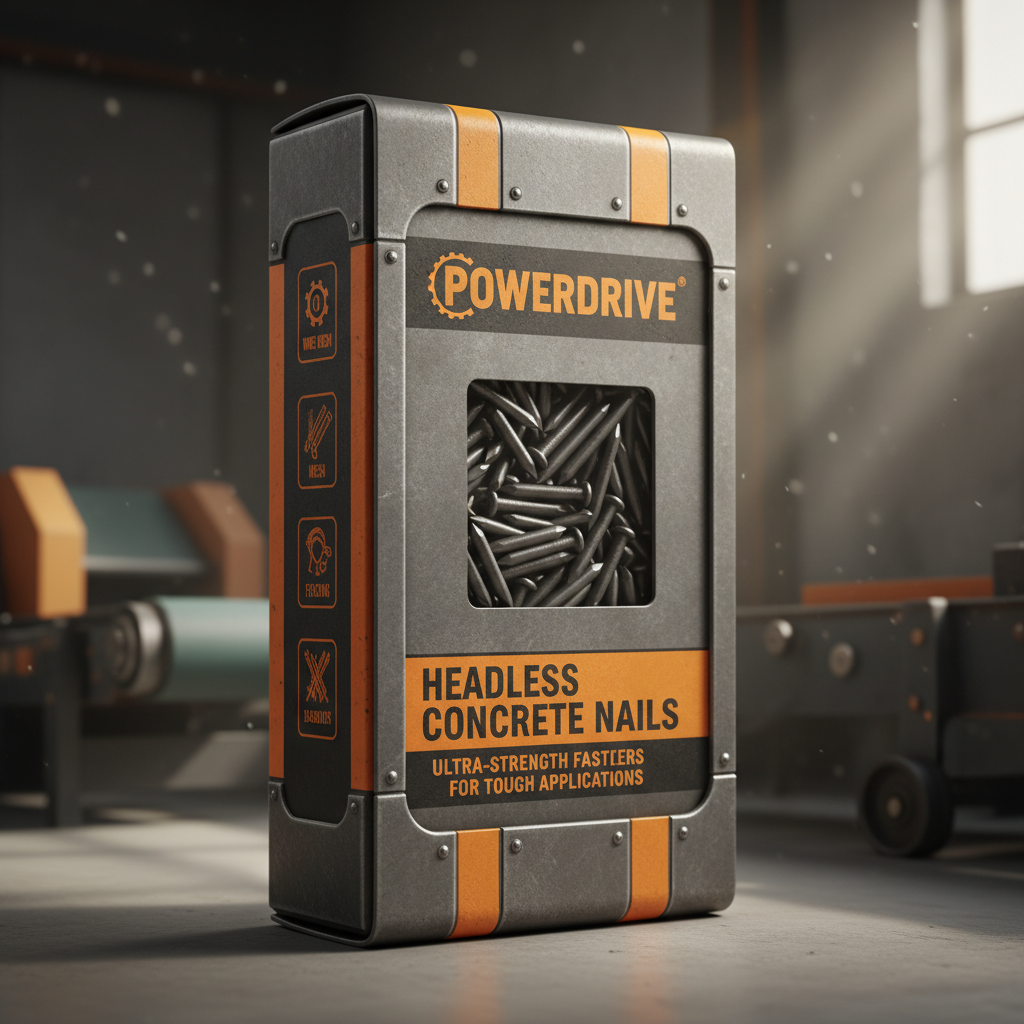
What are Headless Concrete Nails?
Headless concrete nails, also known as pin nails for concrete, are specialized fasteners designed to be driven directly into concrete without leaving a visible head. They are typically made from hardened steel and are engineered to provide a strong and permanent bond. Unlike traditional nails or screws, these nails are designed to be set flush with the surface, creating a clean and aesthetically pleasing finish. They are driven using specialized tools, often pneumatic nail guns designed for concrete applications. This ensures precise placement and consistent results. They are ideal for projects where a discreet fastening solution is required.
Key Highlights: Designed for a flush, invisible finish. Made from hardened steel for superior strength. Driven with specialized pneumatic tools for precision.
Applications of Headless Concrete Nails
The versatility of headless concrete nails makes them suitable for a wide array of applications. Common uses include securing insulation boards, attaching drywall or gypsum board to concrete walls, installing cladding panels, and fixing decorative elements. They are particularly useful in renovation projects where minimal surface disruption is desired. They are also frequently used in creating a smooth, uninterrupted surface for painting or wallpapering. The discreet nature of these nails also makes them ideal for high-end finishes where aesthetics are paramount. From commercial construction to residential renovations, these nails offer a reliable fastening solution.
Application Benefits:
• Securing insulation and drywall
• Attaching cladding and decorative elements
• Ideal for renovation projects with minimal disruption
• Creates a smooth surface for finishing
Headless Concrete Nails vs. Traditional Fasteners
Compared to traditional screws or nails, headless concrete nails offer several distinct advantages. Screws often require pre-drilling, which can be time-consuming, and their heads are visible. Traditional nails may not provide the same level of holding power in concrete. Headless nails, when installed correctly, create a more permanent and secure connection. The flush finish eliminates the need for filling or concealing the fastener head, saving time and labor. Furthermore, the specialized tools used for installation ensure consistent depth and prevent damage to the surrounding concrete. Choosing the right fastener depends on the specific application and desired aesthetic outcome. YJDWiremesh offers expert advice on selecting the appropriate nails for your project.
Selecting the Right Headless Concrete Nail
Choosing the correct headless concrete nail depends on several factors, including the type of concrete, the thickness of the material being fastened, and the required holding strength. Different nail lengths and diameters are available to suit various applications. It’s crucial to select a nail that penetrates deeply enough into the concrete to provide a secure hold, but not so deep that it compromises the integrity of the concrete. Consider the environmental conditions as well; corrosion-resistant coatings may be necessary for outdoor applications. YJDWiremesh provides a range of options to meet diverse project requirements.
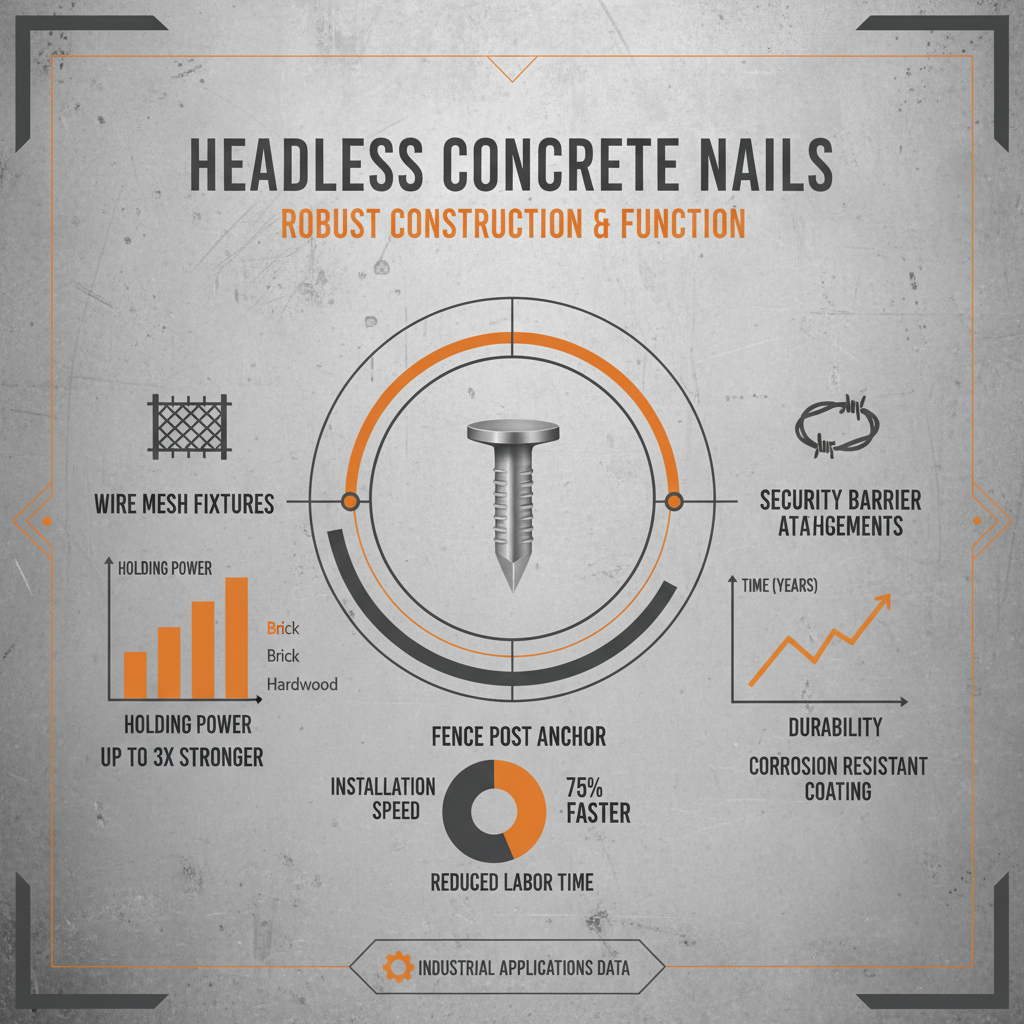
Installation Tips and Safety Precautions
Proper installation is critical for ensuring the performance of headless concrete nails. Always use a pneumatic nail gun specifically designed for concrete applications. Ensure the concrete is clean and free of debris before driving the nails. Maintain a consistent angle and pressure to achieve uniform penetration. Wear appropriate safety gear, including eye protection and hearing protection. Follow the manufacturer's instructions for the nail gun and the nails themselves. Incorrect installation can result in improper fastening or damage to the concrete. If you are unsure about the installation process, consult a professional.
Conclusion: The Reliable Choice for Concrete Fastening
Headless concrete nails provide a durable, discreet, and efficient fastening solution for a variety of concrete applications. By understanding their benefits, applications, and proper installation techniques, you can ensure a successful and long-lasting result. YJDWiremesh is your trusted partner for high-quality headless concrete nails and expert support.
Frequently Asked Questions (FAQs)
What type of concrete are headless nails best suited for?
Headless concrete nails are effective in a variety of concrete types, including standard concrete, precast concrete, and lightweight concrete. However, the density and strength of the concrete will influence the required nail length and diameter. For high-strength concrete, a longer and thicker nail may be necessary to achieve a secure hold. It’s always recommended to test the nails in a small, inconspicuous area before proceeding with a large-scale installation. Understanding the compressive strength of the concrete is critical for optimal performance.
What tools are needed to install headless concrete nails?
The primary tool required is a pneumatic nail gun specifically designed for concrete applications. These nail guns deliver the necessary impact force to drive the nails into the concrete. Additionally, you’ll need an air compressor to power the nail gun. Safety gear, including eye protection, hearing protection, and gloves, is essential. A concrete chisel and hammer may be helpful for removing any minor concrete protrusions after installation.
Are headless concrete nails suitable for exterior applications?
Yes, headless concrete nails can be used in exterior applications, but it’s crucial to select nails with a corrosion-resistant coating, such as galvanized or stainless steel. This will protect the nails from rust and ensure long-term durability in harsh weather conditions. Proper surface preparation is also important to prevent moisture from coming into contact with the concrete and the nails. Selecting the correct coating is key for longevity.
How deep should headless concrete nails be driven?
The ideal depth of penetration depends on the material being fastened and the type of concrete. Generally, the nail should penetrate at least 1 inch (25mm) into the concrete for a secure hold. However, it’s important to avoid driving the nail too deep, as this can weaken the concrete. Refer to the manufacturer's recommendations for specific nail types and applications. Always ensure the nail is driven flush with the surface without damaging the surrounding concrete.