Understanding Long Masonry Nails: A Comprehensive Guide
When tackling masonry projects, choosing the right fastener is crucial for structural integrity and longevity. Long masonry nails are a popular and reliable solution, offering excellent holding power in brick, block, and stone. This article provides a detailed exploration of these nails, covering their applications, types, installation, and advantages. Selecting the correct nail type and size will ensure your masonry work is secure and durable. We’ll guide you through everything you need to know to make the best choice for your project.
What are Long Masonry Nails?
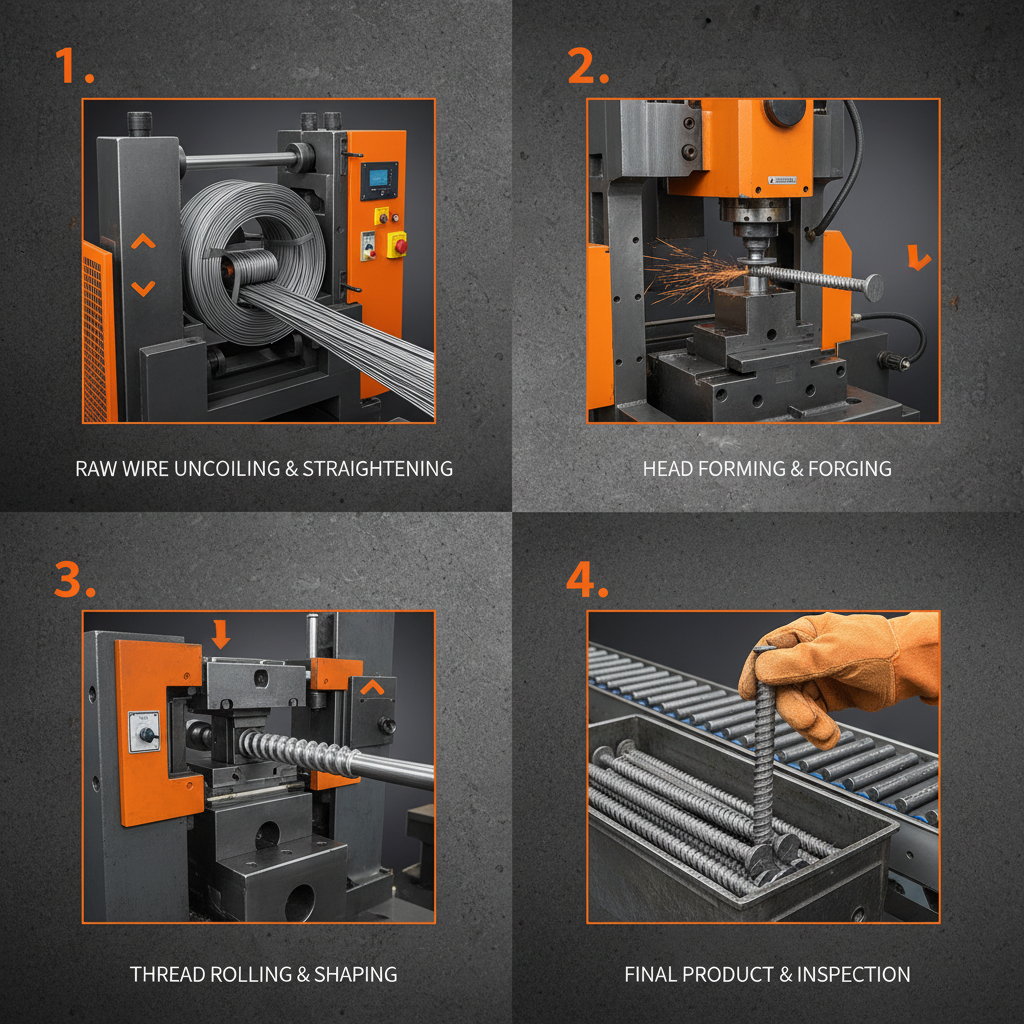
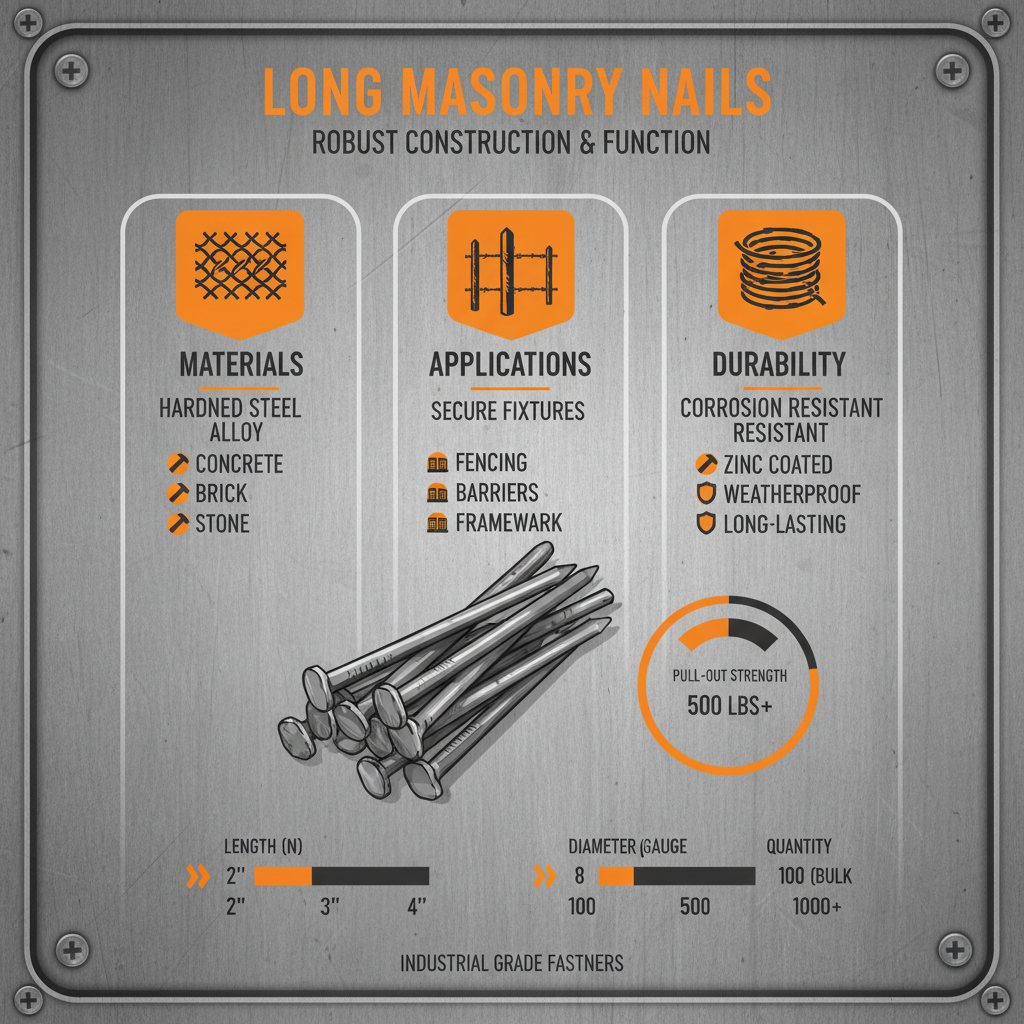
Long masonry nails are specifically designed to penetrate and hold firmly in masonry materials. Unlike standard nails, they are hardened to resist bending and breaking when driven into hard surfaces. They typically feature a rough or ring-shanked surface to enhance grip and pull-out resistance. The 'long' designation refers to their extended length, allowing them to reach deeper into the masonry substrate for a stronger hold. These nails are commonly used in applications such as attaching furring strips, wood framing, and trim to masonry walls. Understanding their unique properties is key to successful masonry construction. You can find a wide selection of masonry nails suitable for various projects on our website.
Key Highlights: Hardened for durability, rough or ring-shanked for enhanced grip, extended length for deeper penetration, ideal for attaching wood to masonry.
Types of Long Masonry Nails
There are several types of long masonry nails available, each suited for different applications and materials. Common types include:
- Smooth Shank Nails: Offer good penetration but less holding power than other types.
- Ring Shank Nails: Feature a series of rings along the shank, providing significantly improved pull-out resistance.
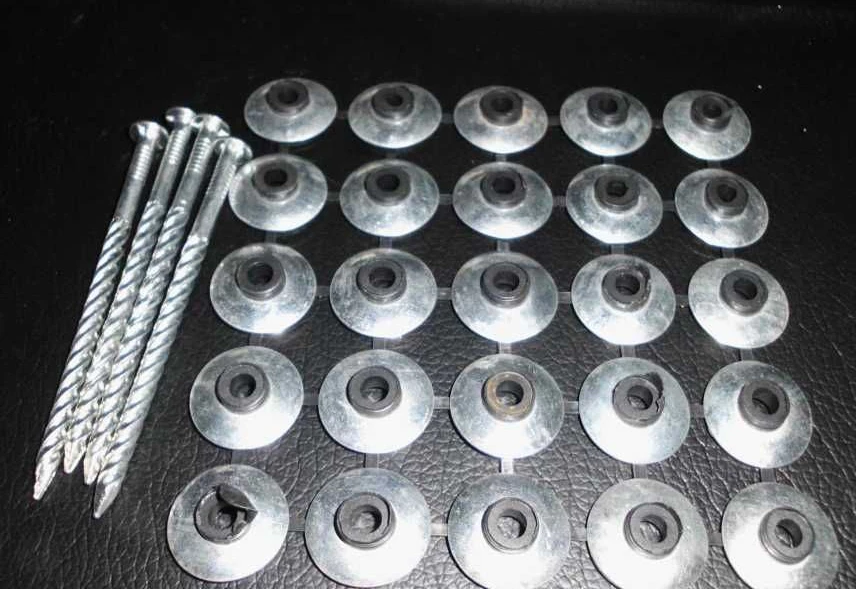
- Screw Shank Nails: Have a twisted shank resembling a screw thread, offering the highest level of holding power.
- Cupped Head Nails: Provide a larger bearing surface and are ideal for applications where a flush finish is not required.
The choice of nail type depends on the load-bearing requirements of the project and the type of masonry material being used. For heavy-duty applications, ring shank or screw shank nails are generally recommended.
Nail Type Comparison:
• Smooth Shank: Good penetration, lower holding power.
• Ring Shank: Improved pull-out resistance.
• Screw Shank: Highest holding power.
• Cupped Head: Larger bearing surface, non-flush finish.
Selecting the Right Length for Long Masonry Nails
Choosing the correct length of long masonry nails is vital for a secure connection. Generally, the nail should penetrate at least 1.5 to 2 inches into the masonry material. The length will also depend on the thickness of the material being fastened. Here's a general guide:
Proper Installation Techniques
Correct installation is critical for maximizing the holding power of long masonry nails. Here are some best practices:
- Pre-Drilling: For dense masonry, pre-drilling a pilot hole slightly smaller than the nail diameter can prevent cracking and ease installation.
- Nail Angle: Drive the nail straight into the masonry. Angling the nail reduces holding power.
- Avoid Overdriving: Overdriving the nail can damage the masonry and reduce its grip. Stop when the nail head is flush with the surface.
- Hammering Technique: Use a solid, controlled hammering motion.
Using the correct tools and techniques will ensure a secure and lasting connection. Always wear appropriate safety gear, including eye protection.
Advantages of Using Long Masonry Nails
Long masonry nails offer several advantages over other fastening methods:
- Cost-Effective: Generally less expensive than screws or adhesives.
- Fast Installation: Can be installed quickly and easily with a hammer.
- Strong Holding Power: Provide a reliable and secure connection in masonry materials.
- Versatile: Suitable for a wide range of applications.
These factors make long masonry nails a practical and efficient choice for many masonry projects.
Conclusion: The Reliable Choice for Masonry Fastening
Long masonry nails remain a dependable and cost-effective solution for securing wood to masonry surfaces. By understanding the different types, selecting the appropriate length, and following proper installation techniques, you can ensure a strong and lasting bond. Browse our extensive selection of masonry nails today and find the perfect fasteners for your next project.
Frequently Asked Questions (FAQs)
Can long masonry nails be used in all types of masonry?
While versatile, long masonry nails perform best in brick, concrete block, and softer stone. Harder stones like granite or marble may require pre-drilling and specialized nails or fasteners. It’s important to assess the density and composition of the masonry material to determine the appropriate nail type and installation technique. Always test a small area first to ensure adequate holding power. If you’re unsure, consult with a professional or refer to the material manufacturer’s recommendations.
What is the difference between ring shank and screw shank masonry nails?
Both ring shank and screw shank nails offer increased holding power compared to smooth shank nails, but they differ in their design and pull-out resistance. Ring shank nails feature rings along the shank that bite into the masonry, providing excellent resistance. Screw shank nails, with their twisted shank, offer even higher holding power as they act like a screw, gripping the masonry tightly. Screw shank nails are typically preferred for heavier-duty applications where maximum pull-out resistance is crucial.
Are long masonry nails suitable for exterior applications?
Yes, long masonry nails can be used for exterior applications, but it's crucial to select nails with a coating that resists corrosion, such as galvanized or stainless steel. Exposure to moisture and weather can cause uncoated nails to rust and lose their holding power. Galvanized nails offer good corrosion resistance for most outdoor applications, while stainless steel nails are recommended for harsh environments or areas near saltwater. Always check the nail’s specifications to ensure it’s suitable for exterior use.