Choosing the Right Framing Nails for Concrete: A Comprehensive Guide
When tackling concrete projects, selecting the appropriate framing nails for concrete is crucial for structural integrity and project success. Different concrete types and applications demand specific nail characteristics – from shank type to head style and coating. This article will explore the various options available, providing guidance on how to choose the best nails for your next project. We'll cover material considerations, installation techniques, and safety best practices to ensure a durable and secure outcome.
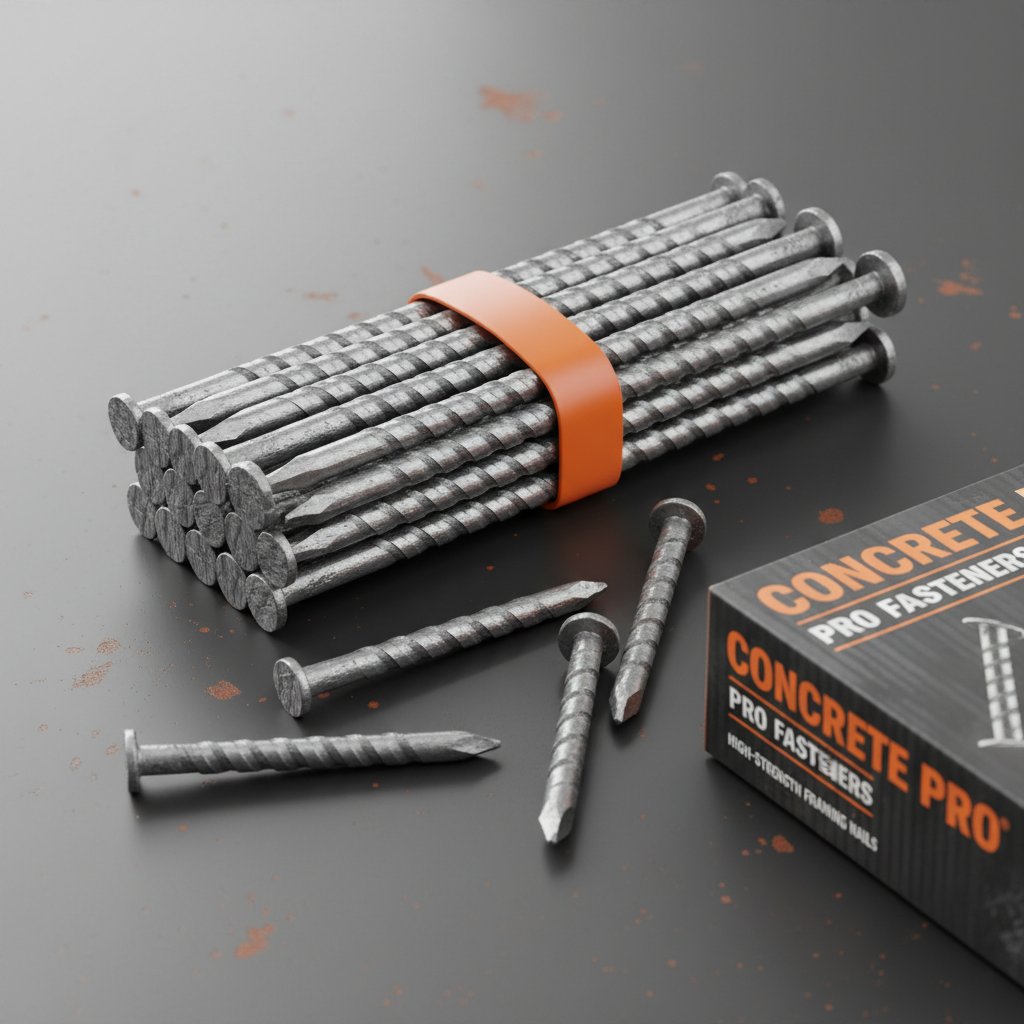
Understanding Concrete Nail Types
Concrete nails aren't one-size-fits-all. They are specifically engineered to penetrate and hold in concrete without splitting the material. Key categories include hardened steel nails, masonry nails, and specialized coated nails. Hardened steel nails offer superior strength for heavy-duty applications, while masonry nails are designed for softer concrete mixes. Coated nails (often with epoxy or galvanized finishes) provide enhanced corrosion resistance, making them ideal for exterior or damp environments. Selecting the correct type directly impacts the strength and longevity of your structure. Consider the load-bearing requirements and environmental conditions when making your decision.
Key Takeaway: The type of concrete nail directly affects the strength and durability of your construction project. Always prioritize quality and select a nail specifically designed for concrete applications.
Shank Types: Smooth vs. Ring Shank Framing Nails
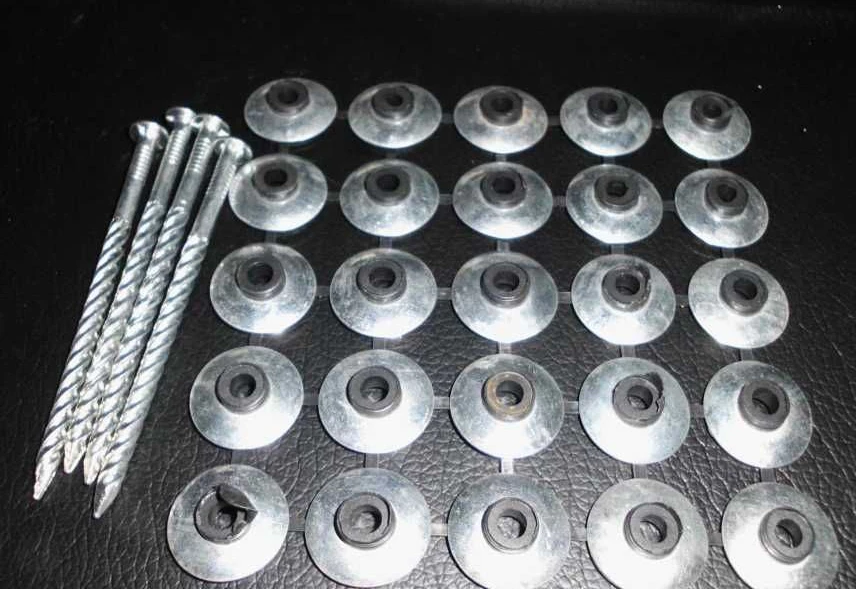
The shank – the body of the nail – plays a critical role in holding power. Smooth shank nails are easier to drive but offer less resistance to pull-out. Ring shank nails, featuring rings along the shank, provide significantly increased holding power by creating a mechanical interlock within the concrete. For projects requiring maximum stability and resistance to vibration, ring shank nails are the preferred choice. However, driving ring shank nails requires more force and may necessitate using a pneumatic nailer. Smooth shank nails are often suitable for lighter-duty applications where pull-out resistance isn't a primary concern.
Shank Type Comparison:
• Smooth Shank: Easier to drive, lower pull-out resistance.
• Ring Shank: Higher pull-out resistance, requires more driving force.
Head Styles and Their Applications
The nail head also influences performance. Flat head nails are versatile and suitable for a wide range of applications, providing a flush finish. Round head nails offer a more decorative appearance and are often used in applications where a slightly raised head is acceptable. Cup head nails are designed to countersink slightly into the concrete, creating a secure and flush connection. The best head style depends on the desired aesthetic and the structural requirements of the project. For instance, if you're framing, a flat head nail is likely best, while a cup head might be appropriate for trim work.
Corrosion Resistance: Coatings for Longevity
For exterior projects or applications exposed to moisture, corrosion resistance is paramount. Galvanized nails offer good protection against rust, while epoxy-coated nails provide superior, long-lasting corrosion resistance. Stainless steel nails are the most corrosion-resistant option, but also the most expensive. Consider the environment when choosing a coating. If the concrete is near saltwater, stainless steel is highly recommended. For typical outdoor applications, epoxy-coated nails offer an excellent balance of performance and cost. YJDWiremesh offers a range of coatings to meet diverse project requirements.
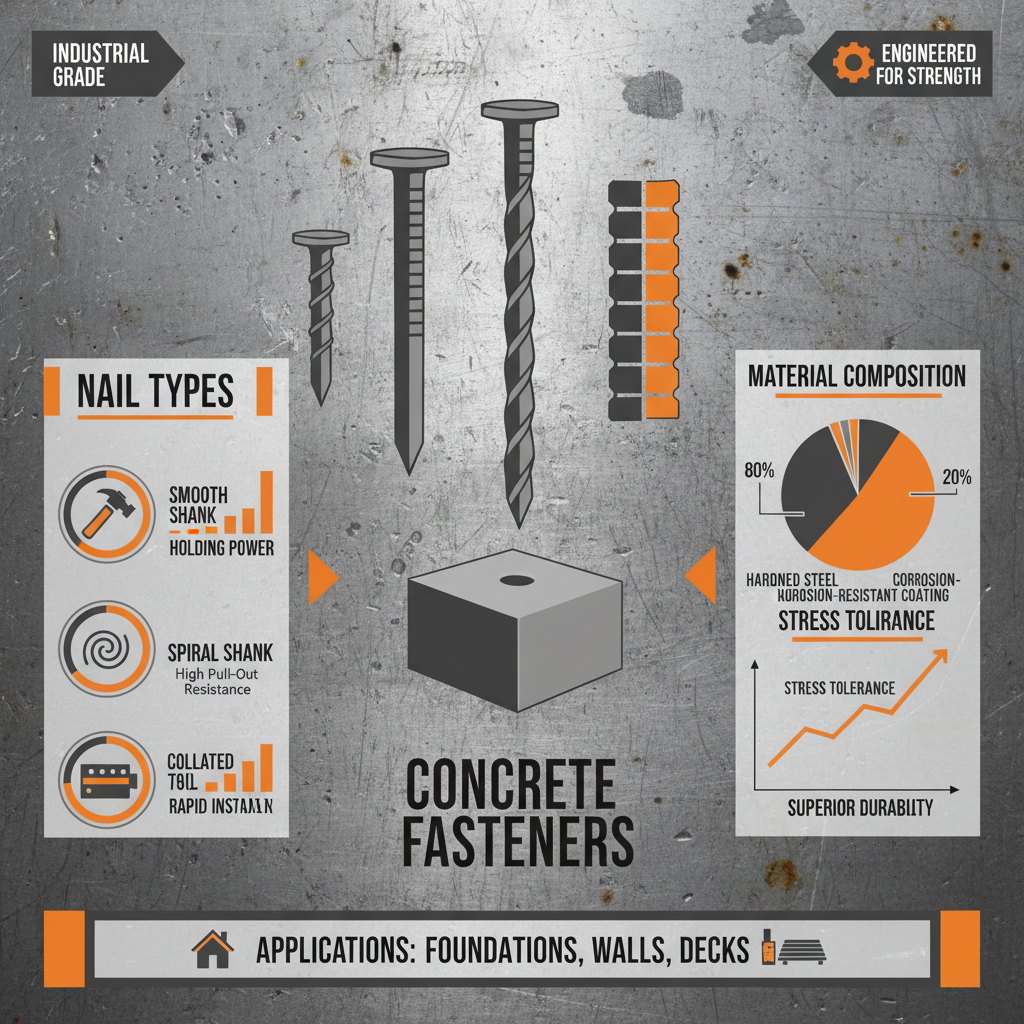
Framing Nails for Concrete: A Quick Guide to Choosing the Right Nail
Choosing the right framing nails for concrete requires careful consideration of several factors. Here's a summarized guide:
Conclusion: Building Strong Foundations with the Right Nails
Selecting the appropriate framing nails for concrete is a critical step in any construction project. By understanding the different types of nails, shank styles, head styles, and coatings, you can ensure a strong, durable, and long-lasting structure. At YJDWiremesh, we offer a comprehensive selection of high-quality concrete nails to meet your specific needs. Don't compromise on quality – choose the right nails for a solid foundation.
Frequently Asked Questions (FAQs)
What is the best way to drive nails into concrete?
Driving nails into concrete requires a specialized tool. While a standard hammer can be used for softer concrete, a pneumatic concrete nailer is highly recommended for most applications. Ensure you wear appropriate safety gear, including eye protection and gloves. Pre-drilling a pilot hole can help prevent concrete cracking, especially with larger nails. Apply firm, consistent pressure while driving the nail, ensuring it penetrates to the desired depth. Always follow the manufacturer's instructions for your nailer.
Are there any safety precautions I should take when working with concrete nails?
Absolutely. Safety is paramount when working with concrete nails. Always wear safety glasses to protect your eyes from flying debris. Gloves will protect your hands. Ensure the work area is well-ventilated, especially when using a pneumatic nailer. Be mindful of your surroundings and ensure no one is in the path of the nailer. Properly store and maintain your tools. Finally, be aware of the potential for concrete dust inhalation – a dust mask is recommended in dusty environments.
What size nail should I use for a specific concrete application?
The appropriate nail size depends on the thickness of the material being fastened and the load-bearing requirements. As a general guideline, the nail should penetrate at least 1.5 to 2 inches into the concrete. Consult building codes and structural engineers for specific recommendations based on your project's requirements. Using a nail that is too short will compromise the holding power, while a nail that is too long could penetrate too far and weaken the concrete.
Where can I find high-quality framing nails for concrete?
YJDWiremesh is a trusted supplier of high-quality concrete nails. We offer a wide range of nail types, shank styles, head styles, and coatings to meet diverse project needs. Our nails are manufactured to strict quality standards and are designed to provide reliable performance. Visit our website or contact us today to learn more about our products and services.