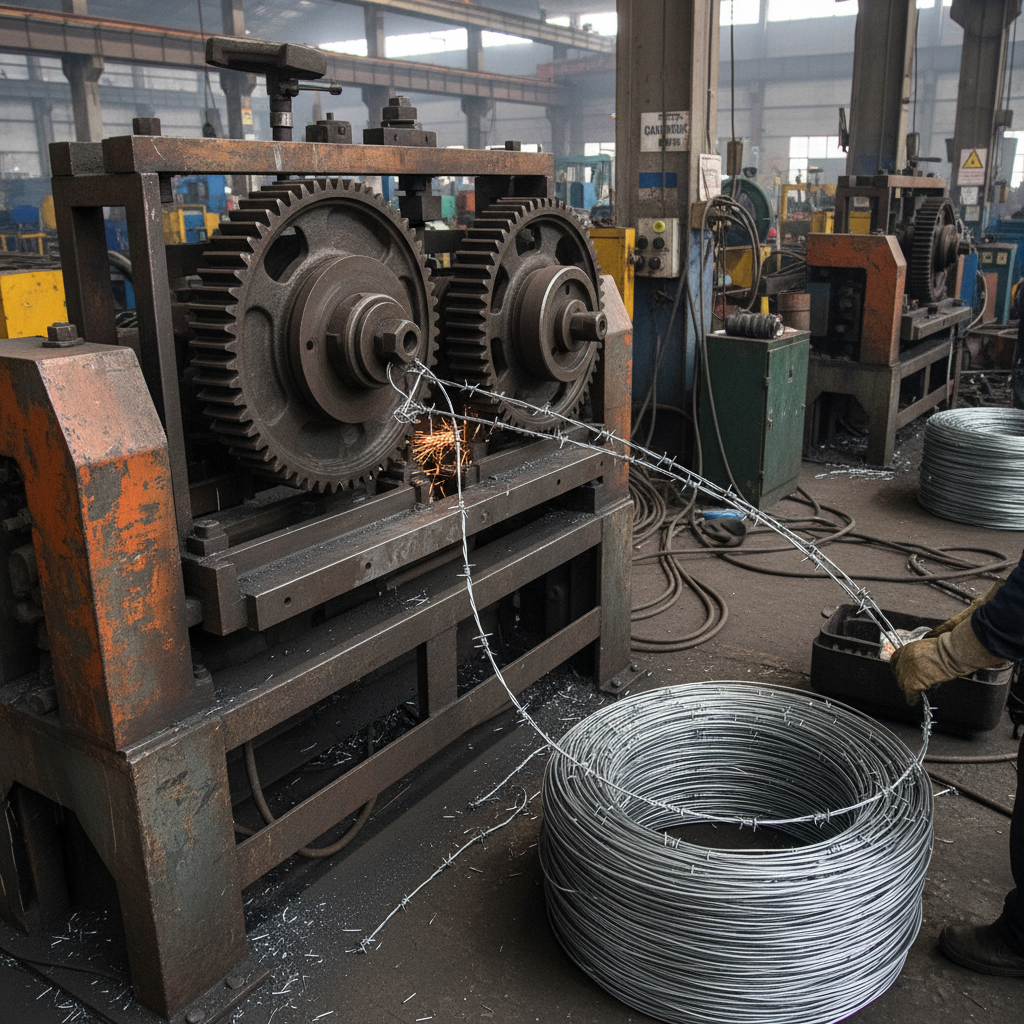
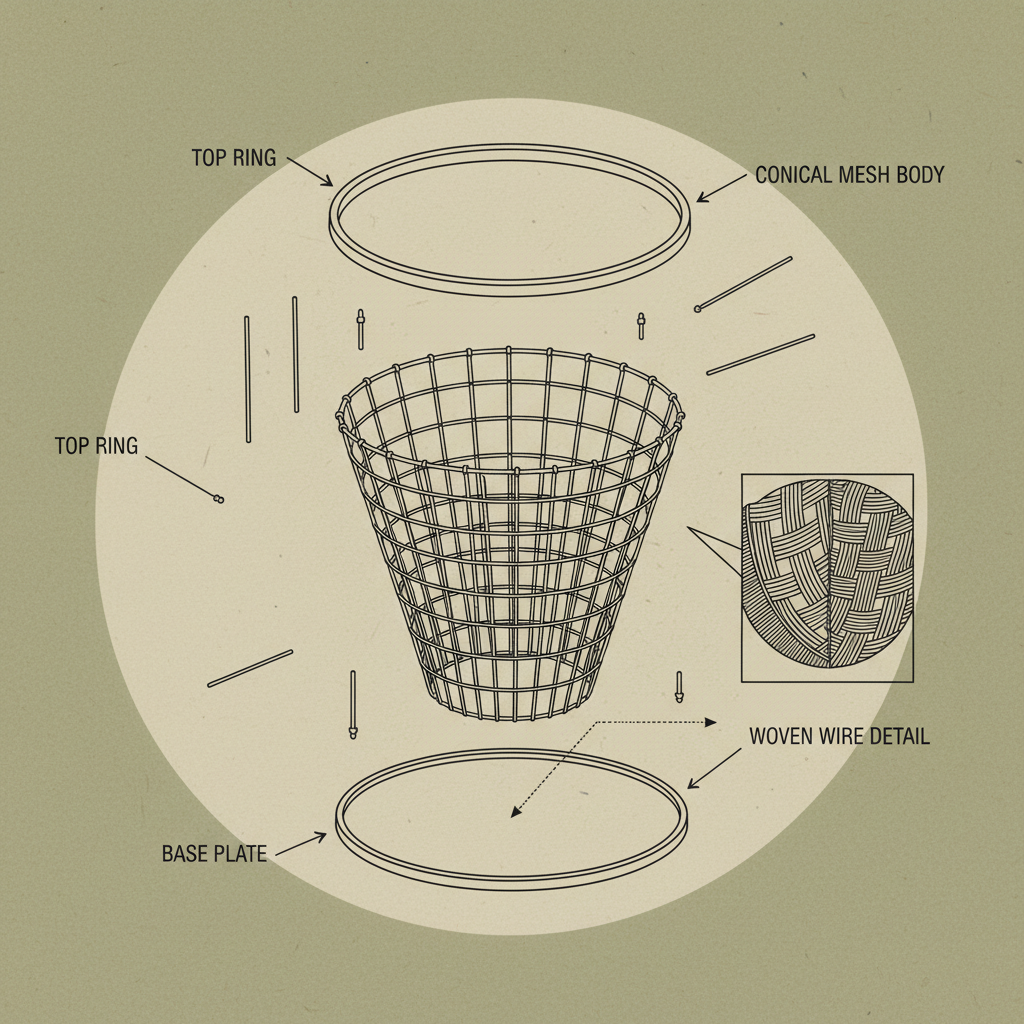
Iron and wire are foundational materials shaping modern civilization. From the intricate infrastructure of towering skyscrapers to the delicate precision of medical instruments, their versatility and strength are unparalleled. Understanding the properties, applications, and evolving innovations surrounding iron and wire is critical for engineers, manufacturers, policymakers, and anyone seeking to comprehend the built world around them. This knowledge fuels advancements across countless sectors, impacting economic growth, social well-being, and technological progress.
Globally, the demand for iron and wire continues to surge, driven by rapid urbanization, expanding infrastructure projects, and increasing industrialization in developing nations. According to the World Steel Association, global steel production reached nearly 1.9 billion tonnes in 2022, with China accounting for over half of that total. This escalating demand presents both opportunities and challenges, necessitating sustainable production practices, efficient resource management, and continuous innovation in materials science and manufacturing processes. The responsible sourcing and application of iron and wire is increasingly vital.
The fundamental significance of iron and wire lies in their ability to provide robust, adaptable, and cost-effective solutions for a vast range of applications. Addressing global challenges such as housing shortages, disaster relief, and sustainable construction increasingly relies on innovative uses of these materials, proving their enduring relevance in the 21st century and beyond. Their role in facilitating technological advancements and supporting essential infrastructure continues to be irreplaceable.
The Enduring Relevance of iron and wire
The historical significance of iron and wire is undeniable, marking pivotal shifts in human development from the Iron Age onward. Its early applications in weaponry and tools revolutionized agriculture and warfare, fundamentally altering societal structures. Today, this legacy continues through the use of advanced iron alloys and specialized wire products that underpin countless modern technologies.
Beyond its historical importance, iron and wire remains incredibly relevant due to its cost-effectiveness and accessibility. Compared to many alternative materials, iron is relatively abundant and easy to process, making it a preferred choice for large-scale construction projects, manufacturing, and infrastructure development across the globe. This accessibility ensures its continued demand and importance in a world striving for sustainable development.
Defining Iron and Wire
Iron, at its core, is a chemical element with the symbol Fe. It is a metal exhibiting high tensile strength, making it a vital component in many structural applications. Its ability to be alloyed with other elements, such as carbon to create steel, significantly enhances its properties, allowing for customization to meet specific engineering requirements.
Wire, in its simplest form, is a single, typically cylindrical, flexible strand used to conduct electricity, mechanically support structures, or form a component within a larger assembly. It is usually drawn from metal—often iron, copper, or aluminum—and its diameter and material properties are tailored to its intended application.
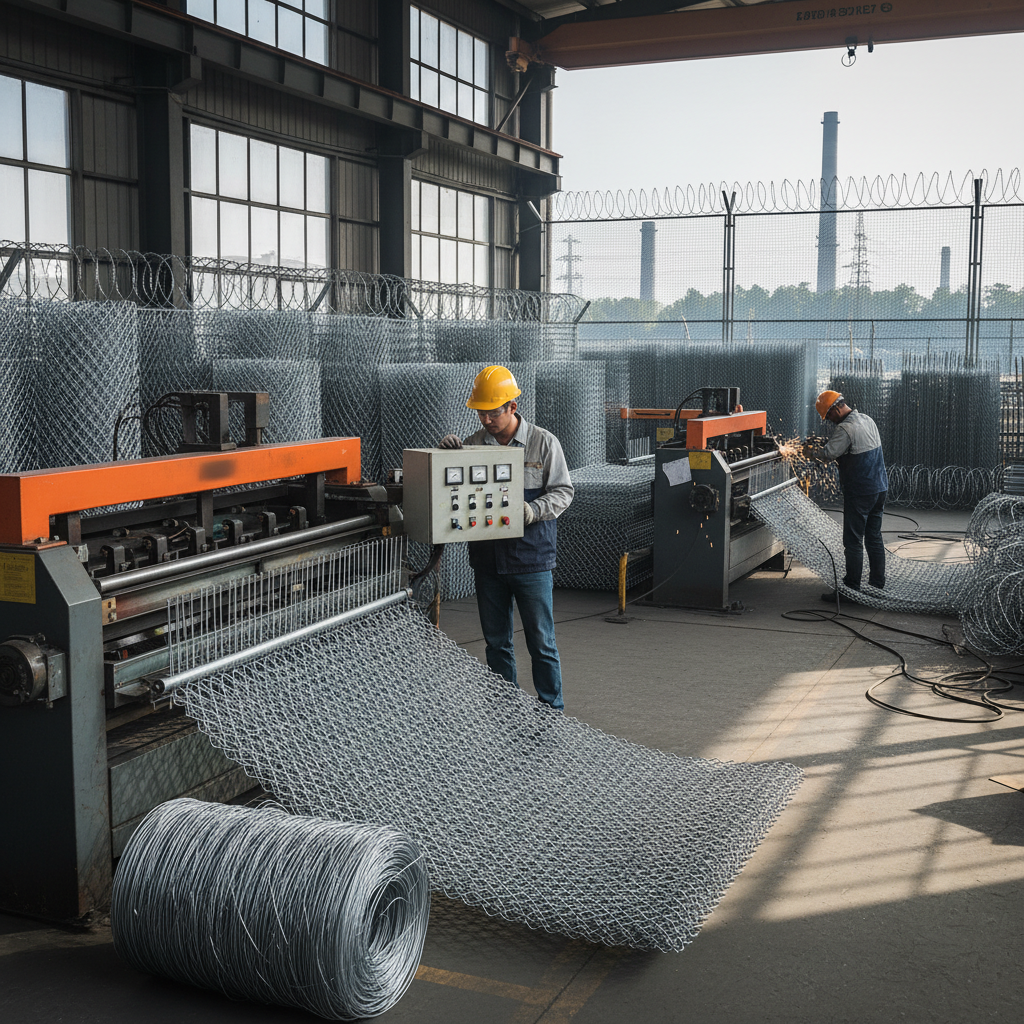
The connection to modern industry and humanitarian needs is direct. Iron and wire form the backbone of power grids, communication networks, building structures, transportation systems, and medical devices. In humanitarian contexts, wire mesh and iron components are essential in constructing temporary shelters, providing clean water solutions, and facilitating disaster relief efforts.
Key Properties of iron and wire
Durability is perhaps the most defining characteristic of iron and wire. Iron alloys, particularly steel, exhibit exceptional resistance to wear, corrosion (especially when treated), and fatigue, ensuring longevity in demanding environments. This robustness is crucial for infrastructure projects, ensuring structural integrity for decades.
Formability is another critical property. Iron and wire can be easily shaped, bent, welded, and drawn into various forms, enabling the creation of complex geometries and customized components. This malleability is vital in manufacturing and construction, facilitating intricate designs and efficient production processes.
Tensile Strength refers to the resistance of a material to breaking under tension. Iron alloys generally possess high tensile strength, making them suitable for applications where load-bearing capacity is paramount. This is essential in applications like bridges, support structures, and high-strength cables.
Scalability and Adaptability
One of the significant advantages of iron and wire is its scalability. Production processes can be readily adapted to meet varying demands, from small-scale artisanal applications to large-volume industrial requirements. This ability to scale production efficiently is vital in responding to rapidly changing market needs and global demands.
Moreover, iron and wire can be easily adapted through alloying and treatment processes. Different alloying elements can be added to enhance specific properties such as corrosion resistance (stainless steel), hardness, or conductivity, tailoring the material to the precise requirements of a given application.
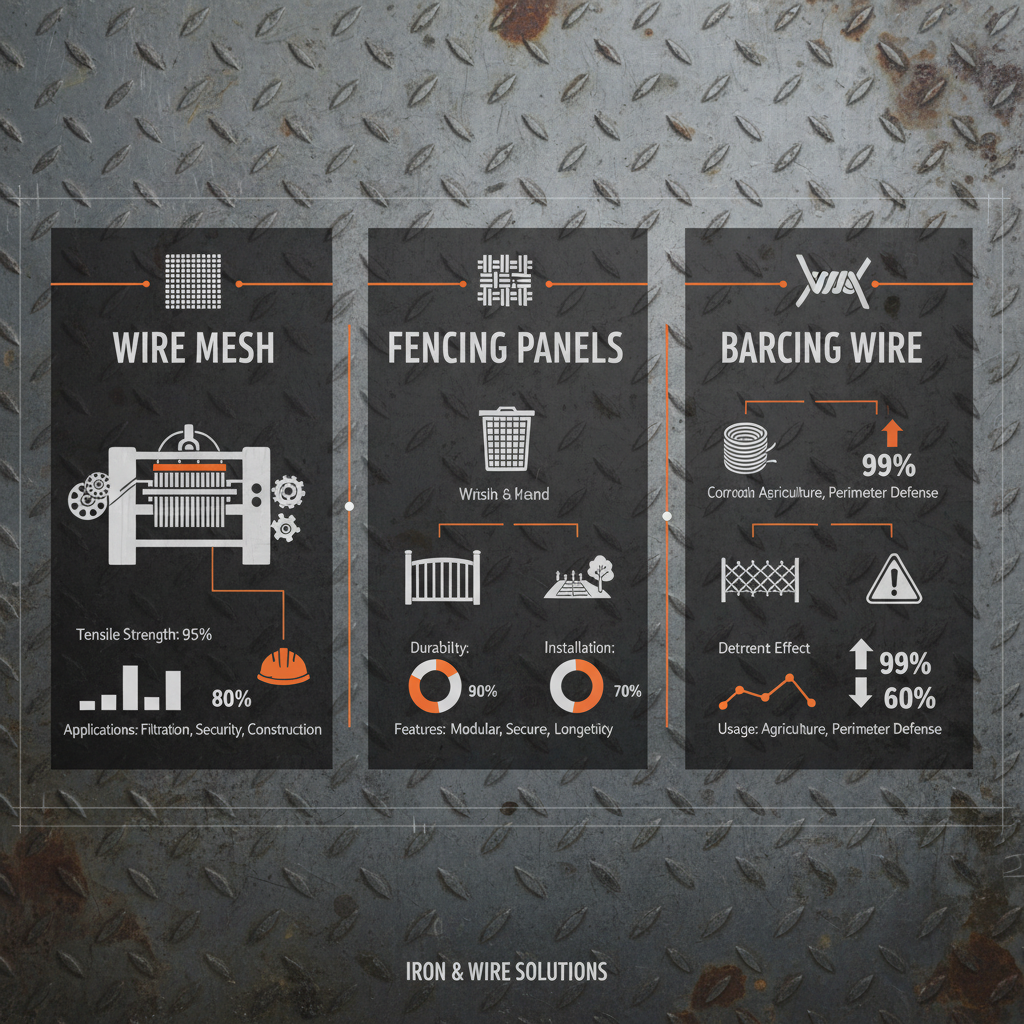
Iron and Wire Application Ratings
Global Applications and Impact
In infrastructure development, iron and wire are integral to constructing bridges, buildings, and transportation networks. The strength and durability of steel reinforcements ensure the long-term stability of these structures. In post-disaster relief operations, wire mesh and iron components are vital in creating temporary shelters and providing essential services.
The automotive industry relies heavily on high-strength steel alloys for vehicle body construction, enhancing safety and reducing weight. Similarly, the electrical sector utilizes copper wire for power transmission and distribution, ensuring reliable energy delivery. In remote industrial zones, iron and wire infrastructure supports resource extraction and processing activities.
Long-Term Value and Sustainability
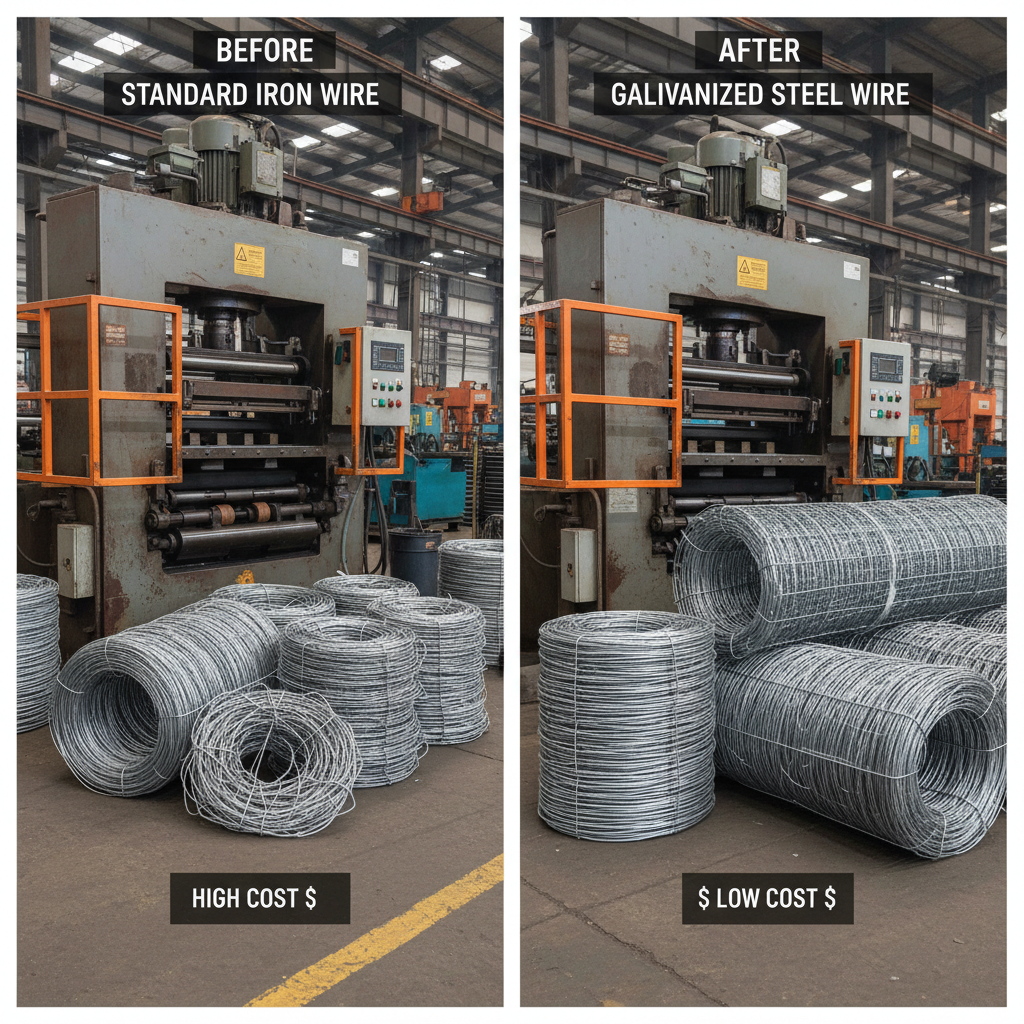
The long-term economic value of iron and wire is undeniable. Its durability minimizes maintenance costs and extends the lifespan of structures and equipment, representing a significant return on investment. Furthermore, the relatively high recyclability of iron and steel contributes to a circular economy, reducing waste and conserving resources.
Increasingly, sustainability considerations are driving innovation in the iron and wire industry. The development of low-carbon steel production methods, along with the use of recycled materials, is reducing the environmental impact of manufacturing. This commitment to sustainable practices ensures the continued viability of these materials in a world prioritizing environmental responsibility.
Beyond economic and environmental factors, the use of iron and wire fosters social impact by providing employment opportunities, supporting local economies, and enabling access to essential services like safe housing and reliable infrastructure.
Future Innovations in iron and wire
Ongoing research and development are focused on enhancing the properties of iron and wire through nanotechnology and advanced material science. Developing self-healing alloys that resist corrosion and fatigue represents a significant breakthrough, promising extended lifespans for critical infrastructure.
The integration of digital technologies, such as AI-powered quality control systems and automated manufacturing processes, is streamlining production and improving efficiency. These innovations contribute to reduced costs, increased precision, and enhanced product performance.
Furthermore, exploration into alternative iron sources, such as iron from recycled waste streams, presents opportunities for creating a more sustainable and circular material economy. This aligns with global efforts to reduce reliance on primary resources and minimize environmental impact.
Overview of Challenges and Potential Solutions in iron and wire Production and Application
| Challenge Area |
Specific Issue |
Potential Solution |
Impact Level (1-10) |
| Environmental Impact |
High Carbon Emissions during Steel Production |
Investment in Carbon Capture Technologies and Hydrogen-Based Steelmaking |
8 |
| Resource Depletion |
Limited Availability of High-Grade Iron Ore |
Increased Recycling Rates and Exploration of Alternative Iron Sources |
7 |
| Corrosion Resistance |
Susceptibility to Corrosion in Harsh Environments |
Development of Advanced Coatings and Corrosion-Resistant Alloys |
9 |
| Manufacturing Efficiency |
High Energy Consumption in Wire Drawing Processes |
Optimization of Wire Drawing Techniques and Implementation of Energy-Efficient Equipment |
6 |
| Supply Chain Vulnerabilities |
Geopolitical Risks Affecting Iron Ore Supply |
Diversification of Sourcing Locations and Strategic Stockpiling |
7 |
| Quality Control |
Maintaining Consistent Quality Standards Across Production Batches |
Implementation of AI-Powered Quality Inspection Systems |
8 |
FAQS
Iron and wire, particularly in the form of steel reinforcement (rebar), provide unparalleled structural strength and durability in construction. They enhance the load-bearing capacity of concrete, enabling the construction of taller, more resilient buildings and infrastructure. Their formability allows for complex designs, while their relatively low cost makes them an economically viable option for large-scale projects. Furthermore, steel is highly recyclable, contributing to sustainable building practices.
The quality of iron and wire is paramount to the lifespan of any product utilizing these materials. Impurities, defects, or improper treatment can significantly compromise strength, corrosion resistance, and overall durability. High-quality materials undergo rigorous testing and quality control measures to ensure consistent performance and extended service life. Utilizing certified materials and adhering to industry standards are critical for maximizing longevity.
Traditional iron and steel production is energy-intensive and generates significant carbon emissions. However, the industry is actively pursuing several strategies to mitigate this impact. These include investing in carbon capture and storage technologies, utilizing hydrogen-based steelmaking processes, increasing the use of recycled scrap metal, and improving energy efficiency across the entire production chain. These efforts are driving a transition towards more sustainable practices.
The cost of iron and wire is subject to fluctuations driven by a complex interplay of factors. These include global demand, raw material prices (particularly iron ore and coal), energy costs, transportation expenses, geopolitical events, and currency exchange rates. Supply chain disruptions and trade policies can also significantly impact pricing. Monitoring these factors is crucial for businesses reliant on these materials.
Beyond traditional applications, iron and wire are finding innovative uses in emerging fields. These include 3D printing of metal structures, biomedical implants with specific mechanical properties, advanced energy storage solutions (like iron-air batteries), and specialized wire meshes for environmental filtration and water purification. Ongoing research continues to uncover new and exciting applications.
Working with iron and wire can present several safety hazards, including sharp edges, potential for entanglement, and risk of injury during cutting or welding. Proper personal protective equipment (PPE) such as gloves, eye protection, and appropriate clothing is essential. Safe handling practices, including securing materials properly and using appropriate tools, are crucial to prevent accidents. Additionally, awareness of potential electrical hazards when working with conductive wire is paramount.
Conclusion
In summary, iron and wire remain indispensable materials underpinning modern civilization. Their enduring strength, versatility, scalability, and cost-effectiveness continue to drive innovation and progress across a multitude of industries. From foundational infrastructure to cutting-edge technologies, their impact is pervasive and profound. Recognizing their importance and prioritizing sustainable practices in their production and application are crucial for a resilient and prosperous future.
Looking ahead, continued investment in research and development, alongside a commitment to environmental responsibility, will unlock even greater potential for these materials. By embracing new technologies, optimizing production processes, and exploring innovative applications, we can ensure that iron and wire remain at the forefront of engineering advancements for generations to come. Visit our website at www.yjdwiremesh.com to learn more about our products and solutions.