Choosing the Right Nail Pins for Concrete: A Comprehensive Guide
When working with concrete, selecting the correct fastening solution is crucial for project success. Nail pins for concrete offer a fast and efficient way to secure materials, but understanding their types, applications, and proper usage is essential. This article provides a detailed exploration of concrete nail pins, covering everything from their benefits to selecting the right pin for your specific needs. We will delve into the characteristics of different nail pin types and discuss important factors to consider when choosing the best option for your concrete fastening applications.
Understanding Nail Pins for Concrete
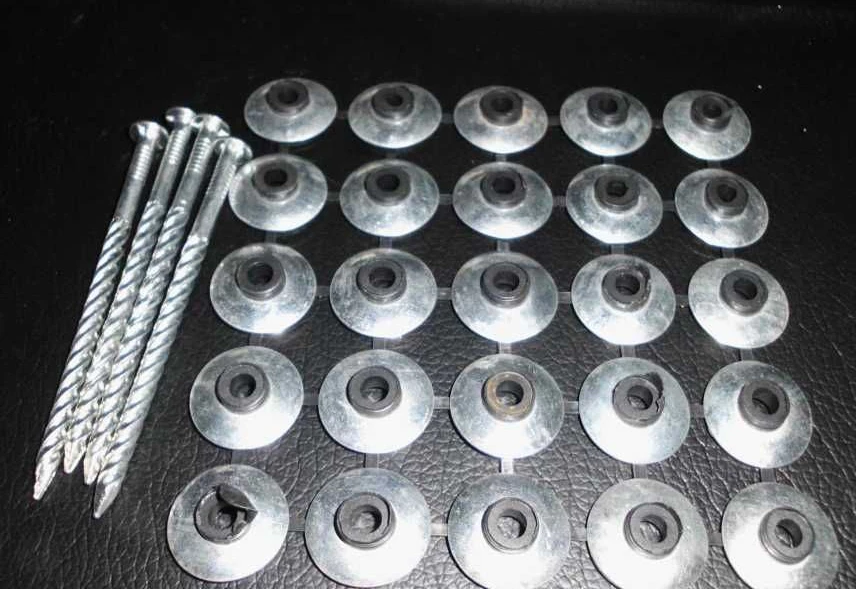
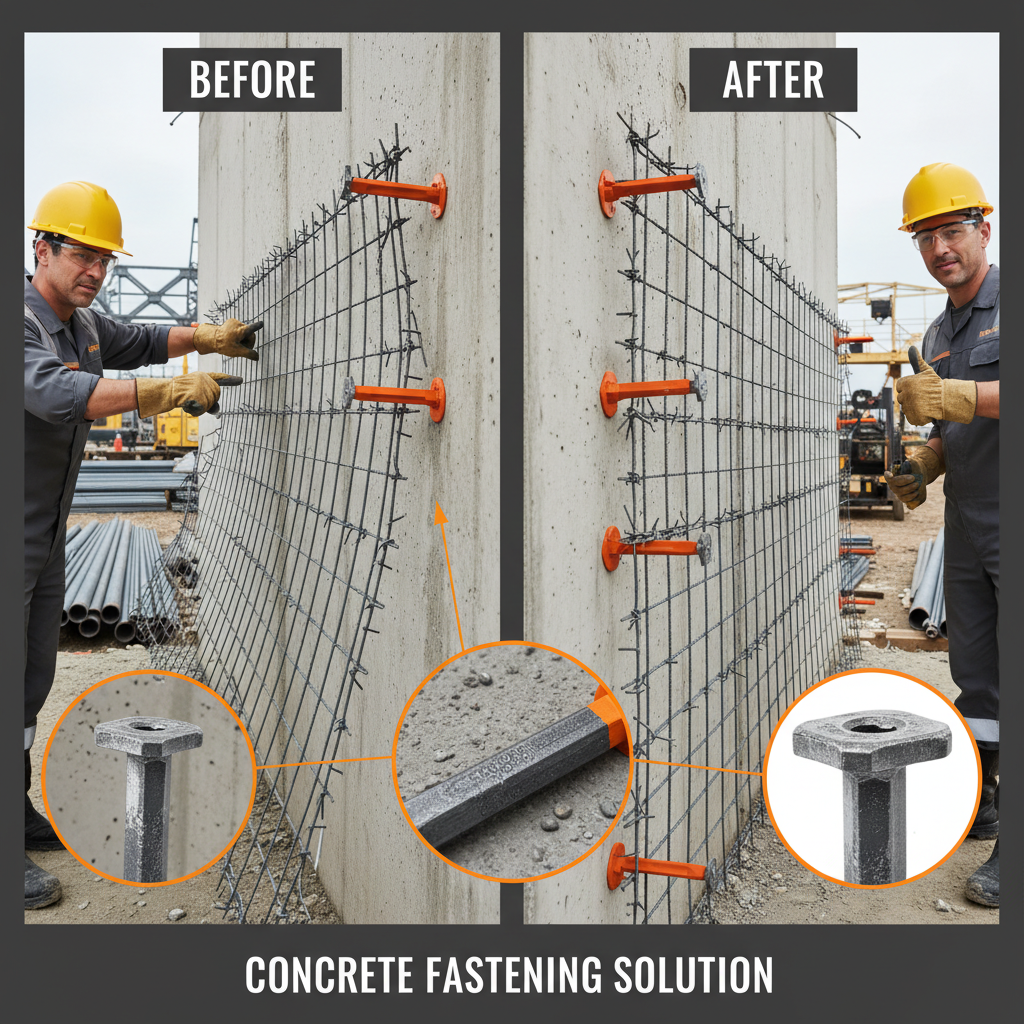
Concrete nail pins are specifically designed to be driven directly into concrete without pre-drilling. They are typically made from hardened steel and feature a unique design – often fluted or ring-shanked – that provides excellent holding power. These pins rely on the compressive strength of the concrete to remain firmly embedded. Unlike traditional nails, concrete nail pins are engineered to withstand the stresses associated with concrete applications. They are commonly used for attaching wood, insulation, and other materials to concrete walls, floors, and ceilings.
Key Highlights: Designed for direct fastening into concrete, eliminating the need for pre-drilling. Offer excellent holding power due to their hardened steel construction and specialized shank designs.
Types of Nail Pins for Concrete
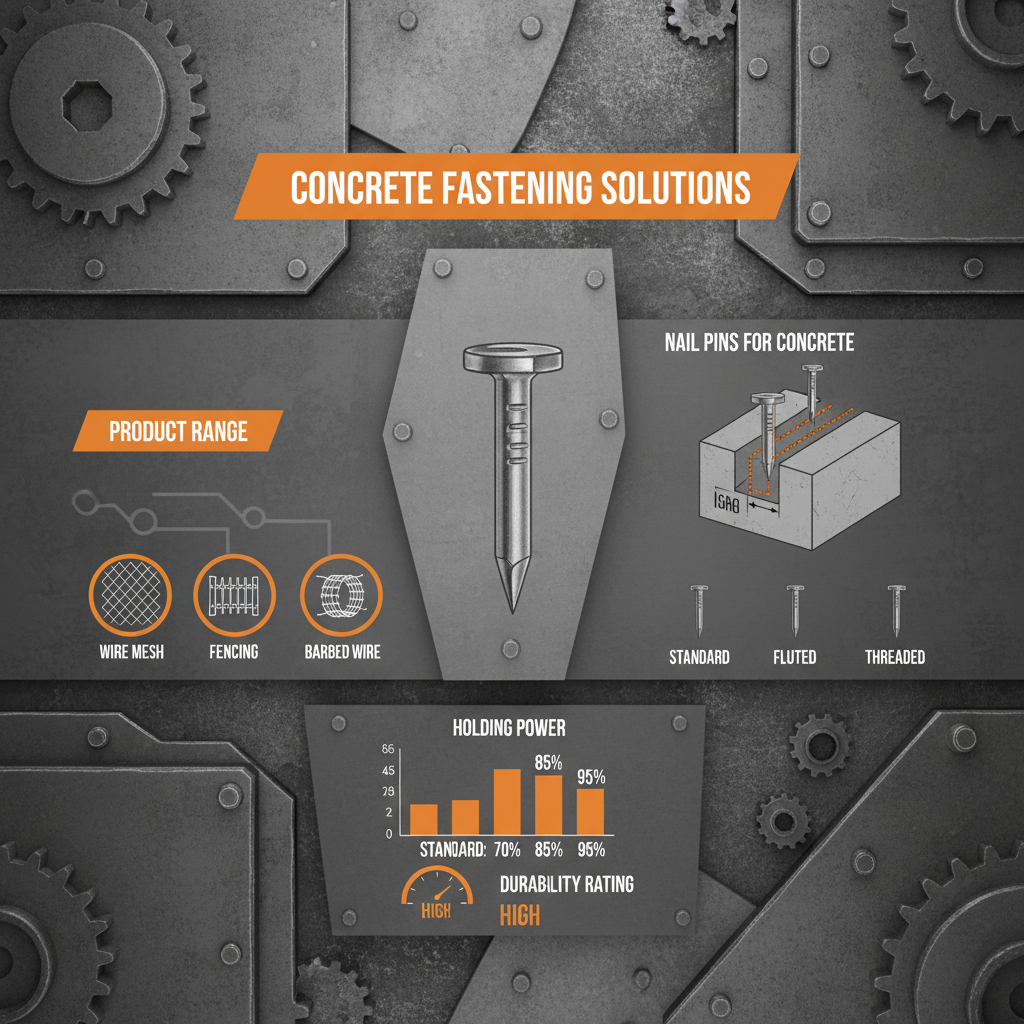
Several types of nail pins are available, each suited for different applications. The most common include: Ring Shank Nail Pins, featuring a ring-shaped pattern along the shank for enhanced holding power; Fluted Nail Pins, with a spiral fluting pattern that provides a strong grip; and Screw Shank Nail Pins which offers superior pull-out resistance compared to standard fluted or ring shank pins. Choosing the right type depends on the material being fastened, the load requirements, and the specific concrete conditions. For heavy-duty applications, screw shank pins are often preferred. YJDWiremesh offers a wide selection of concrete nail pins to meet diverse project demands.
Nail Pin Type Benefits:
• Ring Shank: Excellent holding power for general applications.
• Fluted Shank: Provides a secure grip for a variety of materials.
• Screw Shank: Superior pull-out resistance for heavy-duty applications.
Comparing Nail Pin Shank Designs
The shank design significantly impacts the holding power of concrete nail pins. The following table provides a comparison of the three main shank types:
Factors to Consider When Choosing Nail Pins
Several factors should guide your selection of nail pins for concrete. Concrete Strength: Higher strength concrete generally requires harder nail pins. Material Being Fastened: The thickness and density of the material will influence the pin length required. Load Requirements: Consider the weight and stress the fastener will need to support. Environmental Conditions: For outdoor applications, consider corrosion resistance. YJDWiremesh provides expert advice to help you select the optimal nail pins for your project.
Product Specifications & Common Sizes
Understanding the specifications of nail pins will help you ensure you choose the right product for your needs. Here's a table summarizing common sizes and specifications:
Conclusion: Selecting the Right Concrete Nail Pin for Success
Choosing the correct nail pins for concrete is vital for ensuring a secure and lasting fastening solution. By understanding the different types, shank designs, and relevant factors, you can confidently select the right pins for your specific project requirements. Remember to prioritize quality, consider the load demands, and choose a supplier like YJDWiremesh that offers expert guidance and a wide range of options.
Frequently Asked Questions (FAQs)
What tools are required to drive nail pins into concrete?
Typically, a powder-actuated nail gun is used to drive concrete nail pins. These tools utilize a small explosive charge to propel the pin into the concrete. Alternatively, a specialized hammer designed for concrete nail pins can be used, but it requires more manual effort. Always follow the manufacturer’s safety instructions when operating powder-actuated tools. Proper safety gear, including eye and ear protection, is crucial.
Are concrete nail pins suitable for all types of concrete?
Concrete nail pins work best in standard-strength concrete. For very hard or reinforced concrete, pre-drilling may be necessary to prevent damage to the pins or the concrete itself. The condition of the concrete also matters; cracked or crumbling concrete may not provide sufficient holding power. Assess the concrete's condition before using nail pins, and consult with a professional if you are unsure.
What is the recommended spacing for concrete nail pins?
The recommended spacing depends on the load requirements and the thickness of the material being fastened. A general guideline is to space the pins 6-8 inches apart. For heavier loads or thinner materials, closer spacing may be necessary. Always consult the manufacturer’s recommendations and consider the specific application when determining the optimal spacing.
How can I prevent concrete nail pins from bending during installation?
Ensure you are using the correct nail pin type and size for the concrete strength. Use a nail gun or hammer that is in good working condition. Apply firm, consistent pressure during installation. If you encounter excessive resistance, stop and consider pre-drilling a pilot hole. Avoid driving the pins at an angle, as this can increase the risk of bending.