Fluted Nails for Concrete: A Comprehensive Guide
When working with concrete, secure fastening is paramount. Fluted nails for concrete provide a robust and reliable solution for a wide range of applications. This article will delve into the benefits, applications, installation techniques, and considerations when choosing these specialized fasteners. We will explore how they offer superior holding power compared to traditional nails and why they are increasingly preferred in modern construction.
What are Fluted Nails for Concrete?
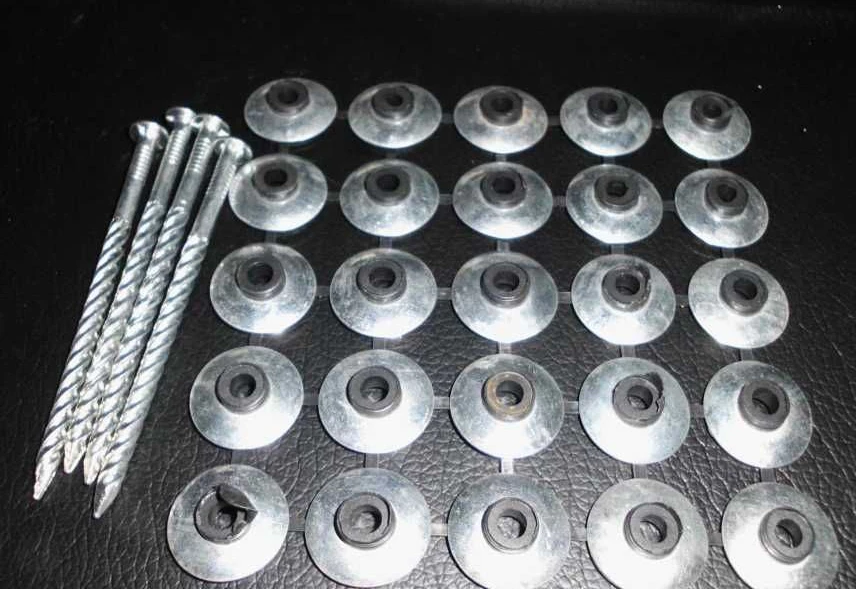
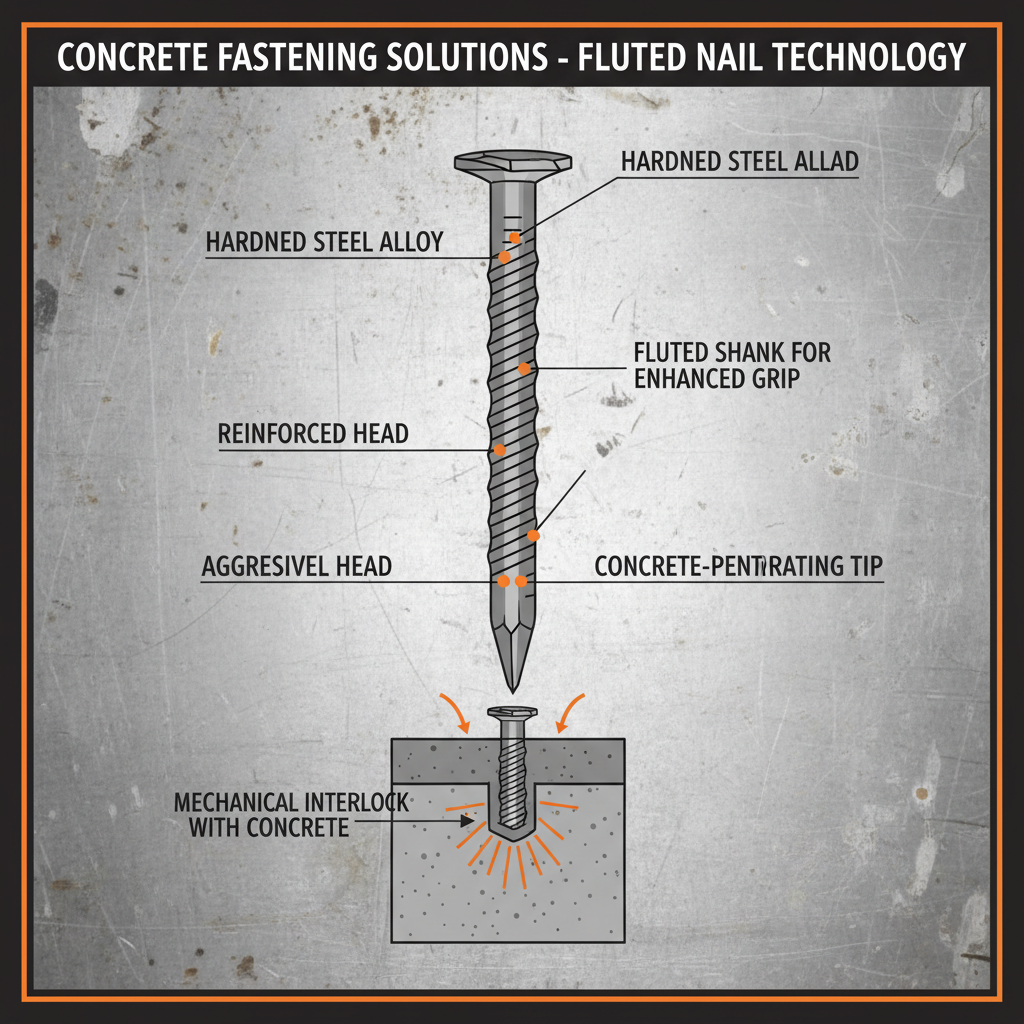
Fluted nails for concrete are specifically designed to provide enhanced holding power when driven into concrete, brick, or block. Unlike traditional smooth-shank nails, fluted nails feature a series of raised ridges, or flutes, running along their shank. These flutes displace the concrete material as the nail is driven in, creating a mechanical interlock that resists pull-out. This design significantly increases the nail's resistance to shear forces and vibrations. They are typically made from hardened steel to withstand the impact forces during installation and the stresses of the application. These nails are commonly used in applications such as fastening wood to concrete, installing trim, and securing fixtures.
Key Highlights: Fluted nails offer superior holding power due to their design, making them ideal for concrete, brick, and block applications. Made from hardened steel for durability and resistance to impact and shear forces.
Applications of Fluted Nails for Concrete
The versatility of fluted nails makes them suitable for a wide variety of projects. Common applications include securing wood framing to concrete foundations, attaching furring strips to concrete walls, installing wooden trim and molding, and fastening shelving or fixtures to concrete surfaces. They are also frequently used in DIY projects, such as building concrete planters or constructing small outdoor structures. Their ability to provide a strong and reliable connection makes them a preferred choice over other fastening methods like screws or adhesive in many situations. YJDWiremesh provides a variety of fluted nails tailored to different project needs.
Application Benefits:
• Securing wood framing to concrete foundations.
• Attaching furring strips to concrete walls.
• Installing wooden trim and molding.
• Fastening shelving or fixtures to concrete surfaces.
Fluted Nails vs. Smooth Shank Nails for Concrete: A Comparison
While both fluted and smooth shank nails can be used in concrete, fluted nails offer significantly improved performance. The flutes create a mechanical interlock, increasing pull-out resistance. Smooth shank nails rely solely on friction, which is less reliable, particularly in damp or vibration-prone environments. The increased holding power of fluted nails also allows for closer edge distances and reduced nail spacing, which can save time and material. Choosing the right nail type can make a substantial difference in the longevity and structural integrity of your project.
Choosing the Right Fluted Nails: Length and Gauge
Selecting the appropriate length and gauge of fluted nail is crucial for a secure and lasting connection. The nail length should penetrate at least 1 inch into the concrete for adequate holding power. The gauge (diameter) of the nail should be chosen based on the thickness of the material being fastened. Thicker materials require a larger gauge nail to prevent bending or shear failure. Consider the load-bearing requirements of the application when making your selection. Here’s a general guide:
Conclusion: Reliable Fastening with Fluted Nails
Investing in high-quality fluted nails for concrete is a smart choice for any construction or DIY project. Their superior holding power, durability, and versatility make them a reliable solution for a wide range of applications. By selecting the appropriate length and gauge, you can ensure a secure and long-lasting connection.
Frequently Asked Questions (FAQs)
What type of concrete are fluted nails best suited for?
Fluted nails work best in standard-weight concrete, brick, and concrete block. Their effectiveness can be reduced in very hard or dense concrete, as it requires more force to penetrate. For extremely hard concrete, consider using concrete screws or powder-actuated fasteners. It's essential to assess the concrete's density and composition before selecting the appropriate fastener. Pre-drilling a pilot hole may be necessary for harder concrete types, ensuring a straighter and easier installation.
Can fluted nails be used outdoors?
Yes, fluted nails can be used outdoors, but it's important to select nails with a protective coating, such as galvanization or stainless steel, to prevent corrosion. These coatings protect the nails from rust and deterioration caused by exposure to moisture and weather elements. Using coated nails will extend the lifespan of the connection and ensure its long-term reliability. Consider the climate and level of exposure when choosing the appropriate coating type.
What is the best way to install fluted nails?
Fluted nails are typically installed using a hammer or a pneumatic nail gun specifically designed for concrete nails. Ensure you wear appropriate safety gear, including safety glasses and gloves. Position the nail perpendicular to the surface and apply firm, consistent pressure while hammering or firing the nail gun. Avoid bending the nail during installation. If you encounter resistance, consider pre-drilling a pilot hole to facilitate penetration. The nail should be driven in until the head is flush with the surface.
Are fluted nails suitable for structural applications?
While fluted nails offer excellent holding power, they are generally not recommended for primary structural applications where significant load-bearing capacity is required. For such applications, concrete screws, anchors, or other engineered fastening systems should be used. Fluted nails are best suited for non-load-bearing applications, such as attaching trim, furring strips, or lightweight fixtures. Always consult with a structural engineer for critical applications to ensure compliance with building codes and safety standards.