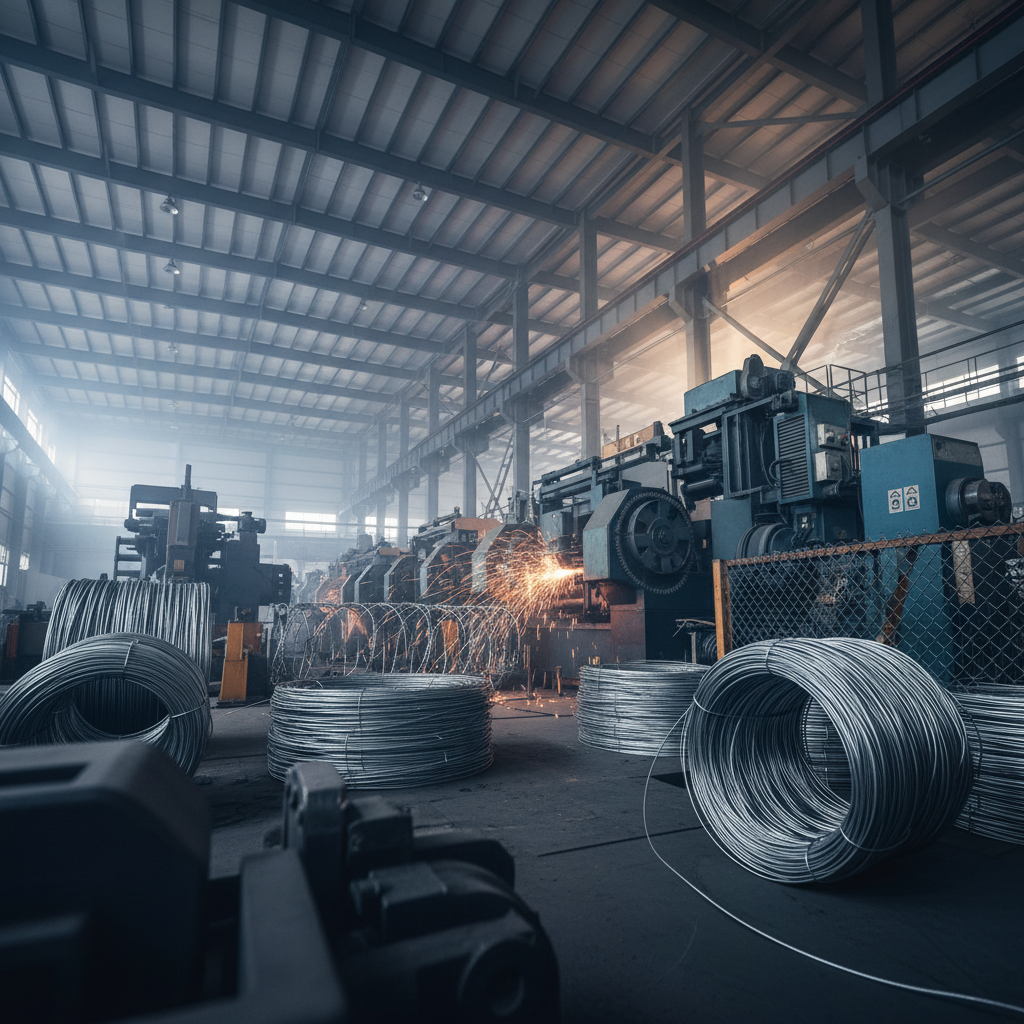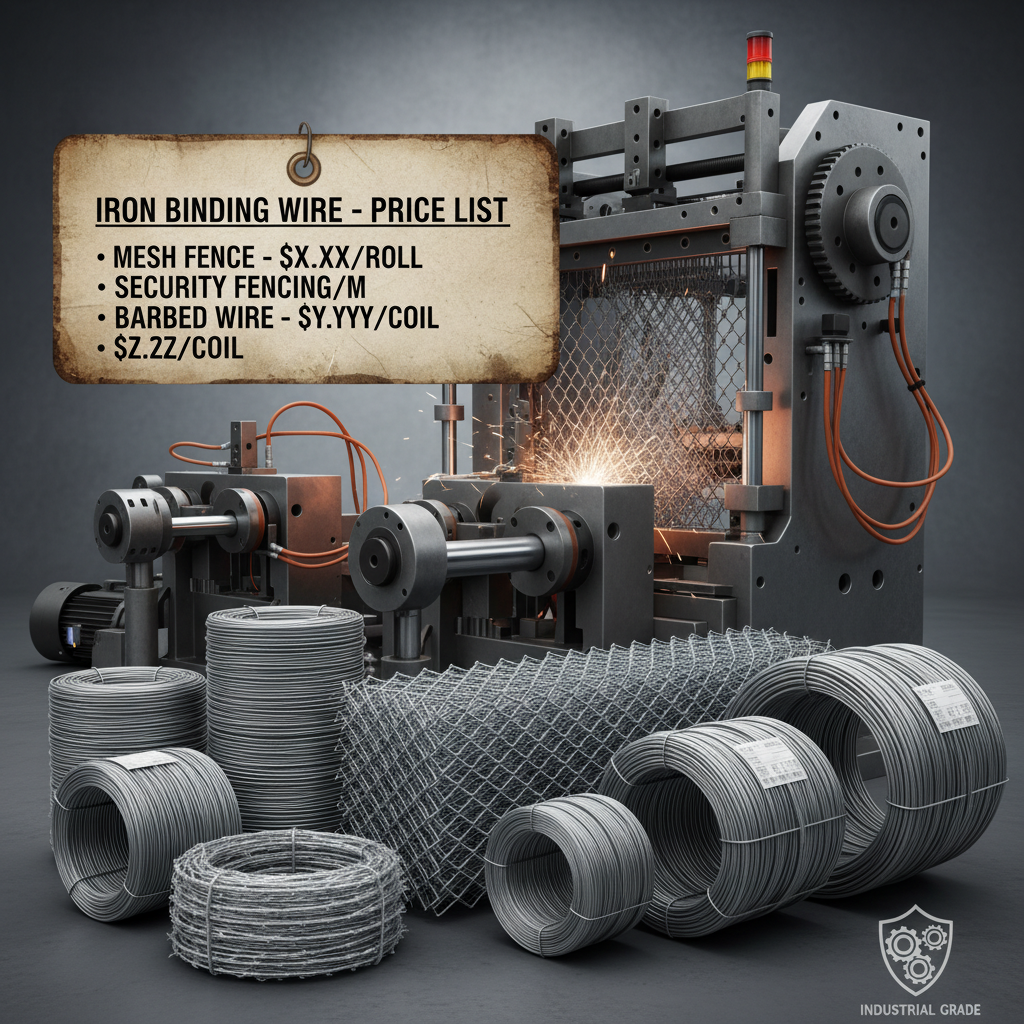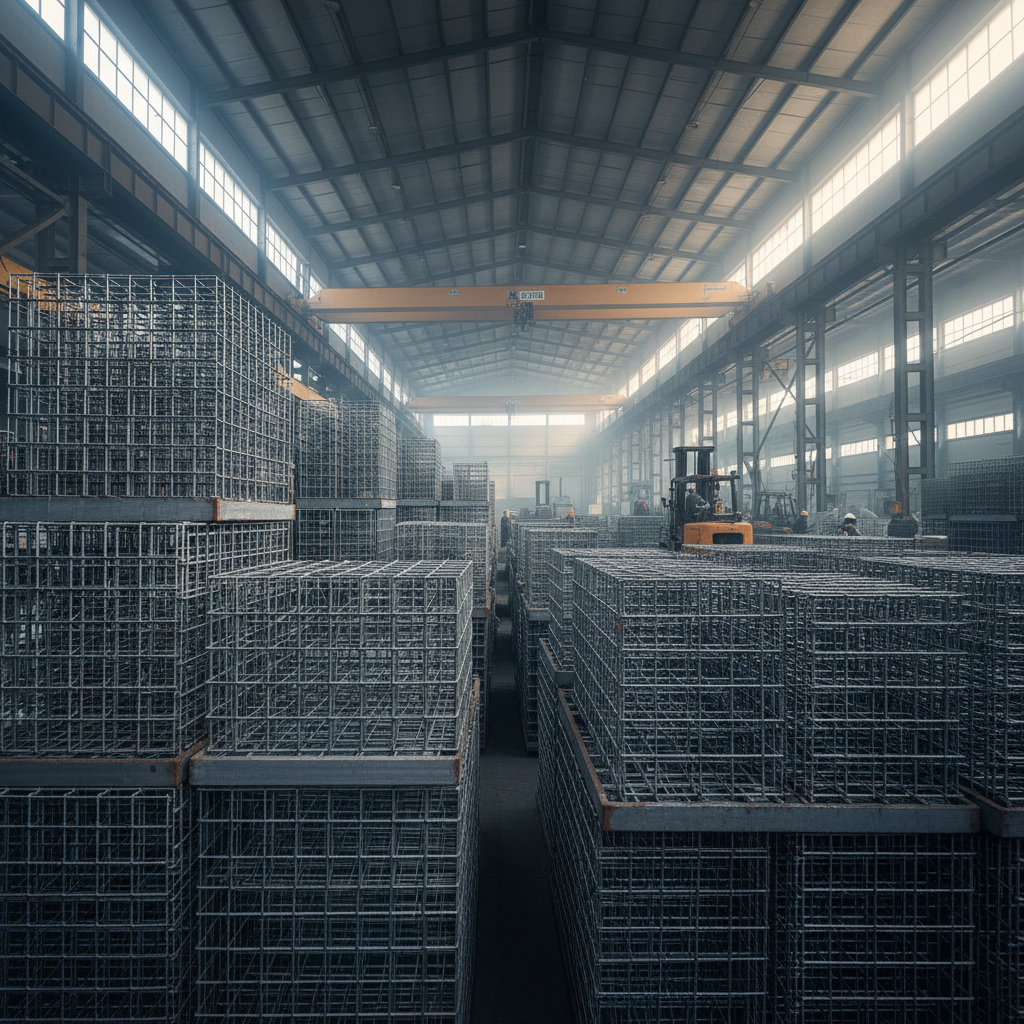


Iron & wire – two fundamental building blocks of modern civilization. From the intricate frameworks of skyscrapers to the humble fencing surrounding our homes, these materials are ubiquitous, underpinning countless aspects of our daily lives. The global demand for iron & wire is immense, fueled by rapid urbanization, infrastructure development, and a growing need for robust and reliable materials across diverse sectors. Understanding its properties, applications, and future trends is crucial for engineers, architects, manufacturers, and policymakers alike.
Globally, the iron and steel industry, intrinsically linked to wire production, represents a multi-trillion dollar market. According to the World Steel Association, global steel production reached nearly 1.9 billion tonnes in 2022. This demonstrates the sheer scale of the industry and its impact on global economies. However, this production also presents challenges, including environmental concerns and the need for sustainable practices. Innovations in iron & wire technology are paramount to addressing these challenges and meeting the evolving needs of a dynamic world.
Iron & wire aren’t just commodities; they are enablers of progress, critical to both economic development and humanitarian efforts. The versatility of iron & wire makes it invaluable in disaster relief, affordable housing, and the construction of resilient infrastructure, illustrating its broad impact on societal well-being. Its durability and cost-effectiveness make it a uniquely suitable material for a wide range of applications.
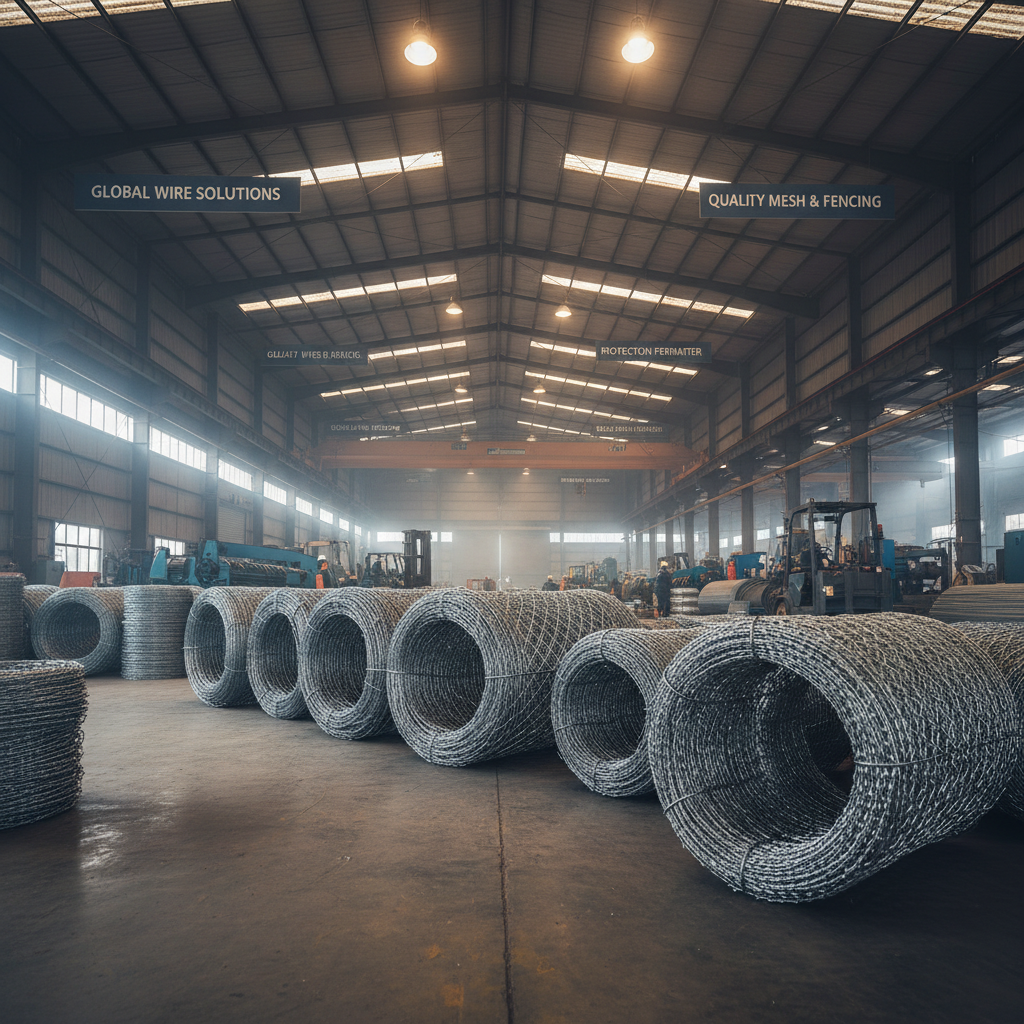
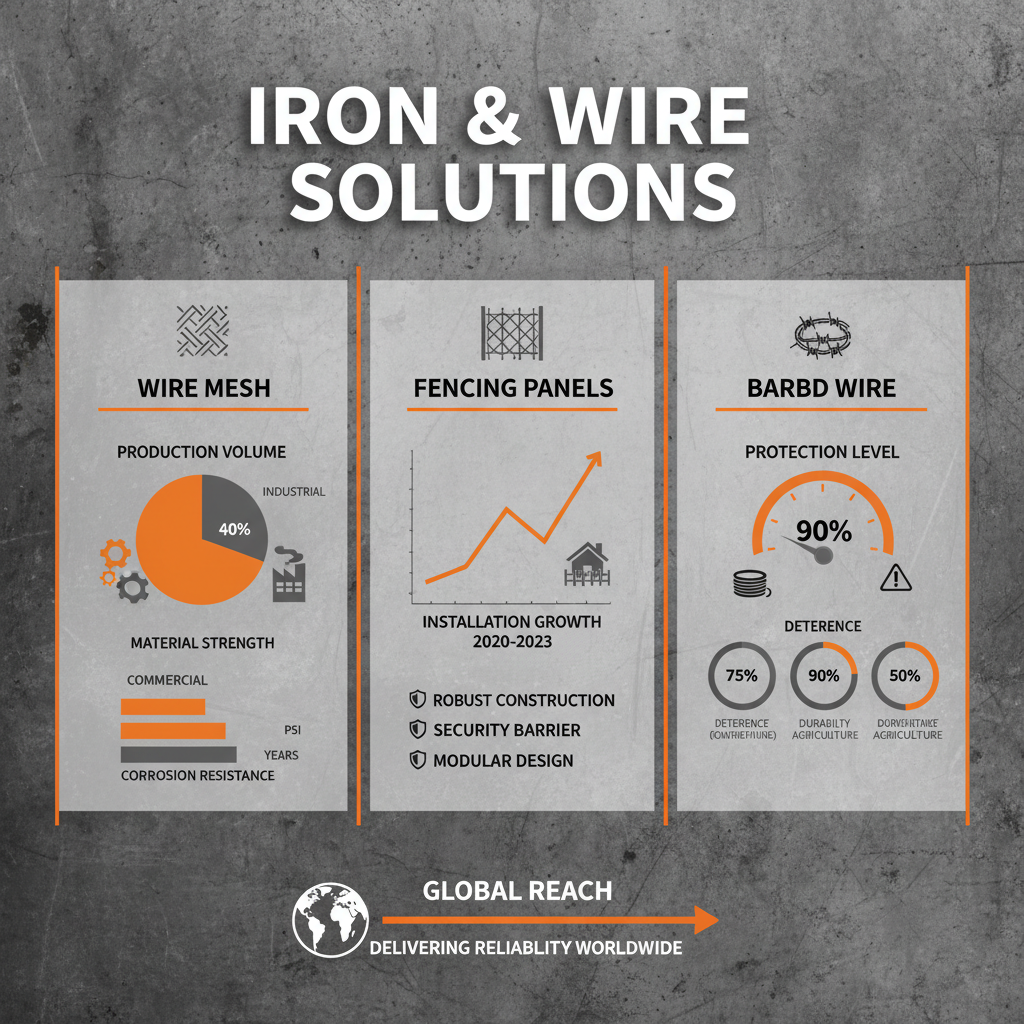
The significance of iron & wire extends far beyond simple construction. Its ability to be shaped, molded, and combined with other materials has led to its use in countless inventions and innovations throughout history. From the earliest tools and weapons to the complex electrical grids that power our modern world, iron & wire has played a pivotal role. iron & wire is the base material of much of the industrial world.
The continued relevance of iron & wire lies in its inherent versatility and affordability. While newer materials offer specialized properties, iron & wire often provides a cost-effective and readily available solution for a wide range of applications. This is particularly crucial in developing nations where infrastructure is rapidly expanding and budgetary constraints are often significant.
The most prevalent forms of corrosion affecting iron & wire include uniform corrosion, pitting corrosion, and galvanic corrosion. Uniform corrosion occurs evenly across the surface, while pitting corrosion creates localized holes. Galvanic corrosion happens when dissimilar metals are in contact in a corrosive environment. Proper surface treatments, coatings, and material selection are crucial for mitigating these issues, preserving the structural integrity and lifespan of iron & wire components.
Extending the lifespan of iron & wire in harsh environments requires a multi-pronged approach. This includes applying protective coatings like galvanization, epoxy, or paint, utilizing corrosion-resistant alloys such as stainless steel, implementing cathodic protection systems, and conducting regular inspections and maintenance. Careful consideration of environmental factors during the design phase, along with appropriate material selection, is also vital.
Iron & wire production can have a significant environmental impact due to energy consumption, greenhouse gas emissions, and waste generation. However, the industry is actively working to mitigate these effects through several initiatives. These include adopting energy-efficient technologies, increasing the use of recycled steel, implementing carbon capture and storage systems, and reducing water consumption. Sustainable practices are becoming increasingly important for the future of the iron & wire industry.
Steel and cast iron are both iron alloys, but differ significantly in carbon content and properties. Steel generally has lower carbon content, making it more ductile, malleable, and weldable. Cast iron, with higher carbon content, is more brittle but has better compressive strength and vibration damping. Steel is often preferred for structural applications requiring strength and flexibility, while cast iron is suitable for components needing high compressive strength and wear resistance.
Annealing is a heat treatment process that significantly alters the properties of iron & wire. It involves heating the metal to a specific temperature, holding it there, and then slowly cooling it. This process reduces hardness, increases ductility, and relieves internal stresses, making the metal easier to work with. Annealing improves the formability and machinability of the wire, enabling it to be shaped and molded more effectively.
Several trends are emerging in sustainable construction regarding iron & wire. Increased use of recycled steel content in construction projects, design optimization to reduce material usage, and incorporating innovative corrosion-resistant alloys minimizing long-term environmental impact, are key. Additionally, the use of prefabricated steel components reduces on-site waste and construction time. Furthermore, life cycle assessment (LCA) is being utilized to evaluate the environmental footprint of iron & wire throughout its entire life cycle.
Iron & wire remains an indispensable material in the modern world, providing foundational support for countless industries and critical infrastructure. Its combination of strength, versatility, and cost-effectiveness ensures its continued relevance. The ongoing pursuit of sustainable production methods, coupled with innovative alloy development and advanced manufacturing techniques, promises to further enhance its performance and minimize its environmental footprint.
Looking ahead, a deeper understanding of material science, combined with the adoption of digital technologies, will unlock new possibilities for optimizing the use of iron & wire. Prioritizing research and development in corrosion resistance, recycling processes, and smart materials will be crucial for ensuring the long-term sustainability and resilience of this vital resource. For more information and to explore our range of iron & wire products, visit our website: www.yjdwiremesh.com.