Understanding Lead Nails for Concrete: A Comprehensive Guide
When working with concrete, selecting the right fasteners is crucial for a secure and lasting hold. Lead nails for concrete are a specialized fastening solution offering unique benefits in specific applications. This article will delve into the properties, uses, installation techniques, and safety considerations of lead nails, providing a thorough overview for construction professionals and DIY enthusiasts. Choosing the correct fastener ensures project stability and longevity, and understanding the nuances of lead nails is a vital step towards successful concrete work.
What are Lead Nails for Concrete?
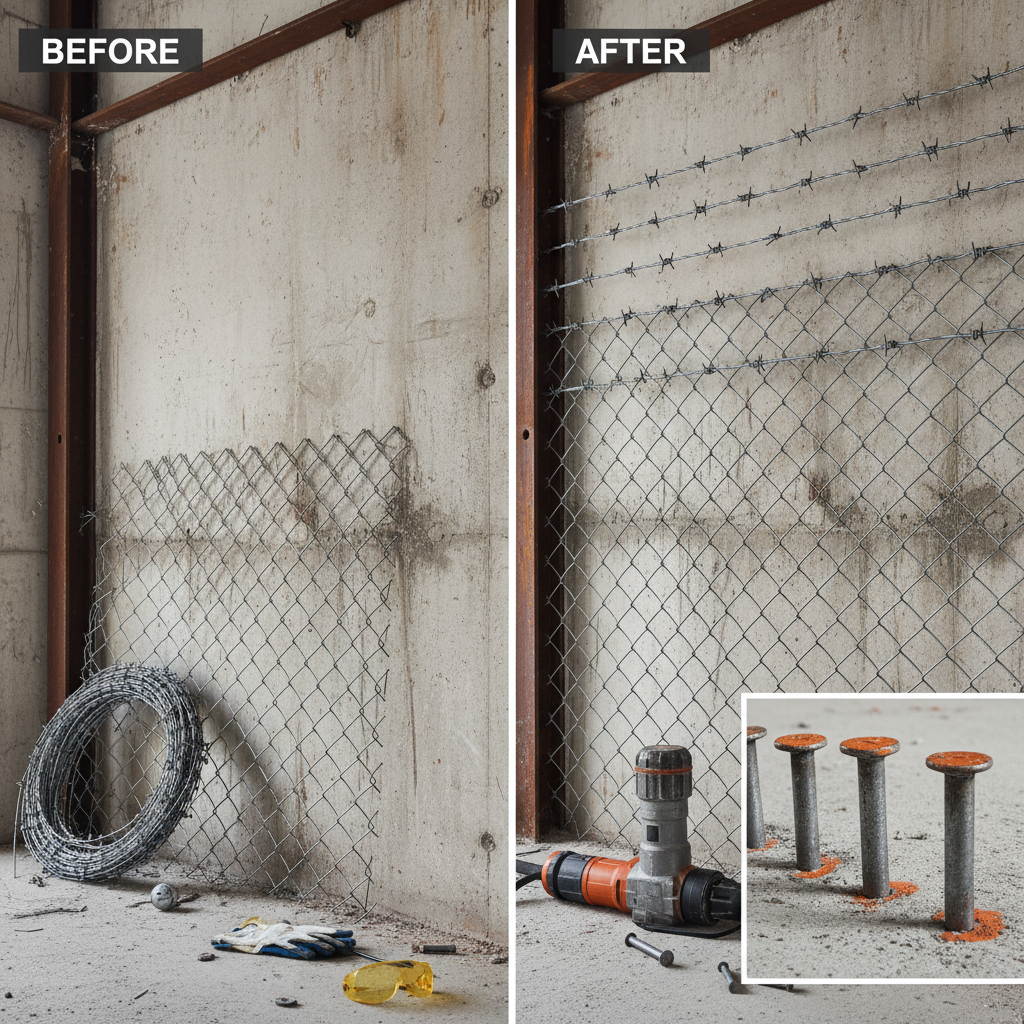
Lead nails are specifically designed for fastening into concrete, brick, and other masonry materials. Unlike traditional steel nails, lead nails are composed primarily of lead, which possesses a lower hardness compared to steel. This seemingly counterintuitive property is precisely what makes them effective – the lead allows the nail to embed into the concrete without causing significant stress or cracking of the surrounding material. They are frequently used in applications where minimizing concrete damage is paramount, such as attaching wood forms for concrete pouring or securing thin materials to masonry walls. The malleability of lead also allows it to conform to minor irregularities in the concrete surface, creating a tighter, more reliable connection.
Key Highlights: Lead’s low hardness prevents cracking of the concrete. Malleability ensures a tighter fit. Ideal for applications where concrete integrity is vital.
Applications of Lead Nails for Concrete
The unique properties of lead nails lend themselves to a variety of specialized applications. Primarily, they are used for securing wood forms during concrete pouring, as they can be easily removed without damaging the hardened concrete. They are also ideal for attaching insulation boards, thin cladding, or other lightweight materials to masonry walls where minimizing disruption to the substrate is important. Another common use is securing temporary fixtures or signage to concrete surfaces. Because of the lead content, they are generally not recommended for structural applications where high load-bearing capacity is required; their strength is primarily in their ability to hold without fracturing the concrete. You can find a wide range of concrete fasteners, including lead nails, at YJDWiremesh.
Common Use Cases:
• Securing wood forms for concrete pouring
• Attaching insulation boards to masonry
• Installing temporary fixtures and signage
• Fastening lightweight cladding to concrete walls
Lead Nails vs. Other Concrete Fasteners: A Comparison
Several alternatives exist for fastening into concrete, each with its own strengths and weaknesses. Compared to hardened steel nails, lead nails minimize cracking, but offer lower shear strength. Concrete screws provide superior holding power but require pre-drilling and can cause more concrete spalling. Expansion anchors are suitable for heavy-duty applications but necessitate a precise hole size and can exert significant pressure on the surrounding concrete. The choice depends on the specific application's load requirements, the desired level of concrete preservation, and the overall project goals. Consider the specific requirements of your project to select the most appropriate fastener. YJDWiremesh offers a complete range of concrete fasteners.
Installation Techniques and Best Practices
Installing lead nails is generally straightforward. Ensure the concrete surface is clean and free of debris. While pre-drilling isn't always necessary, it can be helpful for harder concrete or to prevent splitting. Use a hammer to drive the nail straight into the concrete, applying firm and even pressure. Avoid bending the nail during installation. For optimal results, space nails evenly apart, typically 4-6 inches, depending on the material being secured. When removing lead nails, use a nail puller or pliers, being careful not to damage the surrounding concrete. Always refer to the product specifications for recommended installation guidelines.

Safety Considerations When Working with Lead
Lead is a toxic metal, and proper safety precautions must be taken when handling lead nails. Always wear gloves and a dust mask to avoid inhalation or skin contact with lead particles. Wash your hands thoroughly after handling lead nails, even if gloves were worn. Avoid creating excessive dust during installation or removal. Properly dispose of used lead nails according to local regulations. Consider the potential environmental impact and follow responsible handling practices. For more information on lead safety, consult the EPA's guidelines.
Conclusion: Utilizing Lead Nails Effectively and Safely
Lead nails for concrete offer a unique fastening solution when minimizing concrete damage is critical. While they don't offer the highest shear strength, their low hardness and malleability make them ideal for specific applications. By understanding their properties, applications, and safety considerations, you can utilize lead nails effectively and responsibly. Always prioritize safety and follow best practices to ensure a successful and secure outcome.
Frequently Asked Questions (FAQs)
What types of concrete are lead nails best suited for?
Lead nails perform best in softer, less dense concrete. They are particularly useful for older concrete that may be more brittle. Avoid using them in very hard, high-strength concrete, as they may not embed effectively. Also, consider the aggregate composition of the concrete; a smoother concrete surface will generally yield better results. If you are unsure about the concrete's composition, testing a small area first is advisable.
Are lead nails resistant to corrosion?
Lead exhibits good resistance to corrosion, making lead nails suitable for both indoor and outdoor applications. However, prolonged exposure to certain chemicals or highly acidic environments can eventually cause some corrosion. In most standard construction environments, the corrosion resistance of lead is sufficient to provide a long service life. Regular inspection can help identify any signs of corrosion and allow for timely replacement if necessary.
What is the typical holding power of a lead nail in concrete?
The holding power of a lead nail is significantly lower than that of steel nails or concrete screws. Typical pull-out strength varies depending on the concrete's density and the nail's size, but generally ranges from 5-15 pounds. This makes them suitable for lightweight applications and temporary fixtures, but not for structural load-bearing tasks. Always consult with a structural engineer for critical load-bearing applications.
Where can I purchase high-quality lead nails for concrete?
You can purchase high-quality lead nails from specialized fastener suppliers, construction material retailers, and online distributors. YJDWiremesh is a reliable source for a wide variety of concrete fasteners, including lead nails, and offers competitive pricing and excellent customer service.