Choosing the Right Concrete Nails for Carpet Gripper Installation
Securing carpet gripper effectively is vital for a long-lasting, quiet, and comfortable floor covering. The correct fasteners are essential, and concrete nails for carpet gripper are often the solution when working with concrete subfloors. This article will explore the crucial factors to consider when selecting these nails, different types available, installation tips, and why choosing a reliable supplier like YJDWiremesh can make all the difference. A properly installed carpet gripper system significantly extends the life of your carpet and prevents unwanted movement.
Understanding Concrete Nails for Carpet Gripper
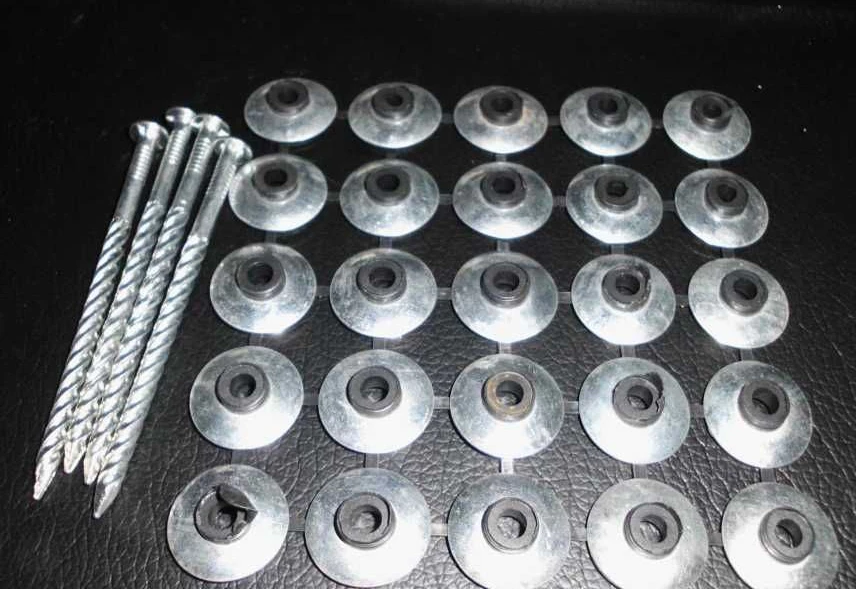
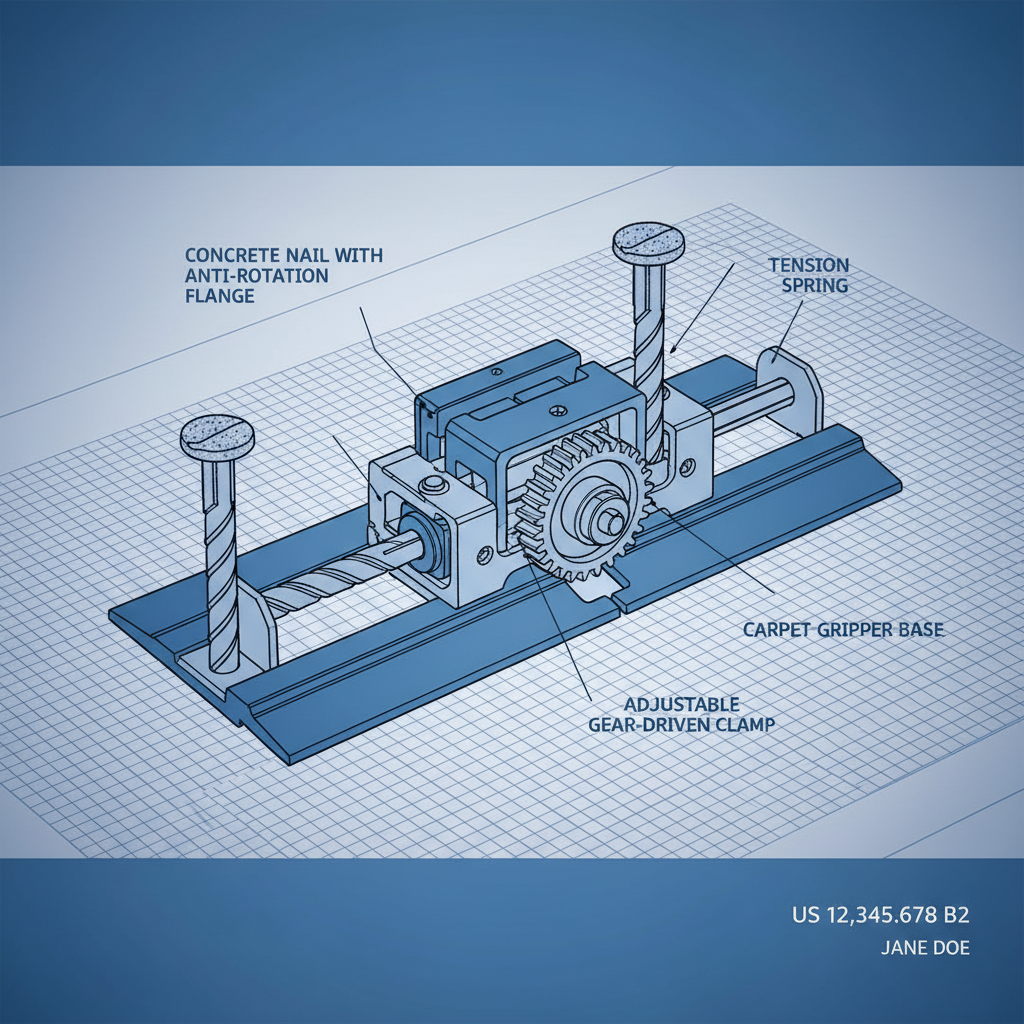
Concrete nails designed for carpet gripper are hardened steel nails specifically engineered to penetrate concrete, wood, and other hard surfaces. Unlike standard nails, they are made from high-carbon steel that's heat-treated for superior strength and resistance to bending or breaking during installation. The shank often features a fluted or ringed design to enhance grip and holding power within the concrete. Choosing the correct length and gauge is paramount; too short, and the nail won’t adequately secure the gripper; too long, and it could penetrate through the subfloor, creating a potential hazard. The concrete nails offered by YJDWiremesh are designed to meet these crucial requirements.
Key Considerations: Selecting the right length, gauge and type of concrete nails for carpet gripper installation. Ensuring a secure and long-lasting installation.
Types of Concrete Nails for Carpet Gripper
Several types of concrete nails are available, each with unique characteristics. These include:
- Hardened Steel Nails: These are the most common and versatile choice, offering a good balance of strength and affordability.
- Ring Shank Nails: Featuring rings along the shank, these nails provide exceptional holding power, ideal for applications where vibration or movement is a concern.
- Fluted Shank Nails: Similar to ring shank nails, fluted shank nails offer increased grip through a spiraled fluting pattern.
- Masonry Nails: Though designed for broader masonry applications, certain masonry nails can be suitable for carpet gripper installation in softer concrete.
The optimal choice depends on the specific concrete type and the level of security required. For demanding applications, ring shank nails generally offer the best performance.
Nail Type Comparison:
• Hardened Steel: Good all-round performance, cost-effective.
• Ring Shank: Superior holding power, best for high-stress applications.
• Fluted Shank: Enhanced grip, suitable for various concrete types.
• Masonry: Versatile, but may not offer the same strength as specialized carpet gripper nails.
Selecting the Right Length and Gauge of Concrete Nails for Carpet Gripper
Determining the appropriate length and gauge is crucial for a secure installation. The nail length should be sufficient to penetrate the concrete at least 1 inch (25mm) after passing through the carpet gripper and the subfloor. Gauge (diameter) affects the nail’s strength – a thicker gauge provides greater holding power but requires more force to drive. Generally, a nail gauge of 8d (3.3mm) to 10d (3.9mm) is suitable for most carpet gripper applications. YJDWiremesh offers a variety of lengths and gauges to suit diverse project needs. Here’s a table illustrating common sizes:
Installation Tips for Optimal Results
Proper installation is as important as choosing the right nails. Always wear safety glasses during installation. Use a masonry nail gun for faster and more consistent results. If using a hammer, ensure a solid striking surface and apply firm, even pressure. Angle the nails slightly towards the gripper for increased holding power. Space the nails approximately 6-8 inches (15-20cm) apart along the length of the gripper. For particularly hard concrete, pre-drilling pilot holes can prevent the nails from bending. Inspect the installation regularly to ensure the nails remain secure.
Why Choose YJDWiremesh for Your Concrete Nail Needs?
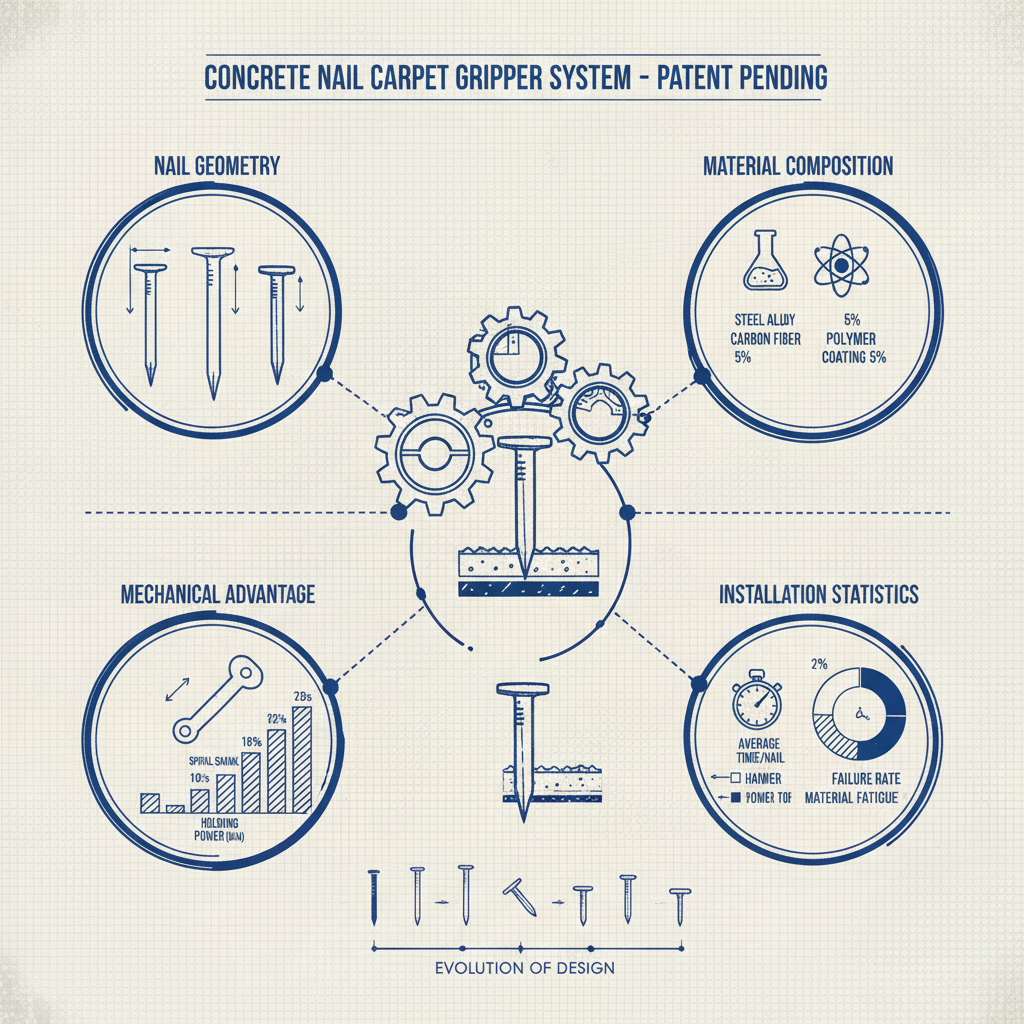
At YJDWiremesh, we pride ourselves on providing high-quality concrete nails for carpet gripper installation. We offer a wide selection of sizes and types to meet your specific project requirements. Our nails are manufactured to stringent quality standards, ensuring exceptional strength and durability. We also offer competitive pricing and fast, reliable shipping. Partnering with a trusted supplier like us ensures you receive consistent, high-performing products you can rely on.
Conclusion: Secure Your Carpet Installation with Quality Concrete Nails
Choosing the right concrete nails for carpet gripper is an investment in the longevity and comfort of your flooring. By understanding the different types, selecting the appropriate size, and following proper installation techniques, you can ensure a secure and long-lasting result. Trust YJDWiremesh for all your fastener needs.
Frequently Asked Questions (FAQs)
What is the best way to prevent concrete nails from bending during installation?
Bending often occurs when encountering particularly hard concrete. Pre-drilling a pilot hole slightly smaller than the nail diameter can significantly reduce bending. Using a nail gun designed for masonry nails also delivers more consistent and controlled force. Ensure you are using nails specifically hardened for concrete applications, as softer nails are more prone to bending. Finally, apply firm, even pressure when hammering to avoid angled strikes.
How often should I inspect the concrete nails after installation?
It's recommended to inspect the nails periodically, particularly in high-traffic areas or areas prone to vibration. Check for any signs of loosening, bending, or damage. A visual inspection every 6-12 months is a good practice. If you notice any issues, immediately replace the affected nails to maintain the security of the carpet gripper system.
Can concrete nails be used on other subfloor materials?
While designed for concrete, concrete nails can sometimes be used on other hard surfaces like tile or wood, but their performance may be compromised. For wood subfloors, using nails specifically designed for wood is always recommended. When installing on tile, exercise extreme caution as the tile is prone to cracking. It's crucial to assess the subfloor material and select the appropriate fastener for optimal results.
Where can I find detailed specifications for YJDWiremesh concrete nails?
Detailed specifications, including dimensions, materials, and load-bearing capacities, are available on the YJDWiremesh website. You can find product datasheets for each nail type within the product listings. Our customer support team is also available to answer any specific questions you may have.