How to Effectively Nail Wood into Concrete: A Professional Guide
Whether you are installing a baseboard, securing a wooden fence, or building a temporary structure, the challenge of how to nail wood into concrete often leaves DIYers and professionals alike searching for the right method. Because concrete is an incredibly hard, brittle material, standard nails simply won't penetrate it. To achieve a secure bond, you need specialized fasteners and the correct technique to prevent the concrete from cracking. In this comprehensive guide, we will explore the best tools, step-by-step methods, and professional tips to ensure your project is structurally sound and durable.
The Right Hardware for Nailing Wood into Concrete
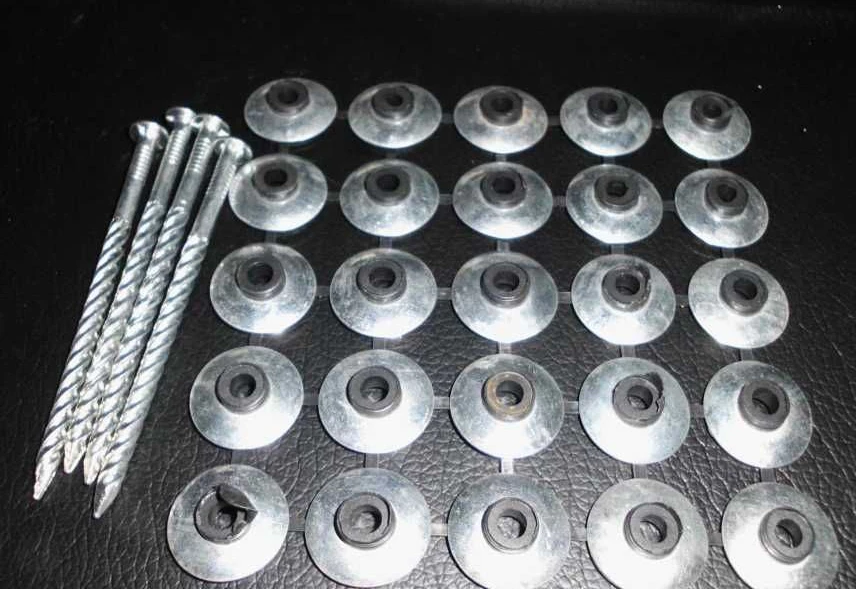
The first rule of construction is using the right tool for the job. You cannot use a standard common nail to nail wood into concrete. Instead, you must use concrete nails, which are made from hardened or tempered steel. These nails are designed to withstand the impact of a hammer without bending and are strong enough to penetrate the dense surface of the concrete. Depending on your project, you might also consider powder-actuated tools (nail guns) for larger industrial jobs, which drive the nail into the surface using a small explosive charge.
Pro Tip: Always choose galvanized concrete nails if your project is outdoors or in a damp area to prevent rust and corrosion over time.
Step-by-Step Process to Nail Wood into Concrete
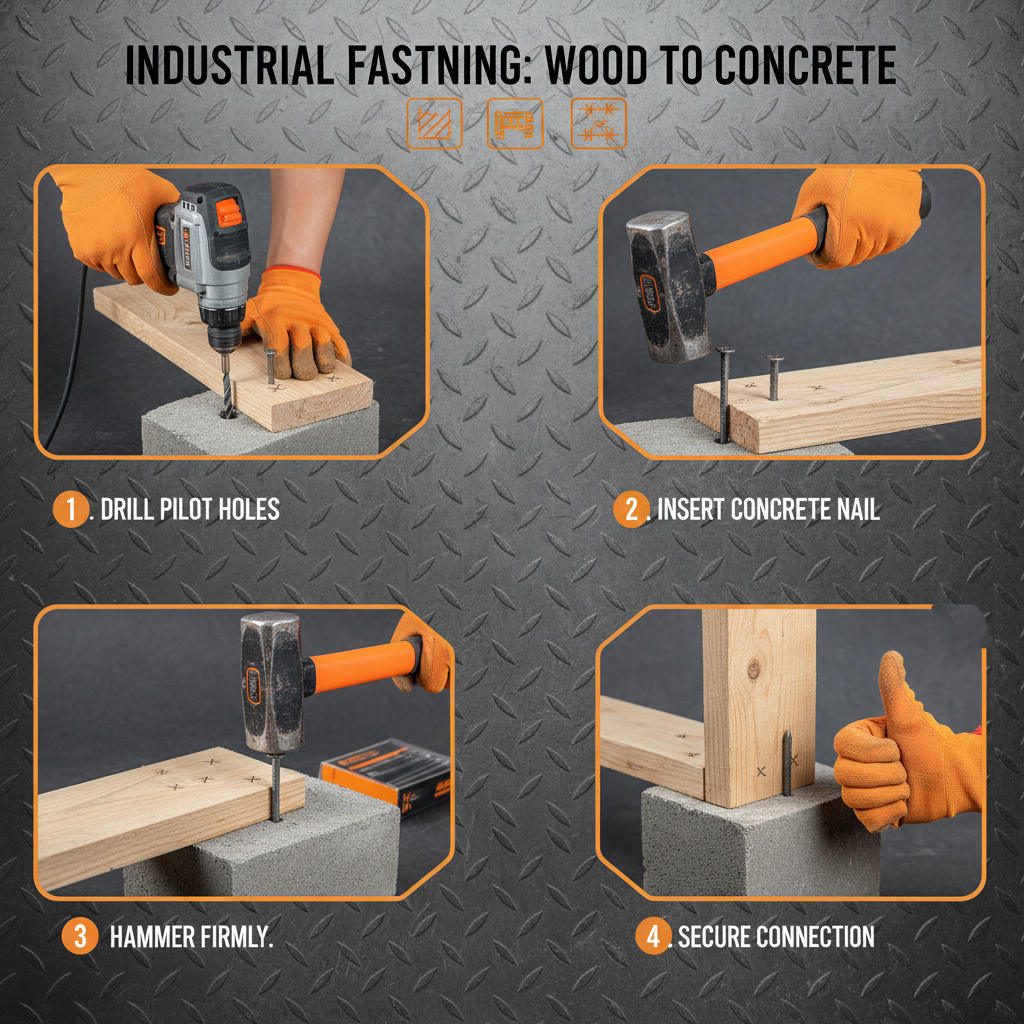
To ensure a clean finish and avoid splitting the wood or cracking the masonry, follow these professional steps. First, mark the exact locations where you want the fasteners. If you are using a hammer, hold the nail firmly and strike it with a quick, decisive blow. If the concrete is particularly hard, you may need to pre-drill a small pilot hole using a masonry bit. This reduces the pressure on the concrete and allows the nail to enter more smoothly. Once the nail is partially driven into the concrete, press the wooden piece firmly against the surface and drive the nail the rest of the way in.
Comparing Fastening Methods for Wood and Concrete
While the goal is to nail wood into concrete, it is important to recognize that nailing isn't always the most secure method. Depending on the load-bearing requirements of your project, you might choose between manual nailing, powder-actuated fasteners, or anchor bolts. For lightweight decorative trim, nails are sufficient. However, for heavy structural beams, an anchor system is essential for safety and stability.
Common Mistakes When You Nail Wood into Concrete
Many people make the mistake of using standard nails, which leads to bent nails and damaged concrete surfaces. Another frequent error is nailing too close to the edge of a concrete slab. When you nail wood into concrete, the impact creates internal stress; if the nail is too close to the edge, the concrete is likely to "spall" or chip away entirely. To avoid this, always maintain a safety distance of at least 2-3 inches from the edge of the concrete.
Avoid These Mistakes:
• Using soft steel nails (which will bend immediately)
• Striking the nail at an angle rather than perfectly perpendicular
• Nailing into heavily reinforced concrete without a pilot hole
• Ignoring the moisture level of the wood (use pressure-treated wood for concrete contact)
Technical Specifications for Concrete Fasteners
Choosing the correct size of the nail depends on the thickness of the wood and the depth of penetration required. Typically, a concrete nail should penetrate the concrete by at least 1 inch to provide a secure hold. The material composition is also critical; hardened steel ensures the nail can slice through the concrete matrix without flattening. Below are the typical specifications used in standard residential and light commercial applications when you nail wood into concrete.
Conclusion: Mastering the Art of Fastening Wood to Concrete
Learning how to nail wood into concrete effectively is all about using the right materials and respecting the nature of the concrete. By choosing hardened steel nails and utilizing pilot holes when necessary, you can create a secure and professional-looking installation. Whether you are working on a small home improvement project or a large-scale construction job, prioritizing the correct fastener and technique will save you time and prevent costly damage to your surfaces. Always remember that for heavy-duty loads, upgrading from nails to anchors is the safest route.
Frequently Asked Questions (FAQs)
Can I use a regular hammer and nail to attach wood to concrete?
No, you cannot use regular common nails. Standard nails are made of softer steel, which will bend or flatten the moment they hit a concrete surface. To successfully attach wood, you must use specialized concrete nails made of hardened steel. These are specifically engineered to penetrate the dense structure of concrete without bending. If the concrete is very high-strength, even these nails may struggle, in which case drilling a pilot hole with a masonry bit is highly recommended to ensure the nail goes in straight and the concrete doesn't crack.
What is the best way to prevent concrete from cracking when nailing?
The most effective way to prevent cracking (spalling) is to avoid nailing too close to the edges of the concrete slab. Always maintain a distance of at least 2 to 3 inches from any edge. Additionally, using a masonry drill bit to create a pilot hole slightly smaller than the diameter of the nail significantly reduces the impact stress on the concrete. This allows the nail to glide into the surface rather than forcing its way through via brute impact, which is the primary cause of structural cracking in older or lower-quality concrete.
Should I use pressure-treated wood when nailing into concrete?
Yes, it is highly recommended. Concrete is porous and naturally absorbs moisture from the ground, which can be transferred directly into the wood via capillary action. If you use standard untreated lumber, it will likely rot or develop mold within a few years. Pressure-treated wood is infused with preservatives that resist decay and insect attacks, making it the only professional choice for any wood-to-concrete application. Furthermore, ensure you use galvanized nails, as the chemicals in pressure-treated wood can corrode standard steel fasteners very quickly.
When should I use screws instead of nails for concrete?
You should switch to screws (specifically masonry screws like Tapcons) when the project requires a stronger hold or a removable connection. Nails are great for permanent, light-duty fixtures, but they provide less "pull-out" resistance. Screws create threads within the concrete, which locks the wood much more securely. If you are installing shelving, heavy cabinets, or any structure that will experience vibration or weight loads, screws are the superior choice. You can find more professional hardware tips and structural solutions by visiting the YJ Wire Mesh official website.