

Iron wire manufacturers play a critical, yet often unseen, role in the global industrial landscape. These manufacturers are the foundational suppliers for a vast array of industries, from construction and agriculture to automotive and security. The demand for high-quality iron wire is consistently strong, driven by its versatility, durability, and cost-effectiveness. Understanding the intricacies of iron wire manufacturing – including material sourcing, production processes, and quality control – is vital for businesses seeking reliable supply chains and innovative solutions. iron wire manufacturers are adapting to evolving market demands with specialized coatings, increased tensile strength, and environmentally conscious production methods.
Globally, the iron wire market is experiencing steady growth, projected to reach billions of dollars in the coming years. This growth is fueled by infrastructure development in emerging economies, increased agricultural needs, and a rising demand for security fencing. Key players in the industry are focusing on technological advancements to improve efficiency, reduce production costs, and enhance product performance. Concerns about sustainability and environmental impact are also driving innovation, with manufacturers exploring the use of recycled materials and implementing greener manufacturing processes. The importance of reliable iron wire manufacturers cannot be overstated, as they directly impact the quality and durability of countless finished products.
From securing vital infrastructure to supporting agricultural yields and providing essential components for everyday products, iron wire touches countless aspects of modern life. Choosing a reputable and experienced iron wire manufacturers ensures a consistent supply of materials that meet stringent quality standards and contribute to the success of diverse industries. This seemingly simple material is, in reality, a cornerstone of global economic activity.
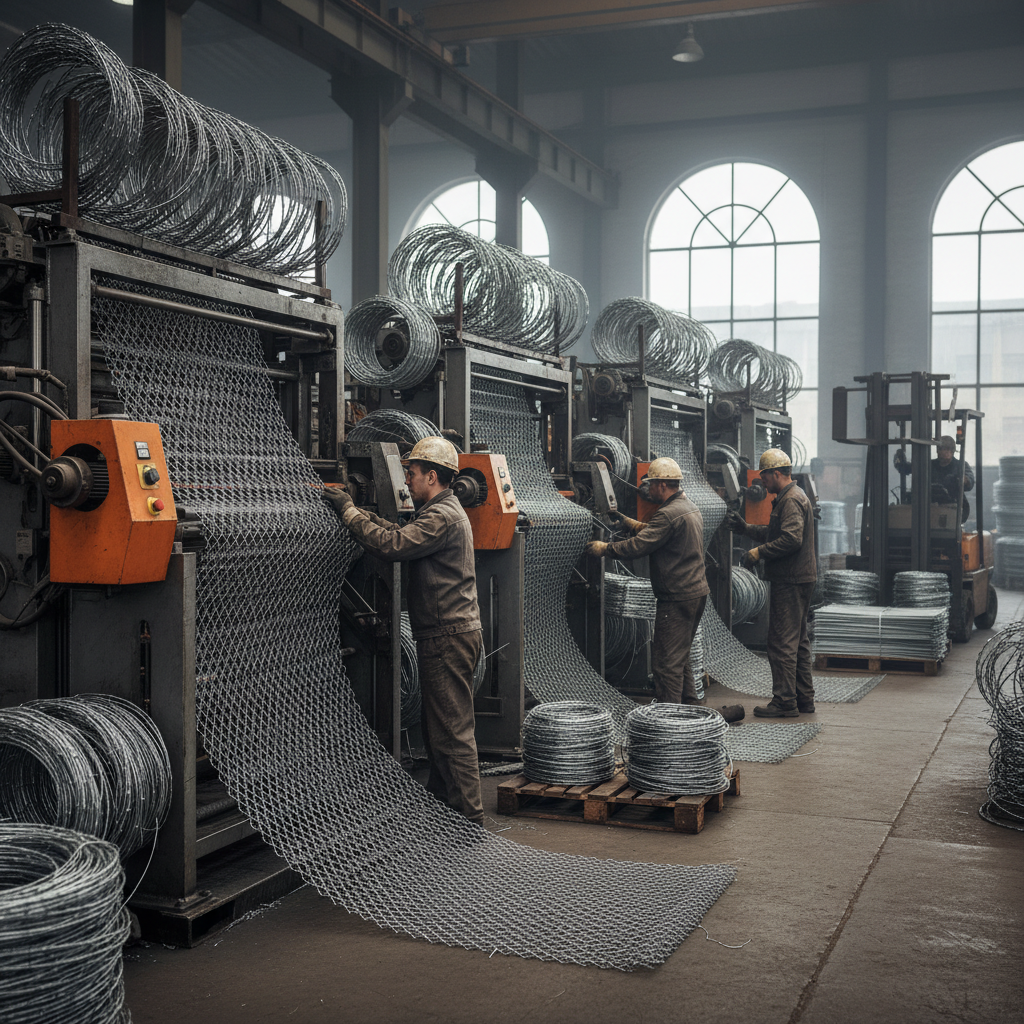
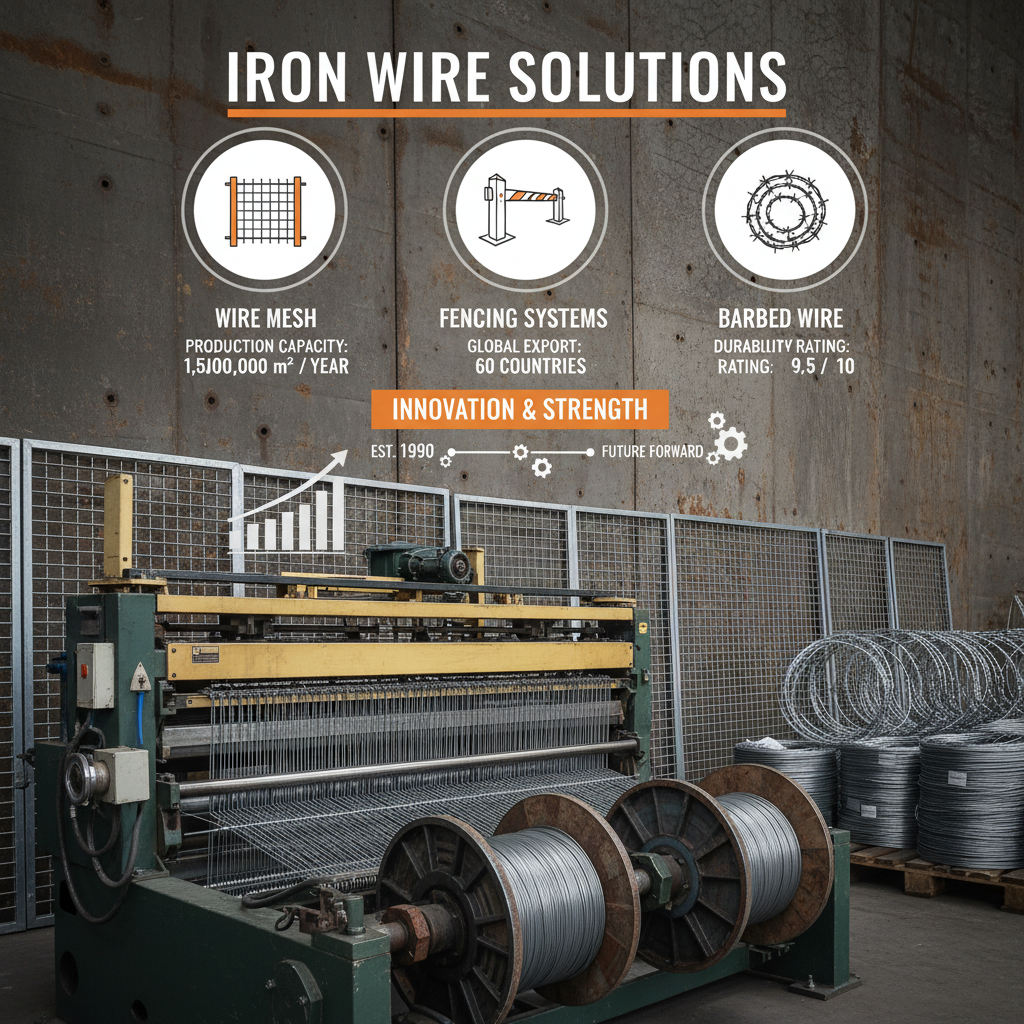
Iron wire manufacturers are vital to a diverse range of industries. They provide the raw material for products as varied as fencing, cables, construction reinforcement, and even specialized applications in the automotive and aerospace sectors. The quality and consistency of iron wire directly impacts the performance and longevity of these end products. Choosing a reliable iron wire manufacturers is, therefore, a crucial strategic decision for businesses across multiple verticals.
The global supply chain relies heavily on the efficiency and resilience of iron wire manufacturers. Disruptions in the supply of this seemingly simple material can have cascading effects on various industries, highlighting the importance of establishing strong relationships with dependable suppliers. Manufacturers are increasingly focused on optimizing their production processes and diversifying their sourcing to mitigate risk and ensure consistent supply.
When evaluating iron wire manufacturers, look for certifications like ISO 9001 (quality management systems), ISO 14001 (environmental management), and relevant industry-specific standards (e.g., ASTM for specific wire gauges and coatings). These certifications demonstrate a commitment to quality control, environmental responsibility, and adherence to established standards, ensuring you receive a reliable and consistent product.
Lead times for large orders can vary significantly depending on the quantity, wire gauge, coating requirements, and the manufacturer’s current production schedule. Typically, expect a lead time of 2-6 weeks for substantial orders. Communicating your specific needs and deadlines clearly with the iron wire manufacturers will help ensure timely delivery and avoid potential delays.
Corrosion resistance is typically achieved through galvanizing (coating with zinc) or applying other protective coatings like epoxy or PVC. The thickness of the coating directly impacts the level of corrosion protection. When requesting quotes, specify the desired coating type and thickness to ensure the wire is suitable for your intended environment and application. Reputable iron wire manufacturers will offer guidance on the best coating options.
Low-carbon steel wire is more ductile and easier to form, making it suitable for applications like binding and weaving. High-carbon steel wire possesses greater strength and hardness, making it ideal for applications requiring high tensile strength, such as springs and cable reinforcement. The choice between the two depends entirely on the specific application’s requirements. iron wire manufacturers can help you select the appropriate type.
Many iron wire manufacturers offer custom wire forming services, including bending, cutting, welding, and shaping the wire to specific dimensions and configurations. This can save you time and resources by eliminating the need for in-house fabrication. Be sure to inquire about their capabilities and provide detailed specifications for your desired wire forms.
Increasingly, iron wire manufacturers are adopting sustainable practices like utilizing recycled iron in their production processes, implementing energy-efficient manufacturing techniques, and reducing waste generation. Look for manufacturers with environmental certifications and a commitment to responsible sourcing and production methods.
In conclusion, iron wire manufacturers are a cornerstone of numerous global industries, providing essential materials for construction, agriculture, security, and countless other applications. Understanding the factors that contribute to high-quality iron wire production – including durability, tensile strength, and sustainable practices – is crucial for businesses seeking reliable supply chains and long-term value. Selecting a reputable and experienced manufacturer is a strategic decision that directly impacts the performance and longevity of finished products.
As we look to the future, the industry will continue to evolve with advancements in automation, digitalization, and environmentally conscious manufacturing. By embracing innovation and prioritizing sustainability, iron wire manufacturers will play an increasingly important role in building a more resilient and sustainable future. Visit our website today to learn more about our iron wire products and services: www.yjdwiremesh.com