Nailing Through Concrete: A Comprehensive Guide
Successfully nailing through concrete requires understanding the right techniques, tools, and safety precautions. This isn’t your typical woodworking task! Concrete is a dense, abrasive material, and standard nails won't suffice. This guide will explore everything from choosing the correct nails and hammers to mastering the technique and ensuring a secure hold. We'll also cover safety measures to protect yourself during the process. Understanding the nuances of this process is critical for any construction or repair project involving concrete.

Choosing the Right Nails for Concrete
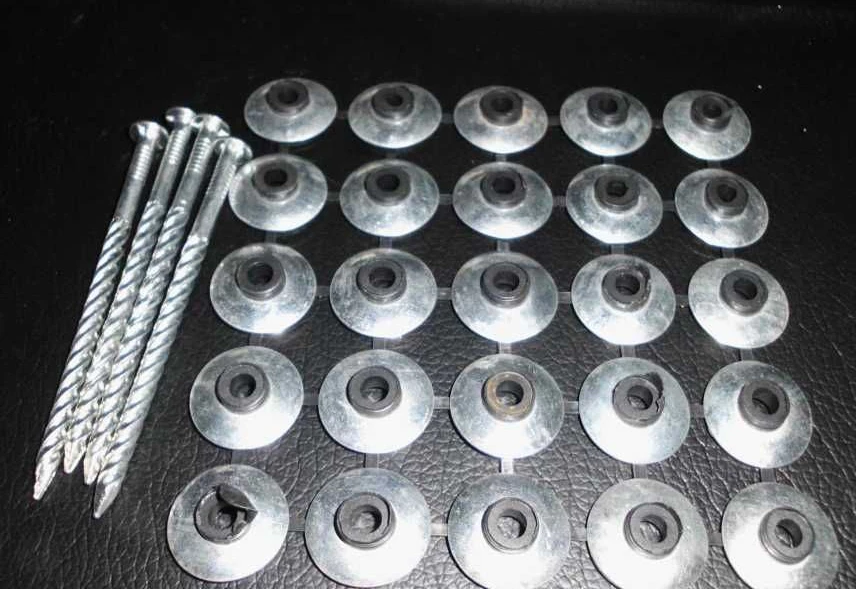
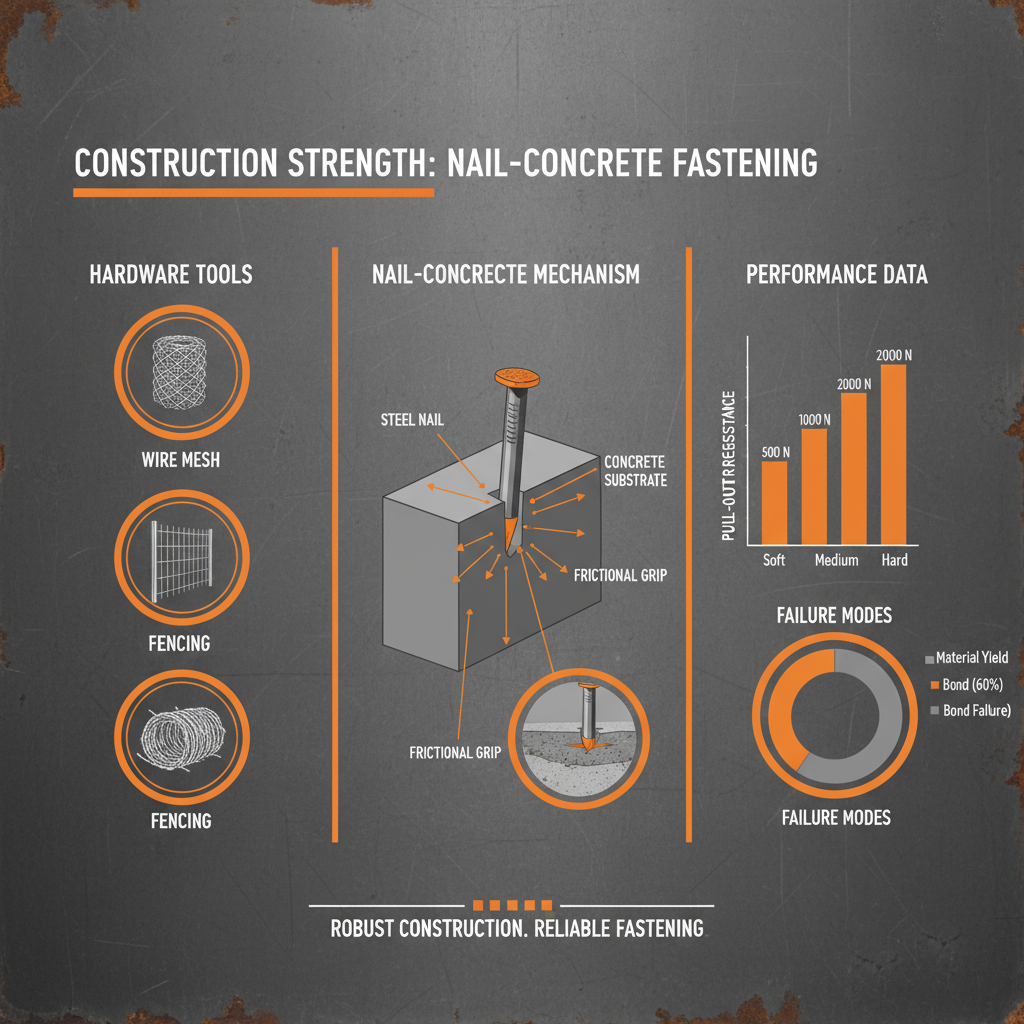
The first, and arguably most crucial, step is selecting the appropriate nails. Forget about common nails – you need specialized fasteners designed to penetrate and grip concrete. The two main types are concrete nails (hardened steel) and masonry nails. Concrete nails are generally hardened steel nails designed to be driven directly into concrete. Masonry nails, while usable, are better suited for softer masonry materials like brick or block. When choosing, consider the nail’s length, diameter (gauge), and shank type. Longer, thicker nails offer better holding power, while ring-shanked or spiral-shanked nails provide superior resistance to pull-out.
Key Highlights: Specialized fasteners are crucial for success. Consider nail length, diameter, and shank type for optimal grip.
Essential Tools for the Job
Having the right tools will significantly simplify the process and improve your results. You’ll need a hammer (a heavy-duty claw hammer is ideal), a masonry drill (with a concrete drill bit slightly smaller than the nail diameter – this helps create a pilot hole, especially for harder concrete), safety glasses (absolutely essential!), work gloves, and potentially a center punch to start the nail accurately. A good-quality hammer with a comfortable grip will reduce fatigue, and a masonry drill will prevent you from damaging your hammer and wasting energy.
Tool Checklist:
• Heavy-duty claw hammer
• Masonry drill & concrete bit
• Safety glasses
• Work gloves
The Correct Technique for Nailing Through Concrete
The technique involves a few key steps. First, mark the desired nail location. If the concrete is particularly hard, drill a pilot hole using the masonry drill. This reduces the effort required and prevents the concrete from cracking. Position the nail, using a center punch if needed for accuracy. Then, apply firm, consistent pressure while hammering. Avoid glancing blows – aim straight for the nail head. Continue hammering until the nail is driven to the desired depth. If the nail bends over, stop and try a new nail at a slightly different angle.
Safety First: Precautions to Take
Safety should be your top priority. Always wear safety glasses to protect your eyes from flying debris. Work gloves will protect your hands from abrasion and impact. Be mindful of your surroundings and ensure no one is within range of the hammering area. If you're working with a power drill, use appropriate ear protection. And remember, if you're unsure about any aspect of the process, consult a professional. Ignoring safety precautions can lead to serious injury.
When to Call a Professional
While nailing through concrete can be a DIY project, there are times when it's best to call in a professional. If you're dealing with thick, heavily reinforced concrete, or if the project requires a large number of nails, a professional will have the expertise and equipment to complete the job safely and efficiently. They can also assess the structural integrity of the concrete and ensure that the nailing process doesn't compromise it. Don't hesitate to seek professional help if you're uncomfortable or unsure about any aspect of the task. You can find quality materials and service at YJDWiremesh.com.
Conclusion: Mastering the Art of Nailing Through Concrete
Nailing through concrete is a skill that requires the right tools, techniques, and a strong commitment to safety. By following the guidelines outlined in this article, you can successfully complete your projects and achieve a secure, lasting hold. Remember to prioritize safety, choose the appropriate nails, and don't hesitate to seek professional help when needed.
Frequently Asked Questions (FAQs)
Can I nail through concrete without drilling a pilot hole?
While it’s possible to nail directly into concrete, especially softer varieties, drilling a pilot hole is highly recommended. It significantly reduces the effort required, minimizes the risk of bending the nail, and prevents the concrete from cracking or chipping. For harder concrete, a pilot hole is essential. Using a drill bit slightly smaller than the nail diameter creates a clear path for the nail, ensuring a straighter, more secure hold. Without a pilot hole, you're relying solely on the nail's force to fracture the concrete, which is often inefficient and can lead to damage.
What should I do if a nail bends over while hammering?
If a nail bends over, stop hammering immediately. Continuing to force it will likely cause it to break or damage the surrounding concrete. Try to remove the bent nail using a nail puller or the claw of your hammer. If it’s deeply embedded, you may need to drill around it carefully. Once removed, use a fresh nail and position it at a slightly different angle. Consider drilling a pilot hole if you haven't already, as this can prevent future bending. Remember, safety first – avoid trying to straighten a bent nail as it weakens the metal and increases the risk of breakage.
What are ring-shanked and spiral-shanked nails, and why are they better?
Ring-shanked and spiral-shanked nails have ridges along their shank (the body of the nail). These ridges create significantly more friction when driven into the concrete, providing a much stronger and more secure hold compared to smooth-shanked nails. The ridges essentially "bite" into the concrete, resisting pull-out forces. They are particularly useful in applications where the nail will be subjected to stress or vibration. While they may require slightly more effort to drive, the increased holding power is well worth it.
Is there a difference between concrete nails and masonry nails?
Yes, there is a key difference. Concrete nails are specifically hardened to penetrate dense concrete effectively. Masonry nails, while also hardened, are generally designed for softer masonry materials like brick, block, or stone. They may not have the necessary strength to penetrate and hold securely in solid concrete. While you can technically use masonry nails in concrete, concrete nails are the preferred choice for superior holding power and reliability. Choosing the right nail for the material is critical for a safe and lasting connection.