Why the 3d wire mesh panel still wins jobs in 2025
If you’ve ever walked along a school perimeter or a logistics park fence and thought “that looks clean, rigid, and oddly elegant,” you were probably looking at a 3d wire mesh panel. I’ve specified these panels on projects from coastal depots to inland substations, and, to be honest, they’ve become the pragmatic choice for that sweet spot between price, performance, and curb appeal.
What it is and where it comes from
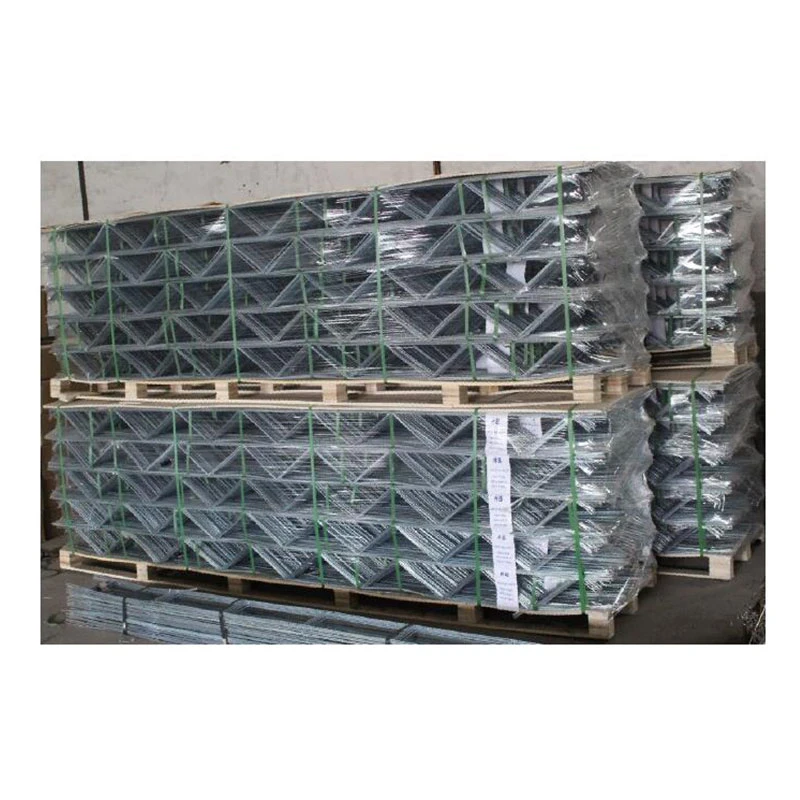
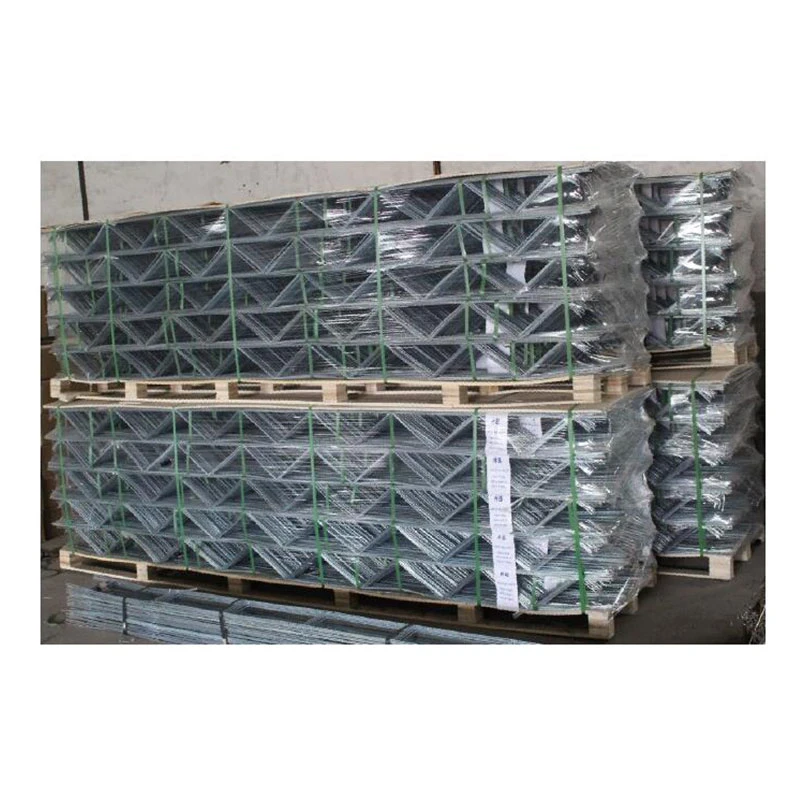
Origin: Building Material Production Base Shenze, Shijiazhuang, Hebei, China. The core is low-carbon steel wire, resistance-welded into a rigid mesh and then formed with V-bends for stiffness. The manufacturer spec here notes steel wire diameter Ø3mm (3.8mm optional), licensed by KSM O802, zinc-coated, with tensile strength quoted around 60–120 kg/cm2 (real-world batches vary a bit, which is normal). In practice that covers the mainstream perimeter and light security use cases.
Industry trends I’m seeing
- Shift toward thicker top wires (3.8–4.0 mm) on high-traffic sites.
- Powder coatings with higher UV stability (think Qualicoat-class polyesters).
- Documented salt-spray performance for coastal bids (ISO 9227 becoming a checkbox).
- Pre-engineered kits: panel + post + clamp sets to cut install time.
Typical specifications
| Panel width | ≈ 2000–2500 mm |
| Panel height | 1030 / 1230 / 1530 / 1730 / 2030 mm (others on request) |
| Wire diameter | Ø3.0 mm (3.8 mm option) |
| Mesh opening | 50×200 mm ≈ standard |
| V-bend ribs | 2–5 ribs depending on height |
| Coating | Pre-galv + powder; hot-dip galvanized (ISO 1461); or Zn-Al alloy (EN 10244-2 Class A/C) |
| Colors | RAL 6005, 7016, 9005; custom ≈ available |
| Posts | Square/Rectangle with clamp sets; M8–M10 hardware |
| Compliance | ASTM A641, EN 10223-7, ISO 9227, ISO 1461 (as configured) |
How it’s made (short version)
Materials: Q195/Q235 low-carbon wire. Process flow:
- Wire drawing and straightening
- Resistance welding (controlled parameters for consistent nugget size)
- V-bend forming for panel rigidity
- Surface prep: pickling/degassing
- Coating: hot-dip galvanizing (ISO 1461) or Zn-coated + polyester powder (≈70–100 μm)
- Inspection, labeling, palletized packing
Testing and data (typical, not a guarantee): weld shear ≈ 2.5–4.5 kN on Ø3–3.8 mm; adhesion ISO 2409 grade 0–1; salt spray 500–1000 h per ISO 9227 depending on system; zinc thickness per ISO 1461 or EN 10244-2. Service life: inland 15–25 years; coastal 8–15 years (maintenance matters).
Where people actually use them
- Logistics parks and warehouses (forklift-friendly, good visibility)
- Schools and sports grounds (no blind spots; ball impact resistant)
- Highways and rail corridors (fast install, limited right-of-way)
- Utilities and light industry (low to medium security tiers)
- Farming and animal enclosures (powder coat holds up well)
Feedback I’ve heard: many customers say the rigidity-to-weight ratio is the clincher; installers like the forgiving tolerances; buyers like the predictable lead times.
Vendor snapshot (my quick compare)
| Vendor | Strengths | Watch-outs |
|---|---|---|
| YJD Wire Mesh (Shenze, Hebei) | Solid weld consistency; hot-dip or powder options; documented ISO 9227 tests; flexible sizing | Peak-season slots fill quickly—book ahead |
| Generic Importer | Low MOQ, aggressive pricing | Spec drift (wire dia/coating) unless QC is tight |
| OEM Fence Shop | Local stock; rapid replacements | Limited custom colors and rib patterns |
Customization notes
Tweakable knobs include mesh aperture, rib count, wire diameter, post geometry, and coating system. For coastal projects, I usually specify hot-dip galvanizing + polyester topcoat. For fast installs, pre-clamped posts save hours per run.
Case snippets
- Tianjin logistics park: 2.4 m high, 4 ribs, powder over Zn; installers reported ≈20% faster setup vs chain-link.
- School retrofit in Jiangsu: 1.8 m, RAL 6005; zero panel replacements after two sports seasons, just a rinse.
Bottom line: the 3d wire mesh panel blends clean aesthetics, realistic durability, and predictable install time. Not glamorous, sure, but reliably effective—exactly what most sites need.
Authoritative references
- ISO 1461: Hot dip galvanized coatings on fabricated iron and steel articles.
- ISO 9227: Corrosion tests in artificial atmospheres—Salt spray tests.
- EN 10244-2: Steel wire and wire products—Non-ferrous metallic coatings.
- EN 10223-7: Steel wire and wire products for fences.
- ASTM A641/A641M: Zinc-Coated (Galvanized) Carbon Steel Wire.
- ISO 2409: Paints and varnishes—Cross-cut test (adhesion).