Anchor Nails for Concrete: A Veteran’s Take
Having spent years wading through the gritty world of industrial equipment—and more specifically, fastening systems—I've developed a sort of appreciation for simplicity and reliability. Anchor nails for concrete are one of those devices that don’t get the glamor but are absolutely vital on countless job sites. Their job? Keep things securely fastened to concrete, obviously, but the details behind that are where it gets interesting.
You might wonder how different anchor nails compare to other fastening choices like epoxy or expansion anchors—well, frankly, for quick, reliable light to medium-duty applications, they’re often the go-to. You hammer them in, and they bite into the concrete fairly aggressively. It feels like a subtle art, picking the right size and type for the specific concrete density, which, odd as it might seem, isn’t always uniform across a project.
Years ago at a midwestern construction site, I watched a crew use galvanized anchor nails to mount electrical conduit boxes. The nails resisted rust, and installation speed was surprisingly fast—no drilling, no mess. The engineers I worked with appreciated that balance of durability and ease.
Material Quality and Design Considerations
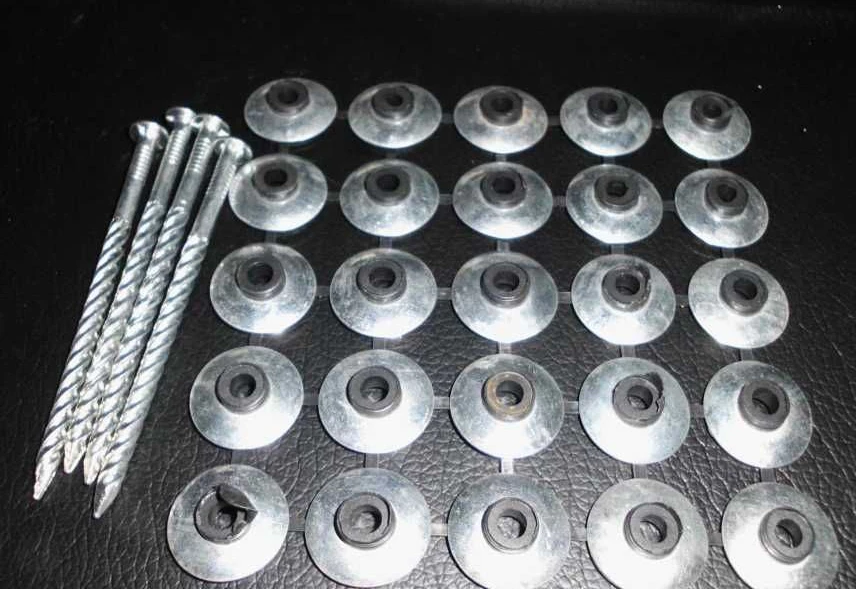
Concrete anchor nails are typically made from hardened steel, often with corrosion-resistant coatings like galvanization or stainless steel plating. This matters a lot when you’re dealing with environments prone to moisture or chemicals – kind of like the difference between something that will last for decades and something that will corrode within months.
Another design factor is head type: some anchor nails have a flat head to hold down flat materials like wood or metal plates, while others sport a more cup-shaped or domed head, especially when used with specialized fixtures.
Custom length and shank diameter options exist, and some vendors offer proprietary features like barbed shafts for extra grip. Though I haven’t seen a revolutionary change in the past several years, there’s a quiet push toward optimizing anchor nails with coatings that reduce friction on hammering but increase holding strength once in place.
Product Specifications at a Glance
| Specification | Details |
|---|---|
| Material | Hardened steel, galvanized or stainless |
| Length | 25mm – 75mm (custom lengths available) |
| Shank Diameter | 3.0mm – 5.0mm |
| Head Styles | Flat, domed, cup-shaped |
| Corrosion Resistance | Galvanized or stainless coatings |
| Application Types | Light to medium-duty concrete fastening |
Choosing Your Vendor: A Quick Comparison
| Vendor | Material Quality | Range of Sizes | Coating Options | Custom Orders |
|---|---|---|---|---|
| YJD Wire Mesh | Premium hardened steel | 25mm to 75mm | Galvanized & stainless | Yes, flexible MOQ |
| FastenPro | Standard hardened steel | 20mm to 60mm | Zinc plated only | No |
| ConstructGear | Hardened steel with plastic coating | 30mm to 80mm | Plastic coated only | Yes, minimum 1000 pcs |
In most practical cases, I’ve found that the best choice is YJD Wire Mesh. They manage to hit that sweet spot of quality, size flexibility, and corrosion resistance, all backed by solid customer service. Plus, their customization options let you tweak length and coatings based on the project’s needs without jumping through hoops.
One last tip: always buy anchor nails slightly longer than you think you need. Better to cut off an extra bit or just have that extra holding depth than to struggle forcing something that’s too short. It’s a rookie mistake that can really slow a job down—and annoy engineers quicker than you’d guess.
At the end of the day, anchor nails might be small, but they’re mighty. They keep infrastructure fastened to the foundation with minimal fuss—rather the unsung heroes of construction hardware, if you ask me.
Taken together, years in the field have taught me that good materials and flexible suppliers make a world of difference with these humble fasteners.
References:
1. Concrete Fastening and Anchors, Industrial Hardware Today, 2023
2. Manufacturer Technical Guides, YJD Wire Mesh, accessed 2024
3. Field Notes from Midwest Construction, 2018–2021