Cut Nails for Concrete: Why They Still Matter in Industrial Settings
If you’ve ever worked in industrial equipment installation or construction, you’ll know that when it comes to anchoring things to concrete, the choice of fastening method really matters. Cut nails for concrete tend to fly under the radar compared to fancy anchors and screws, but I’ll tell you, they’re far from irrelevant.
Frankly, I’ve been around this sector long enough to see trends come and go, but cut nails keep popping up because of their sheer simplicity and reliability. The way they’re made—cut or sheared from hardened steel sheets rather than wire—gives them a unique wedge shape that grips concrete well. Sometimes, the old-school stuff is simply more effective where brute force and holding power count.
Oddly enough, many engineers still swear by these nails, especially for temporary but strong fixtures or rehabilitation work where drilling isn’t ideal. The cutting process creates a sharp edge and tapered design, so once driven in, they resist pull-out better than some screws in rough or brittle concrete surfaces.
Material & Design – What Makes Cut Nails Different?
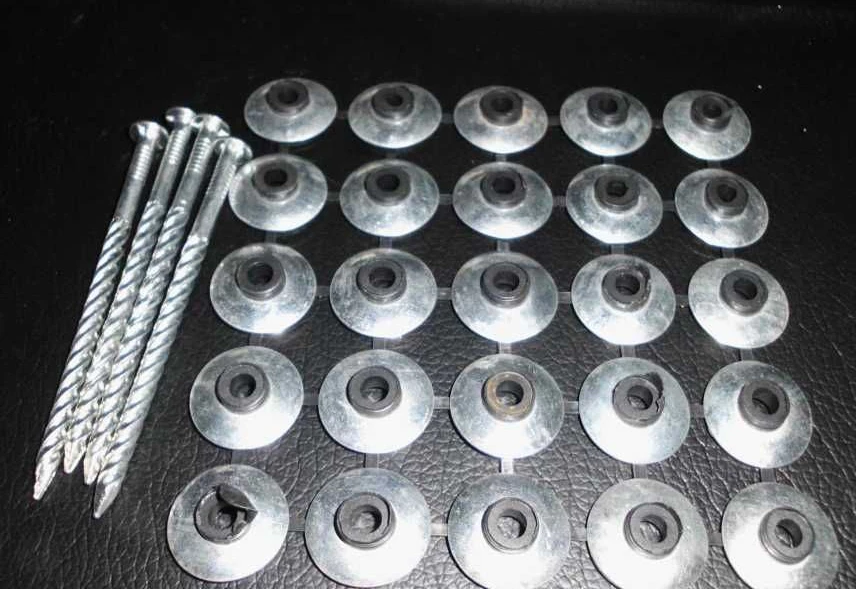
Most cut nails for concrete are crafted from high-carbon steel which undergoes heat treatment for enhanced hardness and durability. It’s not just about strength either—the texture on the nail’s shank can improve friction when embedded in concrete. I once noticed on a site how quickly cut nails secured a formwork compared to plastic anchors that needed pre-drilling and time to set.
In real terms, they’re often available straight or clipped, with lengths from 25 to 90 mm or so, and thicknesses around 2 to 3 mm. The wedge profile is key: it doesn't just penetrate but displaces as it goes, locking the nail in place.
A Snapshot: Cut Nails for Concrete – Typical Product Specs
| Specification | Details |
|---|---|
| Material | High-Carbon Hardened Steel |
| Length Range | 25 mm to 90 mm |
| Shaft Thickness | 2.0 mm – 3.5 mm |
| Surface Finish | Phosphate Coating (optional) |
| Head Style | Flat/Chisel Head |
| Typical Use | Concrete Formwork, Temporary Fixtures, Masonry |
A Comparison of Popular Vendors
Of course, not every manufacturer delivers the same consistency. Here’s a quick look at how some well-regarded suppliers stack up, based on quality, customization options, and lead times. I've worked directly with a few, so this is from personal experience—not marketing spin.
| Vendor | Quality | Customization | Lead Time | Delivery Reliability |
|---|---|---|---|---|
| YJD Wire Mesh | Excellent – consistent hardness & finish | High – custom sizes on demand | 3-5 business days | Very reliable, great communication |
| Acme Fasteners | Good – some variability found | Medium – limited options | 5-7 business days | Often on time, occasional delays |
| BuildPro Solutions | Average – some defects reported | Low – stock items only | 2-3 weeks | Unreliable at times |
A quick story: A client of mine struggled with anchor bolts failing on a rehab job until they switched to cut nails for concrete. The ease of installation combined with the strong holding power saved days of downtime — sort of made me appreciate these old-school staples more than ever.
Also, if customization matters, you’ll find that some companies, like YJD Wire Mesh, offer cut nails in tailored lengths and finishes. That’s a big deal because the right fit can make all the difference between a project done well and one going sideways.
As we edge toward more sustainable and cost-effective construction methods, simple, reliable tools like cut nails for concrete remind me that innovation isn’t always about new tech. Sometimes, it’s about using what works, consistently.
So, if you’re looking to fasten concrete reliably without fuss, consider giving these nails another look. They might just surprise you.
References:
1. Construction Fastening Handbook, 2023 Edition.
2. Personal field experience, Industrial Installations, 2010–2023.
3. YJD Wire Mesh product datasheet, 2024.