Understanding GI Wire Price: Why It Matters More Than Ever
Galvanized iron wire—or GI wire, as it’s usually called—is one of those unassuming materials that quietly prop up entire industries worldwide. Knowing the gi wire price isn’t just for buyers or manufacturers. It matters globally because it directly impacts construction, agriculture, manufacturing, and even humanitarian efforts where cost-efficiency and durability are critical. Just think: a small change in the cost of galvanized wire material can ripple out, affecting fence prices, infrastructure projects, or protective casing for cables.
Before you shrug it off, consider this — the gi wire price is a key barometer of raw material trends, international trade shifts, and even emerging tech in materials science. That’s why understanding it is not only practical, it’s strategic.
The Global Context of GI Wire Price
Worldwide demand for galvanized iron wire continues steady growth, driven largely by rising urbanization and infrastructure projects, especially in Asia and Africa. According to the UNIDO reports, over 60% of infrastructure spending in developing countries involves some form of metal wire mesh or fencing — where GI wire is a staple component. Of course, the World Bank also underscores how price fluctuations in steel affect developing economies’ construction costs significantly.
But here’s the kicker — price volatility in GI wire, influenced by steel scrap costs and energy prices, creates major headaches. For instance, a sudden steel price jump can derail fencing projects or delay supply contracts — problems that cascade through sectors like agriculture and manufacturing.
Mini takeaway: The global gi wire price is a pulse check on industrial health, especially in construction and agriculture supply chains.
What Exactly Is GI Wire Price?
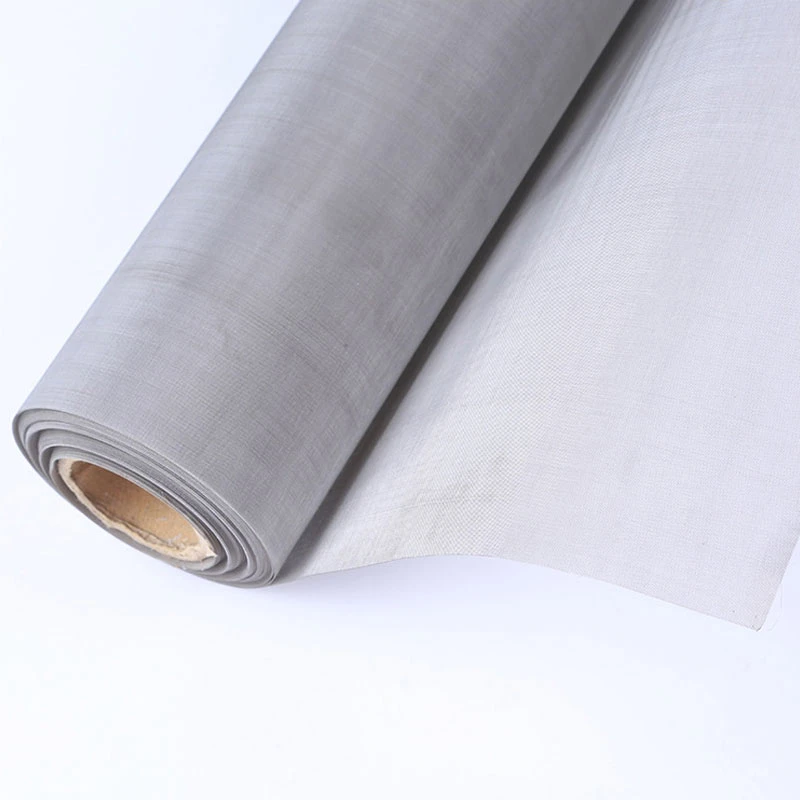
Simply put, the gi wire price refers to the current market cost for galvanized iron wire, a core steel product coated with zinc to prevent rusting. This zinc coating extends the product's lifespan dramatically, making the wire ideal for diverse uses from fencing to reinforcement.
It’s that zinc layer that connects GI wire to many modern needs—without it, the wire would corrode fast, meaning shorter equipment life, increased maintenance, and higher costs in the long run. So, when you see “gi wire price,” you’re looking at something that reflects raw material costs, coating quality, and manufacturing standards.
Key Factors Shaping GI Wire Price
1. Raw Material Quality
The base steel’s grade and the zinc purity for galvanization significantly impact cost. Higher-grade steel means better tensile strength but also a heftier price tag.
2. Coating Thickness
Thicker zinc coatings raise corrosion resistance — indispensable in coastal or industrial areas — but they also add to the production cost and thus the final price.
3. Manufacturing Process & Labor
Automated processes can reduce labor cost, but initial equipment investment is high. Labor costs also vary by region, affecting vendor pricing.
4. Market Demand & Supply Chain
Steel scrap availability, transportation costs, and tariffs can swing prices wildly. For example, during the pandemic, supply chain disruptions sent steel wire prices upward sharply.
5. Product Specifications
Different diameters, coil weights, and packaging impact costs. Customization for special uses often means higher prices.
6. Environmental Regulations
New global sustainability standards drive manufacturers towards greener galvanizing methods — often increasing short-term costs but promising long-term savings and carbon footprint reduction.
Mini takeaway: GI wire pricing boils down to a fusion of raw materials, engineering specs, and market forces — with a dash of environmental policy.
Real-World Applications of GI Wire: From Farms to Frontlines
GI wire’s versatility is astonishing. You’ll find it in:
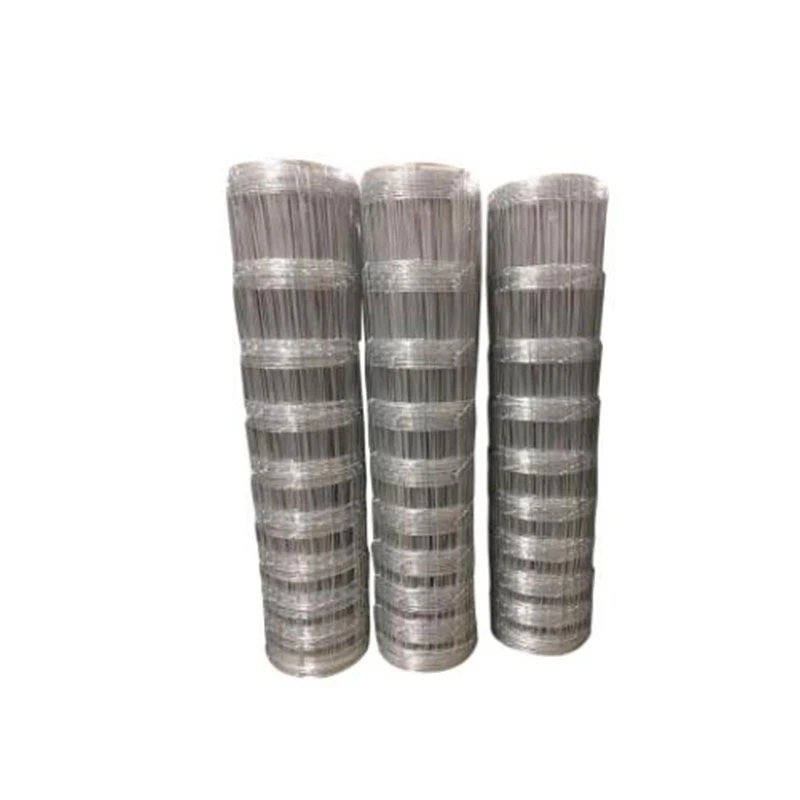
- Agriculture: Livestock fencing, trellises, crop protection meshes.
- Construction: Reinforcement for concrete, scaffolding ties, safety barriers.
- Utilities: Cable support, transformers’ protective meshes.
- Disaster Relief: Quick-to-deploy fencing and protective barriers in emergency zones.
- Manufacturing: Component cages, racks, and conveyor belts.
In post-disaster relief operations, for example, the availability of affordable, durable GI wire can mean the difference between quick recovery and drawn-out vulnerability. Oddly enough, in remote industrial zones of Southeast Asia, firms depend on trusted local pricing of galvanized wire to manage tight budgets without sacrificing quality.
Mini takeaway: GI wire pricing shapes the feasibility of projects across different regions and sectors — from simple farm needs to complex industrial and humanitarian applications.
Advantages and the Long-Term Value Behind GI Wire Pricing
Let’s be frank: upfront cost isn’t the only hard number to focus on. Here’s what really counts:
- Cost-efficiency: Zinc coating means less rust and maintenance, so less frequent replacement.
- Durability: Performs well in harsh weather, coastal salt air, or corrosive industrial zones.
- Sustainability: Many vendors now use recycled steel and eco-friendly coatings.
- Social Impact: Affordable fencing keeps livestock safe, protecting livelihoods.
- Reliability: Consistent GI wire pricing means planners can budget with confidence.
Emotionally, contractors or farmers often mention “peace of mind” when the GI wire price isn’t just cheap but paired with good quality. It’s about trust and avoiding costly project delays. In a way, the price signals stability, which is oddly reassuring in volatile markets.
The Cutting Edge: Future Trends Impacting GI Wire Price
Looking ahead, several innovations could shake up the GI wire price landscape:
- Green galvanizing: New coating technologies reduce energy and waste, potentially lowering costs long term.
- Digital supply chains: AI and blockchain could optimize pricing transparency and cut middlemen.
- Lightweight alloys: Hybrid wires blending zinc with other metals for stronger, lighter products.
- Automation in production: Smarter manufacturing reduces errors, waste, and variable labor costs.
Both sustainability and automation promises could mean the gi wire price becomes more predictable and kinda friendlier on the environment. That’s the dream.
Challenges Around GI Wire Price and How They’re Being Addressed
Admittedly, price volatility, supply chain disruptions, and quality inconsistencies have been major challenges. But the industry is tackling these by:
- Building diverse source contracts to mitigate raw material shortages
- Partnering with tech firms to track pricing and supply in real-time
- Standardizing product specs globally to avoid confusion or fraud
- Adopting more sustainable processes to meet increasingly strict environmental regulations
So while GI wire price swings may still spook buyers, these solutions bring more stability and confidence to long-term projects.
Frequently Asked Questions About GI Wire Price
- What factors cause sudden changes in GI wire prices?
- Price changes often stem from fluctuations in steel raw material costs, energy prices used in manufacturing, supply chain disruptions, and geopolitical tariffs.
- How does coating thickness affect the price of GI wire?
- Thicker zinc coatings improve corrosion resistance but add to manufacturing costs, resulting in a slightly higher GI wire price.
- Is GI wire price cheaper when bought in bulk?
- Yes, suppliers usually offer discounts for large volume orders, reducing the per kilogram GI wire price.
- Can GI wire price vary by region?
- Absolutely. Labor costs, transport fees, tariffs, and local demand all influence regional GI wire prices.
- How do environmental regulations affect GI wire price?
- Stricter regulations push manufacturers to adopt greener methods, which may increase short-term costs but improve sustainability and brand value long-term.
GI Wire Price in Perspective: Final Thoughts
Understanding the gi wire price boils down to more than just numbers — it reflects a complex interplay of materials, manufacturing, global economics, and even social impact. For businesses large and small, staying informed about this pricing can mean smarter buying decisions and stronger project outcomes.
Curious to get current pricing details and product specs? Take a look at the table below or visit our website for extensive options.
| Specification | Details |
|---|---|
| Material | Low carbon steel wire, hot-dipped galvanized |
| Diameter | 0.5 mm - 6.0 mm |
| Coating Thickness | 40 - 275 g/m² (zinc coating) |
| Typical Coil Weight | 25 - 300 kg |
| Tensile Strength | 350 - 550 MPa |
| Supplier | Price Range (per kg) | Quality Certification | Delivery Time | Sustainability Practices |
|---|---|---|---|---|
| Supplier A | $1.2 - $1.5 | ISO 9001 | 7–10 days | Recycled steel usage |
| Supplier B | $1.4 - $1.7 | ISO 14001 | 5–8 days | Green galvanizing tech |
| Supplier C | $1.1 - $1.4 | ISO 9001, RoHS | 10–14 days | Standard galvanization |
Understanding the dynamics of gi wire price means tuning into a bigger story about economies, resources, and innovation. It’s not just a commodity, it’s a vital thread in building a more resilient world.
Want to stay updated with reliable gi wire price info? Swing by our website anytime.