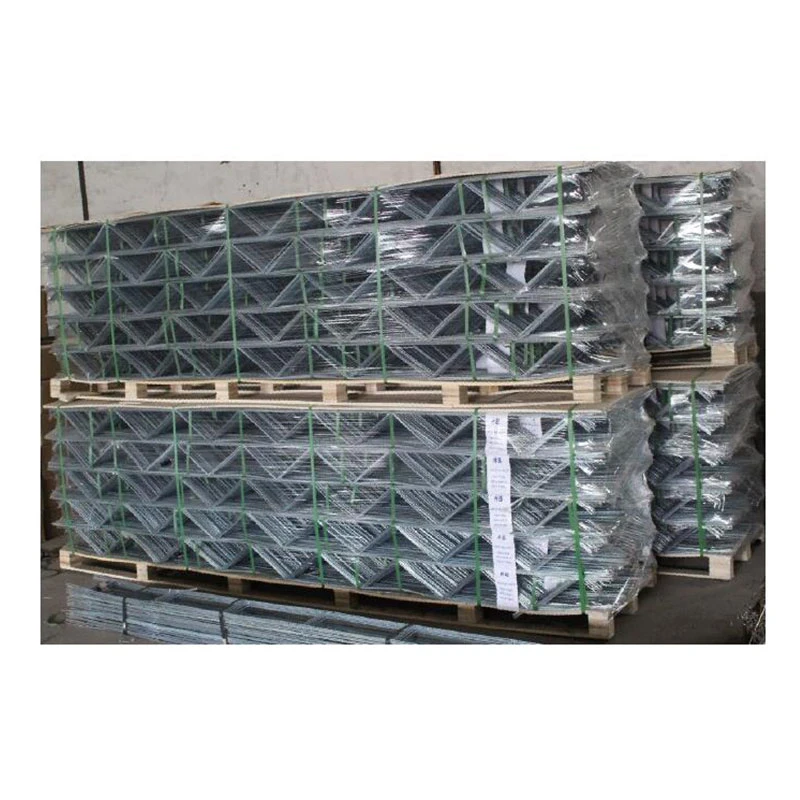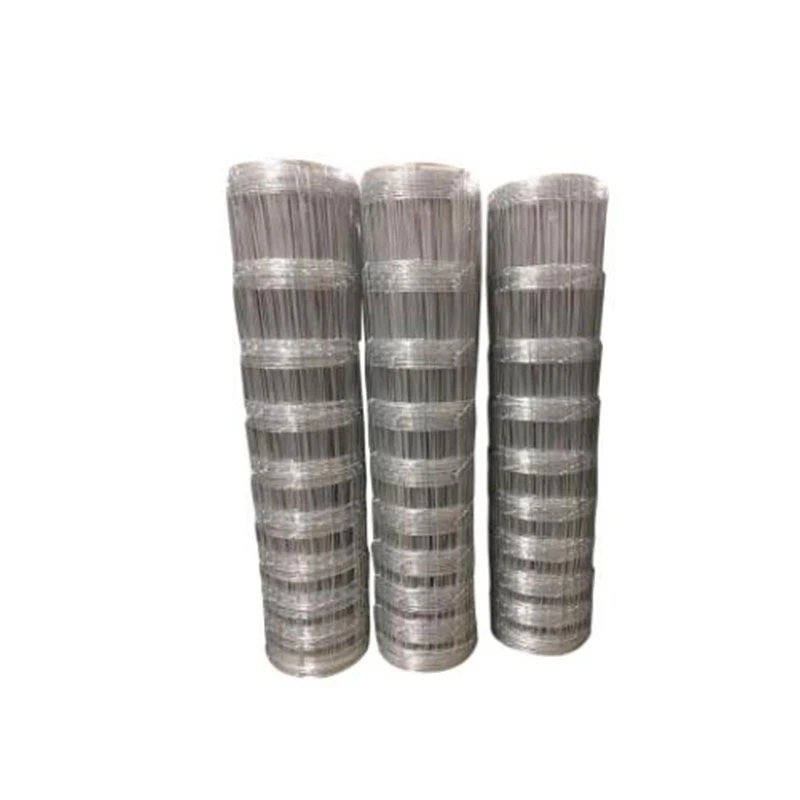
The Real Impact of Galvanized Wire Price: Why It Matters Worldwide
If you’ve ever glanced at fencing, construction frameworks, or even some electrical cables, chances are you’ve encountered galvanized wire. But why does the galvanized wire price suddenly pop up as a headline in industry discussions and supply chain meetings globally? The answer is simple yet surprisingly complex: it’s more than just metal wire — it’s a backbone of modern infrastructure, agriculture, and even humanitarian aid. Understanding how the price of galvanized wire behaves offers insights into global economics, sustainability, and industrial progress.
Globally, galvanized wire not only protects steel from corrosion but also supports countless industries that keep economies ticking. From farm fencing in sub-Saharan Africa to reinforced structures in rapidly urbanizing Asian megacities, fluctuations in galvanized wire price ripple through markets, affecting costs, innovation, and access to vital materials.
Global Context: Why Galvanized Wire Price Commands Attention
To grasp why galvanized wire price has become a hot topic, you need to appreciate its global footprint. According to the World Bank, industries relying on durable metal products contribute around 15% to global GDP, and galvanized wire is a small yet crucial slice of that pie. As countries push infrastructure investments (roads, bridges, fencing) upward, demand for galvanized wire surges.
Still, challenges linger. Raw material shortages like zinc (used for galvanizing), fluctuating energy costs during production, and geopolitical tensions create an unpredictable market for galvanized wire price. This uncertainty can delay projects, increase costs, and force manufacturers to look for alternatives — which sometimes compromises quality or sustainability.
What Is Galvanized Wire Price? Breaking It Down
Simply put, galvanized wire price refers to the market cost of steel wire coated with a protective layer of zinc—a process called galvanization—measured typically per kilogram or ton. This price reflects not just the base steel cost but also zinc prices, labor, production overhead, and logistics.
This coating isn’t just decorative. It guards the wire against rust, dramatically expanding its usability outdoors or in harsh environments. That’s why galvanized wire is essential in sectors from construction — reinforcing concrete or creating mesh — to agriculture for fencing and containment.
Oddly enough, price shifts in galvanized wire hint at wider market ripple effects: inflation in metals, shifts in trade tariffs, and sustainability efforts all play in.
The Core Factors Behind Galvanized Wire Price
1. Raw Material Costs
Steel and zinc prices lead the charge in setting galvanized wire price. Zinc’s global supply chain is notoriously sensitive to mining outputs and demand in battery and construction sectors.
2. Manufacturing Processes
From hot-dip galvanizing to electro-galvanizing, the method affects durability and price—including labor and energy costs.
3. Quality & Specifications
Wire diameter, coating thickness, tensile strength, and certifications (like ISO 9001) factor heavily into price fluctuations.
4. Transportation and Logistics
Material is bulky and often shipped internationally, so fuel prices and port delays add unpredictability to the end cost.
5. Market Demand & Regional Factors
Urbanization, infrastructure projects, and geopolitical policies can drive sudden surges or drops in galvanized wire price.
Global Applications of Galvanized Wire: More Than Just Fencing
Once you dive into the uses of galvanized wire, you realize it’s everywhere. Consider:
- Agriculture: Protecting livestock and crops with durable fencing, especially in drought-prone or humid climates.
- Construction: Reinforcing concrete with wire mesh that withstands weather cycles for decades.
- Disaster Relief: NGOs use wire mesh for quick setup of temporary shelters and sanitation facilities — where durability matters.
- Transportation: Guardrails and cable restraints rely on galvanized wire for safety.
Regions like Southeast Asia and Eastern Europe increasingly depend on galvanized wire due to urban sprawl and industry growth. Meanwhile, places like Australia leverage it extensively in rural fencing — a testament to its versatility.
Product Specification Table
| Specification | Typical Range | Notes |
|---|---|---|
| Wire Diameter | 0.5 mm – 8 mm | Thinner for fencing; thicker for construction mesh |
| Zinc Coating Thickness | 45–275 g/m² (Hot-dip) | Higher coating boosts corrosion resistance |
| Tensile Strength | 300–800 MPa | Depends on steel grade and wire type |
| Packaging | Coils, spools, straight lengths | Customized by application |
Comparing Leading Vendors of Galvanized Wire
| Vendor | Price Range (per kg) | Quality Certification | Primary Markets | Lead Time |
|---|---|---|---|---|
| YJD Wire Mesh | $1.1 - $1.5 | ISO 9001, ASTM | Asia, Europe, Africa | 2-4 weeks |
| Global Metal Co. | $1.3 - $1.7 | ISO 14001, CE | North America, Europe | 3-5 weeks |
| SteelPro Wire | $1.0 - $1.4 | ISO 9001 | Global | 1-3 weeks |
Long-Term Benefits: Why Investing in Quality Galvanized Wire Pays Off
First off, galvanized wire extends the lifespan of fencing and structural frameworks, reducing the need for frequent replacements. That cuts down maintenance costs and, frankly, frustration.
There’s also an environmental gain; less corrosion means less scrap and waste. Plus, sustainable sourcing and more efficient galvanizing methods are reducing carbon footprints, meeting increasingly strict environmental regulations worldwide.
From a social standpoint, safety and trust matter. Farmers, construction workers, and urban planners rely on the wire’s durability to protect property and lives. And when you factor in innovations making galvanized wire more cost-effective and scalable, it’s no wonder the price remains a closely watched metric.
Looking Ahead: Trends Shaping Galvanized Wire Price
Here’s something intriguing: the move toward zero-carbon steel manufacturing promises to shift cost dynamics dramatically. Energy-efficient furnaces, electrolytic zinc coating alternatives, and digital tracking for supply chain transparency are emerging.
Automation in wire production lines is also enabling narrower price margins with better quality control — a win for buyers who want consistent galvanized wire price without sacrificing performance.
Finally, as governments push infrastructure projects as economic stabilizers post-pandemic, demand looks set to steady or grow — so expect galvanized wire price to remain a hot topic.
Common Challenges and Smart Solutions
One real thorn has been unpredictable zinc price spikes causing supply chain headaches. Some producers are experimenting with hybrid coatings or thinner layers to trim costs without sacrificing durability.
Then there’s the logistics bottleneck: hardware shortages and port delays compound issues. A good solution is regional production hubs — by decentralizing, companies lessen risk and stabilize galvanized wire price.
Frequently Asked Questions About Galvanized Wire Price
- What determines the biggest fluctuations in galvanized wire price?
- The most significant factors are zinc and steel raw material costs, energy prices for production, and transportation expenses. Global economic shifts or mining disruptions often lead to price changes.
- Is hot-dip galvanizing more expensive than electro-galvanizing?
- Typically, yes. Hot-dip galvanizing offers thicker zinc layers and better corrosion resistance but involves higher labor and energy costs, pushing the galvanized wire price higher than electro-galvanized equivalents.
- How can I ensure consistent galvanized wire quality while managing budget?
- Look for vendors with ISO certifications and transparent manufacturing processes. Bulk purchasing and maintaining good supplier relationships also help balance cost and quality.
- Can galvanized wire be recycled, and does that affect price?
- Absolutely. Steel and zinc can be recycled without significant quality loss. Recycling helps reduce raw material demand, indirectly stabilizing galvanized wire price over time.
- Where can I find reliable market forecasts for galvanized wire price?
- Industry reports from metal market analysts, trade publications, and organizations like the ISO provide detailed insights for planning purchases.
Wrapping It Up: Why Watching Galvanized Wire Price Pays Off
In the end, galvanized wire price is far from a dry commodity figure. It’s a complex indicator of how materials, industry, and innovation intersect globally. Keeping an eye on it helps industries stay ahead in cost control, sustainability, and quality — essential factors in today’s shifting economic environment.
For specialists and buyers who want reliability and competitive pricing, exploring proven vendors like YJD Wire Mesh is a smart move. Their blend of quality certifications and flexible supply options make managing galvanized wire price less of a headache.
If you want to dive deeper or source galvanized wire at competitive rates, visit YJD Wire Mesh today.
References: