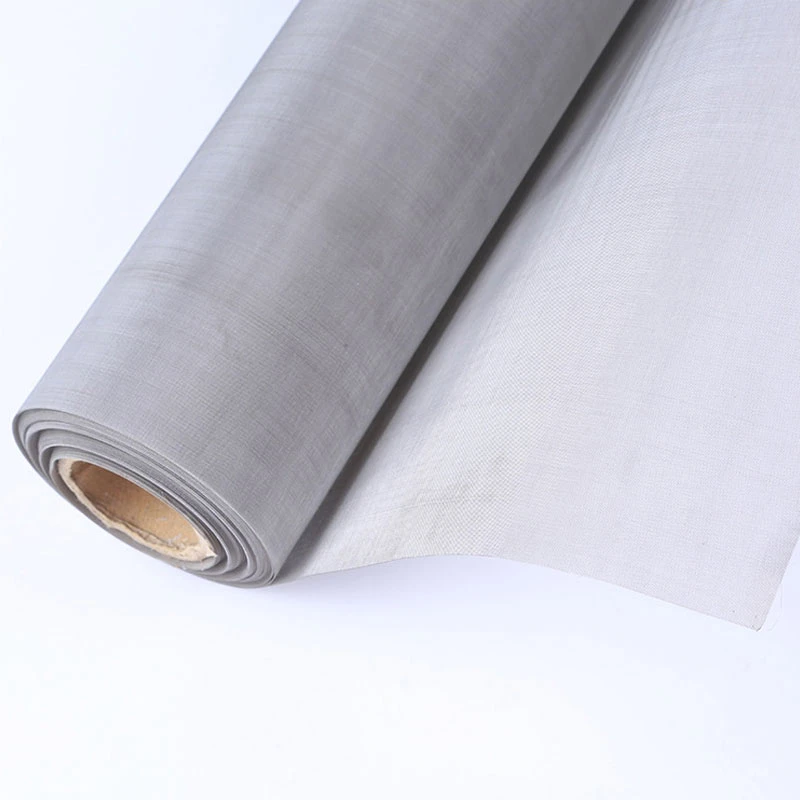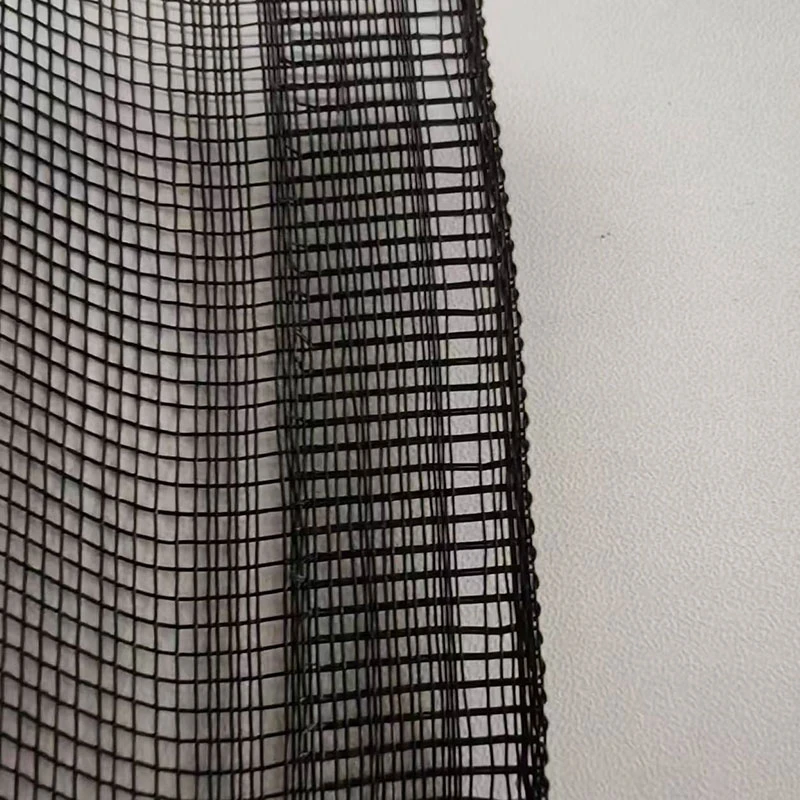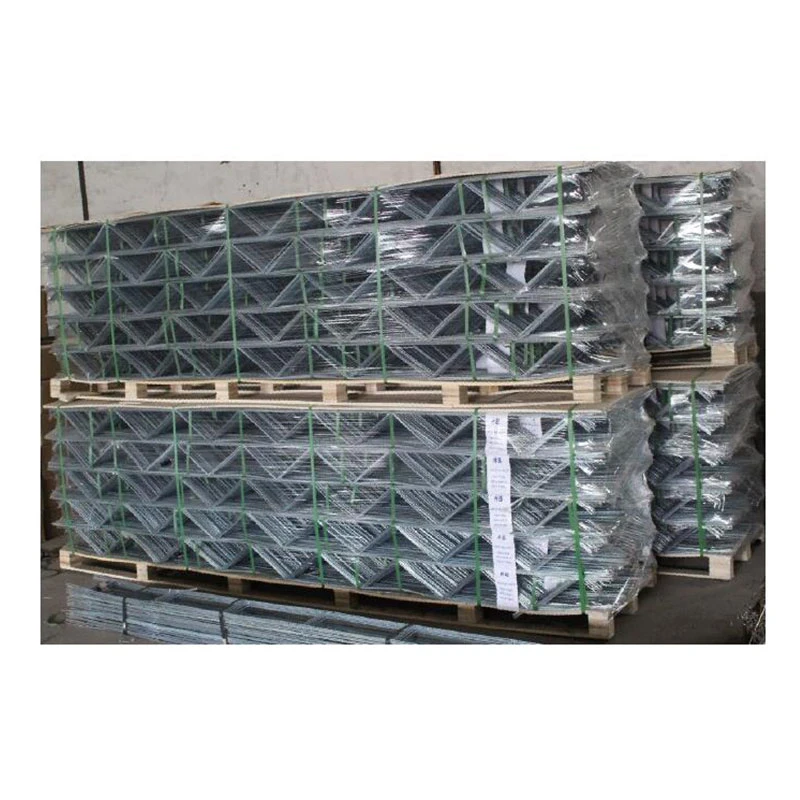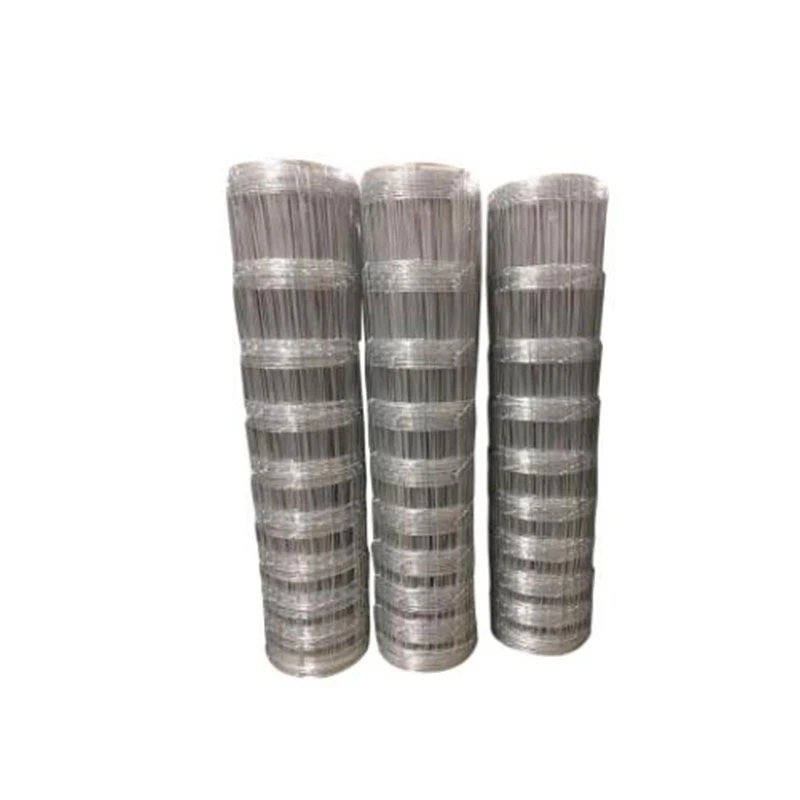
Understanding 14 Gauge Binding Wire: Essential for Modern Industry and Construction
In the sprawling world of construction, manufacturing, and agriculture, some materials quietly do the heavy lifting without much spotlight. 14 gauge binding wire is one such unsung hero. It plays a vital role in holding structures together, ensuring safety and stability across countless projects worldwide.
Why does understanding this particular gauge of binding wire matter? Well, globally, construction industries have grown tremendously—in 2023 alone, the global construction market was valued at approximately $13 trillion according to the UN’s data. Materials like 14 gauge binding wire ensure that this growth happens securely and efficiently, helping projects both big and small stay intact.
Introduction: The Global Context and Challenges
Oddly enough, while you may not see it prominently advertised, binding wire underpins much of our infrastructure and daily life. From skyscrapers in developed cities to emergency shelters in remote regions, binding wire’s role is indisputable. The challenge, frankly, lies in sourcing reliable, cost-effective wire that can handle diverse environmental and mechanical stresses.
With increasing urbanization—especially in Asia and Africa—the demand for strong, adaptable materials grows. Construction projects in disaster-prone or resource-limited areas rely heavily on something sturdy yet flexible, which is where 14 gauge binding wire shines.
What is 14 Gauge Binding Wire?
Put simply, 14 gauge binding wire refers to a type of metal wire roughly 1.63 mm in diameter. The term “gauge” dictates the thickness—the smaller the gauge, the thicker the wire. It’s made usually from galvanized iron or annealed steel, meaning it’s treated to resist rust and improve flexibility respectively.
This wire contracts or stretches to tie rebar, wire mesh, or construction material together. In humanitarian work, it’s often used to secure temporary fencing or fasten tarps and shelters quickly. So, it’s not just industrial but also a key player in humanitarian logistics.
Core Properties of 14 Gauge Binding Wire
Durability
This wire’s galvanized coating protects against corrosion, making it suitable even in humid or rainy conditions. Durability results in longer-lasting bonds that keep structures dependable over time.
Flexibility and Ease of Use
As much as it needs to hold things tight, the wire must be bendable enough for manual or machine tying. The 14 gauge hits the sweet spot between strength and pliability.
Cost Efficiency
Reasonably priced material means projects, even with limited budgets, can still afford robust binding solutions without cutting corners.
Standardized Sizing
The consistency in thickness and length allows engineers and construction workers to predict performance accurately—a vital aspect when safety can’t be compromised.
Mini Takeaway:
- 14 gauge binding wire is durable, flexible, and cost-effective.
- Standard sizing ensures predictable strength and ease of use.
Global Applications & Real-World Use Cases
Concrete reinforcement tops the list—builders use 14 gauge binding wire to securely tie steel rebars before pouring concrete. In agricultural zones, it supports fencing for livestock or crops, especially in vast rural regions like Sub-Saharan Africa where fencing materials need longevity and affordability.
Humanitarian agencies like the United Nations High Commissioner for Refugees (UNHCR) also rely on binding wire for rapid construction of shelters post-disasters. Recently, in the aftermath of the 2023 floods in South Asia, binding wire helped teams erect sturdy, temporary barracks that resisted wind and rain.
Advantages & Long-Term Benefits
There’s a lot to love here—from economic savings due to less wire wastage and re-tying, to sustainability, since galvanized wire resists rust and degradation, reducing replacements. Socially, there’s an implicit trust that structures tied with quality wire will withstand daily use and harsh conditions, enhancing safety and dignity for workers and dwellers alike.
Product Specifications for 14 Gauge Binding Wire
| Specification | Details |
|---|---|
| Diameter | 1.63 mm (14 gauge) |
| Material | Galvanized iron / Annealed steel |
| Length per roll | 250-300 meters |
| Tensile strength | ~380-550 MPa |
| Coating | Galvanized zinc coating (varies by vendor) |
Vendor Comparison: Sourcing 14 Gauge Binding Wire
| Vendor | Price per Roll | Steel Grade | Coating Thickness (microns) | Delivery Time |
|---|---|---|---|---|
| YJD Wire Mesh | $45 | Q195 | 40-60 | 7-10 days |
| Global Steel Co. | $50 | Q235 | 50-70 | 10-14 days |
| SteelPro Ltd. | $42 | Q195 | 35-55 | 5-8 days |
Emerging Trends and Innovations in Binding Wire
Looking forward, sustainability trends influence raw material sourcing and coating technology for binding wire. Some manufacturers experiment with eco-friendly zinc alternatives or electroplating that minimize environmental impact. Automation of tying processes using robotic arms also calls for wires engineered for machine compatibility without losing strength.
Digital inventory management is another trend—vendors now offer traceable wire lots to ensure authenticity and quality. Frankly, that’s a big boon to buyers avoiding subpar batches.
Challenges and Practical Solutions
Common issues include wire rusting faster in extreme climates or inefficient tying techniques causing premature breaks. The solution often involves selecting wires with thicker galvanization or annealed characteristics suitable for the environment.
Training workers in proper twisting methods—and sometimes using wire dispensers—reduces fatigue and enhances binding effectiveness. I suppose it’s a blend of good materials plus smart methods.
FAQs About 14 Gauge Binding Wire
- Q: What distinguishes 14 gauge binding wire from other gauges?
A: 14 gauge offers a balanced thickness—stronger than thinner wires but still flexible enough for manual tying. It's ideal for typical construction tasks where both strength and ease of handling matter. - Q: Can 14 gauge binding wire be used outdoors for long periods?
A: Yes, especially if galvanized properly. The zinc coating reduces rusting and extends life expectancy even in moist environments. - Q: How do I know how much binding wire I need for a project?
A: Calculate based on the number of ties required and average tie length. Vendors usually provide length per roll—for example, 250 meters—helping you plan quantities accordingly. - Q: Are there environmentally friendly binding wire options?
A: Some vendors offer wires with greener coatings and recycled steel content. These choices reduce ecological footprints without sacrificing performance. - Q: What’s the best way to purchase binding wire internationally?
A: Look for suppliers experienced in export logistics, check shipping terms, and verify product certifications to ensure smooth import processes.
Conclusion: Why 14 Gauge Binding Wire Matters Long-Term
To wrap up, 14 gauge binding wire is more than just wire—it’s a backbone material connecting us to safer, more reliable construction and humanitarian efforts worldwide. Its blend of durability, balance, and cost-effectiveness makes it indispensable.
If you’re scouting for trusted, high-quality binding wire, consider specialists known for quality and reliable delivery like YJD Wire Mesh. They provide detailed product specs and support tailored to your needs.
Investing in the right binding wire today saves countless headaches tomorrow—plus it helps build trust in your projects. So, why not give it the attention it deserves?
Quick Reflection
For anyone involved in construction or emergency response, understanding the tools of the trade—like 14 gauge binding wire—really elevates project outcomes. It’s the little materials that often carry the biggest weight.