Understanding 12.5 Gauge High Tensile Galvanized Wire: Strength Meets Practicality
So, what exactly is 12.5 gauge high tensile galvanized wire, and why does it quietly hold such a pivotal role in industries across the globe? At first glance, it’s just a type of wire—but dig a little deeper, and you’ll see it represents a clever marriage of strength, corrosion resistance, and flexibility. This wire's attributes have turned it into a backbone material in everything from construction and fencing to humanitarian relief efforts. In today’s interconnected world, understanding this particular wire's role is essential not only for engineers and contractors but also for policymakers aiming to build resilient infrastructure.
Global Context: Why This Wire Matters
On a global scale, steel products like 12.5 gauge high tensile galvanized wire are fundamental to sustainable development. According to the World Steel Association, global steel production reached 1.8 billion tonnes in recent years, underscoring steel’s importance in infrastructure and manufacturing. But here’s the kicker—using galvanized wire with high tensile strength helps reduce maintenance and replacement costs, especially in areas prone to extreme weather or corrosive environments. This addresses common problems in infrastructure durability and disaster resilience worldwide.
Roughly speaking, many developing regions face challenges with fencing, enclosure, and structural frameworks—whether for agriculture, housing, or industrial purposes. The solution? Something robust yet cost-effective, which is where 12.5 gauge high tensile galvanized wire shines.
Defining 12.5 Gauge High Tensile Galvanized Wire
Let’s unpack this a bit. “12.5 gauge” refers to the wire’s thickness—roughly 2.05 mm, placing it in a medium-thick category appropriate for demanding uses. “High tensile” means the steel wire can withstand significant stress without snapping, boasting tensile strengths typically exceeding 70,000 psi (pounds per square inch). Lastly, “galvanized” tells us it’s coated with zinc, which creates a protective barrier against rust and corrosion. Combine these traits, and you get a wire that’s tough, durable, and long-lasting, even in harsh environments.
This kind of wire connects profoundly to modern industry and humanitarian efforts alike. In humanitarian supply chains, for example, it’s used for quick-to-deploy fencing around camps, livestock containment, or temporary shelter support—helping communities recover with dignity.
Key Factors Behind Its Popularity
- Durability: Thanks to galvanization, the wire withstands moisture and oxidization much better than bare steel.
- High Tensile Strength: The steel alloy and manufacturing process give it the ability to endure heavy loads or tension without stretching or breaking.
- Cost Efficiency: While robust, it remains budget-friendly compared to thicker or specialty wires, making it feasible for large-scale projects.
- Versatility: Suitable for fencing, mesh, guy wires, and more, it’s a multi-purpose champion.
- Ease of Handling: It’s flexible enough so installers can work smartly without needing heavy machinery.
These factors all tie into practical applications — it’s the kind of wire that doesn’t just look good on paper but actually performs where it counts.
Mini Takeaway:
12.5 gauge high tensile galvanized wire uniquely balances strength, affordability, and longevity, making it a global favorite across sectors.
Specifications at a Glance
| Specification | Detail |
|---|---|
| Wire Gauge | 12.5 gauge (∼2.05 mm diameter) |
| Tensile Strength | ≥ 70,000 psi |
| Coating | Hot-dip zinc galvanization, 40-60 g/m² |
| Typical Uses | Fencing, mesh, cable stays, industrial purposes |
| Weight | About 3.2 kg per 100 meters (varies by manufacturer) |
Global Applications & Use Cases
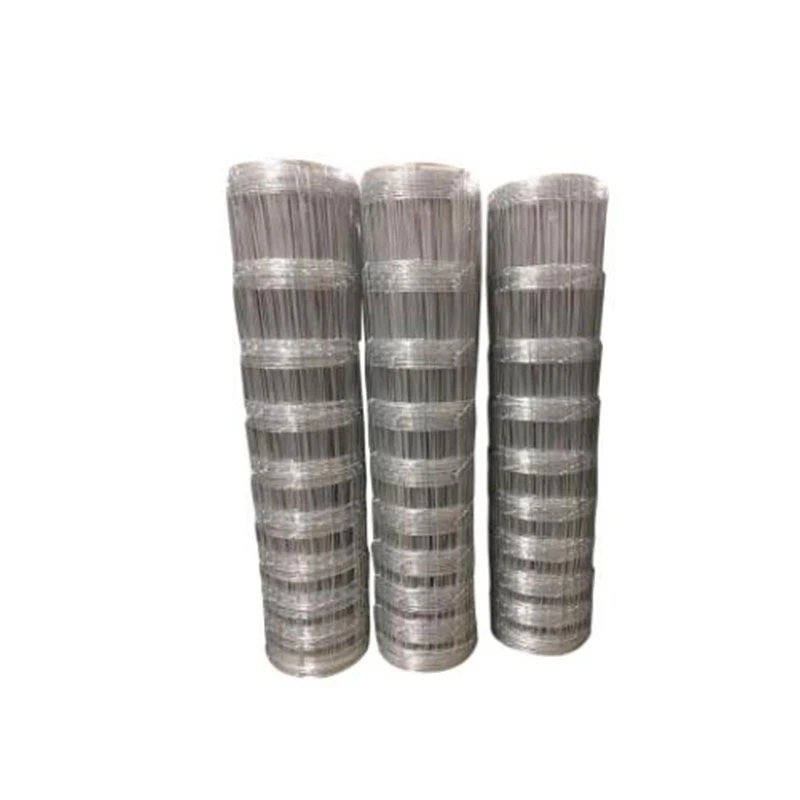
Oddly enough, you’ll find this wire from small farms in Africa to sprawling industrial zones in Southeast Asia. In agricultural fencing, it guards livestock with a reliable barrier that withstands weather and curious animals. Post-disaster relief organizations, like the Red Cross or Doctors Without Borders, rely on it to quickly erect temporary fences and shelters, which are crucial for crowd control and safety during emergencies.
In industrial sectors, it serves as support cables and binding wire—think guy wires for poles or mesh panels for reinforced concrete. Even in urban development projects, galvanized high tensile wire reduces long-term infrastructural maintenance, saving budgets over decades.
Mini Takeaway:
From rural farms to cutting-edge construction sites, 12.5 gauge high tensile galvanized wire provides durable solutions that adapt to diverse global needs.
Vendor Comparison: Finding Your Best Fit
| Vendor | Coating Weight (g/m²) | Tensile Strength (psi) | Price Range (per 100m) | Lead Time (days) |
|---|---|---|---|---|
| Vendor A (Asia) | 50 | 72,000 | $150 - $180 | 10-15 |
| Vendor B (Europe) | 40 | 68,000 | $200 - $240 | 20-25 |
| Vendor C (North America) | 60 | 75,000 | $190 - $220 | 15-20 |
Advantages & Long-Term Value
What’s pretty neat is how this wire isn’t just about mechanical specs; it also influences safety and social impact. By creating strong, tamper-resistant fences or cages, communities gain security and a semblance of stability—often overlooked but totally crucial especially in rural or post-conflict zones. Its cost efficiency implies that budgets can stretch further, allowing NGOs or local governments to fence larger areas or replace sections only when absolutely necessary.
Environmentally, galvanizing reduces waste through longer-lasting materials. This protects natural resources from the heavy environmental toll of repeated replacements. In innovation terms, it’s becoming a preferred material in modular building frameworks, given its dependable performance and ease of integration.
Future Trends & Innovations
Looking ahead, the industry is nudging toward even greener galvanizing methods—like using zinc alloys with lower environmental impact or electro-galvanizing that consumes less energy. Also, coupled with Industry 4.0, manufacturers are integrating digital quality control, ensuring consistent strength and coating thickness.
There’s a buzz around integrating sensors within galvanized wire meshes for structural health monitoring in smart cities. It sounds futuristic but could redefine how we maintain fences, bridges, and building reinforcements.
Challenges & Solutions
Truth be told, it’s not all smooth sailing. Procurement delays, regional price fluctuations, and occasional inconsistencies in coating thickness can be headaches. Also, in highly acidic or marine environments, even galvanized wire may eventually corrode without additional treatment.
Experts recommend combining galvanized wire with polymer coatings or blending zinc with aluminum layers for enhanced protection. On the supply front, building strong vendor relationships and verifying certifications (like ISO 9001) can mitigate quality risks.
FAQ: Frequently Asked Questions About 12.5 Gauge High Tensile Galvanized Wire
- Q: How long does 12.5 gauge high tensile galvanized wire typically last outdoors?
- A: In typical weather conditions, galvanized wire can last anywhere between 15 to 30 years. Its zinc coating provides effective corrosion resistance, though lifespan varies by environment and maintenance.
- Q: Is this wire suitable for use in coastal or salty environments?
- The standard galvanized coating may degrade faster near saltwater. For these areas, enhanced coatings or stainless steel alternatives are recommended to increase durability.
- Q: Can this wire be customized for specific tensile strengths or coatings?
- Yes. Many manufacturers offer varying tensile strength grades and different galvanization thicknesses to suit specialized needs, including double-layered or polymer-coated options.
- Q: How should this wire be installed to maximize lifespan?
- Avoid damaging the galvanization during installation by using appropriate tools. Also, regularly inspect for broken coating and promptly repair any exposed areas to prevent rust.
- Q: Is this wire eco-friendly compared to alternatives?
- Galvanized wire is recyclable and long-lasting, reducing resource consumption over time. While not perfect, it is generally considered a sustainable option compared to plastics or untreated metals.
Conclusion: Strength, Trust, and Practicality for Tomorrow
Ultimately, 12.5 gauge high tensile galvanized wire offers a robust balance of durability, cost efficiency, and ecological consideration. It has quietly upheld countless projects and communities worldwide, offering protection and structural certainty when it really counts. Whether you’re working in construction, agriculture, or disaster relief, understanding this wire’s strengths—and its occasional quirks—empowers smarter, lasting decisions.
Interested in exploring or sourcing premium 12.5 gauge high tensile galvanized wire? Visit our website: https://www.yjdwiremesh.com to learn more about our high-quality offerings.
Reflecting on the details feels like peeling an onion—layers of metallurgy, economics, and human needs all meld together. Quite amazing what a simple wire can represent.