Understanding 14 Gauge Galvanised Wire: Essential Uses and Global Impact
When you hear “14 gauge galvanised wire,” it might sound pretty technical — maybe even a bit mundane. But this product quietly plays an outsized role worldwide, from construction sites to humanitarian projects. In fact, understanding its properties and applications reveals why it’s so trusted across industries.
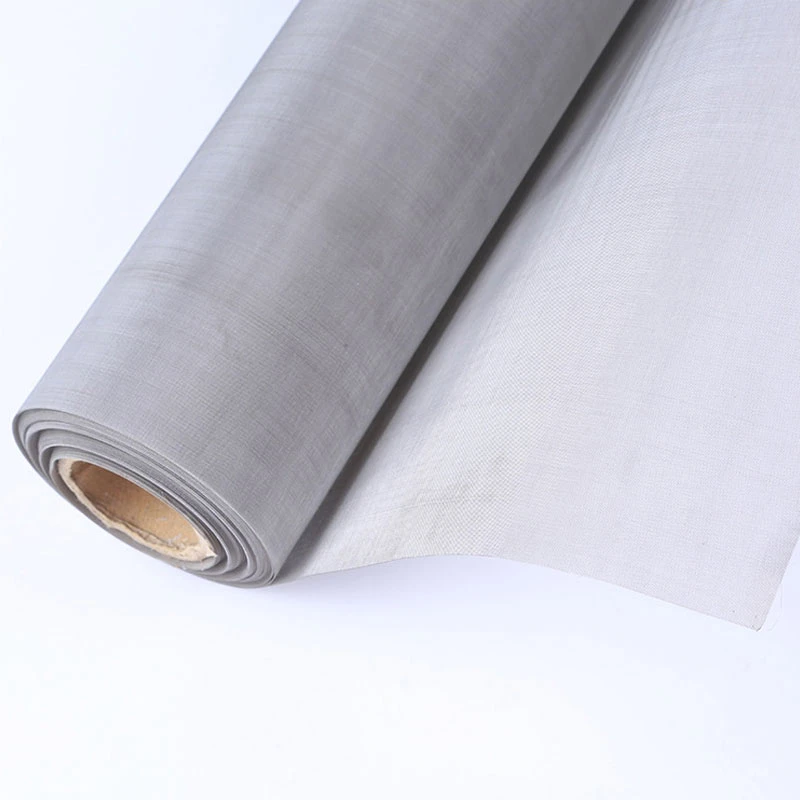
In a nutshell, 14 gauge galvanised wire is a specific thickness of steel wire coated with zinc, lending it enhanced resistance to rust and corrosion. It’s the kind of wire that shows up in fences, cages, and industrial mesh, benefitting countless sectors including agriculture, infrastructure, and disaster relief.
Why does it matter globally?
The world depends on robust materials that last, especially where maintenance is tricky or expensive. According to the ISO standards, galvanised wire offers a reliable solution to long-standing issues like weather damage or structural safety. Plus, as climate shifts bring more extreme weather, having sturdy wire like this can make a real difference in everything from sustainable farming to secure borders.
A Closer Look: What Exactly Is 14 Gauge Galvanised Wire?
“Gauge” refers to the thickness of a wire — and in the American Wire Gauge (AWG) system, 14 gauge means the wire diameter is roughly 1.63mm. The “galvanised” part tells you it’s coated, usually with zinc, to prevent rust. This isn’t just a coating — it’s a shield that dramatically extends the wire’s life, especially outdoors.
Industrially, galvanised wire connects to everything from fencing livestock to reinforcing concrete. Humanitarian uses, like emergency shelters or water piping protection, also lean on it because it lasts, even in tough conditions.
Mini Takeaway:
- 14 gauge = about 1.63mm thick
- Galvanised coating = zinc, for corrosion resistance
- Common in fencing, construction, relief efforts
Key Characteristics of 14 Gauge Galvanised Wire
Durability
Thanks to the zinc coating, this wire withstands moisture, air pollution, and even chemical exposure better than bare steel wire. The galvanisation process creates a barrier and a sacrificial layer that corrodes instead of the core metal.
Flexibility & Strength
Despite its thickness, the wire remains pliable enough for easy weaving, bending, or fastening — perfect for wire mesh and fencing. Yet, it’s strong enough to handle tension and hold shape under stress.
Cost Efficiency
Compared to stainless steel or specialty alloys, galvanised wire is relatively affordable. This balance of cost and performance makes it attractive, especially for large-scale projects or operations in developing regions.
Scalability & Supply
You can source 14 gauge galvanised wire in bulk and standard lengths from many global manufacturers, including customizable specifications. It’s a widely available commodity, keeping supply chains stable.
Environmental Resistance
Its corrosion resistance means less frequent replacements, which contributes to sustainability — less waste and resource use over time.
Mini Takeaway:
- Zinc protects against rust and environmental damage
- Balanced strength and flexibility aid diverse applications
- Widely available and cost-effective material
| Specification | Detail |
|---|---|
| Diameter | 1.63 mm (Approx. 0.064 inches) |
| Material | Low carbon steel |
| Coating Type | Hot-dip galvanisation (zinc) |
| Zinc Coating Thickness | Approximately 45-55 µm |
| Tensile Strength | 380-540 MPa |
| Typical Lengths | 50 m, 100 m coils or cut lengths |
Worldwide Applications for 14 Gauge Galvanised Wire
It’s no exaggeration to say that 14 gauge galvanised wire is everywhere. Here are some notable real-world contexts where it’s vital:
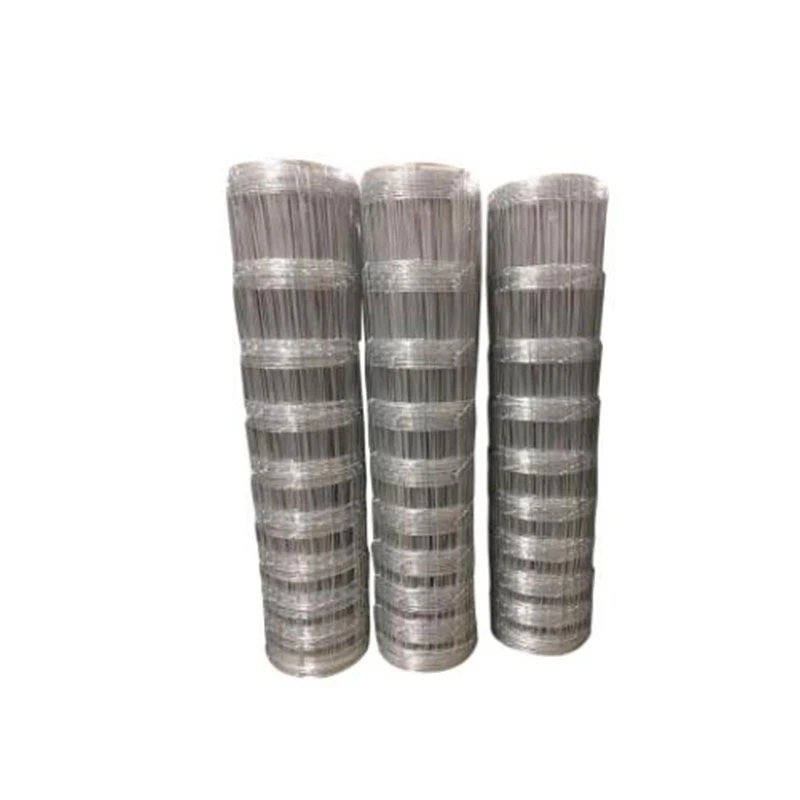
- Agriculture: Used for fencing livestock, creating protective cages around crops, or wire trellises.
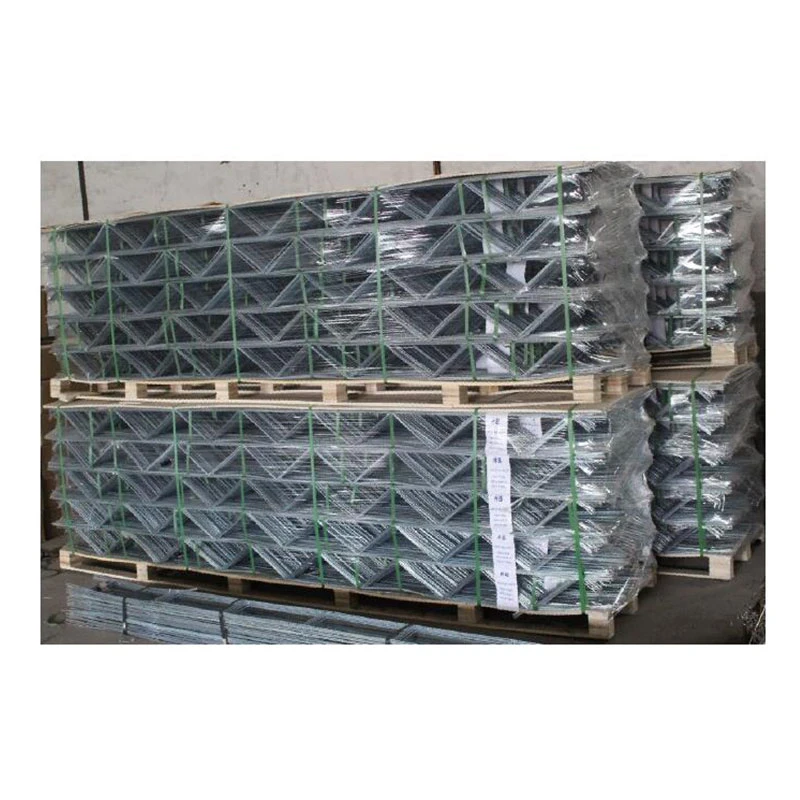
- Construction: Reinforces concrete mesh, holds fencing in place, or supports temporary site barriers.
- Humanitarian Relief: NGOs use it in fast-deploy fencing post-disasters to secure sites or protect water sources. In fact, 14 gauge galvanised wire offers an affordable, durable answer where rust and durability matter most.
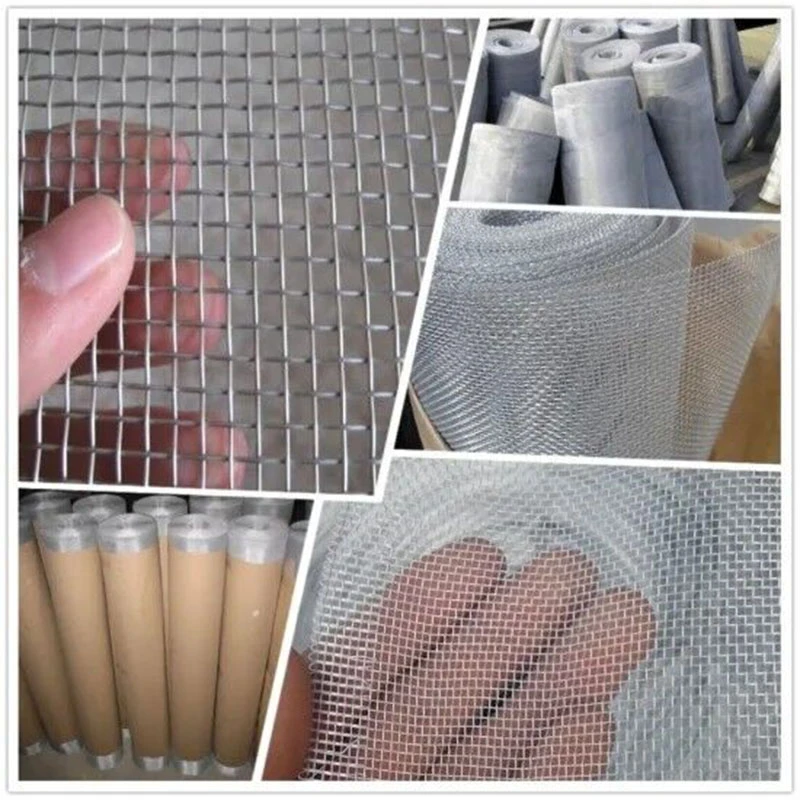
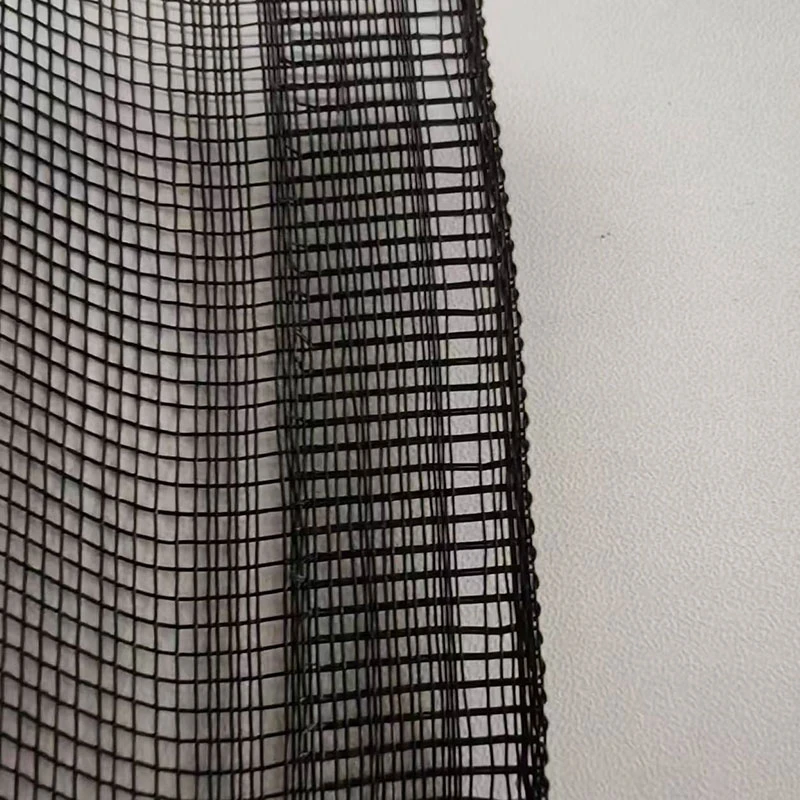
- Manufacturing: Wire mesh for sieves, filters, or protective guards often relies on standard gauges like 14.
- Environmental Projects: Stability in fencing sensitive ecosystems or animal reserves.
For regions with humid or coastal climates — think Southeast Asia or parts of Africa — the corrosion resistance is particularly crucial. Freshly galvanised wire can last decades even in salty air.
Mini Takeaway:
- Essential across agriculture, construction, emergency aid, and manufacturing
- Especially important in challenging climates or terrains
- Supports sustainability and safety worldwide
Advantages and Long-Term Value of 14 Gauge Galvanised Wire
Looking beyond raw specs, the real story is in its lasting value:
- Cost savings: Less replacement and maintenance mean money saved over years.
- Social impact: Reliable fencing improves livestock security, protects livelihoods, and even aids in conflict zones to demarcate safe spaces.
- Environmental benefits: Durable wire reduces waste and resource use versus non-galvanised alternatives.
- Emotional peace of mind: For communities and businesses alike, dependable materials bring a quiet trust that infrastructure will hold when it needs to.
Looking Ahead: Innovations and Trends Influencing Galvanised Wire
The steel and wire industries aren’t standing still. A few interesting things to watch:
- Eco-friendly galvanising: Research on less energy-intensive zinc applications is ongoing.
- Smart coatings: Some firms explore corrosion-detecting or self-healing layers that enhance durability even more.
- Automation in manufacturing: Digitally controlled galvanising lines improve quality and reduce waste.
- Integration with green tech: Wire meshes paired with solar panels or wind turbines add functional layers in renewable energy projects.
Challenges and Solutions in Using 14 Gauge Galvanised Wire
Even good products have limitations. For galvanised wire, a few persist:
- Coating wear: In extremely abrasive environments, zinc layers can thin faster than desired.
- Initial installation: Improper handling or cutting can expose bare steel, risking rust.
- Environmental disposal: Recycling galvanised steel requires care to deal with zinc residues.
Expert tip: Using proper tools to cut wire, combined with post-installation protective coatings, can extend life significantly. Also, sourcing from trusted manufacturers using certified galvanising processes (ISO 14001) helps ensure quality and sustainability.
Vendor Comparison: Popular Suppliers of 14 Gauge Galvanised Wire
| Vendor | Coating Method | Typical Zinc Thickness | Pricing (per Roll) | Global Shipping |
|---|---|---|---|---|
| YJD Wire Mesh | Hot-Dip Galvanised | 50 µm | Moderate | Yes |
| Global Wire Co. | Electro-Galvanised | 20 µm | Low | Limited |
| SteelPro Ltd. | Hot-Dip Galvanised | 55 µm | High | Yes |
FAQ: Common Questions About 14 Gauge Galvanised Wire
Q1: Is 14 gauge galvanised wire suitable for outdoor fencing in coastal areas?
A1: Absolutely. The zinc coating protects against salty air and moisture, slowing rust. Hot-dip galvanising typically offers better corrosion resistance than electro-galvanising, which is ideal in harsh coastal conditions.
Q2: How long should I expect this wire to last outdoors?
A2: With proper installation and quality galvanisation, 14 gauge galvanised wire can last 15-30 years, sometimes more. Variables like local climate, exposure, and mechanical wear influence longevity.
Q3: Can I cut and twist 14 gauge galvanised wire without damaging the coating?
A3: Small cuts or bends are okay, but excessive cutting or scraping may expose steel and risk rust. Use tools designed for galvanised wire and consider applying protective paint or sealant to exposed areas.
Q4: How does 14 gauge galvanised wire compare cost-wise to stainless steel wire?
A4: Galvanised wire is significantly less expensive — often 30-50% cheaper. While stainless steel offers better corrosion resistance, galvanised wire balances durability with affordability for most uses.
Conclusion: Why 14 Gauge Galvanised Wire Remains a Go-To Material
Understanding the properties and role of 14 gauge galvanised wire reveals why it’s a quiet hero in many industries. Its durability, cost-effectiveness, and broad availability have established it as a backbone material globally — making everything from secure fencing to disaster relief more reliable and sustainable. If you want to explore more or source quality galvanised wire, consider visiting YJD Wire Mesh, a dependable supplier committed to high standards.
Thanks for reading — hopefully you’ve gained some solid insight into this unassuming but highly useful product.
References: