Understanding 14 Gauge GI Wire: A Global Perspective
When we talk about construction materials that quietly underpin countless infrastructure projects worldwide, 14 gauge GI wire deserves a spot near the top. It’s more than just metallic strands twisted together: it’s a humble yet vital component with applications spreading across industries and continents. Globally, the demand for galvanized iron (GI) wire like this has grown steadily—this reflects not only infrastructure expansion, but also the mounting need for durable, cost-effective, and sustainable materials. So, why does understanding 14 gauge gi wire matter? Simple: it helps engineers, architects, and supply chain pros make smarter choices that balance quality with budget while supporting safety and longevity.
Introduction: The Global Industry Context of 14 Gauge GI Wire
Galvanized iron wire, particularly the 14 gauge variant, finds itself woven deep into the fabric of global manufacturing and construction. Data from the International Organization for Standardization (ISO) and industry trade groups signals a rising shift toward standardized wire products for fencing, mesh, and reinforcement. According to a World Bank report, rural infrastructure development in Asia and Africa relies heavily on cost-effective materials like 14 gauge GI wire. A prevalent challenge these regions face is sourcing materials that hold up against both climate stresses and budget constraints. This particular gauge offers a neat balance: thick enough to endure harsh environments yet flexible and affordable.
Definition & Meaning: What Exactly is 14 Gauge GI Wire?
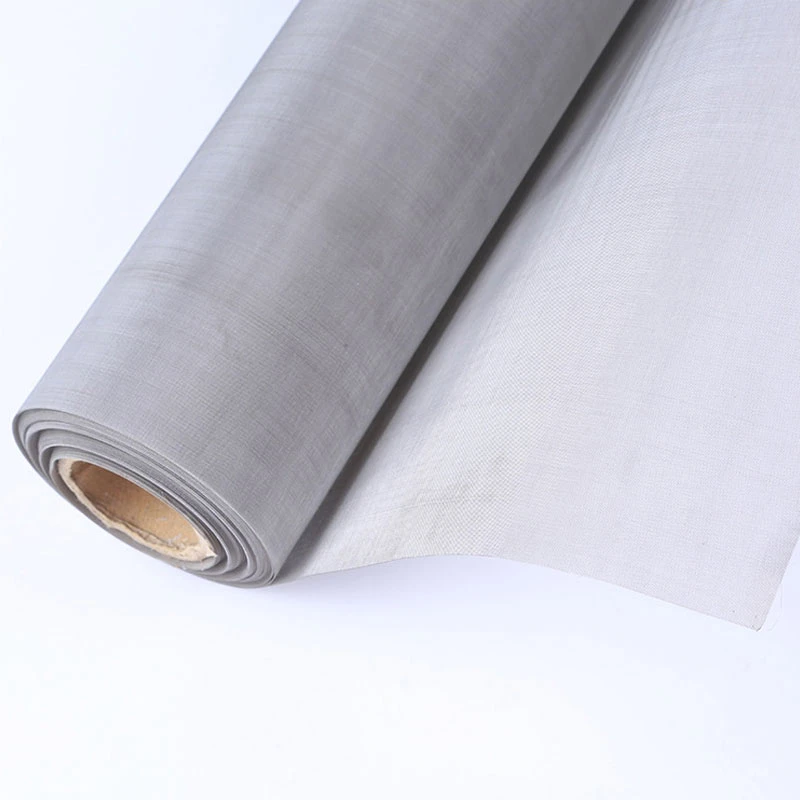
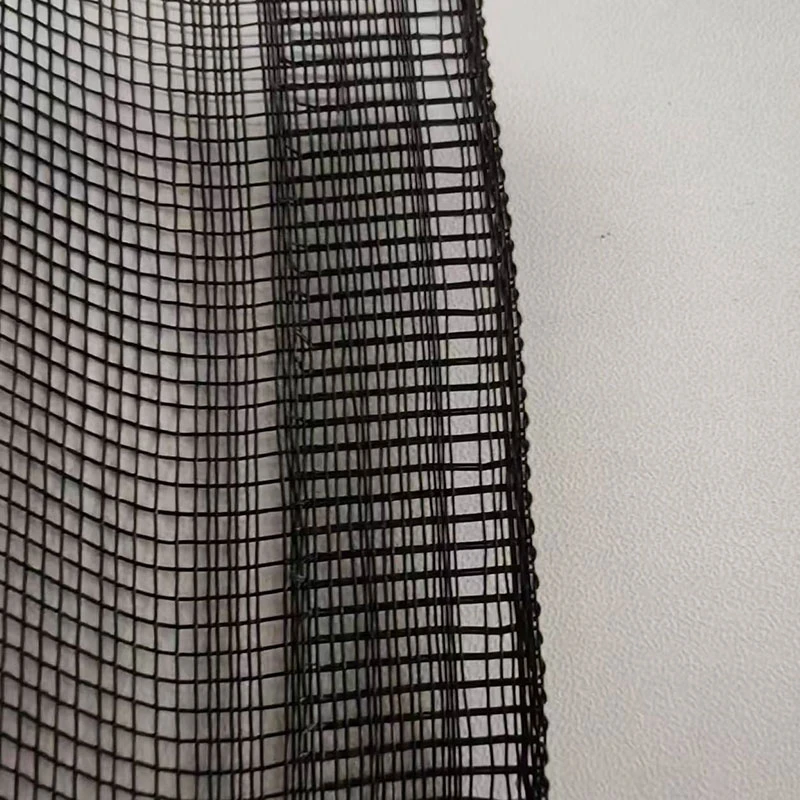
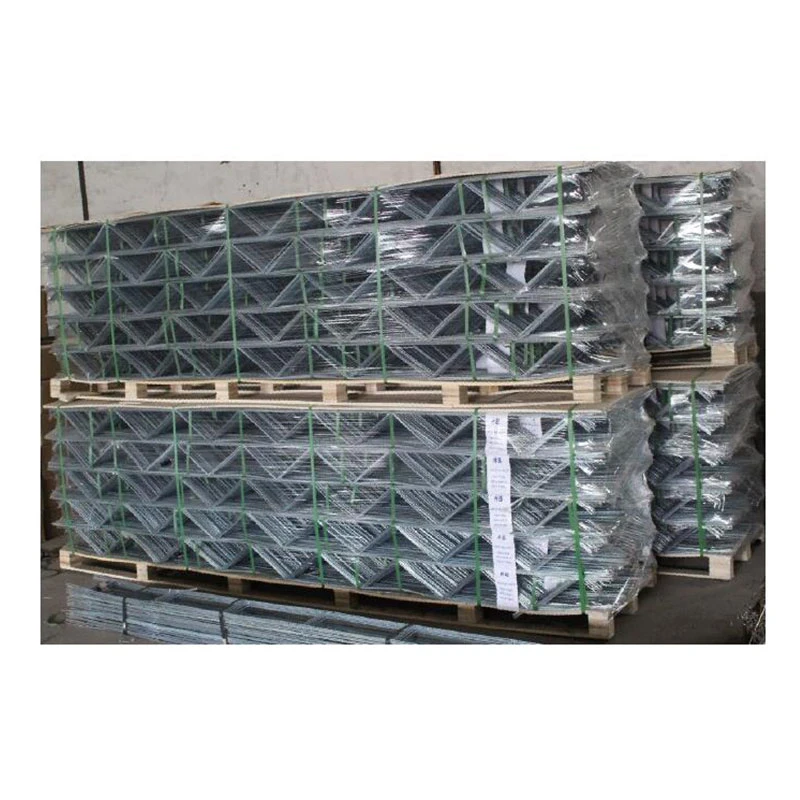
Simply put, 14 gauge GI wire refers to galvanized iron wire that is approximately 1.63 millimeters thick (or 0.064 inches). “Gauge” here is a measurement standard used to specify the wire’s diameter. Galvanization involves coating iron wire with a thin layer of zinc to prevent rusting—think of it as a protective shield. This treatment is critical for outdoor applications or wherever moisture and oxygen could cause corrosion. Beyond fencing, it’s a core element in manufacturing wire mesh, binding materials, and even agricultural support structures. It plays a subtle but crucial role in modern industry and humanitarian aid, where robustness and reliability directly translate into safety and operational efficiency.
Key Factors & Core Components
1. Durability
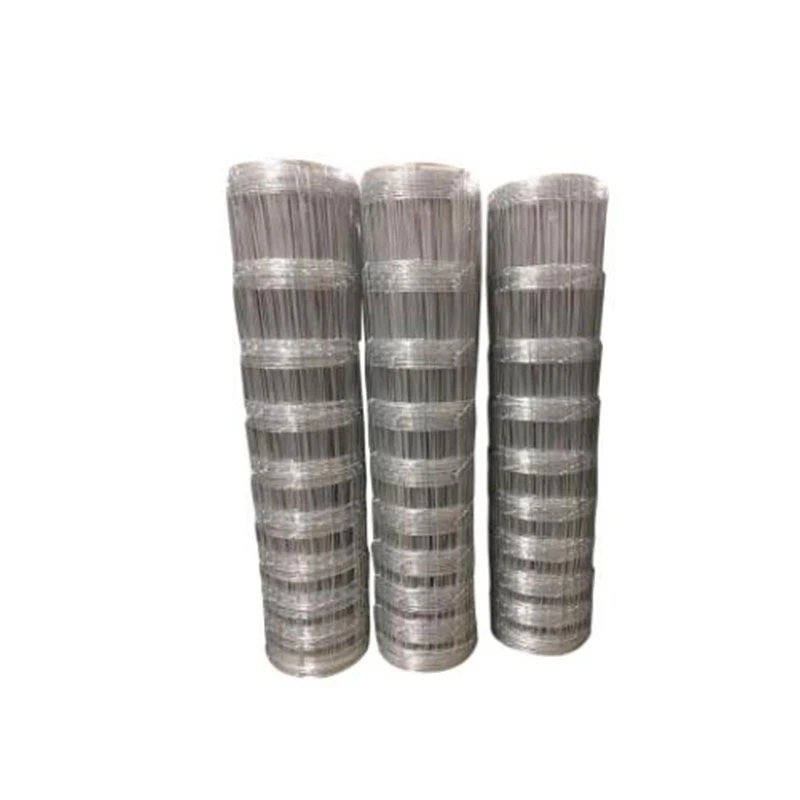
The zinc coating helps GI wire withstand weather deterioration, so a 14 gauge wire can last years even outdoors. That’s why it’s favored in fencing livestock or perimeter security fencing in challenging climates.
2. Cost Efficiency
It’s less expensive than heavier gauge wires or stainless steel alternatives, making it accessible for large-scale projects or emerging economies.
3. Flexibility & Tensile Strength
While strong, 14 gauge wire is flexible enough to be bent or twisted, simplifying installation and customization.
4. Corrosion Resistance
Thanks to galvanization, the wire resists rust—which is critical in damp or coastal areas where untreated iron would degrade rapidly.
5. Scalability of Use
From small fencing jobs to expansive industrial cages, it can be cut, tied, or woven into various configurations.
Product Specifications of 14 Gauge GI Wire
| Specification | Details |
|---|---|
| Wire Diameter | 1.63 mm (0.064 inches) |
| Material Composition | High-quality iron core, Zinc-coated (galvanized) |
| Coating Thickness | 40-60 microns (variable by supplier) |
| Typical Tensile Strength | 380-550 MPa |
| Common Uses | Fencing, mesh reinforcement, construction binding |
Mini takeaway: The 14 gauge GI wire blends strength and flexibility to deliver an affordable, durable solution across many sectors.
Global Applications & Use Cases
This wire isn’t just an abstract technical product—it’s a practical tool embedded in real-world solutions.
- Post-disaster relief operations: Aid agencies use it for emergency fencing and constructing temporary shelters, securing areas rapidly.
- Agriculture in developing countries: Farmers rely on it for creating livestock pens or trellises supporting plant growth, especially in Asia and Africa.
- Construction industry: Builders use it as binding wire for reinforcing steel bars, crucial in earthquake-prone zones.
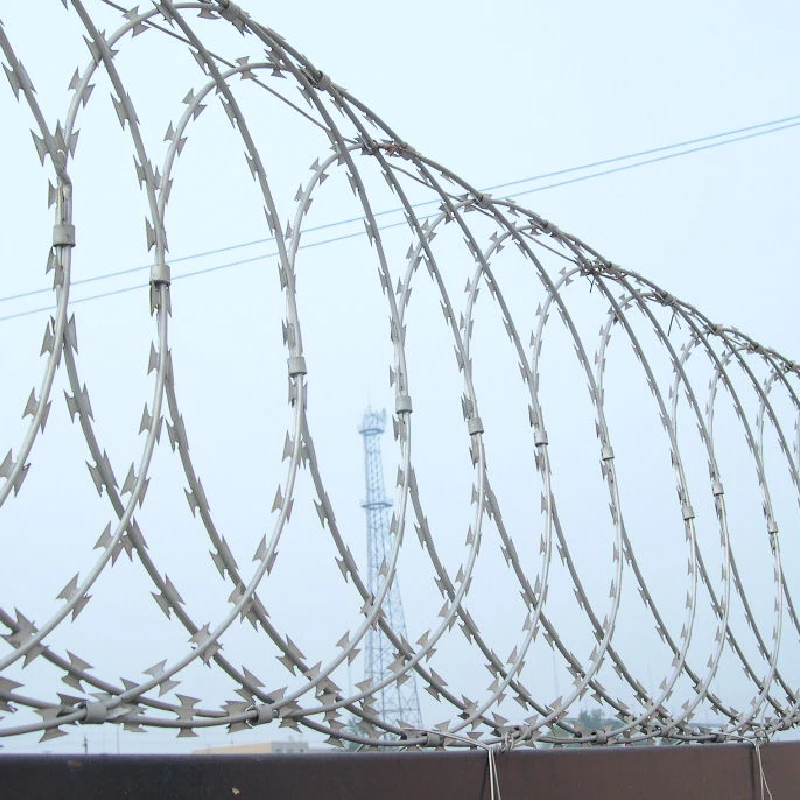
- Industrial fencing: Security perimeters around factories and warehouses often utilize 14 gauge GI wire due to its toughness and corrosion resistance.
Vendor Comparison Table: Top Suppliers of 14 Gauge GI Wire
| Supplier | Coating Thickness (Microns) | Tensile Strength (MPa) | Average Price per kg (USD) | Lead Time |
|---|---|---|---|---|
| YJD Wiremesh | 50 microns | 500 MPa | $1.20 | 2-3 weeks |
| Global Metals | 45 microns | 480 MPa | $1.30 | 3-4 weeks |
| SteelPro Suppliers | 60 microns | 550 MPa | $1.35 | 1-2 weeks |
Mini takeaway: Supplier selection hinges on balancing price, quality, and delivery times — all vital for project success.
Advantages & Long-Term Value of 14 Gauge GI Wire
Frankly, the appeal of galvanized iron wire at this gauge goes beyond simple specs. Economically, it slashes long-term maintenance costs thanks to its corrosion resistance. Socially, it supports safety—secure fencing prevents accidents and unauthorized access, protecting communities and assets. And from an environmental standpoint, zinc galvanization extends wire life, reducing waste and resource consumption. Many engineers I’ve spoken with highlight its role in blending trustworthiness with innovation: it’s a proven tech, yet constantly optimized in manufacturing processes. This combination breeds confidence in both installers and end users.
Future Trends and Innovations
Looking ahead, we see a few interesting trajectories shaping the future of 14 gauge GI wire. Advances in zinc alloy coatings offer even better rust protection while minimizing environmental impact. There’s growing momentum for using recycled materials in wire production, aligning with UN Sustainable Development Goals. Automation and digital quality checks during manufacturing are starting to decrease defect rates and enhance consistency. Oddly enough, some companies are experimenting with smart coatings that change color to signal damage or corrosion onset—a small futuristic tweak that could save whole infrastructure projects from costly repairs.
Challenges & Solutions
Still, no product is without flaws. Some users report variability in coating thickness or occasional difficulty sourcing high-quality wire in bulk. Rust can still develop if the wire sustains deep abrasions that expose bare iron. Innovative companies often recommend combining 14 gauge GI wire fencing with protective sealants or using wire tie clips designed to minimize abrasion. Training installers to handle materials gently can also extend lifespan. And of course, always vetting suppliers thoroughly pays off—check certifications and request test reports.
FAQ: Frequently Asked Questions About 14 Gauge GI Wire
- Q1: How does 14 gauge GI wire compare to stainless steel wire for outdoor fencing?
- While stainless steel wire offers superior corrosion resistance, it comes at a higher price point. For many applications, 14 gauge GI wire delivers adequate durability and cost savings, especially where budget constraints exist.
- Q2: Can 14 gauge GI wire be used in marine environments?
- It can, but with caution. Marine environments are highly corrosive, so additional protective coatings or thicker galvanization might be needed to improve longevity.
- Q3: What is the typical lifespan of galvanized iron wire outdoors?
- Depending on environmental conditions and maintenance, 14 gauge GI wire usually lasts 10-15 years, sometimes longer when properly installed and protected.
- Q4: Is the wire recyclable?
- Yes, both the iron core and zinc coating materials are recyclable, making 14 gauge GI wire a relatively sustainable choice.
Conclusion + Call To Action
To wrap things up: 14 gauge GI wire embodies a balance of durability, economy, and versatility essential for global infrastructure, agriculture, and security projects. Its role may seem small, yet its impact on safety, sustainability, and cost-efficiency is huge. If you’re involved in procurement or project planning and want to explore quality 14 gauge GI wire that combines excellent specs with competitive pricing, do check out YJD Wiremesh. There’s a lot packed into those fine steel strands that truly keep the world connected.
Oddly enough, sometimes the most overlooked materials are the ones holding up entire industries.