Understanding 15 Gauge Galvanized Wire: A Backbone of Modern Industry and Beyond
The humble 15 gauge galvanized wire might not be something you think about daily, but it underpins countless industries worldwide—from construction and agriculture to humanitarian aid. Globally, as infrastructure grows and industries look for durable yet cost-effective materials, understanding this wire’s characteristics and uses matters more than ever.
So, why focus on 15 gauge galvanized wire? Quite simply, its balance of strength, corrosion resistance, and affordability makes it a staple, especially in environments where reliability can’t be compromised. Whether securing fencing for livestock or reinforcing materials in disaster relief housing, this wire quietly plays a key role.
Global Context: Why 15 Gauge Galvanized Wire Matters
In today’s interconnected world, the demand for durable, low-maintenance materials has skyrocketed. According to data from the World Bank, infrastructure development in emerging economies is growing at a pace unseen before, and materials like galvanized wire ensure these projects last longer.
Moreover, organizations involved in global humanitarian operations rely on galvanized wire to build secure perimeters, temporary shelters, or reinforce supply chains. The challenge? Finding materials that remain structurally sound across diverse climates and conditions.
What Exactly Is 15 Gauge Galvanized Wire?
Simply put, 15 gauge galvanized wire is a steel wire of approximately 1.45 mm diameter that has been coated with zinc to slow corrosion. The “15 gauge” defines its thickness, sitting between thinner wires used for crafts and thicker binding wires.
This wire’s galvanized zinc layer means it resists rusting even in wet, salty, or otherwise harsh environments—a property invaluable in both industrial and humanitarian contexts. It’s the unsung hero for fencing, mesh, binding, and reinforcing tasks worldwide.
Core Characteristics That Define Its Usefulness
- Durability: The zinc coating shields the steel core from oxidation, enormously extending lifespan beyond uncoated wire.
- Strength: With a tensile strength typically around 350 MPa, it handles stress well without snapping—crucial for safety and performance.
- Cost Efficiency: Galvanized wire offers a low-cost solution considering its longevity and versatility, preferred over stainless steel in budget-conscious projects.
- Flexibility: It can be easily bent and shaped on-site without losing integrity, aiding quick installation for varied applications.
- Resistance to Environmental Damage: Its coating protects against acid rain, salty sea air, and soil chemicals—ideal for coastal or agricultural zones.
Mini takeaway: 15 gauge galvanized wire is the sweet spot of durability, strength, and affordability that makes it indispensable in real-world complex conditions.
Specifications of 15 Gauge Galvanized Wire
| Property | Specification |
|---|---|
| Diameter | 1.45 mm (15 gauge) |
| Material | High carbon steel core with zinc coating |
| Tensile Strength | ~350 MPa (megapascals) |
| Coating Thickness | 40-60 g/m² zinc (hot-dip galvanized) |
| Corrosion Resistance | Excellent for outdoor and marine environments |
Global Applications: Where and How It Gets Used
From isolated farming communities in Africa to sprawling construction sites in Asia, 15 gauge galvanized wire is everywhere. Here’s a glimpse of its practical use cases:
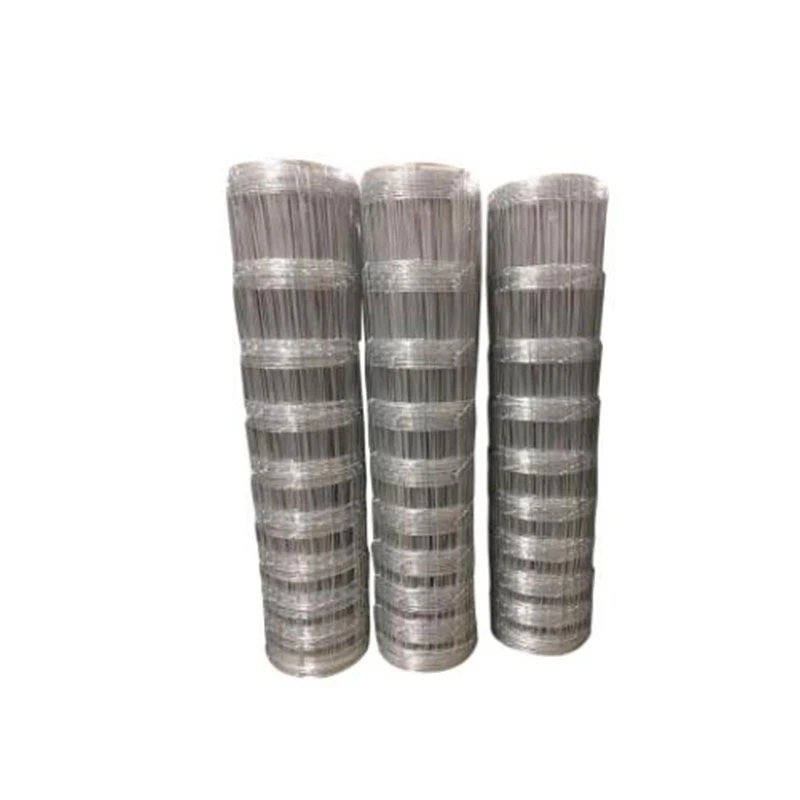
- Agriculture: Secure fencing to protect crops and livestock from predators or trespass.
- Construction: Reinforcing concrete structures, binding materials, or creating protective cages.
- Humanitarian Relief: Rapidly deploying temporary barriers or shelters in disaster zones.
- Utilities & Infrastructure: Cable binding, securing pipelines, and mesh for erosion prevention.
For instance, in post-earthquake Nepal, aid workers have used galvanized wire fences to cordon off hazardous zones and safeguard rebuilding efforts. Its reliability in diverse climates makes it a favored choice for NGOs and governments alike.
Mini takeaway: The wire’s versatility and resilience make it a quiet hero in both everyday and critical global contexts.
Comparing Major Vendors of 15 Gauge Galvanized Wire
| Vendor | Coating Type | Tensile Strength | Price/kg (approx.) | Global Shipping |
|---|---|---|---|---|
| YJD Wiremesh | Hot-Dip Galvanized | 350 MPa | $1.20 | Yes, worldwide |
| GlobalSteel Co. | Electro-Galvanized | 320 MPa | $1.15 | Limited to Americas |
| AsiaWire Ltd. | Hot-Dip Galvanized | 360 MPa | $1.10 | Asia-Pacific focus |
Key Advantages and Long-Term Value
It’s easy to overlook the significance of galvanized wire, but here’s what stands out about the 15 gauge variant:
- Longevity: Reduced maintenance and replacement costs due to corrosion resistance.
- Sustainability: Zinc is recyclable, and durability means less waste over time.
- Safety & Trust: Secure fencing and reinforcements that give people peace of mind, whether on a farm or a humanitarian site.
- Innovation Friendly: Compatible with modern manufacturing and construction methods, including automation tools.
When you think about it, it’s more than wire—it’s part of a foundation allowing communities and industries to thrive.
Future Trends and Innovations
Looking ahead, the industry is exploring:
- Enhanced Coatings: Incorporating eco-friendly or hybrid coatings to improve lifespan and environmental impact.
- Automation Integration: Smart manufacturing techniques for better quality control and custom wire weaving.
- Digital Traceability: Embedding micro-tags for supply chain transparency and compliance with international standards such as ISO 9001.
- Sustainability Drives: Recycled raw materials and carbon footprint reduction in production.
While these are ongoing developments, they underscore the wire’s enduring role in an evolving global market.
Challenges & Expert Solutions
Not all is perfect, though. Here’s a frank admission: galvanized wire can still corrode eventually, especially if the zinc coating gets scratched or damaged. Also, in extremely acidic or alkaline soils, the wire's life shortens.
Experts advise proper installation to avoid damage and recommend newer zinc-aluminum alloy coatings in harsh environments. Additionally, users should inspect fencing yearly and conduct maintenance promptly. The key is combining good product quality, proper handling, and regular upkeep.
Frequently Asked Questions (FAQ) About 15 Gauge Galvanized Wire
- What makes 15 gauge galvanized wire suitable for agricultural fencing?
- Its balance of strength and flexibility allows it to withstand animal pressure without snapping, while the zinc coating prevents rust in outdoor conditions, making it ideal for long-term use.
- How long does 15 gauge galvanized wire last in coastal environments?
- Typically, hot-dip galvanized wire can last 15–20 years near coasts, depending on maintenance and local conditions like salt spray intensity.
- Is 15 gauge galvanized wire reusable?
- Yes, if it has not sustained damage or corrosion. It can often be straightened and reused, which is common in construction and farming applications.
- Can NGOs import 15 gauge galvanized wire internationally without customs issues?
- Generally yes, as it is a standard industrial good. NGOs should check local import regulations and utilize suppliers familiar with international shipping practices to avoid delays.
Conclusion: Why 15 Gauge Galvanized Wire Remains Essential
In real terms, 15 gauge galvanized wire is much more than steel with a zinc coat. It’s an affordable, reliable, and versatile material bridging industrial progress, agricultural needs, and humanitarian efforts globally. Its capacity to resist corrosion, absorb stress, and adapt to diverse environments makes it indispensable.
Interested in sourcing quality 15 gauge wire for your project? Visit our website: 15 gauge galvanized wire for comprehensive options and expert support.
It’s subtle, yes—almost an unsung workhorse. But as I’ve noticed throughout many field visits and industry conversations, understanding this wire’s role is key to smart design and sustainable infrastructure.
Reflection: The more I dive into these materials, the more I appreciate how these small bits of metal weave the fabric of communities and industries alike.