Understanding 8 Gauge GI Wire Price Per Meter: A Global Perspective
If you’ve ever dipped into the world of industrial wire, fencing, or construction materials, you’ve probably bumped into the term 8 gauge GI wire price per meter. It might sound niche, but honestly, it matters on a pretty large scale — globally. From infrastructure projects in developing countries to secure boundary fencing in industrial zones, knowing how this wire is priced and supplied can make a significant difference, both in budgeting and operation efficiency.
Globally, galvanized iron (GI) wire plays a crucial role in various sectors — agriculture, construction, telecommunications, and even disaster relief work. The “8 gauge” specification refers to a particular thickness of the wire, roughly 4.06 mm, balancing strength and flexibility. So understanding the pricing per meter isn’t just about dollars and cents; it’s about optimizing resources, increasing safety, and, frankly, getting the job done without nasty surprises down the line.
Why This Subject Matters Worldwide
According to recent data from the United Nations and World Bank infrastructure reports, demand for durable and affordable building materials like GI wire is expected to increase steadily over the next decade. Rapid urbanization in Asia and Africa, coupled with infrastructure upgrades in developed economies, pushes the need for reliable raw materials to new heights. However, fluctuating commodity prices and geopolitical tensions can cause the cost of wire to swing unpredictably, impacting budgets and supply chains.
So, when you’re tracking 8 gauge GI wire price per meter, you are essentially peeking into these macro forces — global supply chains, trade policies, and industrial demand. It’s a bit like watching the pulse of construction and manufacturing sectors worldwide.
Defining 8 Gauge GI Wire Price Per Meter
Put simply, it’s the cost to buy one linear meter of galvanized iron wire that’s an 8 gauge thickness. “Galvanized” means the wire has a protective zinc coating to resist rust and corrosion, which extends its lifespan — especially important outdoors where moisture and weather can degrade ordinary steel quickly.
In practical terms, manufacturers, contractors, and even humanitarian agencies evaluate this price to estimate fencing projects, wire mesh for concrete reinforcement, or even crafting quick protective barriers post-disaster. It’s a fundamental metric that ties quality, durability, and budget together.
Core Components That Influence Price and Utility
1. Material Quality & Coating Thickness
The grade of iron used and thickness of the zinc coating play a big part. A thicker zinc layer means better corrosion resistance, which usually nudges the price upwards — but it’s money well spent in harsh environments.
2. Wire Dimensions
While 8 gauge is standardized, slight variations in diameter or weight per meter can impact both strength and price. It’s not just about thickness; the tensile strength matters, too.
3. Manufacturing Process & Standards
Wire produced following ISO or ASTM standards ensures consistency and reliability. Quality control might add to cost but reduces failures during installation or use.
4. Market Demand & Supply Chain Factors
Prices fluctuate with global steel markets, shipping costs, and local availability. For example, tariffs or transport bottlenecks can spike the price per meter overnight.
5. Bulk Purchase Discounts & Vendor Differences
Buying in volume often lowers the price. Plus, different suppliers offer variations in service quality, delivery speed, and warranty — things that indirectly affect overall project cost.
Product Specifications of Typical 8 Gauge GI Wire
| Specification | Typical Value |
|---|---|
| Gauge | 8 (4.06 mm) |
| Material | Galvanized Iron (GI) |
| Zinc Coating Thickness | 40–60 g/m² |
| Tensile Strength | ≥450 MPa |
| Weight Per Meter | ~0.111 kg |
Comparing Popular Vendors of 8 Gauge GI Wire
| Vendor | Price per Meter (USD) | Lead Time | Minimum Order | Notes |
|---|---|---|---|---|
| YJD Wire Mesh | $0.85 | 7 days | 500 meters | ISO certified, bulk discounts |
| Global Steel Co. | $0.90 | 14 days | 1000 meters | Premium zinc coating option |
| East Asia Wire | $0.80 | 10 days | 300 meters | Competitive pricing, variable quality |
Global Applications & Real-World Use Cases
Oddly enough, 8 gauge GI wire touches so many sectors you might not realize: agriculture fencing in Australia, infrastructure mesh in European construction sites, or even wire cages in African wildlife conservation projects. Humanitarian organizations frequently utilize it in temporary shelters and fencing for emergency zones, where dependable materials that resist rust and last through tough weather literally save lives.
- Post-disaster relief: Rapid deployment of fences and containment that protects perimeters and guides aid logistics.
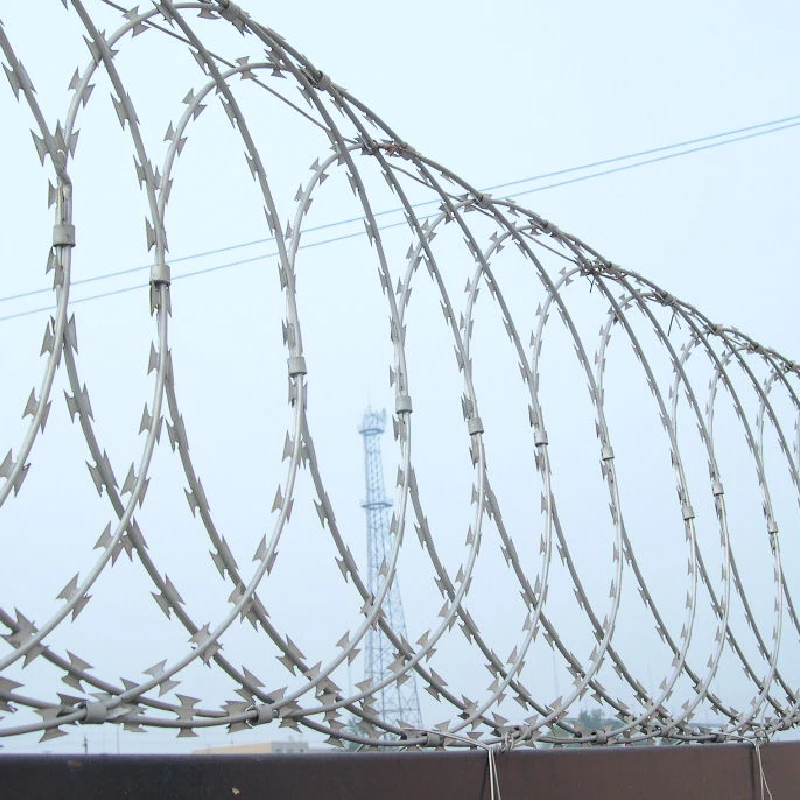
- Industrial security: Factories and warehouses rely on it for secure fencing, balancing strong barriers with cost-efficiency.
- Agricultural applications: Livestock fencing needing durability against animals and climate stress.
Mini takeaway: The versatility and cost-effectiveness of 8 gauge GI wire ensure it remains a preferred choice across diverse geographic and industrial landscapes.
Advantages & Long-Term Value
Here’s the thing — while the upfront price per meter might float a bit, the long-term savings are where this wire really shines. Its corrosion resistance cuts down on replacements, less maintenance means less downtime, and the strength ensures security and safety.
From an emotional angle, knowing that your fencing or mesh will hold up through seasons of rain or harsh sun builds a kind of trust. It’s reliable, just as we need things to be when investing time and money. Also, environmental sustainability is improving as zinc coatings and manufacturing processes get cleaner. So, there’s pride in choosing a product that aligns with eco-conscious goals.
Future Trends & Innovations in GI Wire Pricing
Manufacturers are now embracing smarter production techniques including automation and quality monitoring sensors — reducing scrap and defects, which should stabilize pricing.
On the sustainability front, some companies experiment with alternative coatings that reduce zinc use or capture carbon during production. And, oddly enough, digital procurement platforms are starting to let buyers instantly compare real-time 8 gauge GI wire price per meter from global vendors, offering unprecedented transparency and agility.
Challenges & Solutions
One challenge is the volatility of raw steel prices, sometimes leading to sudden spikes in wire costs that can halt projects unexpectedly. Another is inconsistency among suppliers: not all galvanized wire is created equal, and lower-quality products may come with hidden costs in failures or replacements.
Smart buyers — engineers and procurement specialists alike — mitigate these by building strong supplier relationships, demanding certifications like ISO 9001, and factoring in total cost of ownership rather than just upfront price. Bulk purchasing and long-term contracts also help smooth out price fluctuations.
FAQ: Frequently Asked Questions About 8 Gauge GI Wire Price Per Meter
Q1: How does the thickness of the zinc coating affect the price?
A1: Thicker zinc coatings increase the price due to added material and longer production time, but they improve corrosion resistance and lifespan, making them cost-effective for long-term use.
Q2: Can I get discounts if I buy large quantities?
A2: Absolutely. Most suppliers offer tiered pricing, so purchasing larger volumes of 8 gauge GI wire reduces the price per meter significantly.
Q3: Is it better to buy GI wire from local or international vendors?
A3: Local vendors typically offer faster delivery and easier communication, while international suppliers may offer more competitive prices or specialized products. Balance both factors depending on project timelines and standards.
Q4: How do market trends impact the price of 8 gauge GI wire?
A4: Fluctuations in global steel prices, tariffs, and shipping costs directly influence wire pricing. Monitoring market reports helps anticipate and plan purchases effectively.
Q5: What certifications should I look for when purchasing GI wire?
A5: Certifications like ISO 9001 for quality management and ASTM standards for materials ensure that the wire meets industry benchmarks and consistency.
Conclusion
Understanding 8 gauge GI wire price per meter is more than tracking a number — it’s about comprehending a complex interplay of material science, global economics, and practical, on-the-ground needs. For anyone in construction, agriculture, security, or humanitarian aid, being informed helps ensure projects remain on budget and durable for years to come.
For the most reliable pricing and quality, I’d recommend taking a closer look at suppliers like YJD Wire Mesh, where transparent pricing and trusted standards meet customer needs efficiently.
Mini takeaway: When reliability and cost meet at the crossroads, 8 gauge galvanized iron wire remains a steadfast choice worldwide.