Understanding 22 Gauge Galvanized Wire: A Backbone of Modern Industry
When was the last time you looked closely at something as simple, yet imperative, as the wire fencing around a construction site or the sturdy mesh in agricultural applications? Chances are, 22 gauge galvanized wire played a part in it. This thin yet remarkably resilient material is far more than just wire—it is integral to global industry, infrastructure, and even humanitarian efforts. From protecting crops to reinforcing structural components, understanding its role and benefits sheds light on why this seemingly humble wire is everywhere, quietly supporting progress worldwide.
Introduction: The Global Pulse of 22 Gauge Galvanized Wire
Globally, the galvanized wire market has been steadily growing, driven in part by increasing infrastructure projects and agricultural modernization, especially in emerging economies. According to the ISO Quality Management standards, galvanization significantly enhances corrosion resistance — a must in varied climates from humid tropics to frigid industrial zones.
Interestingly, as urbanization spreads and industrial zones expand, corrosion-resistant solutions like 22 gauge galvanized wire become an unavoidable necessity. They combat the persistent challenge of rust and degradation that threatens infrastructure integrity over time. Without such mitigation, maintenance costs and safety risks skyrocket. Hence, the consistent, global demand signifies a critical industry solution.
Defining 22 Gauge Galvanized Wire
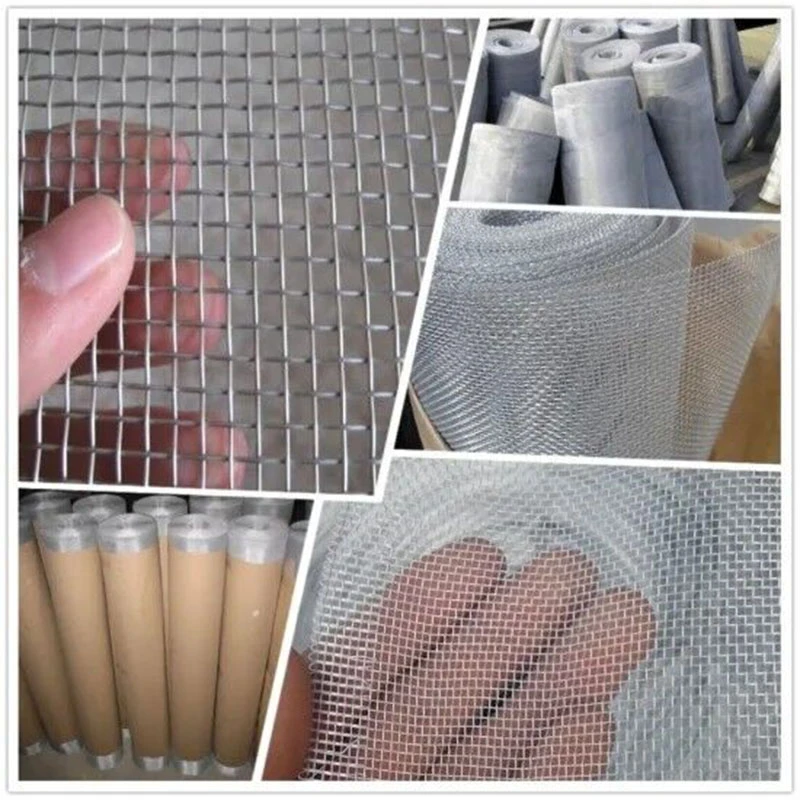
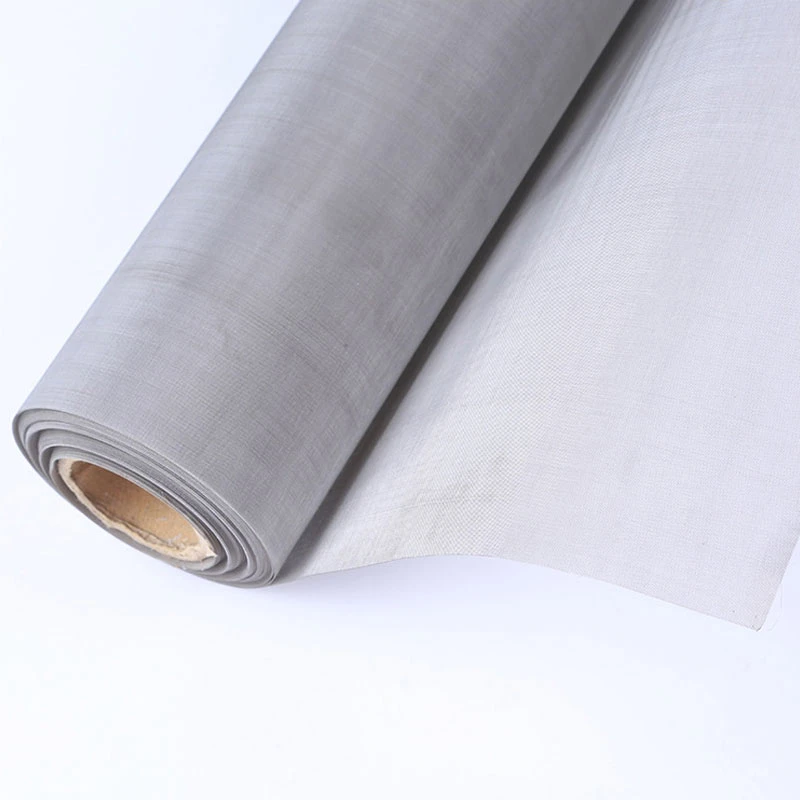
Simply put, 22 gauge galvanized wire is a type of steel wire approximately 0.025 inches (0.64 mm) thick, coated in a layer of zinc to prevent rust. This zinc galvanization isn't just a thin cosmetic layer; it's a sacrificial shield that corrodes before the steel does, prolonging the wire's lifespan substantially.
In modern industry, this wire is often used where durability and flexibility must coexist. Farmers fence fields with it, engineers use it for supporting materials, and relief organizations deploy it in temporary shelters. The adaptability of this wire speaks to both its technical properties and its broader humanitarian value.
Core Aspects of 22 Gauge Galvanized Wire
Durability
Thanks to zinc galvanization, this wire resists oxidization and rust even in harsh environments. Whether exposed to salty sea air or industrial pollutants, durability ensures fewer replacements and long-term reliability.
Cost Efficiency
The production process is relatively inexpensive compared to alternatives like stainless steel. This affordability allows for widespread use, especially in budget-conscious sectors such as agriculture and disaster response.
Flexibility and Strength
At 22 gauge, the wire offers a sweet spot between ductility and tensile strength. It bends to fit around irregular surfaces without snapping, yet remains strong enough to withstand force or pressure.
Corrosion Resistance
The zinc coating acts as a barrier and a sacrificial anode. Even if scratched, the galvanization protects the underlying steel, extending the service life remarkably.
Scalability
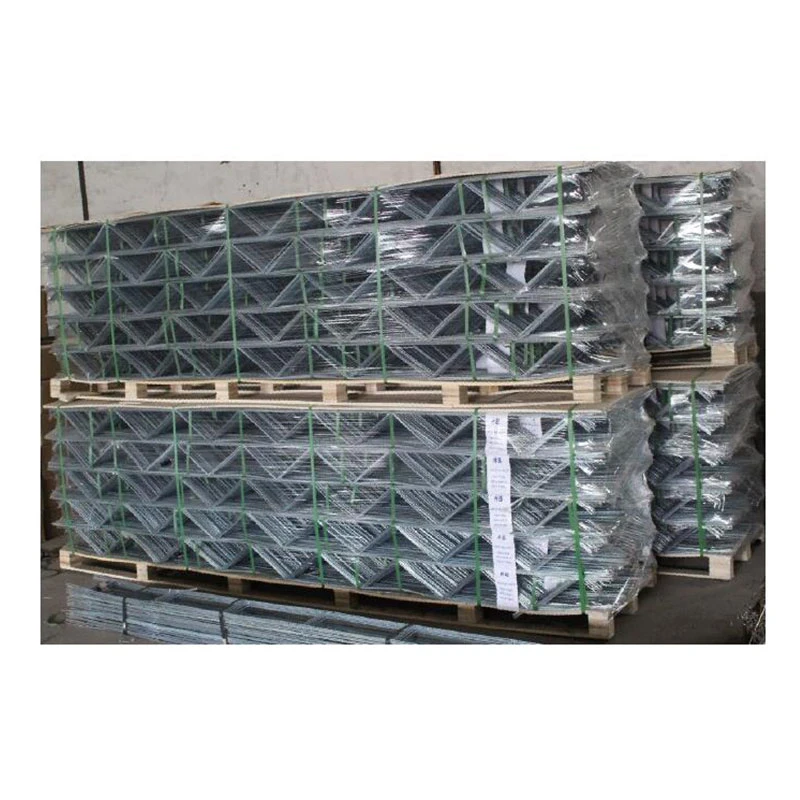
This wire can be mass-produced and customized in length and coil size, which makes it highly scalable for large infrastructure projects or smaller industrial needs alike.
Eco-Friendliness
With a growing emphasis on sustainable resources, zinc-coated wire is recyclable and often produced using processes minimizing environmental impact, meeting certain ISO environmental standards.
Product Specifications of 22 Gauge Galvanized Wire
| Specification | Details |
|---|---|
| Diameter | 0.64 mm (22 gauge) |
| Material | Mild Steel |
| Coating | Zinc (Galvanized) |
| Tensile Strength | 320 – 380 MPa |
| Weight per 100m | Approx. 4.2 kg |
| Typical Uses | Fencing, mesh production, cable binding |
Global Applications and Use Cases
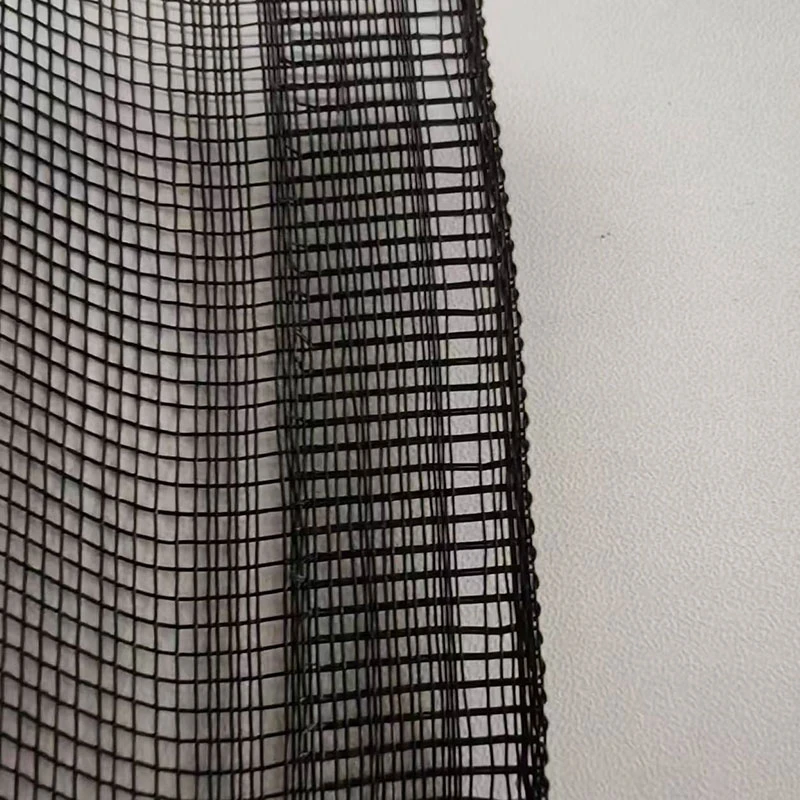
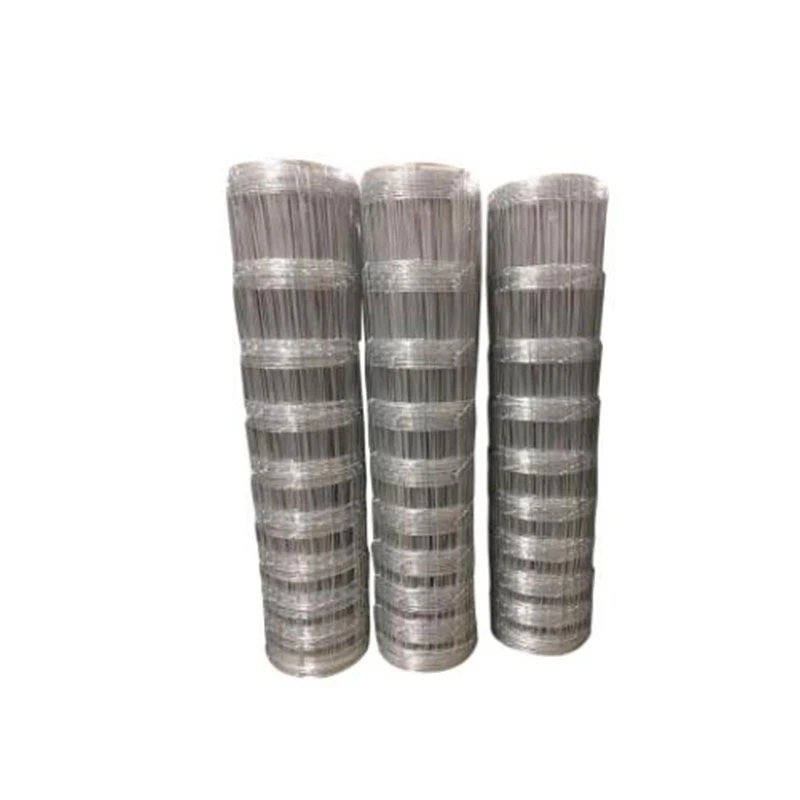
Across continents, 22 gauge galvanized wire finds itself reinventing common boundaries—literally and figuratively. In the United States and Europe, it’s routinely found in agricultural fencing and garden trellising, protecting crops from pests and animals. Oddly enough, in Southeast Asia and Africa, it supports vital infrastructure for clean water pipes and emergency relief shelters, thanks to its versatility and longevity.
For example, humanitarian agencies often rely on it when deploying quickly-assembled living units after disasters. Its balance of affordability and durability makes it perfect for temporary yet secure structures. Meanwhile, industrial zones in places like India and Brazil harness its scaling benefits for cable management—both protecting electrical wires and organizing machinery.
Vendor Comparison Table: Leading Suppliers of 22 Gauge Galvanized Wire
| Supplier | Coating Quality (g/m²) | Customization Options | Typical Lead Time | Price per kg (USD) |
|---|---|---|---|---|
| YJD Wire Mesh | 275 | Length, coil size | 2 weeks | $2.50 |
| SteelPro Inc. | 230 | Limited | 3 weeks | $2.45 |
| Global Wire Solutions | 300 | Full customization | 4 weeks | $2.75 |
Advantages and Long-Term Value
Choosing 22 gauge galvanized wire means investing in a product that screams reliability. Frankly, the cost savings alone from reduced replacements and low maintenance are huge. But beyond dollars, there’s an emotional comfort factor too—knowing that fences won’t weaken after one rainy season or that an emergency shelter stands firm against the elements. In a way, it embodies safety and dignity.
Environmentally, its recyclability earns it points in a world that’s finally waking up to sustainability’s importance. Its production emits less CO₂ than alternatives like stainless steel, fitting neatly with green energy initiatives. Socially, its role in disaster relief paints a picture of innovation meets compassion.
Future Trends and Innovations
The galvanized wire sector isn’t static, oddly enough. Innovations are popping up in zinc coating techniques—moving from batch galvanization to continuous hot-dip processes that yield longer-lasting veneers. One exciting horizon is the integration of nano-coatings that could boost corrosion resistance to unprecedented levels.
Meanwhile, automation in wire drawing and quality inspection via AI vision systems is pushing production efficiency. On the policy side, stricter environmental norms and ISO certifications encourage greener galvanization and better worker safety, something the entire industry is cautiously embracing.
Challenges and Solutions
Despite its many strengths, galvanized wire has a few challenges. For one, improper galvanization can lead to uneven coating and early rusting. Supply chain disruptions can also inflate prices or delay delivery.
Expert manufacturers often tackle these by implementing rigorous quality control, including tensile and coating thickness testing. Many are also exploring hybrid solutions that combine galvanization with polymer coatings for extra protection.
Frequently Asked Questions About 22 Gauge Galvanized Wire
- Q: What is the primary advantage of 22 gauge galvanized wire over non-galvanized wire?
A: The zinc galvanization protects the steel from rust and corrosion, significantly extending its life, especially in outdoor or humid environments. This makes it ideal for fencing, binding, and mesh applications. - Q: How long does a 22 gauge galvanized wire typically last when exposed outdoors?
A: Depending on environmental conditions, a properly galvanized 22 gauge wire can last 15 to 25 years before significant corrosion occurs, sometimes longer in mild climates. - Q: Can 22 gauge galvanized wire be customized to specific lengths or coils?
A: Yes, most suppliers, including YJD Wire Mesh, offer customization in coil length and packaging to suit various industrial or agricultural needs. - Q: Is galvanized wire recyclable?
A: Absolutely—both the steel core and zinc coating can be recycled, making galvanized wire a more sustainable choice compared to some alternatives. - Q: What industries benefit most from using 22 gauge galvanized wire?
A: Agriculture, construction, manufacturing, and disaster relief sectors are primary users due to the wire’s durability, flexibility, and cost-effectiveness.
Conclusion: Why 22 Gauge Galvanized Wire Remains Indispensable
So, there you have it—an unassuming but incredibly important player in countless industries worldwide. 22 gauge galvanized wire combines durability, cost-effectiveness, and sustainability in a neat, practical package. It supports both modern infrastructure and emergency relief, proving that robust, resilient materials don’t have to be complicated.
If you’re exploring quality materials for fencing, manufacturing, or humanitarian projects, I’d definitely recommend checking out trusted suppliers like YJD Wire Mesh. Their expertise and product range make sourcing straightforward and reliable.
After all, in real terms, investing in good wire means investing in lasting safety and functionality. And frankly, that’s something we all need.
Mini takeaway: 22 gauge galvanized wire blends technical innovation with practical, global applications—backing industries from agriculture to disaster relief with quiet strength and economy.
References:
1. ISO Quality Management, iso.org
2. World Bank Data on Infrastructure Trends, worldbank.org
3. Wikipedia on Galvanization, wikipedia.org