Understanding 20 Gauge GI Wire: What It Is and Why It Matters Globally
When you first hear the term 20 gauge GI wire, it might sound like some obscure industrial jargon. But honestly? This simple galvanized iron wire has a surprisingly vital role across industries worldwide. From construction fences to agricultural cages, even disaster relief efforts, it’s one of those unsung heroes often overlooked. If you grasp what this wire really is, and why it’s so widely used, you’ll appreciate not just its utility but also how it ties into global manufacturing trends and sustainability goals.
Global Context: Why 20 Gauge GI Wire Still Dominates
Globally, galvanized iron (GI) wire is a $4+ billion industry, with steady growth forecasted by ISO-certified manufacturers in Asia, Europe, and the Americas. The 20 gauge size—about 0.9 mm in diameter—is particularly popular because it hits a sweet spot: strong enough for many practical uses without being too rigid or costly.
According to World Bank data, affordable, corrosion-resistant materials like GI wire are critical for infrastructure development, especially in emerging economies. The durability and cost-effectiveness of 20 gauge GI wire meet pressing challenges such as fencing for agriculture, security, and even humanitarian housing needs.
But there’s a challenge: in humid, tropical regions, corrosion can still be a problem despite galvanization. Innovations in coatings and alloys are working to tackle this.
Mini takeaway: 20 gauge GI wire is a global staple, balancing cost and performance for diverse sectors, yet ongoing tech upgrades are crucial in harsh environments.
What Exactly is 20 Gauge GI Wire?
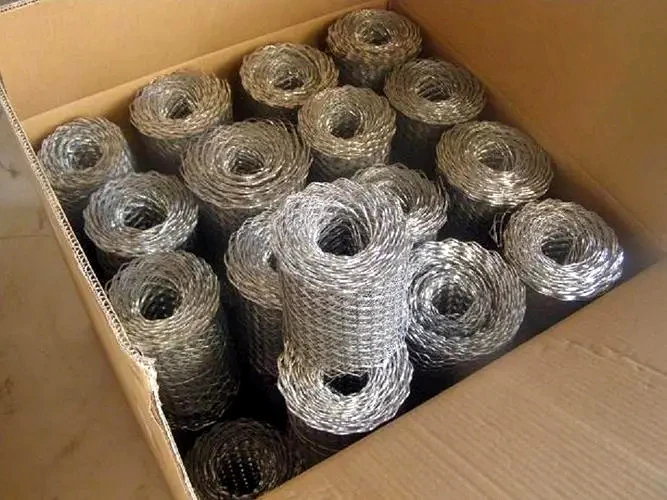
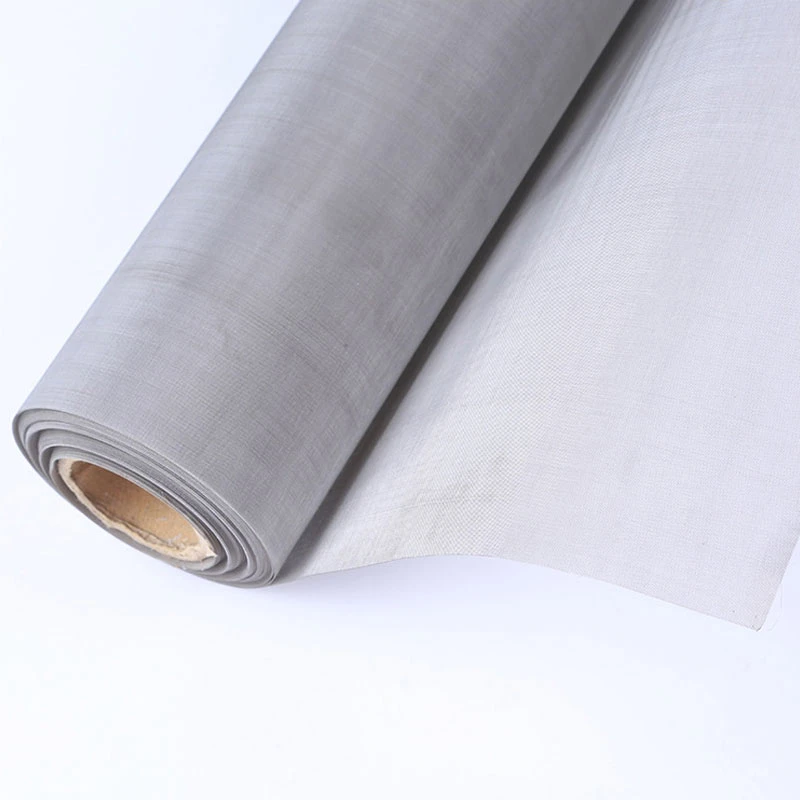
Simply put, 20 gauge GI wire is galvanized iron wire measured at 20 gauge thickness—approximately 0.9 mm diameter. The “GI” means it’s coated in a thin layer of zinc to prevent rusting. It’s pliable yet resilient, making it adaptable for many uses.
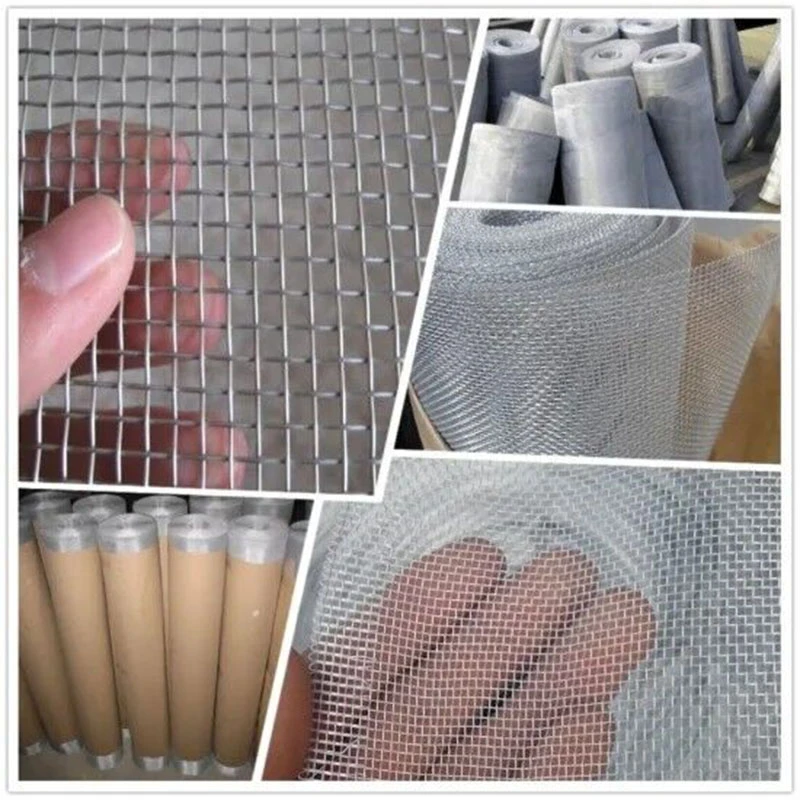
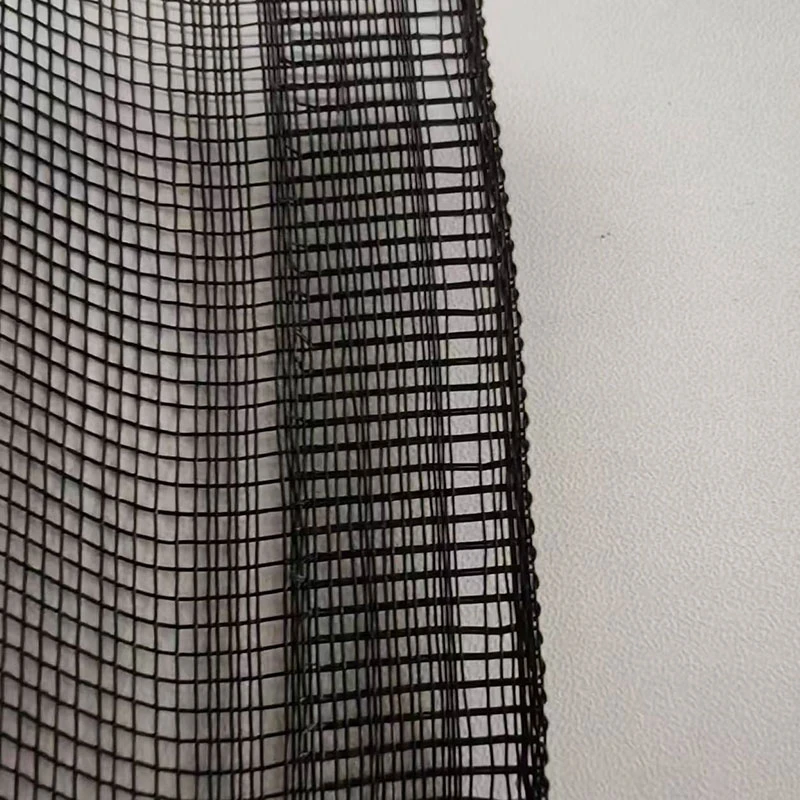
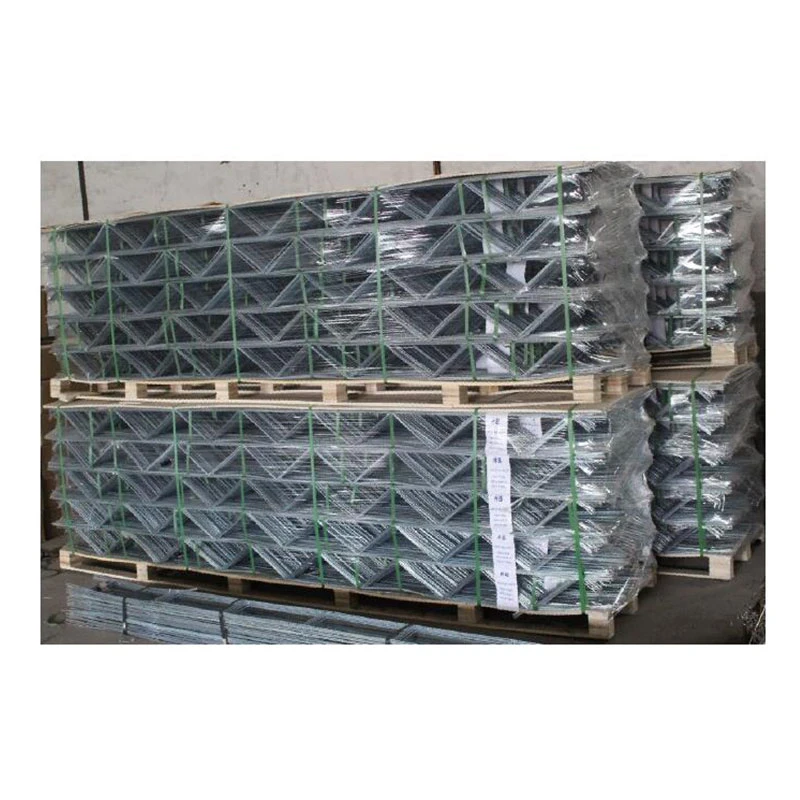
From a humanitarian perspective, this wire is often used to reinforce tents, fencing, or even basic structural elements, contributing to safer, more durable temporary shelters. In industry, it’s key to creating mesh wire products or crafting ties and fasteners.
Key Features of 20 Gauge GI Wire
1. Durability
The zinc coating slows corrosion, allowing the wire to last outdoors for years even under rain or indirect moisture. This makes it cost-effective for fencing and construction.
2. Flexibility and Strength
Not too thin to be fragile; not too thick to be unwieldy. The 20 gauge size is ideal for bending without breaking, useful for craftsmen and industrial applications alike.
3. Cost Efficiency
Compared to stainless steel wire, GI wire is much cheaper, making it the go-to for bulk orders without sacrificing too much longevity.
4. Versatility
Used in agriculture (animal cages), construction (binding materials), and even in arts and crafts collections, the wire’s spectrum of applications is surprisingly broad.
| Specification | Details |
|---|---|
| Diameter | 0.9 mm (20 gauge) |
| Material | Low carbon steel with zinc galvanization |
| Tensile Strength | 370-500 MPa (varies by manufacturer) |
| Coating Thickness | 40-60 g/m² |
| Common Uses | Fencing, tying, mesh making, shelter reinforcement |
How Is 20 Gauge GI Wire Used Globally?
Oddly enough, this simple wire finds itself in a bunch of important contexts:
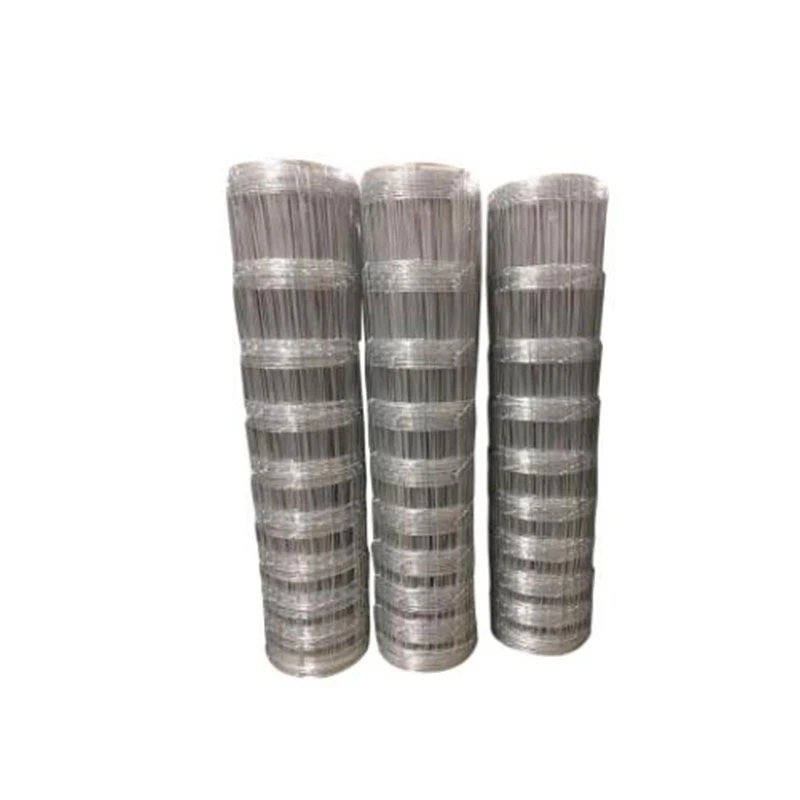
- Agriculture: Used for animal enclosures in rural Africa and Asia, which help prevent livestock loss.
- Construction: Ties and reinforcements during concrete work, especially in countries with booming infrastructure.
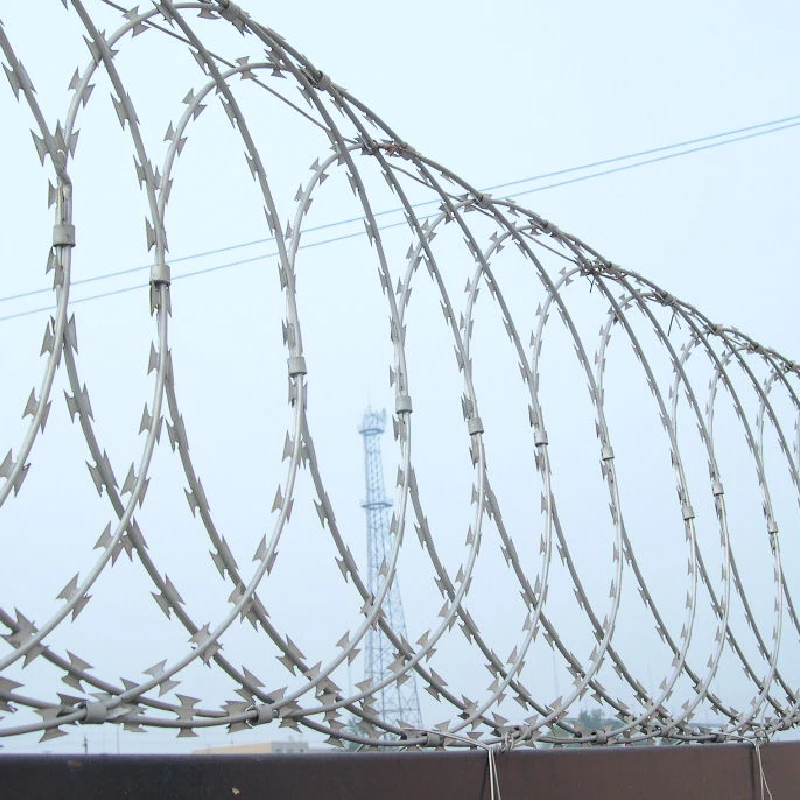
- Disaster Relief: NGOs use it to rapidly build secure fencing and structural frames in refugee camps.
- DIY and Arts: Hobbyists worldwide turn to 20 gauge GI wire for crafting and creative projects.
This reach is quite worldwide. For example, in Southeast Asia, where floods and typhoons are frequent, these wires provide quick and reliable fixes for fencing and roofing repairs.
Mini takeaway: From farms to refugee settlements, 20 gauge GI wire is a flexible, global asset adapting to urgent human needs.
The Advantages and Long-Term Value of 20 Gauge GI Wire
What I find most compelling is how this wire integrates logic and emotional appeal. Logically, it’s affordable, widely available, and durable. Emotionally, it contributes to safety, property protection, and even dignity—imagine a secure animal pen preventing loss of livelihood, or a stable shelter fence offering privacy in crisis.
Additionally, it’s sustainable compared to plastic fencing alternatives and can often be recycled or reused, adding environmental value.
Emerging Trends & Innovations in GI Wire
Looking ahead, manufacturers are exploring coatings beyond zinc—like zinc-aluminum alloys—to improve rust resistance, particularly important for 20 gauge gi wire used in coastal areas.
Automation in wire drawing and coating processes is increasing product uniformity and reducing waste. There’s also movement toward integrating biodegradable packaging and adopting stricter environmental compliance, reflecting global sustainability trends.
Challenges and How the Industry Addresses Them
Corrosion remains the biggest hurdle. In extremely humid or salty atmospheres, zinc coatings wear off faster than expected. However, manufacturers mitigate this with enhanced galvanization techniques or applying secondary protective layers.
Supply chain disruptions can also affect availability — a problem worsened during recent global events — but diversified sourcing and localized production are strategies that help stability.
| Vendor | Coating Type | Tensile Strength (MPa) | MOQ (tons) | Typical Lead Time |
|---|---|---|---|---|
| YJD Wiremesh | Hot-Dip Galvanized Zinc | 400-500 | 1 ton | 2-3 weeks |
| Global Wire Co. | Electro-Galvanized Zinc | 370-420 | 2 tons | 4-5 weeks |
| Steelmate | Hot-Dip Zinc Aluminum Alloy | 450-480 | 1.5 tons | 3 weeks |
FAQ About 20 Gauge GI Wire
Q1: What makes 20 gauge GI wire suitable for fencing compared to other gauges?
A1: Its balance of strength and flexibility allows easy installation and long-term resilience. Thicker wires may be too stiff; thinner ones may break easily. So, 20 gauge often hits a “just right” level for typical fencing needs.
Q2: Can 20 gauge GI wire be used in harsh coastal environments?
A2: While standard GI wire is corrosion-resistant, coastal salty air accelerates rust. For these areas, zinc-aluminum alloy coatings or additional protective layers are recommended for longer durability.
Q3: How long does 20 gauge GI wire typically last outdoors?
A3: Under average conditions, it can last anywhere from 5 to 15 years. Factors like exposure to moisture, acidity of rain, and mechanical wear affect longevity.
Q4: Is 20 gauge GI wire recyclable or environmentally friendly?
A4: Yes, steel from GI wire is highly recyclable. Plus, its longer lifespan compared to plastic alternatives reduces environmental impact over time.
Q5: Where can I find reliable suppliers of 20 gauge GI wire?
A5: Established manufacturers like YJD Wiremesh offer certified products with flexible order sizes and compliance with international standards, ensuring quality and availability.
Wrapping Up: Why 20 Gauge GI Wire Deserves Your Attention
To be frank, it’s easy to overlook a thin wire in the grand scheme of things. But 20 gauge GI wire’s combination of affordability, durability, and versatility makes it indispensable across multiple sectors worldwide. Whether you’re managing a farm, securing a construction site, or involved in humanitarian projects, understanding this wire’s role means smarter choices—and probably better results. If you want to explore robust options or get bulk supplies, feel free to visit our website.
Oddly enough, the future of something as “simple” as GI wire hinges on both incremental innovations and the global shift towards sustainability—so keep an eye on it.