Why 24 Gauge GI Wire Matters in Today's Global Markets
When you hear "24 gauge GI wire," you might think — just another wire among billions, right? But, oddly enough, this specific gauge and type of galvanized iron (GI) wire plays a surprisingly pivotal role worldwide. Whether it’s securing construction sites, fencing agricultural lands, or underpinning humanitarian aid projects, understanding 24 gauge GI wire means grasping a small but essential piece of countless industries and even disaster relief efforts.
Globally, durable and cost-efficient wire products are crucial, especially in regions where infrastructure needs are growing rapidly. From urban expansions in Asia to rural electrification projects in Africa, the demand for reliable materials that resist corrosion and stand the test of time is soaring. 24 gauge GI wire fits right in thanks to its versatility and durability.
The Global Context: Why 24 Gauge GI Wire Is a Modern Essential
To put things in perspective, the World Bank reported that over a billion people worldwide still lack basic infrastructure protections, which include fencing for safe boundaries and structural supports—often reliant on simple metal wires. ISO standards for wire products ensure quality worldwide, and GI wire consistently meets those rigorous guidelines.
Oddly, many industries face challenges like corrosion, cost overruns, and project delays due to subpar materials. Here, the 24 gauge GI wire emerges as a reliable answer. Its combination of length, thickness, and protective zinc coating gets the job done without constantly worrying about rust or breakage, especially in humid or coastal environments.
24 Gauge GI Wire: What It Is and Why It’s So Useful
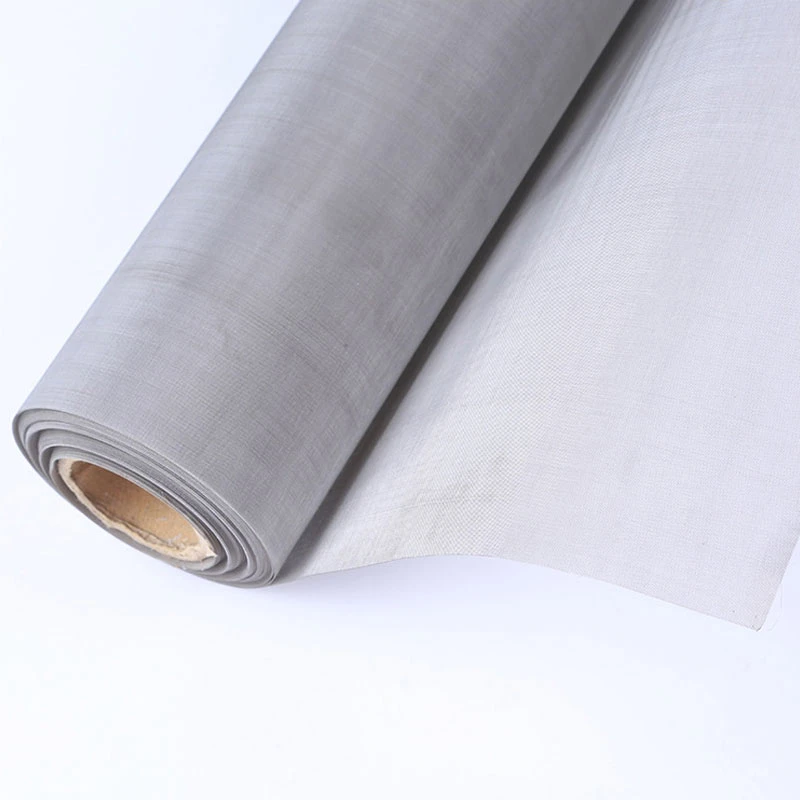
Simply put, 24 gauge GI wire is a moderately thin, zinc-coated iron wire. The "24 gauge" refers to its thickness — roughly 0.51 mm in diameter, thin yet firm enough for various uses without being overly bulky. The "GI" stands for galvanized iron, meaning the iron wire is coated with zinc, which provides effective resistance against rust and corrosion.
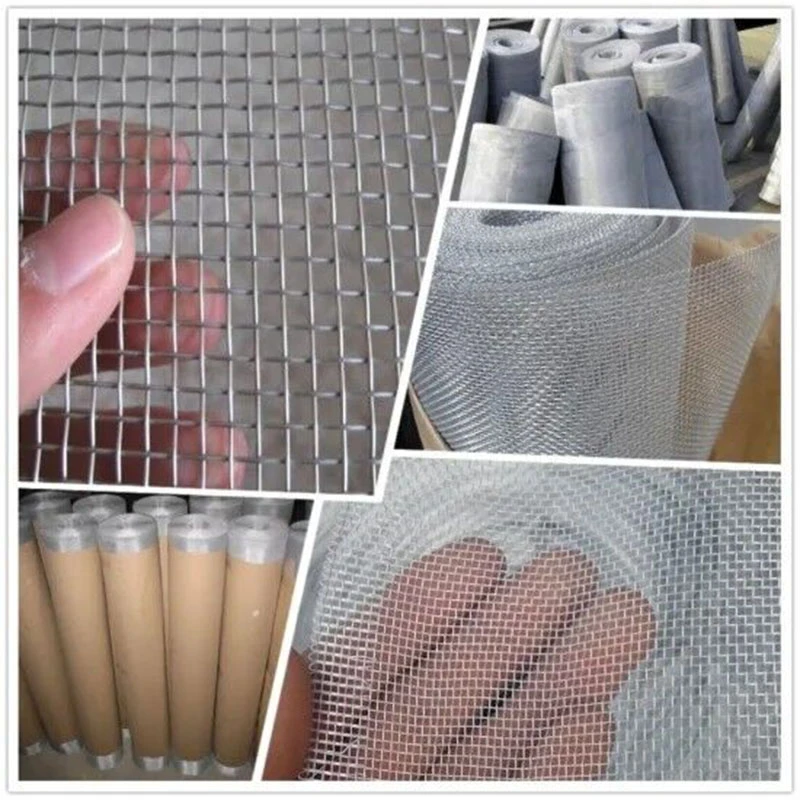
This combination means the wire remains strong and flexible, suitable for fencing, binding, mesh-making, and countless other roles across industries. From a humanitarian perspective, for example, the wire is often used in refugee camps to erect temporary shelters or security fences — a rugged but low-cost solution in trying conditions.
Core Features that Make 24 Gauge GI Wire an Industry Favorite
1. Durability Against Corrosion
The zinc coating is the real hero here. It safeguards against corrosion even in moisture-heavy environments. This aspect alone extends the wire’s lifespan by years, reducing replacement costs dramatically.
2. Flexibility and Strength
While 24 gauge is relatively thin, it offers enough tensile strength for binding and fencing without bending out of shape. This balance is crucial in applications needing both flexibility and robustness.
3. Cost Efficiency
Because it’s thin yet durable, 24 gauge GI wire offers an ideal price-to-performance ratio. Many contractors I’ve spoken with prefer it for large-scale fencing projects to keep expenses manageable without compromising on quality.
4. Versatility
Its uses span multiple sectors — industrial fencing, agriculture, packaging, construction safety, even craftwork on occasion. This adaptability is why suppliers keep it in steady stock worldwide.
5. Compliance With Standards
Manufacturers adhere to standardized weights and zinc coating thicknesses, ensuring product consistency. This matters because it builds trust among users who rely on uniform quality.
Practical Applications Across Continents and Industries
In real terms, 24 gauge GI wire is everywhere. For example:
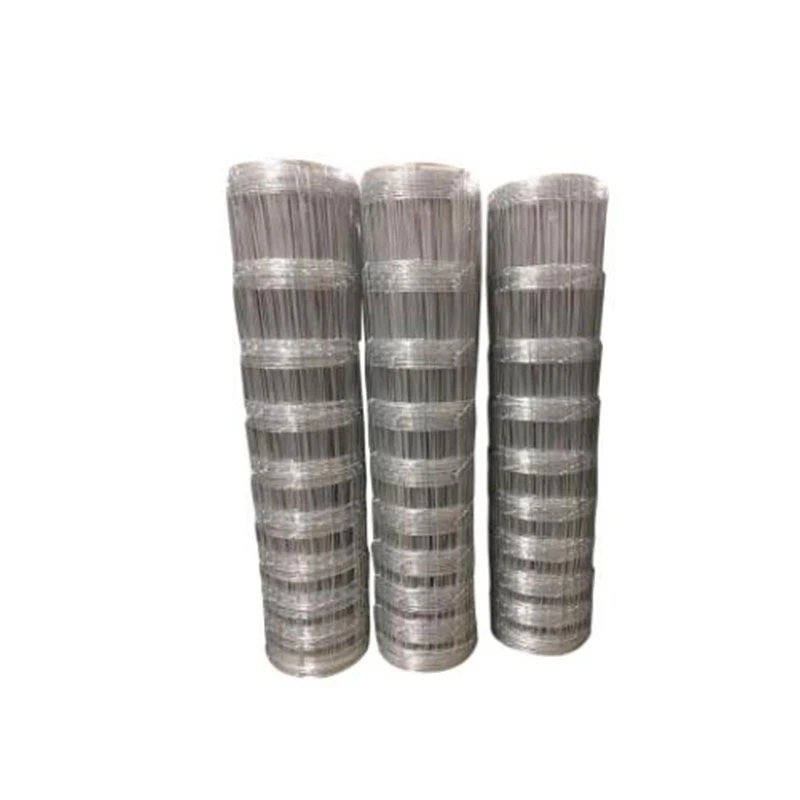
- Agricultural fencing: Farmers in Australia and the Midwest US use it to fence grazing lands economically.
- Construction sites: It's widely employed in India and China for temporary safety fencing and binding rebar.
- Humanitarian aid: Organizations like UNHCR have used galvanized wire to build protective perimeters in refugee camps in Jordan and Sub-Saharan Africa.
- Industrial packaging: Small manufacturers in Europe bundle products securely with 24 gauge GI wire.
Each example highlights the wire's ability to perform reliably under different stresses—from rough outdoor conditions to mechanical tension in packaging.
Advantages and Long-Term Value of Using 24 Gauge GI Wire
Choosing this wire brings tangible benefits:
- Cost savings: Fewer replacements and rust damage equal lower long-term expenses.
- Environmental impact: Longer-lasting means less waste, which aligns with sustainability initiatives.
- Enhanced safety and dignity: For communities needing secure shelters or protected boundaries, reliable wire provides peace of mind.
- Trust and innovation: Suppliers innovate with coatings and treatments, ensuring better performance every year.
Frankly, in many developing regions, a roll of 24 gauge GI wire can represent a substantial quality-of-life improvement.
Looking Ahead – Future Trends in 24 Gauge GI Wire
The wire industry is quietly evolving. Innovations focus on:
- Eco-friendly coatings: Reducing zinc usage while maintaining corrosion resistance.
- Automated production: Ensuring consistent gauge and tensile strength through AI-assisted processes.
- Smart wires: Experimental coatings that change color under stress or environmental conditions.
Such advancements will make 24 gauge GI wire not only stronger but smarter, aligning with global pushes for sustainability and digital transformation.
Common Challenges and How Experts Are Tackling Them
No product is perfect, and 24 gauge GI wire does face issues like:
- Limited load capacity: For heavy structural uses, it’s sometimes too light.
- Environmental wear: In extremely saline conditions, zinc layers may degrade faster.
To resolve these, suppliers recommend using thicker gauges or double-coating processes for critical applications. Sometimes, pairing with polymer coatings extends life further.
Product Specification Table
| Parameter | Specification |
|---|---|
| Gauge | 24 (approx. 0.51 mm diameter) |
| Material | Cold-rolled iron wire |
| Coating | Zinc galvanization (varies from 35-60 g/m²) |
| Tensile Strength | 350-450 MPa (typical) |
| Applications | Fencing, agriculture, construction, packaging |
| Packaging | Rolls, coils, spools (varies) |
Vendor Comparison: Top 3 Manufacturers of 24 Gauge GI Wire
| Vendor | Coating Thickness | Price Range (USD/kg) | Lead Time | Quality Certifications |
|---|---|---|---|---|
| WireTech Ltd. | 50 g/m² | $1.10 - $1.30 | 2 weeks | ISO 9001, ASTM |
| GalvMasters | 35 g/m² | $0.95 - $1.10 | 10 days | ISO 14001, ISO 9001 |
| ZincPro Wire Corp. | 60 g/m² | $1.35 - $1.50 | 3 weeks | ISO 9001, RoHS |
Frequently Asked Questions About 24 Gauge GI Wire
Q: How long can 24 gauge GI wire last in outdoor applications?
A: Generally, if properly galvanized and maintained, 24 gauge GI wire can last anywhere from 5 to 15 years outdoors. Factors like environmental moisture, salt exposure, and physical wear affect lifespan. Regular inspection and use of protective coatings can extend this.
Q: Is 24 gauge GI wire suitable for heavy-duty industrial fencing?
A: While it offers good tensile strength, 24 gauge wire is on the lighter side for heavy-duty fencing. For more demanding applications, thicker gauges (like 18 or 20 gauge) might be more appropriate, but 24 gauge provides excellent flexibility and cost efficiency for light-to-medium uses.
Q: Can I use 24 gauge GI wire for agricultural fencing?
A: Absolutely. Many farmers prefer 24 gauge wire for fencing because it's easy to handle, resistant to corrosion, and affordable. It works well for enclosing livestock areas and crop protection where moderate strength is sufficient.
Q: How do I order 24 gauge GI wire for international projects?
A: Contact reputable manufacturers or suppliers like 24 gauge gi wire vendors who offer export services. Ensure they provide relevant certifications, understand your application, and can ship with clear documentation to avoid customs delays.
Final Thoughts: Why 24 Gauge GI Wire Deserves Your Attention
At the end of the day, 24 gauge GI wire isn’t glamorous, but it’s essential — a durable, adaptable thread weaving together industries, communities, and innovations. Its long-term value, from cost savings to sustainability, makes it a quiet hero in development and manufacturing sectors alike.
Whether you’re exploring fencing solutions, packaging options, or humanitarian infrastructure, understanding the nuances of this wire will save headaches later. Ready to source quality gauge wire? Visit our website: https://www.yjdwiremesh.com for reliable products and expert advice.
References:
1. Wikipedia: Galvanization
2. ISO 9001 Quality Management Standards
3. World Bank: Infrastructure Data