What Is GI Wire 20 Gauge and Why It Matters Worldwide
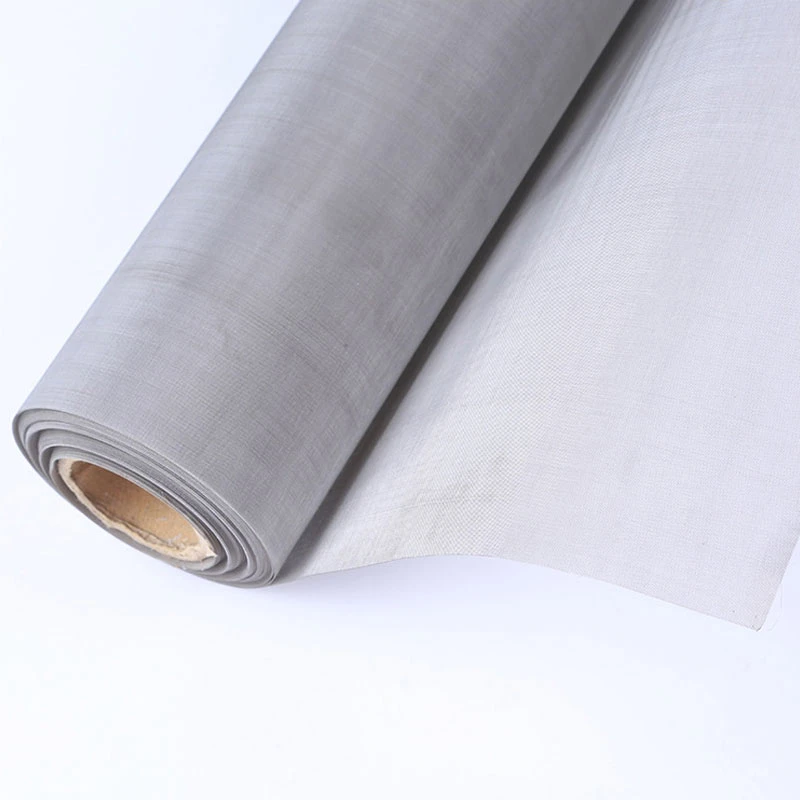
GI wire 20 gauge might sound like industrial jargon, but in reality, it’s a staple in construction, manufacturing, and agriculture across the globe. Simply put, "GI" stands for galvanized iron — iron wire coated in zinc to ward off rust — and "20 gauge" refers to the thickness of the wire, roughly 0.91 mm. It’s that sweet spot where strength meets flexibility, making it invaluable for everything from fencing to mesh production.
Why should anyone care? Well, globally, the demand for durable, affordable, and versatile materials like GI wire is ever-growing. Industries in Asia, Africa, and South America rely heavily on it — not just for quality infrastructure but also for humanitarian solutions like disaster relief fencing or agricultural enclosures. Understanding GI wire 20 gauge can mean the difference between reliable, lasting performance and costly maintenance headaches down the line.
Global Context: How GI Wire 20 Gauge Shapes Industry and Infrastructure
To appreciate the global significance, consider this: The World Steel Association reports that steel and its derivatives, including galvanized iron, underpin roughly 90% of all manufacturing sectors worldwide. In fact, the demand for galvanized wire—such as the 20 gauge variety—has surged as developing nations expand rural infrastructure and modernize agriculture.
One challenge the industry faces is balancing cost with durability. In regions prone to corrosion due to humidity or industrial pollution, plain iron wire fails too soon, causing delays and wastes of resources. GI wire 20 gauge, with its galvanized zinc coating, addresses this problem elegantly by providing enhanced longevity at a cost-effective price point.
Defining GI Wire 20 Gauge: The Basics
Let's break it down plainly. "Galvanized iron wire" is iron coated with a thin layer of zinc to prevent rust and corrosion. The "20 gauge" refers to the specific thickness according to the wire gauge standard—commonly the American Wire Gauge (AWG) or British Standard Wire Gauge (SWG). A 20 gauge wire is about 0.91 millimeters thick.
Because of this balance, the wire is tough enough to hold fences, trellises, and construction mesh in place but thin enough to be workable. It’s the go-to choice when you need durability without bulk.
Beyond industrial use, GI wire 20 gauge supports humanitarian efforts — such as temporary fencing for refugee camps or reinforcing shelters — adding social value beyond its physical properties.
Key Features that Affect Performance
Durability and Corrosion Resistance
The zinc galvanization delays rusting even in harsh weather, making GI wire 20 gauge last for years outdoors. The coating acts as a physical barrier and also provides a "sacrificial" layer, which corrodes first before the iron does.
Flexibility and Strength
One remarkable aspect is how GI wire 20 gauge balances strength with pliability. It bends easily enough for shaping into fences or reinforcement mesh but resists snapping under normal strain.
Cost-Effectiveness
Compared to stainless steel or aluminum wire, GI wire 20 gauge is more budget-friendly, which is why it’s often favored in large-scale projects with limited resources.
Scalability in Usage
From small garden fences to massive security perimeters, it scales well. Buying GI wire 20 gauge in bulk often unlocks discounts, making it viable for mega projects or tiny DIY tasks alike.
Sustainability Considerations
Though not fully “green”—due to zinc plating and iron extraction—GI wire is recyclable. Its long life means fewer replacements, indirectly contributing to less waste over time.
Mini takeaway: GI wire 20 gauge is practical because it blends strength, protection, and affordability, making it a quiet workhorse behind many industries worldwide.
Global Uses: Real-World Applications of GI Wire 20 Gauge
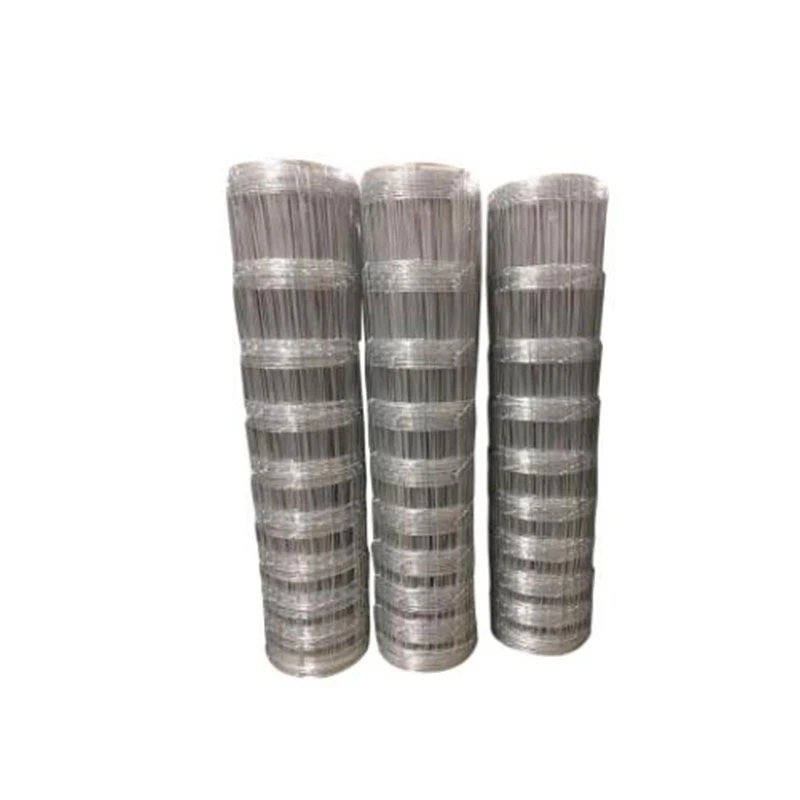
GI wire 20 gauge finds itself at the heart of many industries. In agriculture, it’s often used for fencing to protect crops from animals or to support climbing plants. For instance, rural farms in India and Kenya particularly favor it for cost-effective boundary marking.
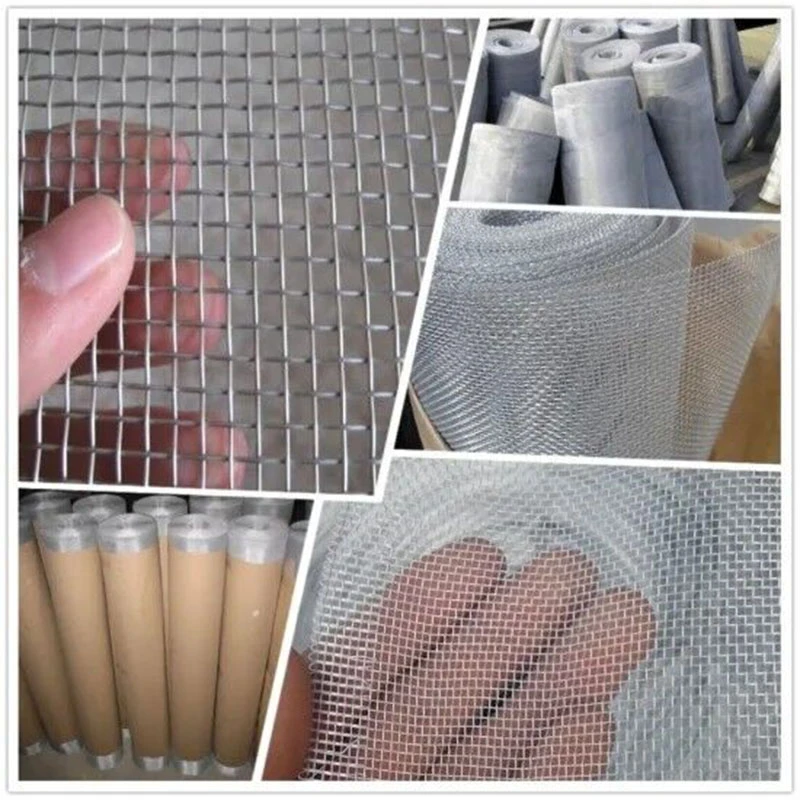
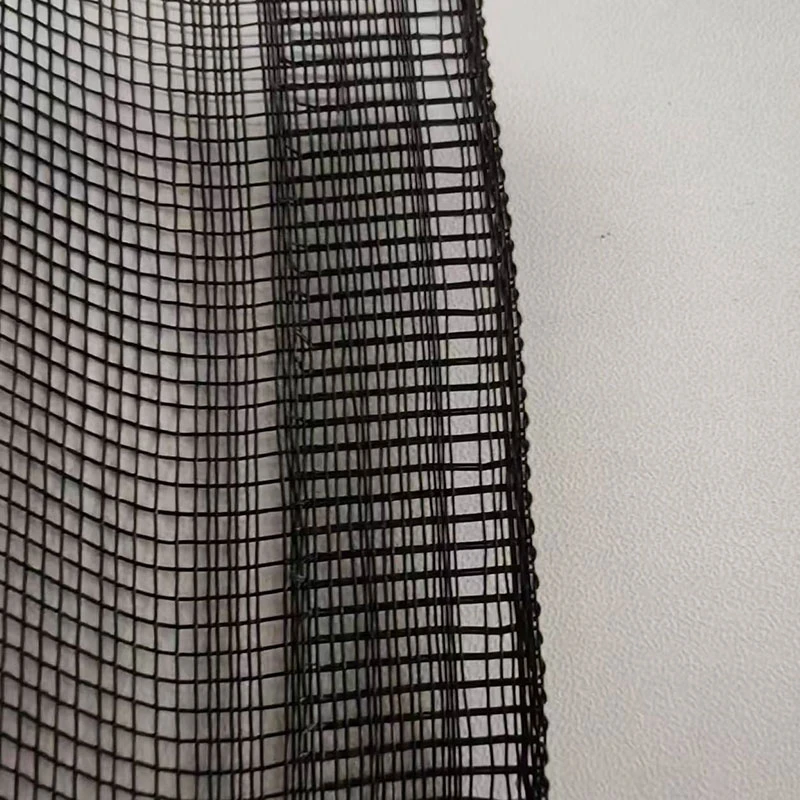
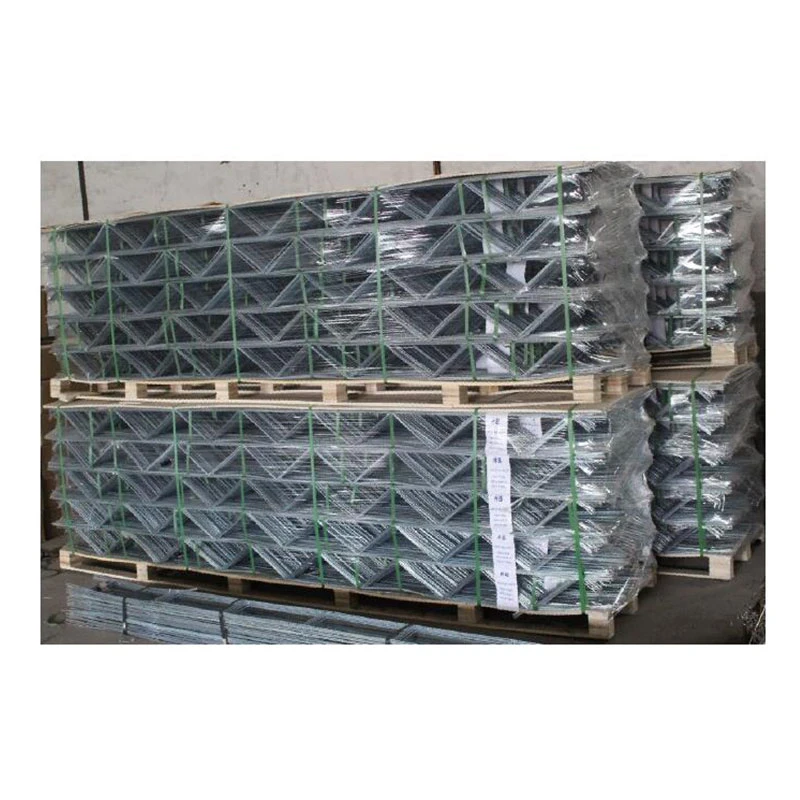
In construction, the wire is part of welded mesh frameworks, reinforcing walls, ceilings, or even security enclosures. Companies in Vietnam and Turkey, where urban development is booming, depend upon such wire for scaffolding safety nets and cable ties.
Humanitarian organizations also harness GI wire 20 gauge in disaster zones — think post-earthquake relief efforts in Nepal, where temporary fences and shelters must be erected fast but remain reliable.
gi wire 20 gauge is thus everywhere you look—kind of quietly supporting the things most of us take for granted.
Advantages & Why It Offers Long-Term Value
- Cost savings over time: The wire’s corrosion resistance means less frequent replacement, saving money and time.
- Social impact: Durable fencing can protect communities, livestock, and crops, enhancing safety and livelihoods.
- Reliability: GI wire 20 gauge’s consistent quality means engineers rarely second-guess it, improving project outcomes.
- Eco-friendliness: While not perfect, the wire’s recyclability aids circular material flows in industrial systems.
- Emotional reassurance: When a fence holds up in a storm, it feels like stability, safety, and care — intangible but impactful benefits.
Emerging Trends: What’s Next for GI Wire 20 Gauge?
With the global push for sustainable construction, manufacturers are experimenting with improved zinc coatings and incorporating zinc-aluminum alloys to extend wire life further while cutting environmental footprints.
Digital transformation in supply chains, using RFID tagging and real-time tracking, allow buyers to verify wire quality and origin — reassuring large-scale users on consistency.
On the regulatory side, stricter ISO standards for galvanized wire thickness and purity are shaping production, ultimately benefiting end users with better, more uniform material.
Challenges and Practical Solutions
Despite its strengths, GI wire 20 gauge is not perfect. Prolonged exposure to harsh chemical environments can eventually wear down zinc coatings faster than anticipated.
One way manufacturers combat this is by applying double-layer galvanization or polymer coatings in high-corrosion zones.
Another hurdle is supply chain volatility. With fluctuating steel prices, buyers sometimes face unpredictably high costs. Bulk buying and diversified sourcing are getting smarter to hedge against this.
Product Specification Table
| Specification | Details |
|---|---|
| Material | Galvanized Iron (Zinc-coated) |
| Gauge Thickness | 20 gauge (approx. 0.91 mm) |
| Tensile Strength | 380-550 MPa (depending on supplier) |
| Coating Weight | 40-70 g/m² Zinc |
| Standard Lengths | 100 m, 200 m coils (custom available) |
| Typical Uses | Fencing, mesh reinforcement, agricultural supports, wire ties |
Vendor Comparison: Popular GI Wire 20 Gauge Suppliers
| Supplier | Price per kg (USD) | Coating Quality | Delivery Time | Bulk Discounts |
|---|---|---|---|---|
| SteelCo Industries | $1.20 | High (60 g/m² Zinc) | 2-3 weeks | Available from 500 kg |
| Global Wire Ltd. | $1.05 | Medium (50 g/m² Zinc) | 1-2 weeks | Available from 300 kg |
| YJD Wire Mesh | $1.15 | High (65 g/m² Zinc) | 1 week | Available from 100 kg |
FAQ: Common Questions About GI Wire 20 Gauge
- Q: What are the main differences between 20 gauge GI wire and thicker gauges?
- A: Thicker gauges offer more strength but less flexibility and are usually heavier and more expensive. 20 gauge strikes a balance—strong enough for most fencing or mesh needs yet easy to work with for hand tools or machines.
- Q: How long can GI wire 20 gauge last outdoors?
- In typical atmospheric conditions, the zinc coating protects the wire for 5-15 years, depending on exposure to moisture, salt, and pollutants. Proper installation and occasional maintenance can extend this lifespan.
- Q: Can I use GI wire 20 gauge for livestock enclosures?
- Absolutely. Its corrosion resistance and tensile strength make it suitable for fencing moderately active animals like goats and sheep, but for stronger livestock like cattle, thicker gauges may be advisable.
- Q: Is GI wire 20 gauge recyclable?
- Yes. Both the iron core and zinc coating can be recycled. The wire should be collected and sent to appropriate metal recycling centers to minimize environmental impact.
- Q: How can international buyers ensure quality when purchasing GI wire 20 gauge?
- Ordering from reputable vendors with ISO 9001 certification and requesting product samples or quality certifications can help. Sites like YJD Wire Mesh offer verified product details and customer support for international shipping.
In Closing: Why GI Wire 20 Gauge Deserves Your Attention
It’s easy to overlook something as simple as GI wire 20 gauge, but when you stop to consider its wide-ranging utility—from protecting crops to reinforcing construction projects—you realize it’s a foundational material in many lives. Its durability, cost-effectiveness, and global availability make it a smart choice, today and well into the future.
If you want to explore quality options or learn more about how GI wire 20 gauge can serve your next project, don’t hesitate to visit our website. Sometimes, the simplest materials carry the biggest weight.