Collated Concrete Nails: The Unsung Heroes of Construction Fastening
If you’ve ever worked on a construction site—or just peeked behind the scenes—you probably appreciate the small but mighty collated concrete nails. These little guys might not get the spotlight like power tools or heavy machinery, but frankly, they’re critical in setting concrete formwork quickly and securely.
Having spent years in the industrial equipment sector, I’ve seen firsthand how these nails can make or break a job’s pace. What I find interesting is their evolution from simple hand-driven nails to carefully engineered collated strips designed for pneumatic nail guns. Honestly, it’s quite something to watch a bundle of these nails fire off with effortless precision.
For those unfamiliar, collated concrete nails come pre-arranged in strips that perfectly fit into nailers, allowing rapid fastening without fumbling over one nail at a time—a real time saver on-site. Many engineers say it’s these small improvements that compound into huge productivity gains over the project's duration.
Material & Design Considerations
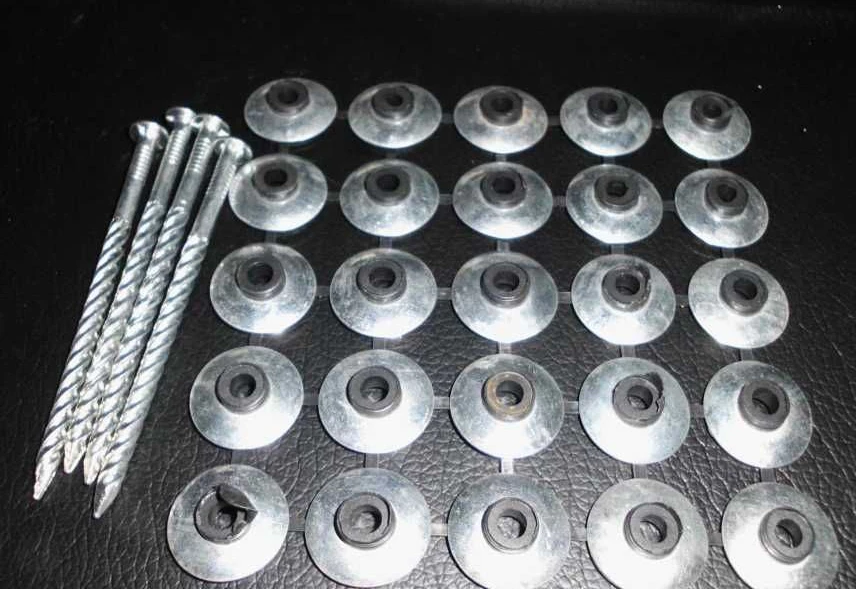
In real terms, collated concrete nails are usually made from hardened steel, sometimes galvanized or coated for corrosion resistance. The length and diameter vary depending on the application—formwork nailing, framing, or fastening wire mesh, for instance. One tidbit I find handy to share with colleagues is how the nail’s head design can affect holding power; a larger or ringed head can provide a better grip in dense concrete.
Oddly enough, nail brittleness used to be a big issue. Nails that snapped under pressure were more than annoying—they held up work and sometimes endangered operators. Modern manufacturing processes involving heat treating and strict quality control have greatly minimized these issues, reassuring those of us who depend on reliability.
Product Specifications at a Glance
| Specification | Details |
|---|---|
| Material | Hardened Steel, Galvanized Optional |
| Length | 30 mm to 50 mm standard; custom lengths available |
| Diameter | 2.5 mm to 3.1 mm |
| Collation Type | Plastic strip or wire coil |
| Recommended Tools | Pneumatic or gas-powered concrete nailers |
Choosing the Right Vendor: A Quick Comparison
Beyond the specs, I’ve come to appreciate that vendor reliability can save days—or cost you them—on a hectic project. I’ve worked with a few suppliers, and it’s clear some stand out not just for quality but for delivery consistency and customization options.
| Vendor | Quality | Customization | Delivery Speed | Price Range |
|---|---|---|---|---|
| YJD Wire Mesh | Excellent hardened steel & coatings | High custom length and collation options | Fast, reliable | Competitive |
| RustProof Nails Co. | Good, galvanized nails | Limited customization | Moderate | Mid-range |
| FastFix Fasteners | Average, basic steel | No customization | Variable | Low |
Usage and Real-World Tips
One practical tip I picked up is always matching the nail length and diameter with the density of your concrete and the formwork material. Overdriving or underdriving nails leads to wasted material or weak joints, which you simply can’t afford in large-scale projects. Also, keeping a few spare collation strips on hand makes you look like a pro when things speed up unexpectedly.
I recall a project in a humid coastal region where corrosion was a nightmare for many teams. Choosing galvanized collated nails from a trusted source like YJD Wire Mesh helped us dodge rust-related rework. In the end, it's all about understanding your environment and being prepared.
So if you ask me, the right collated concrete nail isn’t just about specs on paper but how it performs where the rubber meets the road—or in this case, the concrete meets the formwork.
In summary: small improvements in fastening tools and materials make a world of difference on the ground.
References:
- Concrete Fastening: Materials and Methods, Construction Tech Journal, 2022.
- YJD Wire Mesh Product Catalog, 2024.
- Hands-on Concrete Formwork Guide, 3rd Edition.