The Global Impact of 1.5 mm Galvanised Wire: Small Diameter, Big Benefits
At first glance, discussing 1.5 mm galvanised wire might seem like niche engineering talk. But surprisingly, this thin, resilient wire plays a crucial part in global infrastructure, manufacturing, and humanitarian efforts. For industries worldwide — from construction to agriculture — understanding this wire’s properties helps solve real-world challenges connected to durability, cost, and versatility. It’s a quiet hero in projects that require strength without heaviness, corrosion resistance without complexity.
Why does it matter globally? Well, the demand for galvanised wires is forecasted to keep rising as countries invest in sustainable infrastructure, climate-resilient housing, and secure fencing solutions. According to the International Organization for Standardization (ISO), galvanising steel wire extends its life expectancy by 50-70%, drastically reducing replacement needs and environmental waste. Plus, in industries where weight and flexibility affect transport or assembly costs — say, remote mining camps or rural electrification projects — this particular wire gauge is often the sweet spot.
Mini Takeaway: The humble 1.5 mm galvanised wire quietly supports vast sectors globally, blending strength, corrosion resistance, and cost-effectiveness to meet real-world needs.
Understanding 1.5 mm Galvanised Wire: What Exactly Is It?
Put simply, 1.5 mm galvanised wire is a steel wire with a 1.5 millimeter diameter that has been coated with a protective zinc layer through galvanisation. This process guards the steel core from rust and corrosion, especially in damp or outdoor environments. The thickness is ideal for fencing, tying, crafting wire mesh, or light structural support in building projects.
It connects deeply with the modern world — from reinforcing agricultural fencing protecting crops and livestock, to offering durable materials used in disaster-relief shelters or modular building frameworks. The galvanisation step is key: Without it, a wire that slender would corrode quickly, undermining its main benefits.
Core Features of 1.5 mm Galvanised Wire
Durability and Corrosion Resistance
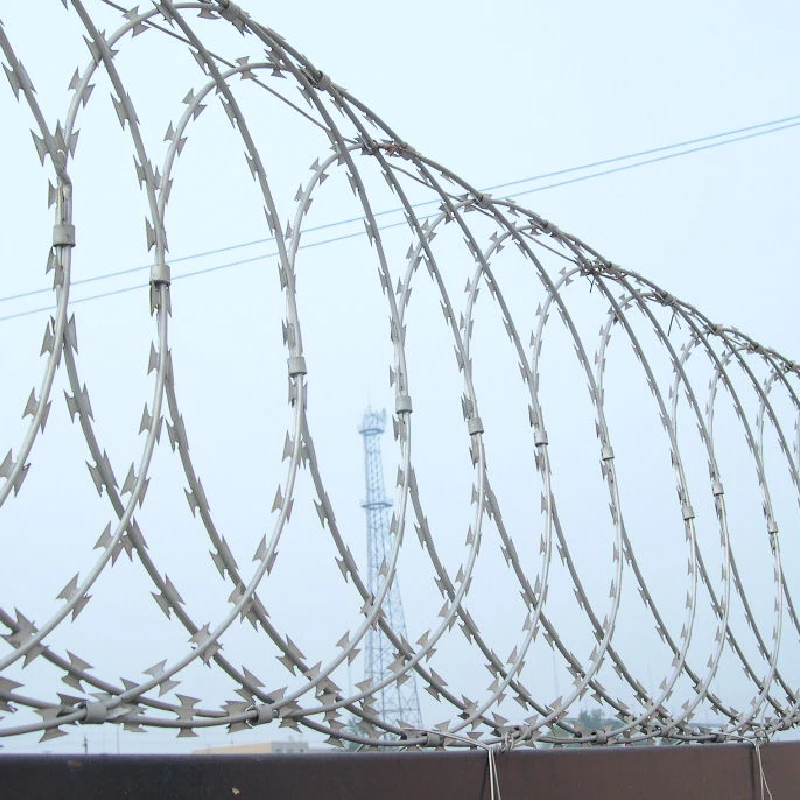
The zinc coating on the wire’s surface acts like a shield against oxygen and moisture. Especially in regions with high humidity or salt air — coastal towns, for example — this extends lifespan compared to bare steel wire. I’ve noticed many engineers swear by galvanised wire for outdoor electrical maintenance and fencing because of this ruggedness.
Flexibility and Strength
While 1.5 mm wire feels light in hand, it offers enough tensile strength to resist snapping under moderate tension. This balance makes it easy to work with during installation but sturdy enough to fulfill long-term service roles.
Cost Efficiency
Compared with thicker gauge wires or stainless steel options, 1.5 mm galvanised wire presents an affordable material choice without sacrificing performance. This often tips the scales when budgets are tight — like NGO projects or emerging market infrastructure builds.
Versatility and Scalability
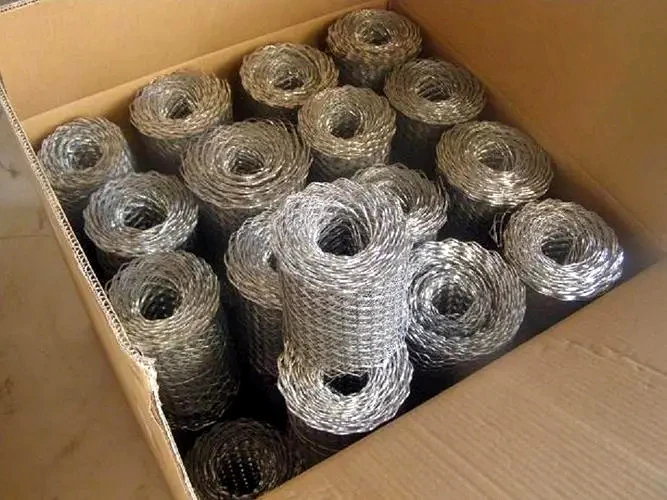
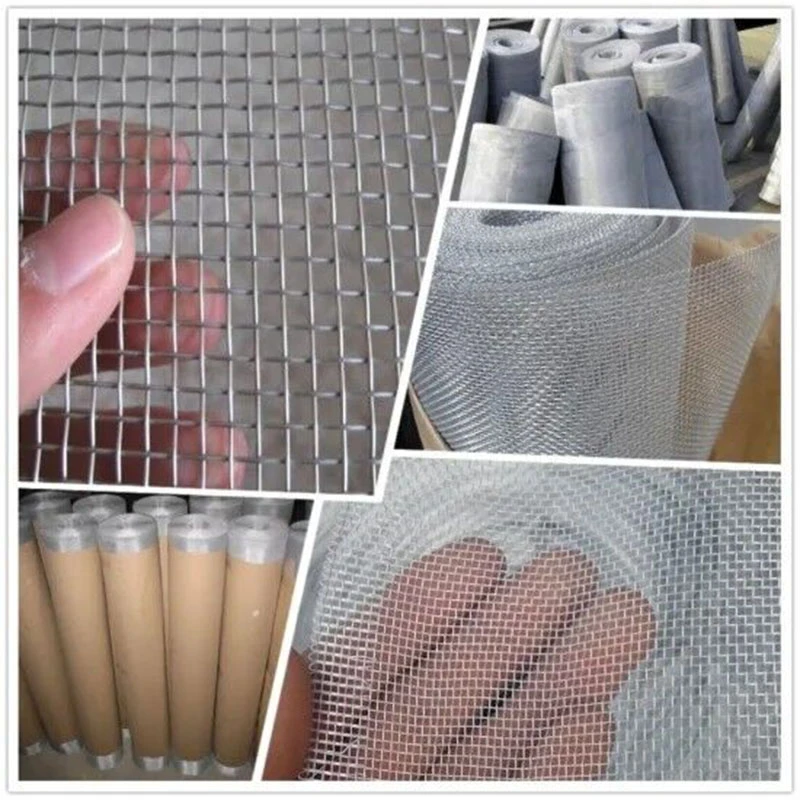
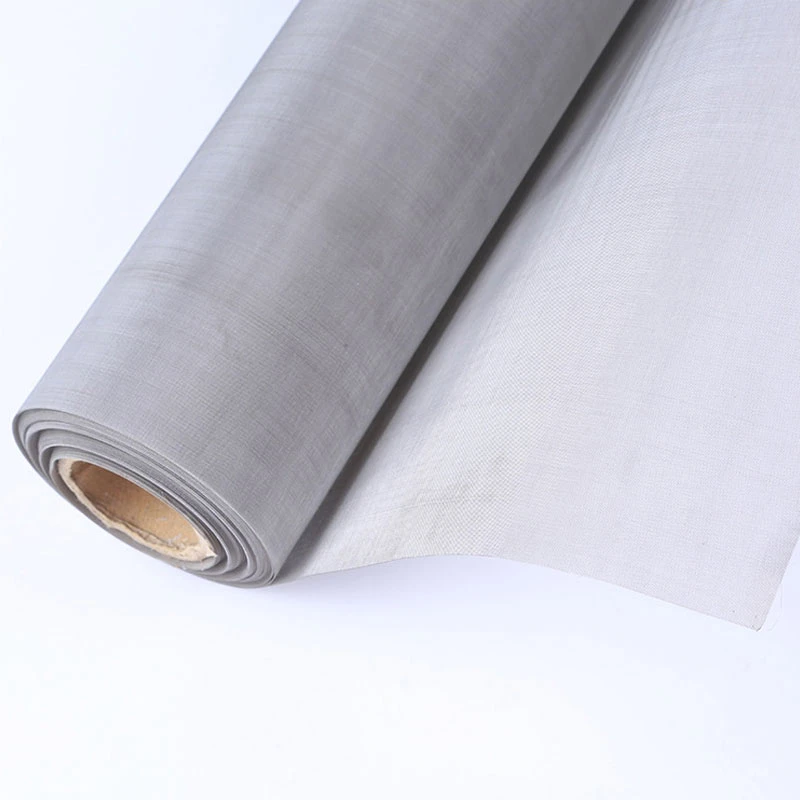
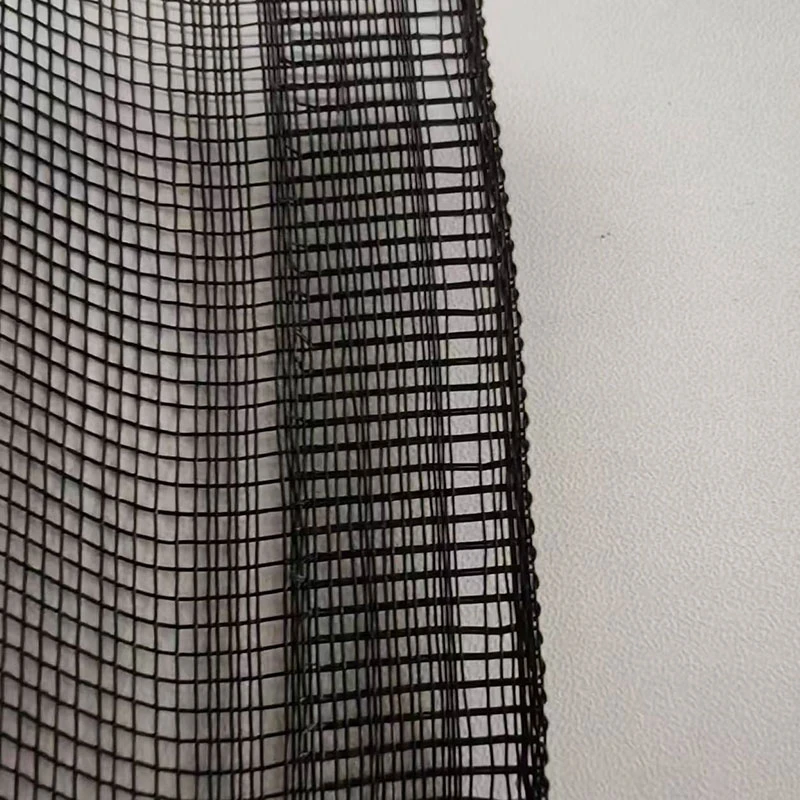
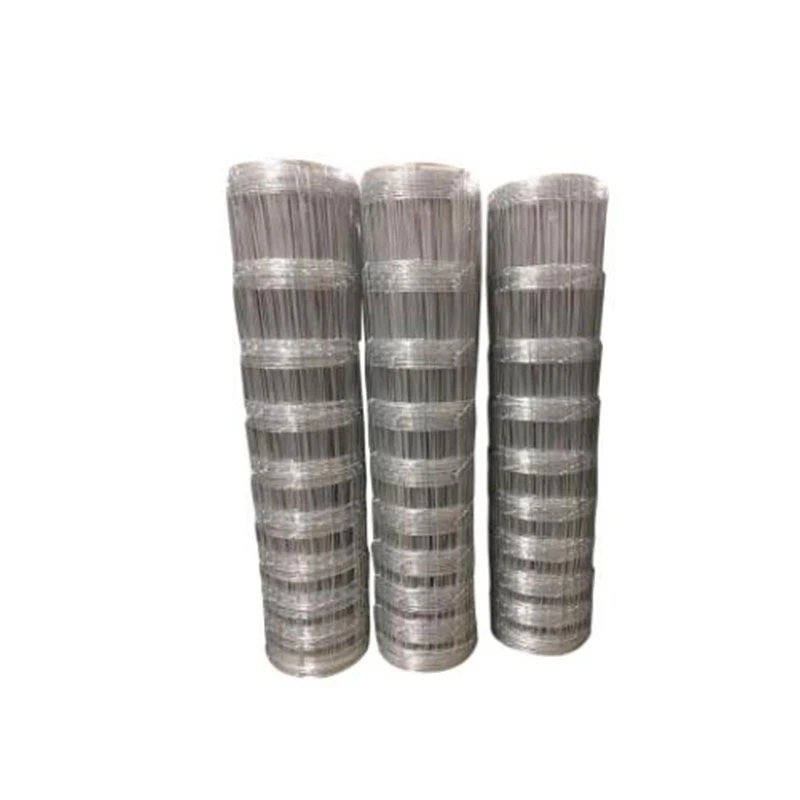
Because of its size, it can be woven into mesh, twisted into ties, or coiled as fencing, fitting various creative needs. Plus, vendors widely stock this size, ensuring rapid procurement — essential in fast-moving contexts like construction or emergency repair work.
Eco-friendly Aspects
Galvanised steel wire is recyclable and its longer service life delays disposal. As more manufacturers adopt environmentally conscious practices, this wire fits into sustainable material cycles fairly well.
Mini Takeaway: 1.5 mm galvanised wire blends protection, strength, affordability, and flexibility — a package ideal in many practical applications from farms to factories.
Where in the World Is 1.5 mm Galvanised Wire Making a Difference?
The popularity and application of this wire gauge stretch across continents. For example, in Asia’s booming agricultural sectors, it’s heavily used to secure fencing protecting crops and livestock. In East African humanitarian projects, its role in fabricating quick-assembly, galvanized wire mesh shelters has been crucial for displaced communities.
Infrastructure-wise, remote mining operations in South America utilize this wire for lightweight but durable cable ties and anchor systems where transporting heavier material isn’t viable. Meanwhile, European industries often package goods using galvanized wire for security that protects during transit.
Even in places not normally associated with major wire use — like island nations battling rising sea levels — galvanised wire frameworks are components in embankment reinforcements and green energy initiatives.
Practical Specifications of 1.5 mm Galvanised Wire
| Specification | Details |
|---|---|
| Diameter | 1.5 mm ± 0.02 mm |
| Material | High-tensile steel wire |
| Coating | Hot-dip galvanised zinc coating (55-85 g/m²) |
| Tensile Strength | 500–700 MPa |
| Standard Length | 100–1000 meters per coil |
| Typical Use Cases | Fencing, mesh manufacturing, cable ties, binding |
Vendor Comparison: Picking the Right Supplier
| Supplier | Material Quality | Price per kg (USD) | Lead Time | Certifications |
|---|---|---|---|---|
| YJD Wire Mesh | High-tensile, consistent zinc coat | 1.10 | 2 weeks | ISO 9001, RoHS |
| Global Steel Co. | Medium-tensile, thinner coating | 1.00 | 3-4 weeks | ISO 14001 |
| MetalTech Supplies | High-quality zinc, tested tensile | 1.25 | 1 week | ISO 9001, CE |
Advantages & Long-Term Value of 1.5 mm Galvanised Wire
When you factor in longevity and maintenance, choosing 1.5 mm galvanised wire pays off in spades. Lower replacement rates mean less disruption and environmental waste. From a safety perspective, reliable fencing or binding products reduce accidents and theft risks. There's also that intangible value — knowing your materials won’t let you down, whether in harsh winters or humid tropical climates.
Cost-wise, it allows for competitive pricing on assembly projects. NGOs often prefer this wire over bulkier options to speed logistics and lower transport carbon footprints. Innovators integrate this wire into smart agricultural fences, enabling sensors and IoT devices without adding extra wiring weight. It feels like a small piece of big future tech embedded in a modest wire strand.
Emerging Trends & the Future of Galvanised Wire
We’re seeing a push toward greener galvanising methods, limiting heavy metals in runoff and using renewable energy for the coating process. Digital transformation also means smarter quality control: automated tensile strength testing and real-time corrosion resistance scanning — odd to imagine a ‘smart wire,’ but here we are.
Additionally, innovations in zinc layering combined with nano-coatings promise even longer life spans and corrosion resistance tailored for marine or desert environments. That kind of customized protection will be invaluable as infrastructure adapts to climate extremes.
Challenges and How Experts Overcome Them
One challenge is maintaining coating consistency during large-scale manufacture; uneven layers reduce corrosion protection. Experienced vendors, like YJD Wire Mesh, combine real-time galvanising checks with post-production tensile tests to ensure quality doesn’t dip.
Another limitation is supply chain delays, especially with demand spikes from emergency relief or agricultural seasons. Strategic stockpiling and diversified vendor sourcing are practical solutions. Meanwhile, new surface treatments under development help wires perform better in acidic or polluted environments — expanding their utility.
FAQ: Your Burning Questions on 1.5 mm Galvanised Wire Answered
-
Q: What makes 1.5 mm galvanised wire better than plain steel wire for fencing?
A: The galvanised coating protects the wire from rust and corrosion, which extends the lifespan dramatically, especially in outdoor or harsh environments. Plain steel would quickly weaken, causing frequent repairs or replacements. -
Q: How long can 1.5 mm galvanised wire last in coastal conditions?
A: With proper galvanisation (hot-dip zinc coating of 55-85 g/m²), this wire can last 20+ years in salt-air conditions, far outperforming uncoated steel. -
Q: Is 1.5 mm galvanised wire suitable for electrical cable ties?
A: Yes. It provides strength and corrosion resistance without adding excessive bulk, making it ideal for securing cables in outdoor and industrial settings. -
Q: How can NGOs import quality galvanised wire internationally?
A: Working with established suppliers like YJD Wire Mesh offering certifications (ISO 9001, RoHS) can simplify customs clearance and ensure compliance with international standards.
In Conclusion: Why 1.5 mm Galvanised Wire Deserves a Place on Your Material List
In a world where materials are often over-engineered or cost-cut to breaking, the 1.5 mm galvanised wire strikes a rare balance of quality and economy. It quietly reinforces physical and economic infrastructure from farms to factories, and communities to construction sites worldwide. Its small diameter belies a mighty list of benefits that include corrosion resistance, flexibility, affordability, and a surprising role in innovative technologies.
If you’re considering reliable, versatile wire solutions for upcoming projects or stock replenishment, visit our website for detailed product info, competitive pricing, and expert guidance. Sometimes the tiniest wire makes the biggest difference.