Understanding 9 Gauge Tension Wire: Why It Matters Globally
If you've ever wondered what keeps fences taut, or how infrastructure stays tightly secured across vast industries, the answer often involves 9 gauge tension wire. It's one of those unsung heroes quietly holding everything from livestock enclosures to high-security perimeters in place. At first glance, tension wire seems simple — just steel wire, right? But its role is far more pivotal than most imagine.
From agricultural development in Asia to humanitarian projects in Africa, tension wire quality impacts everything from safety to cost-effectiveness. As global infrastructure projects evolve, understanding these materials deeply can unlock better solutions for builders, governments, and organizations alike.
The Global Context: Why 9 Gauge Tension Wire Is a Game-Changer
Globally, steel consumption in construction and fencing has risen steadily. According to the World Steel Association, over 1.9 billion tons of steel were produced worldwide in 2023, with a significant fraction destined for fencing and support applications.
In many rural and developing areas, the challenge is building reliable fencing and barriers that withstand harsh weather without exorbitant cost. Here, tension wire with a gauge like 9 strikes a near-perfect balance. It offers the durability needed while keeping expenses manageable.
Consider this: poorly maintained fencing can lead to livestock escape, increased theft, or boundary disputes — which carry social and economic consequences. High-quality tension wire is central to preventing those losses.
Mini Takeaway:
- 9 gauge tension wire serves as a critical component in modern fencing worldwide.
- Its balance of strength, cost, and durability addresses global infrastructure challenges.
- Reliable fencing safeguards livelihoods, property, and biodiversity in many regions.
Defining 9 Gauge Tension Wire: What Is It?
So, what exactly does "9 gauge" mean here? The gauge system measures wire thickness; for steel wire, 9 gauge corresponds to approximately 3.76 millimeters (around 0.15 inches) in diameter. This thickness offers a good middle ground: strong enough for heavy loads but still flexible for winding and installation.
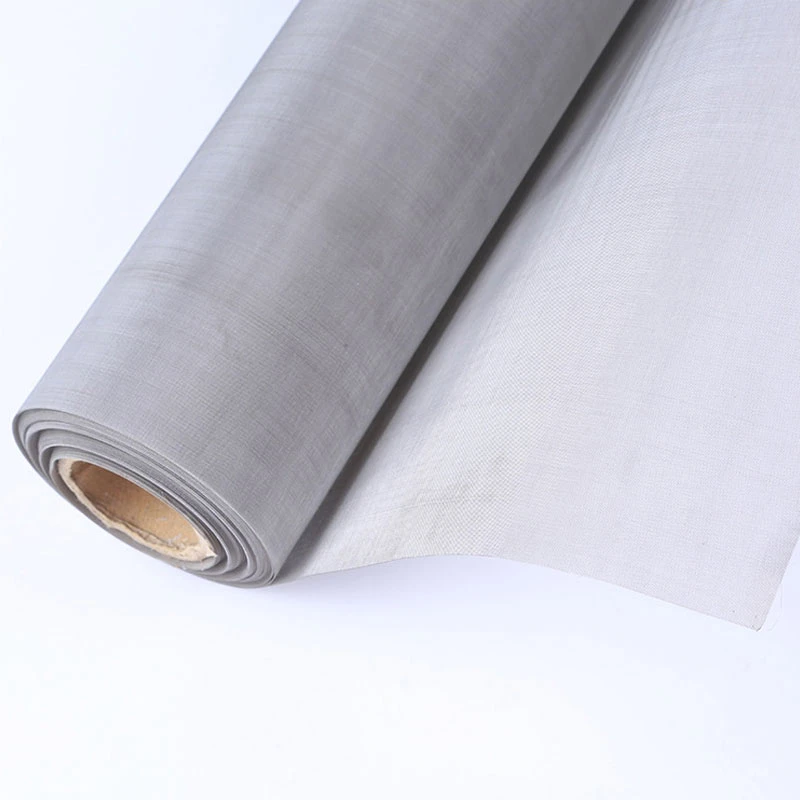
Tension wire is typically made from galvanized steel — which is steel coated in zinc to fight rust and corrosion — picked aside from its role in fences, it’s also essential in construction bracing, mesh fences, and even erosion control.
In humanitarian settings, like refugee camps or disaster relief zones, tension wire fences help create temporary but secure housing zones, allowing organisations to swiftly assemble safe perimeters.
Mini Takeaway:
- 9 gauge wire thickness = ~3.76mm, balancing strength and flexibility.
- Galvanized steel construction offers corrosion resistance for longevity.
- Used in fencing, construction, and humanitarian aid contexts alike.
Core Components of 9 Gauge Tension Wire
Durability
Steel’s inherent strength combined with galvanization means this tension wire withstands outdoor elements for decades. The zinc coating combats rust from rain, humidity, or salty coastal air, preserving tensile strength — which many engineers say is around 1800 MPa (megapascals), enough to keep fences unyielding even under stress.
Flexibility
Oddly enough, metal wire this thick still bends enough for installers to maneuver without cracking. This flexibility allows quicker installation, especially helpful in rough terrain or challenging sites.
Cost Efficiency
Compared to thicker wire or stainless steel, 9 gauge wire offers economical value. Its widespread manufacture keeps prices competitive, making it ideal for large-scale projects with tight budgets — like agricultural fencing or government programs.
Compatability with Mesh and Accessories
Whether tied to wire mesh, barbed wire, or fencing staples, 9 gauge tension wire integrates seamlessly. This plays a huge role in modular fencing designs and scaling projects up or down as needed.
Resistance to Environmental Factors
Besides rust, UV exposure and temperature swings don’t degrade it quickly. This longevity reduces maintenance costs and downtime in the field.
Mini Takeaway:
- Durability, flexibility, and cost-efficiency form the wire’s backbone.
- Environmental resistance makes it a dependable choice worldwide.
- Compatibility ensures it fits diverse fencing needs with modular ease.
Global Applications and Use Cases
Real-world examples underscore the breadth of 9 gauge tension wire's usefulness:
- Agriculture in Australia and New Zealand: Livestock fencing in wide-open spaces demands strong tension wire to prevent stray animals and protect grazing lands.
- Post-disaster relief in Southeast Asia: In cyclone-hit zones, NGOs use tension wire fences to set up immediate safe zones for evacuees and aid distribution.
- Security fencing in North America and Europe: Industrial sites often employ 9 gauge wire for perimeter security, balancing strength with installation speed.
- Infrastructure projects in Africa: As countries expand infrastructure, tension wire is used widely in road barriers, bridges, and construction safety fencing.
There’s even growing demand in emerging markets where DIY farmers and small enterprises source this wire for affordable protective fencing.
Mini Takeaway:
- Used in agriculture, disaster relief, security, and infrastructure worldwide.
- Enables quick, durable installation even in remote or challenging environments.
- Benefits diverse industries from NGO aid to private farming.
Advantages and Long-Term Value of 9 Gauge Tension Wire
The logical benefits are clear: it’s cost-effective, durable, and easy to maintain. But there’s also an emotional side people overlook — it’s about peace of mind. Farmers, relief workers, or security managers can trust fences built with quality tension wire hold up when it matters most.
Investing upfront saves on costly repairs. It also means less worry about livestock theft, trespassing, or boundary disputes. The wire’s longevity ensures sustainability: fewer replacements mean less environmental waste over time.
Mini Takeaway:
- Offers solid return on investment through longevity and reliability.
- Supports safety and trust across communities and enterprises.
- Aligns with sustainability goals through longevity and reduced waste.
What’s Next? Future Trends and Innovations
Looking ahead, manufacturers are exploring eco-friendlier coatings and advanced alloys to reduce carbon footprint while enhancing strength. Some companies are experimenting with polymer coatings that improve UV and abrasion resistance without sacrificing recyclability.
Automation in wire production means tighter quality control and more consistent gauge sizing — critical when matching tension specifications. Digital innovation also plays a role, with QR codes tracking batch origins, ensuring supply-chain transparency for large projects.
Additionally, as sustainable infrastructure draws focus globally, tension wire integrated with green fencing solutions (like solar-powered electric fences) is growing in appeal.
Mini Takeaway:
- Advanced coatings and materials promise greater durability and sustainability.
- Digital tools improve traceability, quality, and project management.
- Integration with renewable tech will shape fencing innovation.
Challenges and How Industry Leaders Solve Them
While 9 gauge tension wire is robust, issues do arise:
- Corrosion beyond galvanization can occur in extremely salty or acidic environments.
- Improper installation reduces lifespan and allows sagging.
- Supply inconsistency leads to variable wire strength in some regions.
Industry experts recommend applying supplementary coatings for coastal projects, offering installer training programs, and sourcing wire from trusted suppliers to mitigate these challenges.
Mini Takeaway:
- Environmental wear and installation mistakes pose common risks.
- Additional coatings and training improve wire durability and fence performance.
- Choosing reputable vendors ensures consistent wire quality.
FAQs: Your 9 Gauge Tension Wire Questions Answered
| What thickness does 9 gauge tension wire have in millimeters? |
| 9 gauge steel wire is about 3.76 millimeters thick, offering a sturdy balance between strength and flexibility ideal for fencing applications. |
| How long can a 9 gauge galvanized tension wire last outdoors? |
| With proper galvanization, it typically lasts 15–25 years depending on environmental exposure and maintenance, maintaining tensile strength throughout. |
| Can 9 gauge tension wire be used with barbed wire? |
| Absolutely. Many fencing systems combine 9 gauge tension wire as a base with barbed wire atop for extra security and deterrence. |
| Where can I source reliable 9 gauge tension wire? |
| Reputable manufacturers and distributors are found globally, but checking for quality certifications and galvanization standards is essential. You can start with 9 gauge tension wire providers. |
The Specifications and Vendor Comparison You Should Know
| Specification | Typical Value |
|---|---|
| Wire Diameter | 3.76 mm (9 gauge) |
| Material | Galvanized Steel |
| Tensile Strength | 1,800 MPa |
| Coating Thickness | 40–80 g/m² Zinc |
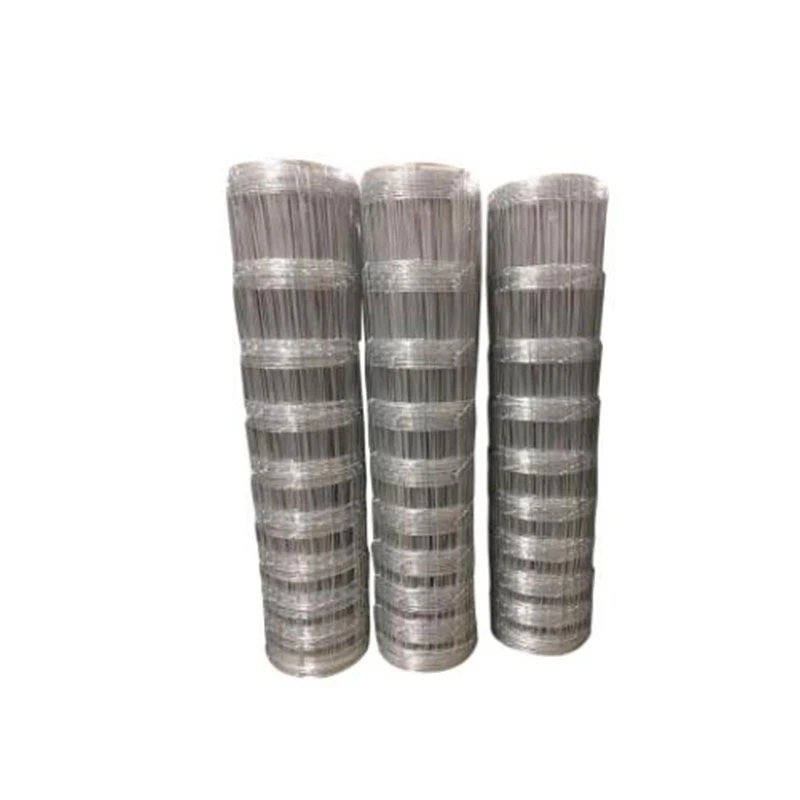
| Length Per Roll | 1000 m (typical) |
| Approximate Weight (per roll) | 40–45 kg |
| Vendor | Coating Quality | Price Range | Customer Reviews | Lead Time |
|---|---|---|---|---|
| YJD Wire Mesh | Excellent (60 g/m² zinc) | Competitive | 4.7/5 | 2 weeks |
| Gate Steel Co. | Good (45 g/m² zinc) | Moderate | 4.0/5 | 3–4 weeks |
| SteelPro Solutions | Fair (40 g/m² zinc) | Budget | 3.8/5 | 1 week |
Wrapping Up: Why Choose 9 Gauge Tension Wire?
All things considered, 9 gauge tension wire presents a reliable, affordable, and long-lasting fencing solution that’s earned global trust. Its combination of durability, cost efficiency, and versatility meets the needs of farmers, builders, relief organisations, and security experts across continents.
If you’re looking to implement or upgrade your fencing system, understanding the benefits of this wire gauge and sourcing quality product like the ones provided by 9 gauge tension wire suppliers is a smart step.
So next time you walk by a fence that just “stays put,” there’s a good chance 9 gauge tension wire is the quiet sentinel working hard behind the scenes.
For more details and bulk purchases, visit https://www.yjdwiremesh.com to explore your options.