Understanding 18 Gauge Galvanized Wire: A Vital Material in Modern Industry
When it comes to materials that quietly hold entire construction projects, agricultural setups, or even humanitarian efforts together, 18 gauge galvanized wire is one of those unassuming heroes. You might not have a direct encounter with it, but its presence is all around — in fences, cages, reinforcement, and countless other applications. Globally, as industries seek durability combined with cost efficiency, galvanized wire, especially the 18 gauge variety, has carved out a critical niche.
Why does this matter? Well, consider the estimated growth in infrastructure and farming sectors worldwide. According to the World Bank, infrastructure investments continue to surge, with rural electrification and fencing projects growing rapidly in developing nations. All these require reliable materials — and galvanized wire ticks a lot of those boxes. Plus, its corrosion resistance translates into longer asset life, fewer repairs, and, frankly, less waste dumped in landfills.
The Global Role of 18 Gauge Galvanized Wire in Today's Economy
Galloping industrialization isn’t exclusive to developed countries anymore. In places ranging from Southeast Asia to Sub-Saharan Africa, fence installation or infrastructure repairs often rely on galvanized wire because it's affordable, effective, and adaptable. UN studies point out that infrastructure resilience is a keystone for sustainable development, and here, materials that withstand weather and usage can’t be overstated. Yet challenges such as rapid weathering, theft of metal wire, or inconsistent quality often make choosing the right wire gauge and coating method something of a puzzle for engineers and procurement officers alike.
So, what makes 18 gauge galvanized wire a practical solution? Let’s dive into that.
What Exactly is 18 Gauge Galvanized Wire?
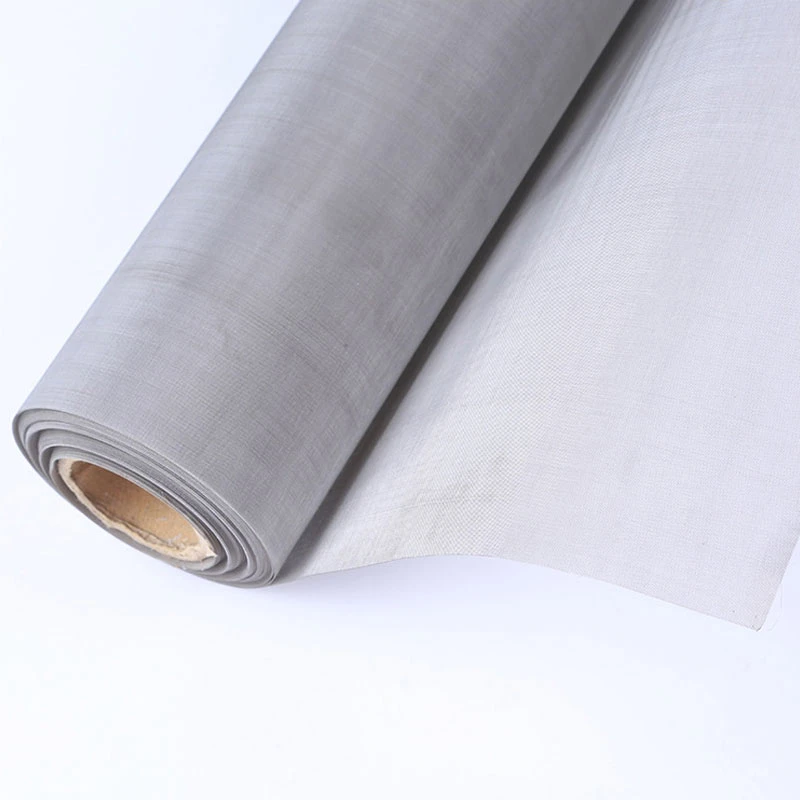
At its core, 18 gauge galvanized wire is simply a steel wire of a particular thickness—about 1.2 mm in diameter—coated with a protective layer of zinc. The “galvanization” process is the zinc coating that acts as a shield against corrosion like rust. This wire gauge is a sweet spot between strength and flexibility, making it a go-to choice for fencing, mesh, binding, and reinforcement applications.
This wire isn't just any fastener; it’s become integral to modern industry and humanitarian aid. For example, in post-disaster areas, quick fencing for safety or temporary shelters often relies on wires that can last months, sometimes years, under stressful conditions. So, you see, the technology here — though old — remains relevant and vital.
Mini Takeaway:
- 18 gauge galvanized wire balances strength and workability.
- Galvanization ensures longevity in harsh environments.
- Widely used in construction, agriculture, and disaster relief.
Core Aspects of 18 Gauge Galvanized Wire That Matter
Durability and Corrosion Resistance
One of the biggest factors why industries prefer 18 gauge galvanized wire is its zinc coating that fights rust. Especially in humid or coastal environments, untreated steel will quickly degrade. Zinc acts sacrificially, corroding instead of the underlying steel wire. This corrosion resistance often increases the wire's life by up to 3-4 times compared to non-galvanized counterparts — and that kind of longevity translates into lower replacement costs.
Application Versatility
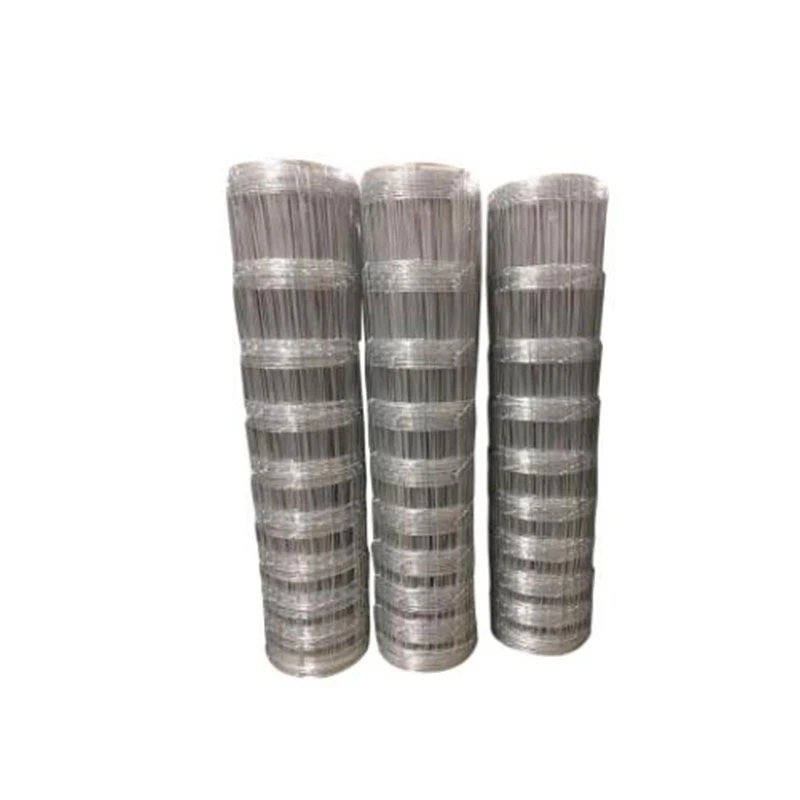
This gauge is neither too thick nor too thin: it’s flexible enough to mount on various frames but robust enough not to snap under moderate tension. Whether it’s for poultry fencing in rural farms or constructing mesh panels in urban construction, 18 gauge galvanized wire adapts.
Cost Efficiency
Balancing quality and price, 18 gauge wire offers considerable value. It’s commonly available and inexpensive relative to heavier gauges or stainless steel alternatives. For large-scale projects on a budget, it hits a sweet spot, cutting both upfront and lifecycle costs.
Environmental Sustainability
Although steel is an energy-intensive product, galvanized wire’s durability means less frequent replacement and reduced resource consumption in the long run. Moreover, many manufacturers are improving their galvanization processes to reduce environmental impact.
Ease of Handling and Installation
Workers often report that 18 gauge galvanized wire is easier to work with manually or via machinery. It bends just right for twisting and fastening without excessive breakage, which is crucial in fast deployment settings.
Mini Takeaway:
- Corrosion resistance dramatically extends product life.
- Fits a wide range of uses from agriculture to construction.
- Costs work out well over time, considering durability.
Where and How Is 18 Gauge Galvanized Wire Used Globally?
The applications are broad and varied:
- Agriculture: Livestock fencing, vine supports, and garden cages — from the US Midwest to African farms.
- Construction: Reinforcement mesh for concrete, temporary barriers, and safety fencing on sites worldwide.
- Disaster Relief: NGOs use it for quick fencing in refugee camps, or to stabilize temporary shelters in aftermath zones.
- Industrial Manufacturing: Binding bundles, making wire mesh products, or scaffold supports.
- Home & DIY: Garden projects, craft wirework, or even bird cages.
For instance, in cyclone-prone coastal India, galvanized wire fencing is a mainstay for securing agricultural plots against livestock and wind damage for seasons at a time. Meanwhile, NGOs in Central America prioritize this wire for its ease of shipment and reliability when building safe zones post-hurricane disasters.
Advantages That Keep This Wire Gauge in Demand
There’s a lot to appreciate:
- Reliability: When you need a material that won’t suddenly fail and cause costly downtime or safety issues, galvanized wire delivers.
- Cost Savings: You get a durable product without blowing the budget.
- Safety and Social Impact: Fencing around schools, farms, or disaster relief zones means communities feel safer and property is protected.
- Innovation-Friendly: It works nicely with modern automated installation equipment and can be customized with coatings or alloys.
There's an emotional side too — communities where fencing helps protect crops or livestock often speak about increased dignity and security. It’s more than metal; it’s a foundation for livelihoods.
Product Specification Table
| Specification | Detail |
|---|---|
| Wire Diameter | 1.2 mm (18 Gauge) |
| Material | High-quality low-carbon steel |
| Coating | Zinc galvanization (Hot-dip or Electro-galvanized) |
| Tensile Strength | 350–420 MPa |
| Weight per 100 meters | ~1.44 kg |
| Typical Applications | Fencing, binding, mesh, supports |
Vendor Comparison: Common Providers of 18 Gauge Galvanized Wire
| Vendor | Coating Type | Max Tensile Strength | Typical Price Range | Lead Time |
|---|---|---|---|---|
| Global Steel Corp. | Hot-dip Galvanized | 420 MPa | $$ | 2–3 weeks |
| EcoWire Solutions | Electro-Galvanized | 370 MPa | $ | 1 week |
| YJD Wire Mesh Co. | Hot-dip Galvanized | 400 MPa | $$ | 1–2 weeks |
Looking Ahead: The Future of Galvanized Wire
Now, here’s where it gets interesting from a sustainability and tech standpoint. Industry experts predict that the galvanizing process will evolve significantly to reduce emissions, scrap, and energy consumption — pushing the sector toward greener credentials. Additionally, coatings infused with nanoparticles or organic inhibitors might offer even longer corrosion protection.
Automation and digital tracking of wire batches help assure quality and traceability, especially in export-heavy markets. Oddly enough, as 18 gauge galvanized wire is a seemingly simple product, innovations here represent major industrial progress. And if you zoom out, this ties into the UN’s Sustainable Development Goals, highlighting resilient infrastructure and sustainable industry as priorities. So this little wire in your fence post is not just 'wire' — it’s a critical thread weaving through global progress.
Common Challenges — And How to Work Around Them
Like any product, 18 gauge galvanized wire isn’t flawless. Some challenges users report:
- Corrosion in Extremely Harsh Environments: Salt spray zones may push galvanized coatings beyond limits. Solution? Specialized thicker coatings or alternative materials like stainless steel in extreme coastal zones.
- Metal Theft: In some regions, metal theft drives up replacement costs. Solutions include tamper-proof fasteners or embedding wire mesh within inaccessible frames.
- Quality Inconsistencies: Vendors vary, so consistent sourcing from reputable suppliers (like this one) matters immensely.
FAQ: Frequently Asked Questions About 18 Gauge Galvanized Wire
- Q: How long does 18 gauge galvanized wire typically last outdoors?
- A: Depending on coating thickness, climate, and application, it can last anywhere from 10 to 20 years before significant corrosion occurs, especially if the wire is hot-dip galvanized, which offers superior protection.
- Q: Is 18 gauge galvanized wire suitable for electric fencing?
- A: It can be used for electric fencing but is not optimal as zinc coating may resist conductivity compared to bare steel wire. Often, it's combined with a conductive core or used for support elements rather than as the primary electrified line.
- Q: Can galvanized wire be painted or coated again?
- A: Yes, galvanized surfaces can be painted with proper pre-paint treatment to improve aesthetics or enhance corrosion resistance. However, surface preparation is critical for good adhesion.
- Q: What’s the difference between hot-dip and electro-galvanized wire?
- A: Hot-dip galvanization dips the wire in molten zinc, creating a thicker and more durable coating. Electro-galvanization uses electrical current to bond zinc, resulting in a thinner coating but generally lower cost.
Conclusion: Why 18 Gauge Galvanized Wire Remains a Smart Choice
Ultimately, whether you’re in construction, agriculture, or even humanitarian aid, 18 gauge galvanized wire strikes a compelling balance of strength, durability, and affordability. Its galvanized coating protects against time and elements, making it a reliable partner for long-term projects. Industrial trends suggest this product will continue evolving with greener manufacturing processes and smarter supply chains, so investing in quality galvanized wire today means fewer headaches tomorrow.
If you want to explore options or need customized orders, I encourage you to visit https://www.yjdwiremesh.com — they have a solid lineup and great technical support.
Mini Takeaway:
- 18 gauge galvanized wire combines versatility and durability at a reasonable cost.
- Widely used around the world in diverse industries and climates.
- Future innovations promise sustainability improvements without sacrificing reliability.