Understanding 1mm Galvanised Wire: A Subtle Yet Vital Industry Staple
There’s something quietly impressive about 1mm galvanised wire. You might pass by it in a construction site or a farm fence and scarcely give it a second thought. But globally, this thin, tough wire punches way above its weight. It’s a tiny hero in industries ranging from agriculture to infrastructure, contributing to durability, safety, and sustainability efforts worldwide. Grasping what 1mm galvanised wire offers—not just the wire itself but the design, treatment, and applications—can unlock better choices in manufacturing, engineering, and humanitarian missions alike.
Why Does 1mm Galvanised Wire Matter on a Global Scale?
According to the International Organization for Standardization (ISO), galvanised steel wire demand has been growing steadily—primarily driven by urban expansion and rising infrastructure needs in Asia and Africa. The 1mm galvanised wire thickness is often a sweet spot where strength and flexibility meet affordability, which is critical for countries investing in cost-effective, lasting materials. Approximately 40 million tons of steel wire products are produced globally each year, a sizeable chunk of which is galvanised to resist rust and extend lifespan, which these days isn’t just preference—it’s necessity, considering climate challenges and wear.
One head-scratcher for many engineers is how to build flexible but robust materials that don’t degrade quickly in harsh terrestrial or marine environments. That 1mm galvanised wire addresses this problem better than most alternatives means it’s quietly supporting everything from fence lines to mesh containers used in shipping.
What Exactly is 1mm Galvanised Wire?
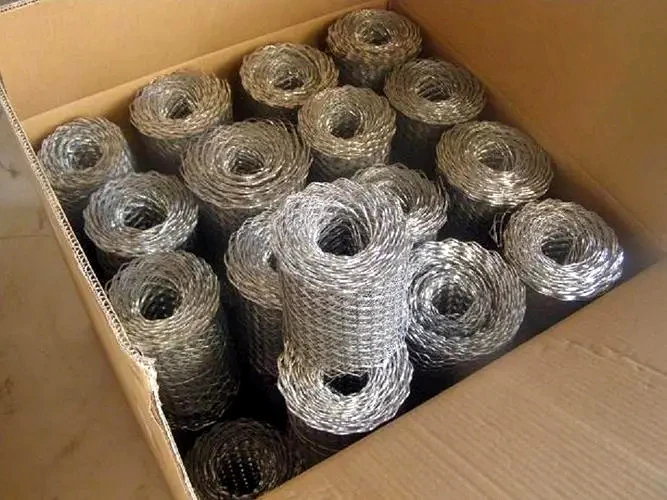
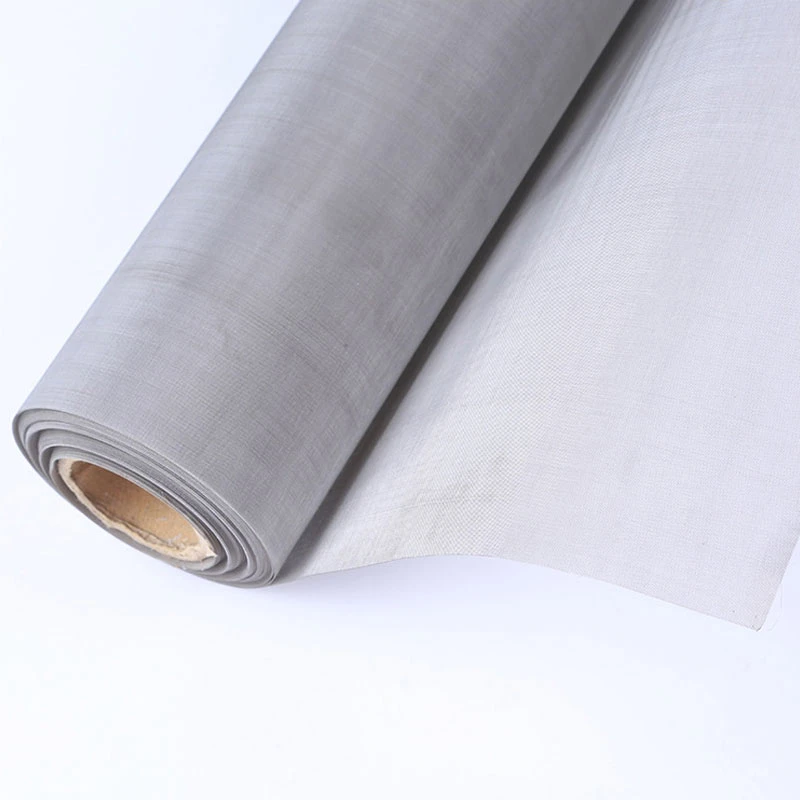
Simply put, 1mm galvanised wire is a steel wire with a 1-millimeter diameter, coated with a layer of zinc. This zinc coating shields the core metal from corrosion and rust. When you think about galvanising, picture a protective armor that keeps the core viable during wet, salty, or abrasive conditions. No magic, just chemistry and manufacturing precision.
This wire might be thin, but it is far from fragile. In fact, its strength-to-size ratio is ideal for modern construction meshes, cable reinforcements, and even humanitarian shelters where quick installation and durability are needed, but not every tiny gram counts. Plus, it’s reusable, recyclable, and increasingly important in sustainability-building initiatives.
Core Components That Define 1mm Galvanised Wire
Durability
The zinc galvanising literally buys the wire protection against oxidation. This means less maintenance, fewer replacements, and far less chance of structural compromise—so structures don’t just hold, they endure. In humid tropical zones or salty coastal regions, this longevity is a game-changer.
Flexibility & Strength
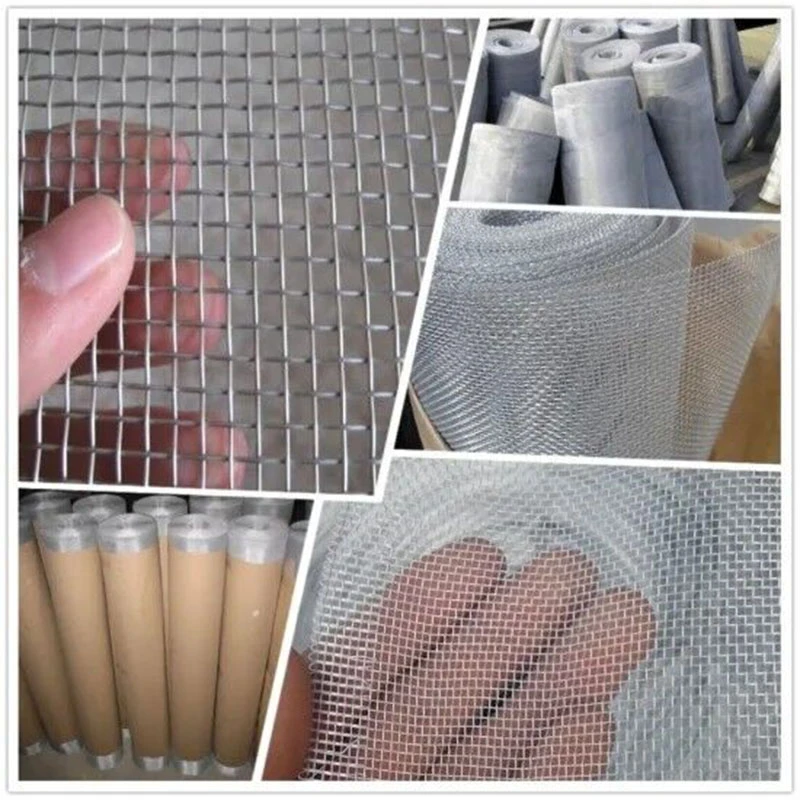
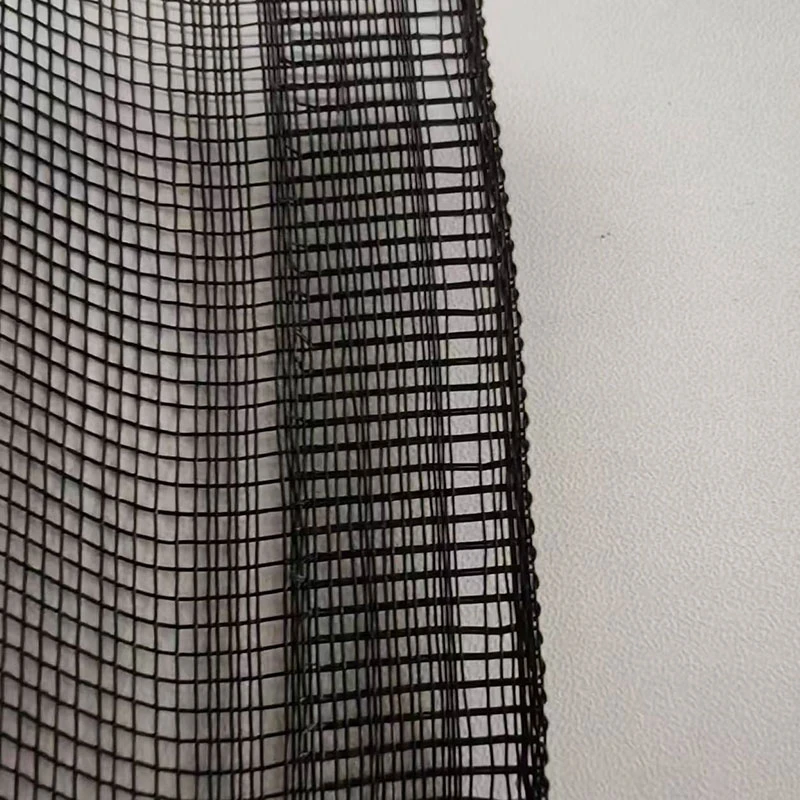
At 1mm, the wire cleverly balances tensile strength with bendability. It can be woven or twisted into meshes, fences, or cable bindings without breaking—a crucial factor when you’re crafting flexible yet secure frameworks.
Cost Effectiveness
Its thinness means less metal per meter, and galvanising extends lifespan significantly. This combo slashes lifecycle costs—a rare treat in a world of materials that trade off either upfront or upkeep expense.
Corrosion Resistance
Perhaps the headline trait: zinc sacrificially corrodes instead of the steel itself. This galvanic protection delays rust and weakness for years—meaning engineers and end users breathe easier.
Eco-Friendliness
Galvanised wires are often recyclable, and improvements in galvanising processes have reduced environmental impact. It’s slowly becoming a material of choice for green construction projects seeking both durability and sustainability.
| Feature | Specification |
|---|---|
| Diameter | 1.00 mm ± 0.02 mm |
| Zinc Coating Thickness | 60 to 100 g/m² (Hot-dip galvanised) |
| Tensile Strength | 450 - 550 MPa |
| Elongation | Approximately 10-15% |
| Standard | ISO 1461 / ASTM A641 |
| Typical Uses | Fencing, mesh, cable armouring, construction supports |
Mini takeaway: By mastering the specs, you appreciate how a seemingly thin wire serves tough, lasting industrial roles globally.
Where Is 1mm Galvanised Wire Making a Difference?
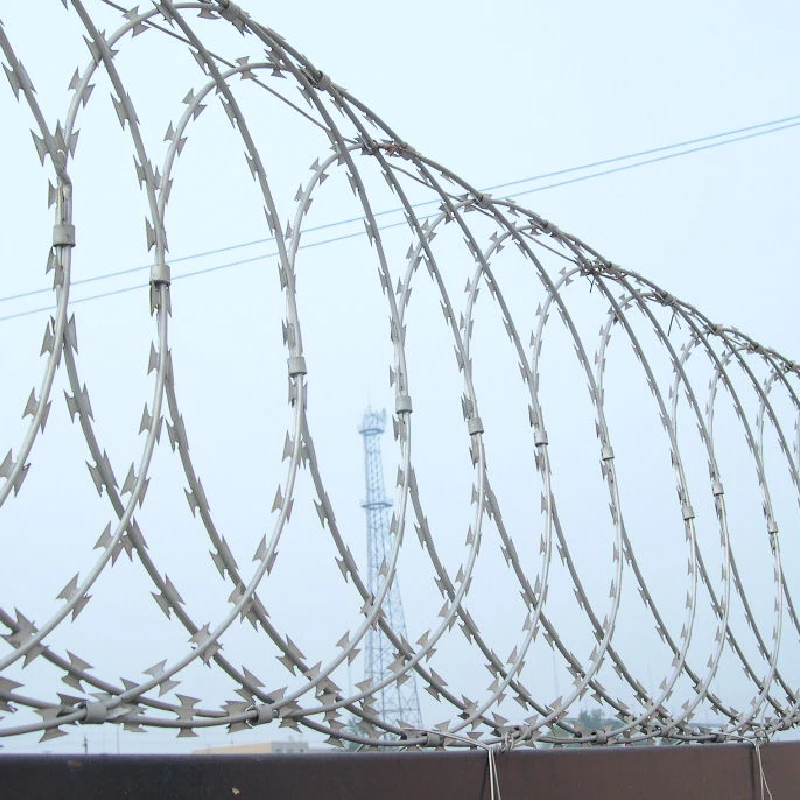
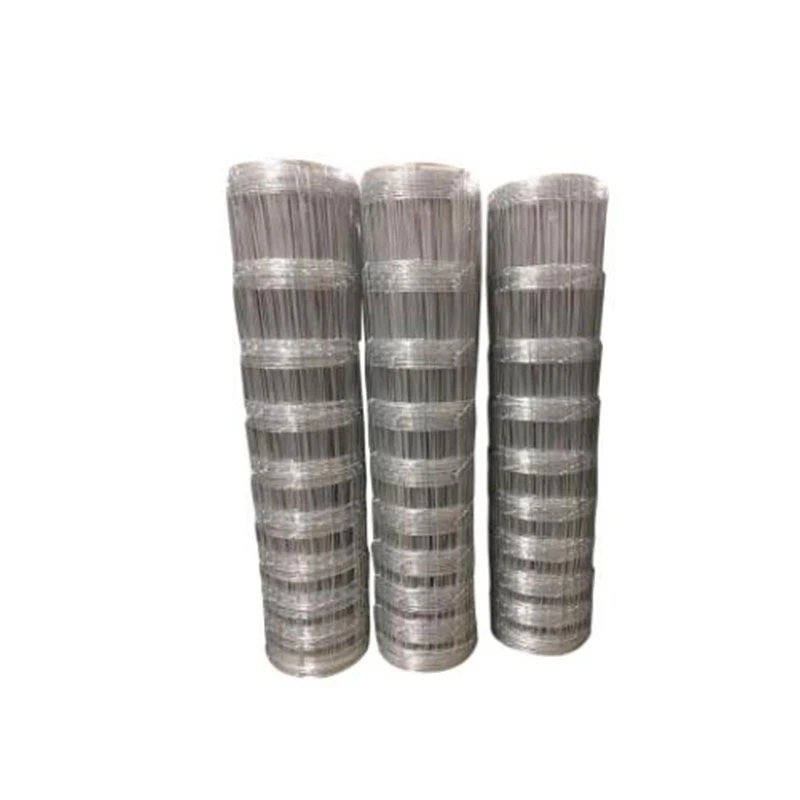
If you think this wire is niche, it’s worth noting its footprints from African agricultural fences keeping livestock safe to Europe’s storm-resilient marine cages for fish farming. Even humanitarian agencies rely on lightweight galvanised wire mesh for swift emergency shelters — because it’s quick to set up, rust-resistant, and cost-effective.
Oddly enough, the volatile climate zones of Southeast Asia see thousands of tons used yearly in infrastructure projects designed to last against monsoons and heat. Meanwhile, mining companies in South America harness its durability to secure shafts and equipment. This wide geographic and sector spread signals one thing: adaptability.
Here’s a quick vendor comparison to shine some light on key suppliers that often stock 1mm galvanised wire for various applications:
| Vendor | Galvanising Method | Typical Price (per kg) | Delivery Regions | Special Features |
|---|---|---|---|---|
| YJD Wire Mesh | Hot-dip galvanising | $1.50 - $1.80 | Global (incl. Africa, Asia) | Custom sizes, eco-friendly coating options |
| GlobalSteel Corp. | Electro-galvanising | $1.40 - $1.70 | North America, Europe | Faster turnaround, defects minimum |
| AsiaWire Ltd. | Hot-dip galvanising | $1.30 - $1.60 | Asia, Oceania | Large volume orders, customizable packaging |
Mini takeaway: It’s clear that the application breadth and vendor choice make 1mm galvanised wire a flexible commodity supporting varied industries and geographies.
Long-Term Advantages of Using 1mm Galvanised Wire
- Cost Savings: Reduced replacement frequency due to corrosion resistance.
- Sustainability: Often recyclable and generally kinder on the environment compared to alternatives.
- Reliability: Consistent strength that engineers can count on for safety-critical components.
- Social Impact: Supports infrastructure in developing regions, enabling progress.
- Innovation: Plays a role in emerging green designs and construction techniques.
Honestly, it's this blend of logical durability with an emotional payoff—like knowing a fence can keep your family’s animals safe or that disaster relief shelters will stand rain and time—that raises this wire above just another metal product.
Future Looks Bright: Innovations in 1mm Galvanised Wire
Trickling in from research parks worldwide are new galvanising formulas using eco-friendly zinc alloys or “smart” coatings that self-heal minor scratches. Integrations with digital tracking enable end-users to monitor the health of wire installations remotely — a real boon for remote infrastructures.
There’s also increasing momentum toward green manufacturing practices; lower energy, reduced waste, and a tighter focus on life-cycle carbon footprint. Couple this with rising automation, and you get precision-galvanised wires produced at competitive prices, sustainably.
Challenges and How Experts Navigate Them
No product is perfect. Even galvanised wire grapples with potential coating cracks, limited lifespan under extreme chemical exposure, or installation mistakes that compromise its benefits. Yet many engineers recommend combining 1mm galvanised wire with additional protective layers or using hybrid wire meshes for harsh environments.
Training installation teams and performing regular maintenance checks are also keys to overcoming these issues—so in real terms, the challenge often lies less in the wire and more in how we use it.
FAQs: Your Quick Guide to 1mm Galvanised Wire
Q1: Is 1mm galvanised wire suitable for fencing in coastal areas?
Absolutely. Thanks to its zinc coating, 1mm galvanised wire helps prevent rust caused by salt air. However, for extreme salt spray environments, additional protective coatings or stainless steel alternatives may be recommended.
Q2: Can 1mm galvanised wire be customized for unique project requirements?
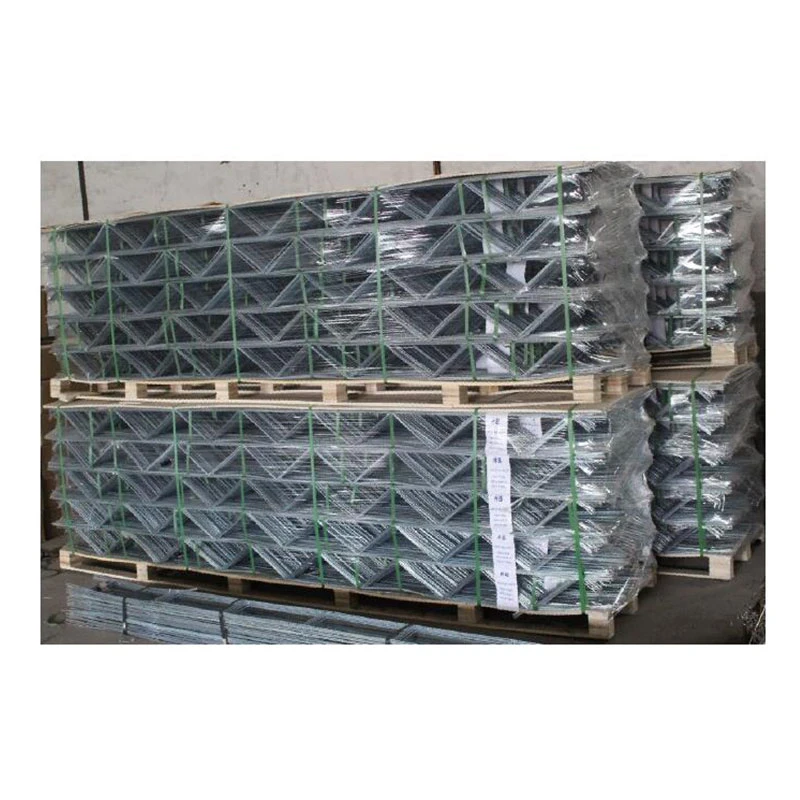
Yes, many vendors like YJD Wire Mesh offer custom lengths, coatings, and packaging options to suit specific industrial uses, whether for fences, mesh panels, or cable bindings.
Q3: How long does 1mm galvanised wire typically last in outdoor conditions?
Under normal outdoor exposure, 1mm galvanised wire can last 10 to 20 years or more, depending on environmental factors and maintenance, making it a long-term, reliable choice.
Q4: What are the advantages of hot-dip galvanising over electro-galvanising?
Hot-dip galvanising generally provides a thicker zinc coating offering longer-lasting corrosion resistance, especially for outdoor or heavy-duty uses, whereas electro-galvanising is thinner and best suited for indoor or lighter-duty applications.
Wrapping Up: Why 1mm Galvanised Wire Should Be on Your Radar
When you think about it, 1mm galvanised wire sounds simple—but its role in making infrastructure safer, buildings greener, and industries more affordable is anything but. It’s a foundational material, silently supporting billions of dollars of construction and progress worldwide every year. If you’re sourcing materials that balance quality, durability, and cost, it’s definitely worth a long look.
Curious to see the latest offerings or need custom solutions? Visit us at YJD Wire Mesh and explore how 1mm galvanised wire can solve your next challenge.