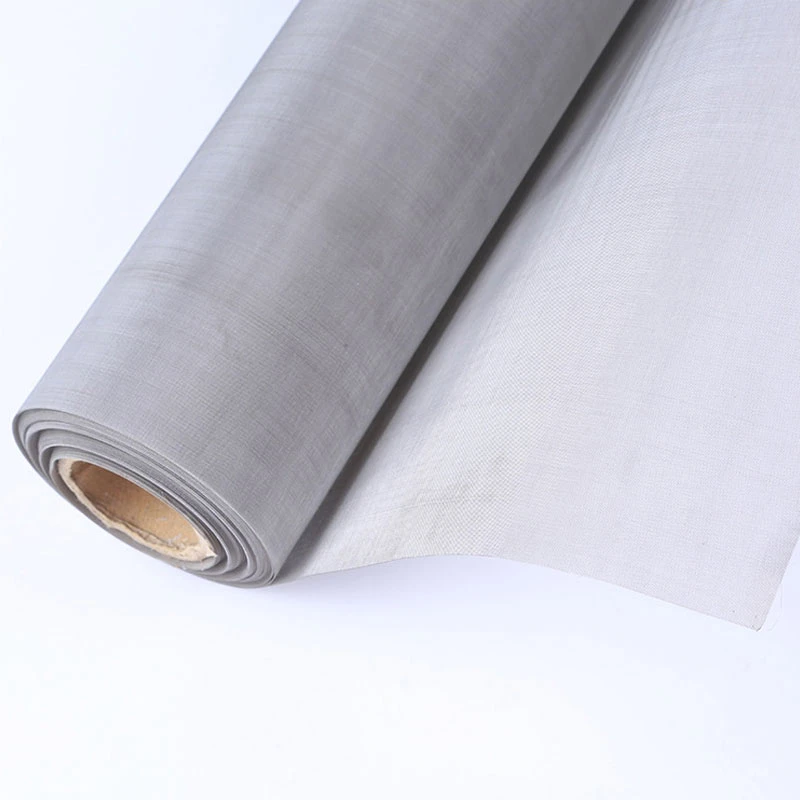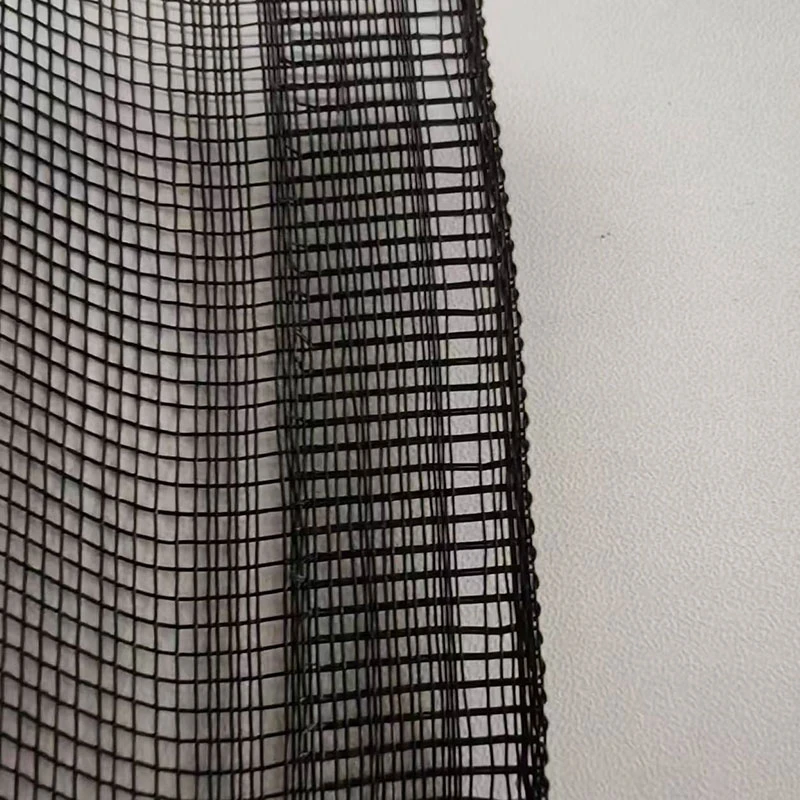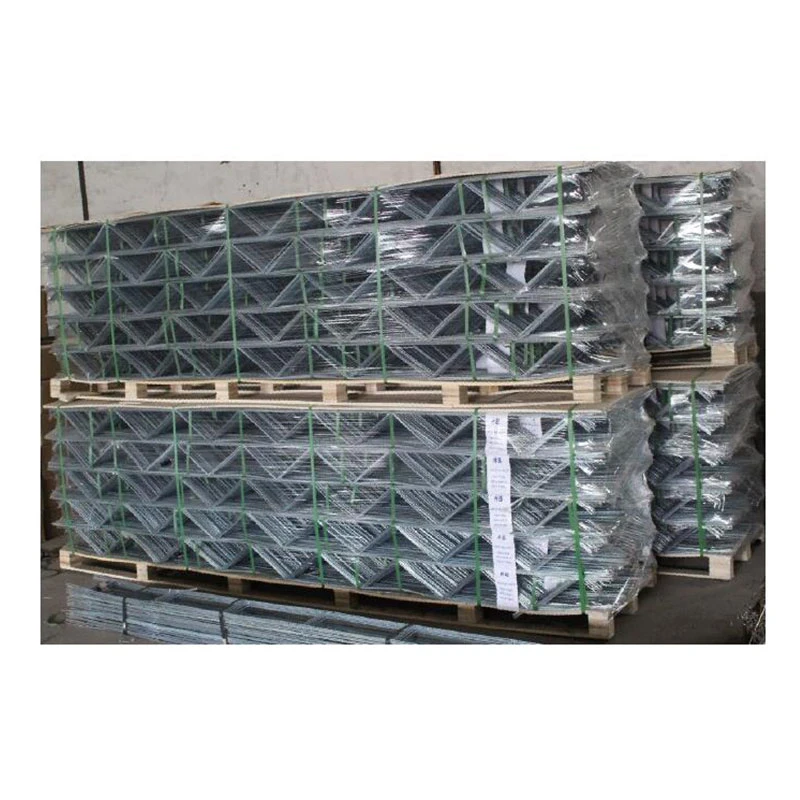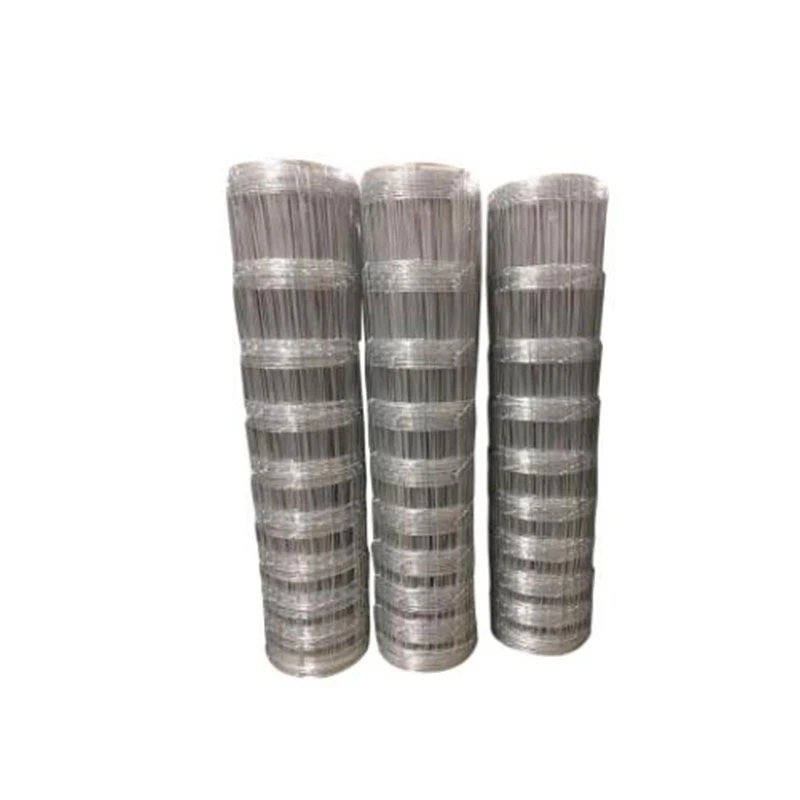
Galvanised Wire: The Unsung Hero of Durable Industry and Infrastructure
In the world of metals and manufacturing, galvanised wire often doesn’t crack the headlines, yet it’s everywhere — quietly ensuring the integrity of fencing, construction, and countless other applications globally. Why pay attention to this often-overlooked product? Well, understanding galvanised wire unlocks insights into durability, corrosion resistance, and cost-efficiency, all crucial for industries ranging from agriculture to urban development. Plus, given the growing focus on sustainability and resilient infrastructure worldwide, grasping the benefits of galvanised wire resonates beyond technical specs; it’s a nod to smarter, longer-lasting solutions.
Why Galvanised Wire Matters: A Global Perspective
According to the World Steel Association, the global steel production reached nearly 2 billion metric tons in 2023, a large portion destined for galvanisation to protect steel products. Galvanised wire represents an affordable solution to combat the rust menace that plagues metal components, especially in challenging climates. From sub-Saharan Africa to coastal regions in Asia, where humidity and salt accelerate corrosion, galvanised wire is critical.
The United Nations’ focus on sustainable infrastructure highlights the need for materials with longer lifespans and less maintenance. Galvanised wire fits this bill perfectly, reducing replacement cycles and waste. Yet, a common challenge remains: choosing the correct type and grade for specific environments. Missteps here cost not just money, but safety and reliability.
Mini takeaway:
- Galvanised wire is globally vital for corrosion protection.
- Its role aligns with sustainable development and infrastructure goals.
- Making informed choices prevents costly maintenance and failures.
What Is Galvanised Wire? Breaking It Down Simply
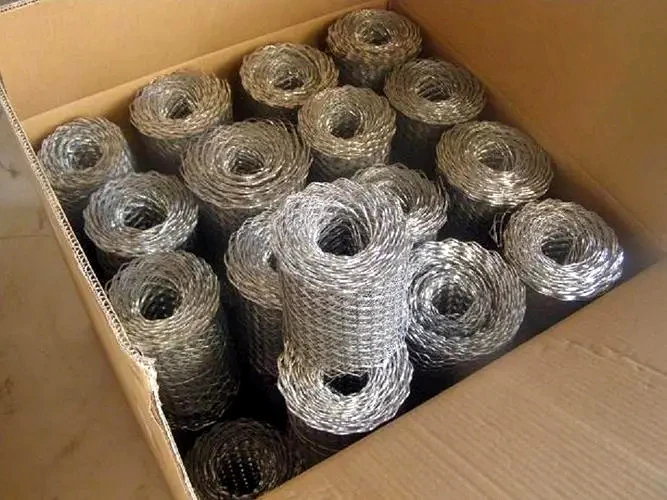
Put simply, galvanised wire is steel wire coated with a thin layer of zinc to prevent corrosion. The zinc acts as a sacrificial metal, corroding first and thereby protecting the underlying steel. This process, called galvanisation, typically involves hot-dip or electro-galvanising methods. The result is a flexible, yet durable wire that resists rust and lasts far longer than bare steel.
In modern industries—from humanitarian construction projects to industrial fencing—the use of galvanised wire ensures materials withstand the elements and deliver predictable performance. Humanitarian organizations, for example, rely on galvanised wire to erect temporary shelters quickly, using fencing to secure supplies or demarcate zones without the worry of rust weakening structures over time.
Core Components That Define Galvanised Wire's Strength
1. Durability
Durability is the primary reason engineers choose galvanised wire. Exposed steel rusts in months, sometimes weeks, but galvanised wire’s zinc coating grants it protection lasting years. This makes it ideal for outdoor and industrial use where exposure to rain, humidity, or salt is common.
2. Corrosion Resistance
The zinc layer offers cathodic protection. Even if scratched or damaged, the zinc corrodes preferentially and prevents rust spreading to the steel core—a self-healing mechanism, of sorts.
3. Versatility
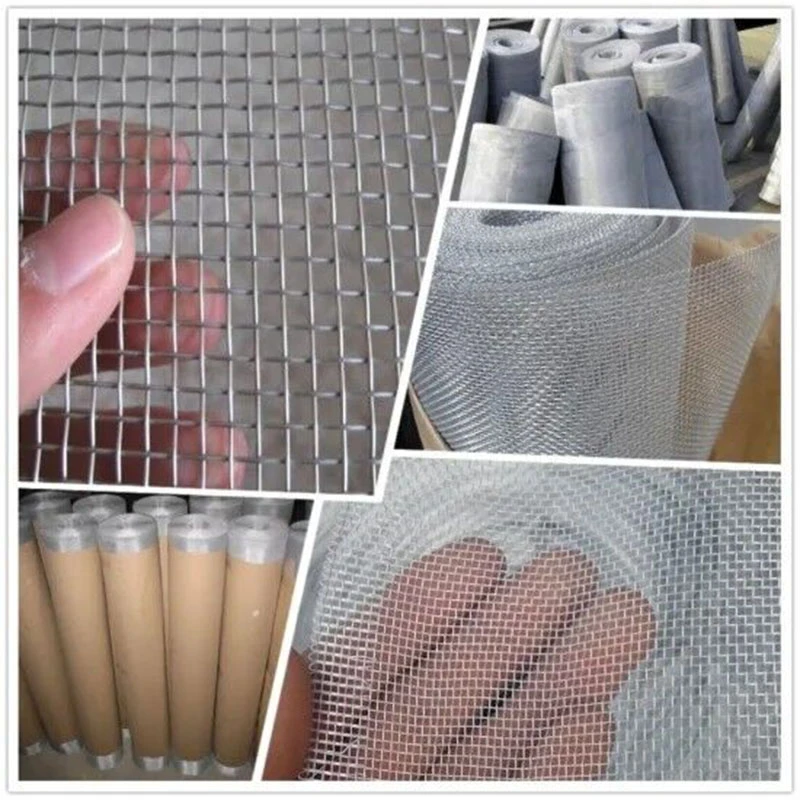
Galvanised wire can be produced in various thicknesses and tensile strengths. From fine wire for medical mesh to thick cables for construction reinforcement, the flexibility in design makes it indispensable.
4. Cost Efficiency
Compared to stainless steel or other coated metals, galvanised wire balances price and protection—offering robust performance without breaking budgets, an especially important factor in developing regions.
5. Scalability
With standardized production techniques worldwide, galvanised wire is readily available in large quantities, enabling rapid deployment across sectors.
Mini takeaway:
- Durability and corrosion resistance extend product life.
- Its adaptability suits a broad range of industrial needs.
- It is affordable and scalable for many applications.
Global Applications: Where Galvanised Wire Shines
Galvanised wire’s reach is vast:
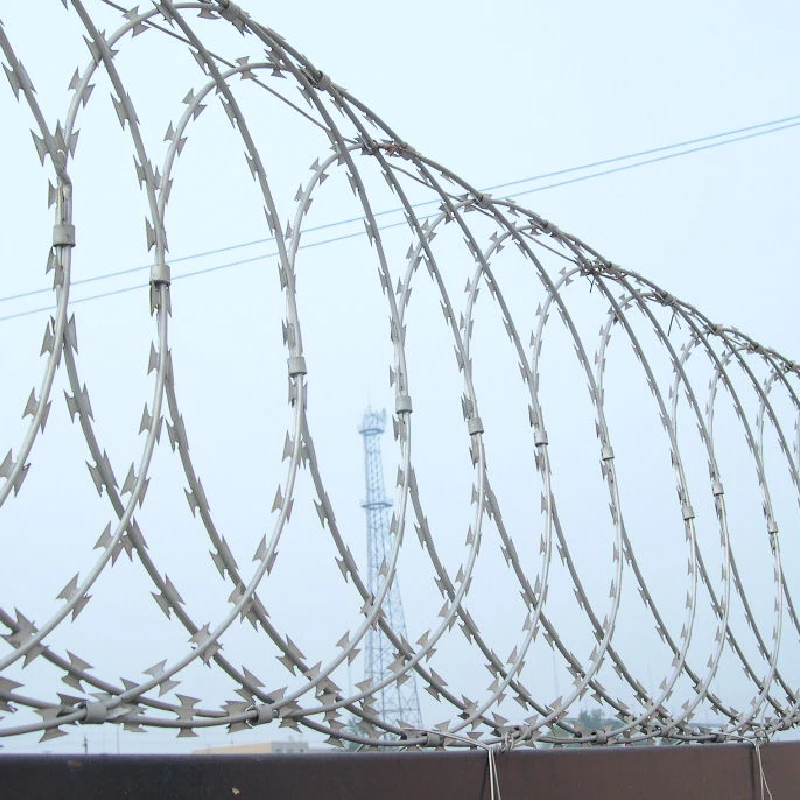
- Agriculture: From fencing livestock across Australian ranches to supporting trellises in European vineyards, galvanised wire stands up to weather extremes and animals alike.
- Construction: Used for binding rebar and mesh making in infrastructure projects worldwide, notably in urban Asia’s skyscrapers.
- Disaster Relief: In earthquake-prone Nepal, galvanised wire assists NGO workers building temporary fences and shelters – crucial for maintaining order and safety in chaos.
- Industrial Manufacturing: Protective cages, conveyor belts, and suspension systems use galvanised wire for its strength and rust resistance.
- Marine Applications: Coastal fishing industries rely on galvanised wire fencing and nets to resist saltwater degradation.
Product Specification Table
| Specification | Description |
|---|---|
| Material | High carbon steel core with zinc coating |
| Zinc Coating Thickness | 10–60 microns (varies by grade) |
| Diameter Range | 0.3 mm to 6 mm (custom sizes available) |
| Tensile Strength | 340 – 900 MPa |
| Standards | ISO 1461, ASTM A641 |
| Typical Applications | Fencing, construction, agriculture, industrial mesh |
Choosing the Right Supplier: A Quick Vendor Comparison
| Vendor | Product Range | Pricing | Quality Certifications | Global Reach |
|---|---|---|---|---|
| YJD Wire Mesh | Wide (0.3 – 6mm, custom options) | Competitive, scalable | ISO 9001, ASTM A641 | Asia, Europe, Americas |
| Global Steel Co. | Focused on heavy gauge wire | Premium | ISO 1461 | Europe and North America |
| EcoWire Solutions | Specializes in eco-friendly coatings | Mid-range | ISO & RoHS compliant | Global (emerging markets focus) |
Advantages & Long-Term Value of Galvanised Wire
One reason galvanised wire remains a favorite is the way it delivers both logic and emotion in its value proposition:
- Cost Savings: Less frequent replacement means long-term savings on material and labor.
- Sustainability: Extended lifecycle reduces waste and environmental impact.
- Safety & Trust: Reliable materials foster confidence in fencing, construction, and mesh used around people and livestock.
Oddly enough, it also offers a kind of peace of mind — knowing that your infrastructure will resist the elements, come rain or shine, gives planners and builders a quiet satisfaction that budgets won’t explode, and safety won’t falter.
Future Trends and Innovations
Emerging greener galvanising techniques and automation offer hope for even more efficient production. For instance, some factories are integrating digital sensors into galvanising lines to monitor coating thickness in real-time, reducing waste and improving quality. There is also ongoing research into environmentally friendly zinc coatings that use less energy and water.
Meanwhile, the rise of smart infrastructure raises questions: Could galvanised wires someday incorporate sensors to self-report corrosion status? While speculative, the integration of IoT with traditional products like galvanised wire isn’t far off.
Challenges & Solutions
Despite its many advantages, galvanised wire isn’t magic. Challenges include:
- Occasional coating defects during manufacturing that reduce lifespan.
- Unsuitable application in extremely acidic or alkaline environments.
- Potential flaking if bent excessively after galvanisation.
Solutions? Strict quality control, choosing the right wire grade, and proper application techniques all help. Many customers find consulting suppliers like galvanised wire experts invaluable for selecting fit-for-purpose products tailored to climatic and industrial needs.
FAQ: Frequently Asked Questions About Galvanised Wire
1. How long does galvanised wire typically last outdoors?
Generally, galvanised wire lasts 15 to 50 years outdoors depending on the zinc coating thickness and environment. Coastal or acidic regions tend to reduce lifespan, while dry, temperate zones may extend it.
2. Is galvanised wire safe for agricultural use around livestock?
Yes. It’s commonly used for fencing and animal cages because the zinc coating resists rust that could harm animals or weaken enclosures.
3. Can galvanised wire be recycled?
Absolutely. Steel core and zinc are recyclable materials. Recycling reduces environmental footprint significantly compared to producing new wire.
4. What is the difference between hot-dip and electro-galvanised wire?
Hot-dip galvanisation involves immersing wire in molten zinc, giving a thicker coating, ideal for heavy-duty use. Electro-galvanised applies zinc via electric current, creating a thinner coat suited for indoor or less harsh conditions.
5. How do I choose the right thickness of galvanised wire for fencing?
Consider the purpose: heavy livestock fencing needs thicker wire (around 3-5mm), while garden fencing or decorative use can use thinner gauges. Consulting suppliers helps determine specs based on tension and environmental factors.
Conclusion
Galvanised wire, though simple in concept, carries immense value worldwide. From extending infrastructure life to enhancing sustainability and saving costs, it remains a cornerstone metal product. For industries and communities aiming to invest wisely, it’s a reminder that robust solutions don't have to be complicated.
Want to learn more or explore tailored galvanised wire solutions? Visit our website: https://www.yjdwiremesh.com.