Chicken Wire 6ft x 150ft: More Than Just a Fence
If you’ve ever tried to keep a garden safe from curious critters or set up a basic poultry enclosure, you’ve likely dealt with chicken wire. But, when you're talking about a chicken wire 6ft x 150ft roll, suddenly you’re dealing with industrial-scale solutions that matter far beyond backyard farms.
Why does this matter globally? Well, this simple mesh goes way beyond its humble beginnings. It’s a staple for construction sites, disaster relief zones, and even wildlife conservation initiatives worldwide. Understanding its benefits isn’t just about choosing the right fencing; it’s connecting to bigger challenges in agriculture, security, and sustainable development.
In fact, there’s something oddly satisfying about a product that’s stood the test of time — versatile, affordable, and surprisingly vital in so many contexts.
Why Chicken Wire 6ft x 150ft Holds Global Relevance
We live in an era where fencing solutions need to be both scalable and cost-effective. According to reports from the Food and Agriculture Organization (FAO) and the World Bank, global agricultural productivity is under pressure, especially in developing regions. Protecting livestock and crops from stray animals or theft can literally make or break livelihoods.
Here’s where the chicken wire 6ft x 150ft enters the scene. With enough length and suitable height for numerous applications, it addresses a real problem: how to affordably and efficiently secure spaces — whether a small farm in Africa, an industrial site in Eastern Europe, or a conservation area in South America.
One challenge it thoughtfully solves is accessibility: providing fencing that does not demand complex tools or specialized labor. That means quicker setup in emergency situations, like post-disaster recovery efforts where secure shelters and temporary barriers are urgently needed.
Mini takeaway:
- “Chicken wire” in industrial sizes meets critical global demands for affordable security and containment.
- Its importance spans from small farms to humanitarian aid.
Chicken Wire 6ft x 150ft: What Exactly Is It?
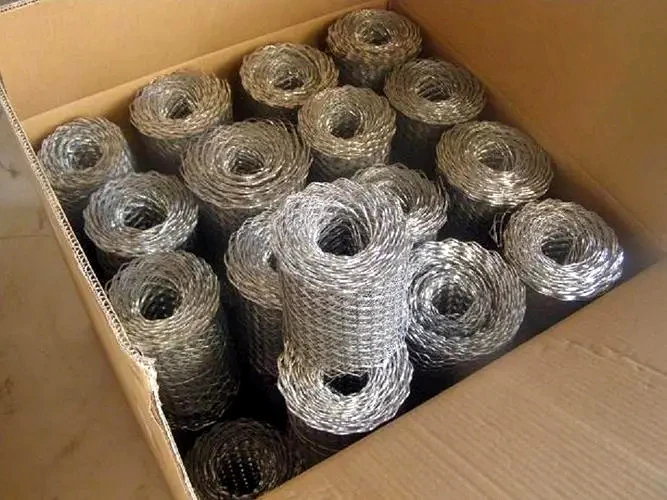
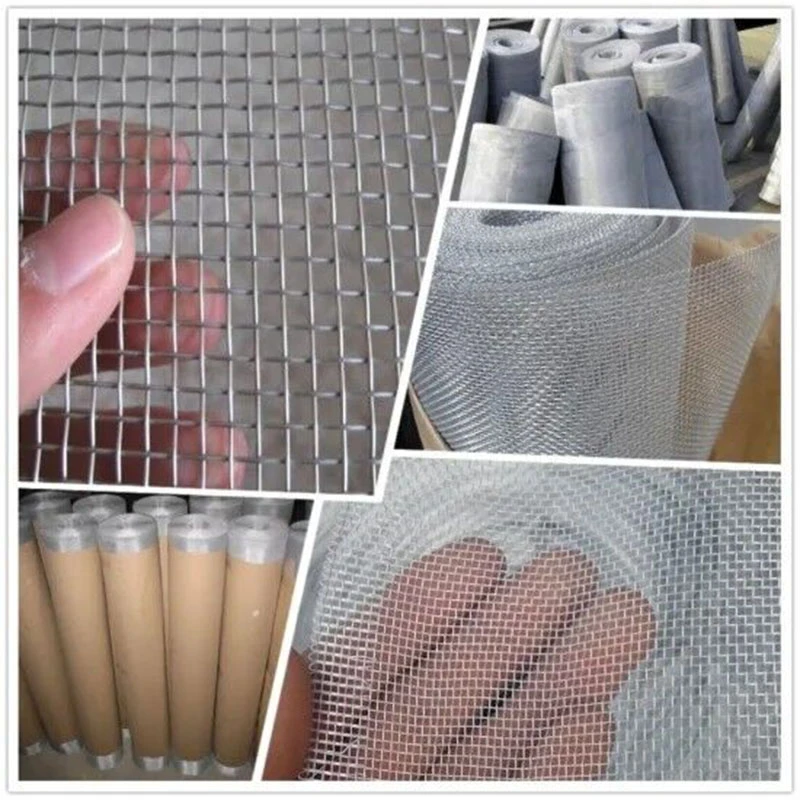
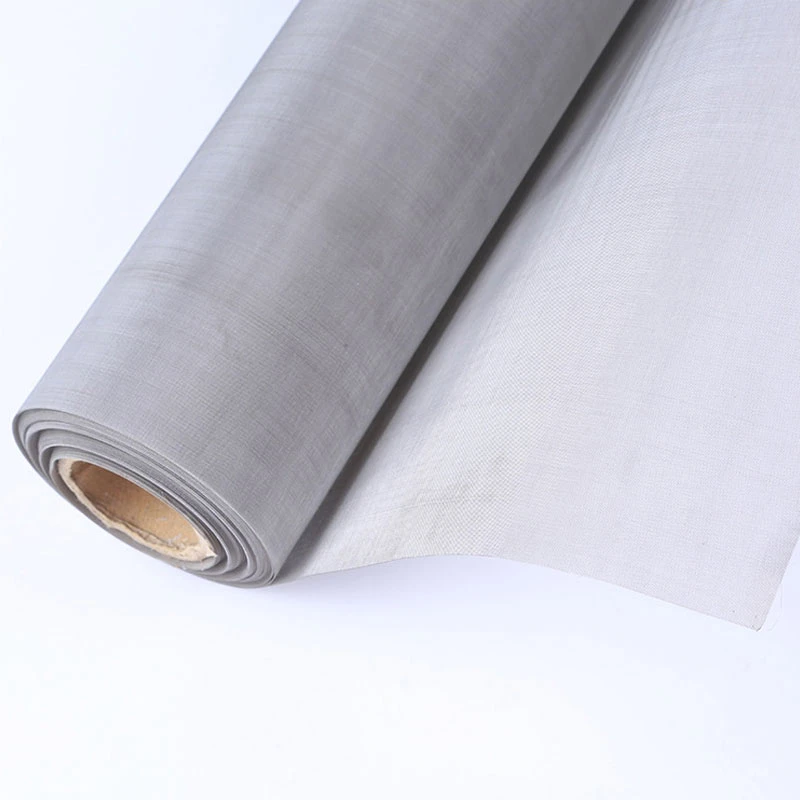
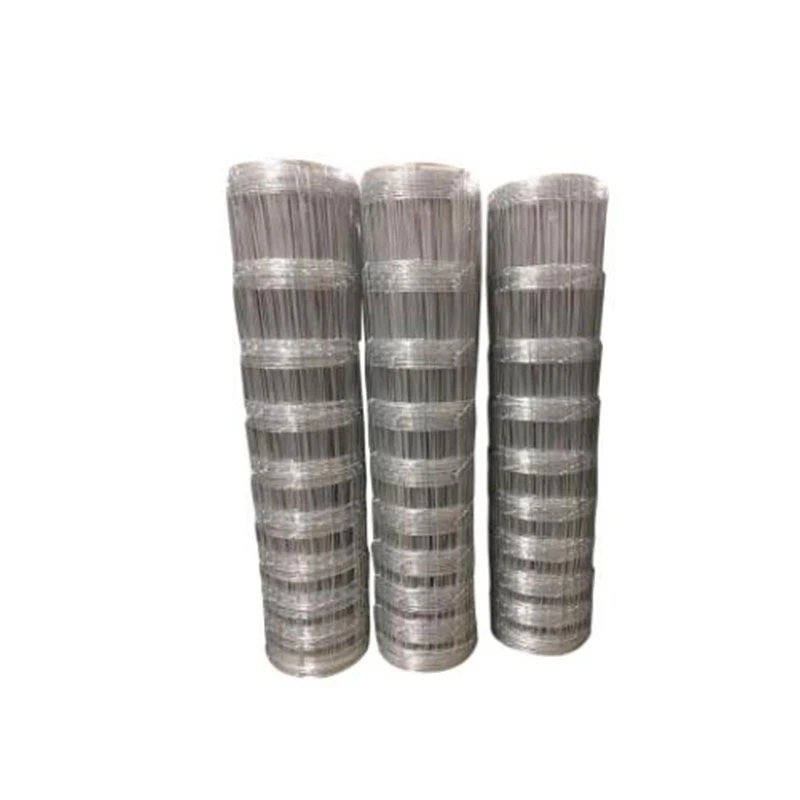
Put simply, chicken wire (also called poultry netting) is a thin, flexible woven mesh, traditionally made from galvanized steel wire. The standard 6ft height and 150ft length give you a generous coverage area, often sold in rolls for easy transport and installation.
It’s designed with hexagonal openings, roughly 1 inch across, allowing visibility, airflow, and animal containment without bulk. This particular size hits a sweet spot — tall enough to deter predators and long enough to fence sizable areas without constant joining.
Behind this simplicity lies a material engineered to resist rust and mechanical damage, thanks to galvanizing or PVC coating in some cases. It’s a product that’s equally at home in modern sustainable agriculture, urban gardening projects, or large-scale environmental management.
Mini takeaway:
- Chicken wire 6ft x 150ft is a standard industrial roll of galvanized or coated mesh, ideal for multiple containment purposes.
- Its hexagonal structure balances strength with flexibility and breathability.
Four Key Factors That Make Chicken Wire 6ft x 150ft Practical
Durability and Corrosion Resistance
Galvanizing adds life to chicken wire, shielding it from rust in outdoor settings. This is crucial because, oddly enough, fencing often gets forgotten in maintenance cycles — so it needs to outlast harsh rains and sun without much upkeep.
Ease of Installation
Given its lightweight and flexible nature, this size of chicken wire can be unrolled and fixed with minimal tools — sometimes just staples or ties. For quick fencing projects, this reduces labor costs and setup times significantly. Many relief agencies value this trait immensely.
Cost Efficiency
Compared to heavy-duty steel barriers or electrified fencing, chicken wire is remarkably affordable. Because it’s so commonly produced, economies of scale keep prices stable. For communities with budget constraints, this is often the difference between unsafe conditions and a secure perimeter.
Versatility Across Applications
Chicken wire isn’t just for chickens anymore. It’s used for erosion control, compost bin construction, soil reinforcement in landscaping, as well as traditional fencing. Its size and flexibility allow it to adapt to different shapes and terrains with relative ease.
Mini takeaway:
- Durability and low maintenance make this chicken wire a long-term fencing choice.
- Its affordability and easy installation empower fast, flexible setups worldwide.
Product Specification Table for Chicken Wire 6ft x 150ft
| Feature | Specification |
|---|---|
| Material | Galvanized Steel Wire (or PVC-coated options) |
| Mesh Size | Hexagonal openings, approx. 1 inch (25mm) |
| Roll Dimensions | 6 feet height x 150 feet length (approx. 1.83m x 45.7m) |
| Wire Gauge | 20 – 22 gauge (about 0.9-1.1 mm diameter) |
| Weight | Approx. 25-30 kg per roll (varies by coating) |
| Typical Coatings | Galvanized Zinc & PVC (optional for extra corrosion resistance) |
Global Applications & Use Cases
This is where chicken wire 6ft x 150ft really shines — the sheer diversity of real-world uses is striking:
- Agriculture: Livestock enclosures, garden protection, orchard fencing. In countries like India and Brazil, farmers rely heavily on affordable fencing to prevent crop loss.
- Construction Sites: Temporary safety barriers preventing unauthorized access. The large rolls mean fewer joint issues and faster setup.
- Disaster Relief & Humanitarian Aid: Following natural calamities (floods, earthquakes), NGOs quickly deploy chicken wire fencing to secure emergency shelters and community zones.
- Environmental Conservation: Protecting young trees in reforestation projects from grazing animals. Used extensively in regions reforesting owing to climate change initiatives.
Often overlooked, chicken wire also finds use in creative industries like artisan crafts (wire sculptures) and even DIY home improvements — the flexibility and ubiquity have even led to educational projects in STEM, teaching kids about geometry through mesh patterns!
Mini takeaway:
- From farms to disaster zones to environmental projects, chicken wire 6ft x 150ft is a versatile hero.
- Its global adoption reflects key needs for adaptable, affordable barriers.
Vendor Comparison Table: Popular Chicken Wire Rolls (6ft x 150ft)
| Vendor | Material | Coating | Price (USD) | Warranty |
|---|---|---|---|---|
| YJD Wire Mesh | Galvanized Steel | Zinc Coating | 85 – 90 | 2 years |
| Acme Steel Fencing | Galvanized Steel | Zinc + PVC | 95 – 105 | 3 years |
| GlobalMesh Corp | Steel Alloy | Zinc Coating | 80 – 85 | 1 year |
Prices vary by market and quantity. For accurate pricing, please visit the vendor’s website.
Advantages & Long-Term Value of Chicken Wire 6ft x 150ft
Why do engineers, farmers, and aid workers often pick chicken wire over fancier fencing? In a word: reliability. It’s cheap, yes, but also trustworthy. The corrosion resistance means it’s a stable investment; the flexibility means fewer replacements. And for communities in fragile economies, that stability is priceless.
Then there’s the social side. Fencing represents more than boundaries — it symbolizes safety and dignity. Imagine a rural family who finally protects their garden from marauding wildlife or a refugee camp where fencing creates a sense of order and security.
Sustainability is another silent hero here. Lightweight and recyclable, chicken wire reduces waste compared to plastic or concrete fencing options. As the world pushes for greener solutions, this unassuming mesh quietly aligns with zero waste and resource-smart initiatives.
Mini takeaway:
- Chicken wire combines affordability and dependable performance over time.
- It delivers social, economic, and environmental benefits that few fences match.
Looking Ahead: Innovations in Chicken Wire Technology
Oddly enough, innovation isn’t just about flashy tech. In fencing, it’s about smart coatings, better alloys, and improved packaging for global shipping.
- Eco-friendly Coatings: New bio-based PVC alternatives and corrosion-resistant metals are under development to reduce environmental impact.
- Automated Production: Robotics and AI in wire weaving improve consistency and help tailor mesh specs for niche uses.
- Digital Tracking: Integration of QR codes on packaging enables tracking mesh origins for quality assurance and regulatory compliance.
- Recyclability: There’s a trend toward designing wire mesh products that break down or can be reused easily, aligning with circular economy principles.
Put simply, it's the quiet, steady progress of an "old reliable" adapting smartly to fit 21st-century demands.
Common Challenges & Practical Solutions
Despite all the benefits, chicken wire isn’t perfect. It’s less effective against large, determined predators (hello, foxes and raccoons) and can deform under heavy pressure. Also, poor installation can result in sagging or holes, compromising security.
How do professionals deal with this? Layering is key — combining chicken wire with stronger mesh or fences in vulnerable zones. Alternatively, pairing it with electric fencing provides that extra deterrence without significant cost hikes.
Another solution: regular inspection cycles. This might sound basic, but routine checks avoid minor damage spiraling into big problems. NGOs and farming cooperatives increasingly train local communities on upkeep, strengthening long-term fencing success.
FAQ: Frequently Asked Questions About Chicken Wire 6ft x 150ft
- Q: How do I secure chicken wire over 6ft high areas without professional tools?
- A: Many find staple guns or heavy-duty fencing clips sufficient. Use strong stakes or posts spaced every 6-8 feet for stability. Lightweight and flexible, you can often work solo or with minimal help.
- Q: Can chicken wire withstand harsh weather conditions?
- A: Galvanized and PVC-coated versions resist rust and corrosion quite well, handling rain, snow, and sun exposure for years without major deterioration.
- Q: Is chicken wire suitable for large-scale farming?
- A: For small livestock and poultry, yes. But heavier animals may require stronger fencing layers. Chicken wire can form a protective perimeter combined with other fencing types.
- Q: Can I order chicken wire 6ft x 150ft in bulk for international shipping?
- A: Certainly. Many suppliers, including YJD Wire Mesh, offer export-ready packaging and logistics support for global clients.
- Q: How long does a standard 6ft x 150ft roll typically last?
- A: With proper installation and minimal physical damage, expect 5-10 years in moderate climates; longer if using coated, rust-resistant finishes.
Conclusion: Why Chicken Wire 6ft x 150ft Still Matters
The chicken wire 6ft x 150ft roll has earned its place as a fundamental fencing solution worldwide. Its long-term value blends affordability, durability, and versatility — qualities that resonate from the backyard flock keeper to the emergency response coordinator setting up fast barriers in post-disaster zones.
For anyone looking to secure a space without fuss or enormous cost, this mesh remains a reliable go-to. If you want to explore options or purchase, visit our website for detailed product guides and expert advice.
Mini takeaway:
- Chicken wire 6ft x 150ft proves that simple innovations often sustain entire industries.
- Its future looks bright, evolving with smarter materials and digital integration.
Sometimes, the oldest tools remain the most relevant.