Why 20 Gauge Galvanized Wire Matters in Today’s Industrial and Humanitarian Landscape
If you’re wondering why 20 gauge galvanized wire keeps popping up in industrial specs and humanitarian aid talks, you’re not alone. It’s one of those products quietly woven into essential infrastructure, from agricultural fencing to disaster recovery efforts. But it’s more than just a metal wire coated with zinc — it’s a small but crucial part of building resilient, durable, and cost-effective solutions worldwide. Think about it: in places prone to corrosion or harsh weather, a simple spool of galvanized wire can mean the difference between a long-lasting fence and a constant maintenance headache. That’s why understanding this wire’s qualities matters globally, especially as industries push for sustainability and cost-efficiency. ### Mini Takeaway Understanding 20 gauge galvanized wire informs smarter choices in construction, agriculture, and relief initiatives worldwide.Global Context: Why 20 Gauge Galvanized Wire Is More Relevant Than Ever
Globally, the demand for galvanized wire is rising steadily. According to [ISO standards](https://www.iso.org), galvanized products reduce corrosion, thus extending infrastructure lifespans — a priority that resonates from developed urban centers to remote villages. The UN estimates over 1 billion people live in rural or vulnerable areas where low-cost, durable materials are essential to improving living conditions. Meanwhile, industries such as agriculture, manufacturing, and shipping increasingly rely on galvanized wire for fencing, bundling, and structural integrity. One challenge is meeting this growing need while balancing cost and environmental impact. Galvanized wire stands out, particularly the 20 gauge size, for being thin enough to be versatile yet strong enough for many practical applications. It tackles problems like rusting and frequent repairs, which otherwise drain resources and delay projects. ### Mini Takeaway 20 gauge galvanized wire fits a unique niche balancing affordability, durability, and versatility in diverse global industries.What Exactly Is 20 Gauge Galvanized Wire?
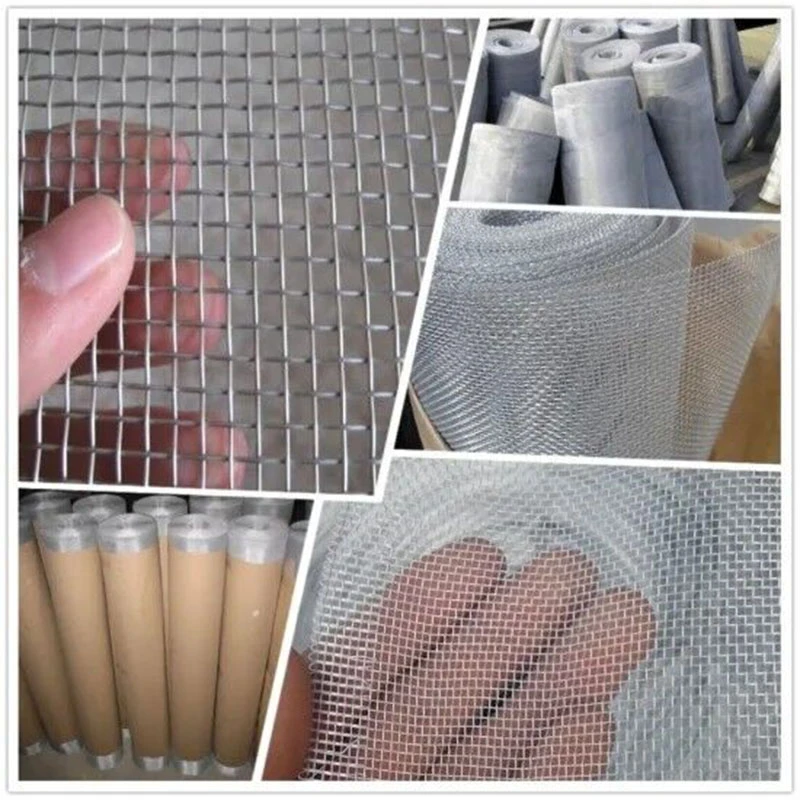
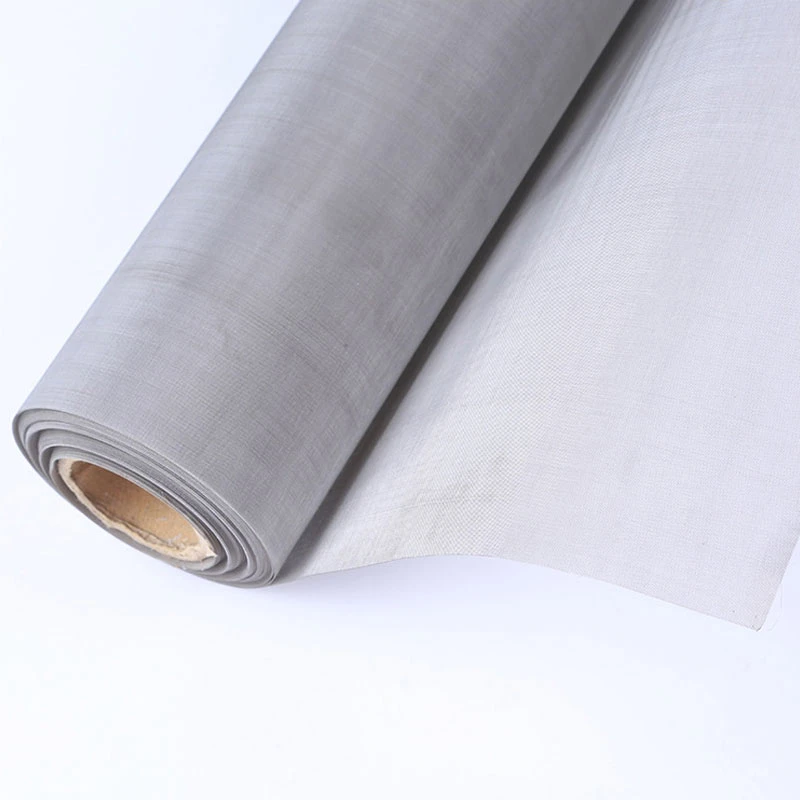
Put simply, 20 gauge galvanized wire is steel wire approximately 0.032 inches (0.81 mm) thick and coated with zinc to prevent rust. The “gauge” refers to thickness — the higher the gauge, the thinner the wire. This particular size strikes a sweet spot: it’s thin enough for easy bending and shaping, yet sturdy for fencing, crafting, or bundling. The galvanization process — coating with zinc — is key. Zinc acts as a protective barrier to oxygen and moisture, preventing corrosion, which is a game changer especially in humid or coastal environments. It’s why engineers and aid workers trust this wire in conditions where untreated steel would deteriorate rapidly. In modern infrastructure and humanitarian contexts, this wire keeps structures safe and productive longer, whether fencing livestock or reinforcing containers. ### Mini Takeaway 20 gauge galvanized wire is a versatile, rust-resistant wire perfect for applications requiring balance of strength and flexibility.Core Properties That Make 20 Gauge Galvanized Wire Essential
Durability Against Corrosion
Thanks to the zinc coating, this wire withstands rain, salt spray, and other corrosive elements far better than bare steel. This durability reduces replacement frequency, crucial for budget-conscious projects.Flexibility and Workability
Unlike thicker gauges, the 20 gauge wire is easy to bend and cut yet tough enough to hold shapes and resist snapping. This makes it invaluable for fencing, crafts, and temporary supports.Cost Efficiency
A middle ground between thinner fragile wires and heavier, expensive ones, 20 gauge galvanized wire offers great value. Low-cost maintenance means upfront investment pays off long term.Scalability and Availability
Widely manufactured and globally distributed, this wire is easily sourced in bulk or smaller quantities, standardizing projects from local farms to large construction sites.Environmental Impact
Galvanized wire is recyclable, and modern galvanizing techniques reduce hazardous wastes. Its longevity also means fewer material replacements, reducing landfill waste. ### Mini Takeaway The blend of strength, economy, flexibility, and environmental friendliness lets 20 gauge galvanized wire shine across industries.Real-World Applications of 20 Gauge Galvanized Wire
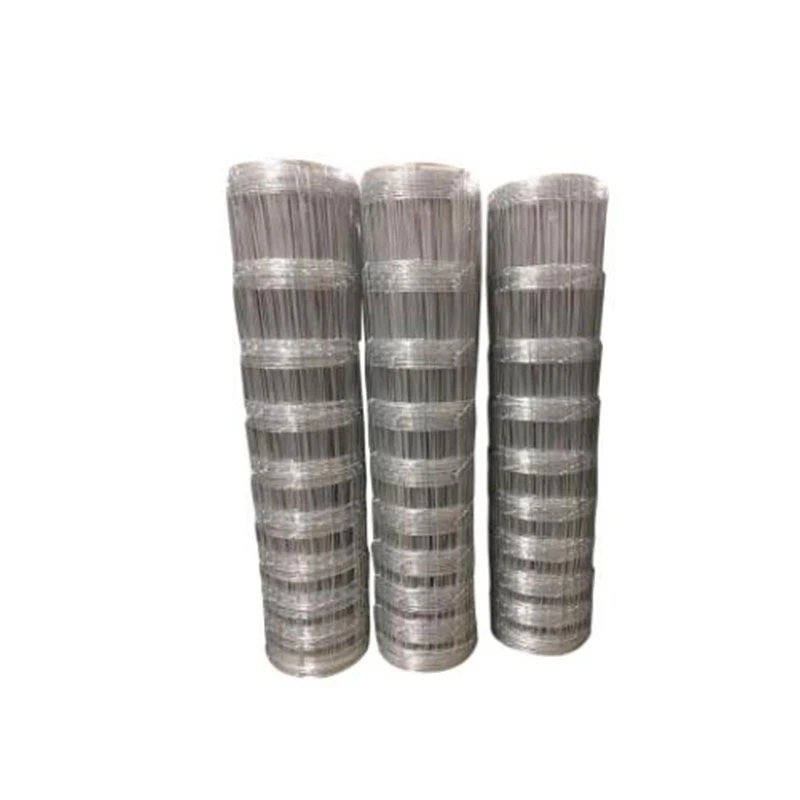
Globally, you’ll find this wire deployed everywhere from the barns of Iowa to refugee camps in Jordan. Agricultural fencing — to keep animals safe and crops guarded — is a huge use case. In construction, it serves as binding wire for reinforcing rebar or temporary safety barriers. During humanitarian crises, relief organizations use it for quick, reliable repairs and shelters. For example, in the aftermath of the 2015 Nepal earthquake, galvanized wire was sent in bulk to rapidly construct fenced zones and stabilize damaged buildings. In coastal industries in Southeast Asia, this wire resists salty air corrosion, making it ideal for shipping container lashing and boat rigging. Even DIY urban gardeners prize it for trellises and garden fencing. ### Mini Takeaway Its global reach spans farming, construction, humanitarian efforts, and maritime uses — truly a wire that crosses continents and needs.Advantages and Long-Term Value of Choosing 20 Gauge Galvanized Wire
The advantages tie into both tangible savings and peace of mind. Maintenance costs drop when fences or structures don’t rust out. On an emotional level, reliable fencing can mean safety for families and livestock, which often correlates to economic stability. Many industries appreciate the innovation and trust galvanized wire tools inspire. Sustainability matters too — longevity reduces resource waste and occasional galvanizing plants adhere to high environmental standards per ISO 14001. One engineer I know often says, “It’s a small product with a big impact.” That feels right. In practical terms, from cost, eco, and social perspectives, this wire just makes sense.| Feature | Specification | Notes |
|---|---|---|
| Diameter | 0.032 inches (0.81 mm) | Gauge size per ASTM standard |
| Material | Low carbon steel | Good ductility and strength |
| Coating | Zinc (Hot-dip galvanized) | Typical coating thickness 40 - 60 g/m² |
| Tensile Strength | 350-450 MPa | Sufficient for fencing and bundling |
| Weight per 1000 ft | ~13 lbs (5.9 kg) | Approximate, varies by coating thickness |
Comparing Leading Vendors of 20 Gauge Galvanized Wire
| Vendor | Coating Quality | Global Distribution | Typical Use Case | Price Range |
|---|---|---|---|---|
| YJD Wire Mesh Co. | Consistent, heavy zinc layer | Strong, worldwide shipping | Construction, agricultural fencing | Competitive |
| Global Steel Co. | Standard hot-dip zinc coating | Regional focus (Asia, Europe) | Manufacturing, shipping | Mid-tier |
| EcoWire Solutions | Eco-friendly galvanizing | Niche markets (green construction) | Sustainable building projects | Premium |
Future Innovations and Emerging Trends
The future of 20 gauge galvanized wire looks quite promising. Innovations include environmentally friendlier galvanizing chemicals that cut hazardous emissions, responding to global climate policies. Digital traceability and RFID tagging are being integrated in industrial wire supplies to improve inventory management. Green energy industries—like wind turbines and solar farms—are beginning to specify galvanized wire to create durable, corrosion-resistant fencing for remote installations. Automation in wire production will continue improving quality control and reduce costs, making these wires even more accessible globally. Oddly enough, while tech speeds ahead, the basic zinc coating stays surprisingly relevant. Sometimes old school methods just work. ### Mini Takeaway Sustainability, quality enhancements, and smart tracking will define the next wave of galvanized wire advancements.Challenges in Using 20 Gauge Galvanized Wire and How to Overcome Them
Despite many benefits, several challenges persist: - Corrosion under stress: Even galvanized wire eventually corrodes if physical damage removes coating. Regular inspections and proper handling help. - Limited tensile strength for heavy loads: For extremely heavy-duty use, thicker wire or alternatives are needed. - Environmental concerns: Zinc runoff if improperly managed can harm ecosystems, but improved galvanizing plants reduce this risk. - Supply chain fluctuations: Sourcing consistency may vary by region—partnering with reliable vendors (like YJD Wire Mesh) mitigates this. Innovative coatings and standards compliance help address these issues internationally.FAQ: Your Top Questions About 20 Gauge Galvanized Wire
Q: How long can 20 gauge galvanized wire last outdoors?A: Typically, it can last 15-30 years depending on the environment and usage. Coastal or industrial areas may shorten lifespan, while dry climates extend it. Q: Is this wire flexible enough for complex shaping?
A: Yes, 20 gauge wire balances flexibility and strength, suitable for most fencing, crafting, or support tasks that don’t require super heavy-duty stiffness. Q: Can galvanized wire be recycled?
A: Absolutely. The steel core and zinc coating are recyclable, and many programs recover galvanized scrap, reducing environmental impact. Q: How to import galvanized wire internationally for a humanitarian project?
A: Work with manufacturers who handle export documentation and bulk shipping. Look for vendors experienced in supporting NGOs, such as YJD Wire Mesh Co.. Q: What makes 20 gauge galvanized wire a better fencing choice than plain steel wire?
A: Its zinc coating protects against rusting, reducing repair costs and extending fence life, especially important in rainy or salty environments.