What’s the deal with chicken wire 900mm x 50m, and why should you care?
If you’ve ever stared at barbed fences, animal pens, or construction sites and wondered what keeps those boundaries sturdy, chicken wire probably crossed your mind. Specifically, chicken wire 900mm x 50m is a staple for countless industries worldwide. It’s easy to overlook this seemingly humble mesh, but understanding it matters a lot — whether you’re an engineer, farmer, or humanitarian worker. This wire mesh blends affordability, flexibility, and strength, offering a lightweight yet durable fencing solution that fits many needs. Globally, demand for accessible fencing materials is undeniable. The United Nations notes that secure enclosures promote better livestock management and reduce conflicts over land [1]. At the same time, industries from agriculture to disaster relief rely on these wires for quick deployment fencing and safety measures. Grasping the benefits and characteristics of chicken wire 900mm x 50m helps pave the way for smarter applications — not to mention effective budgeting and sustainable resource planning. ---Introduction: Why chicken wire 900mm x 50m matters in a global context
Around the world, fence materials like chicken wire define boundaries — literally and figuratively. Agricultural sectors alone use millions of meters annually; the Food and Agriculture Organization (FAO) reported that fencing contributes directly to reducing livestock theft by up to 20% in vulnerable regions [2]. But it’s not just farms relying on such mesh. In fast-growing urban areas, construction sites, and remote industrial zones, this wire size (roughly 3ft by 164ft) offers versatility without breaking the bank. The problem? Many regions face logistic and supply challenges. Unreliable, low-quality mesh exposes properties and stock to risks. Chicken wire 900mm x 50m addresses this by balancing easy shipment and practical length with height that suits small livestock containment or site demarcation. This size is just enough for different jobs without excessive waste or improvisation. So, this wire type quietly solves a stubborn need: affordable, scalable, and reliable containment. ---Chicken wire 900mm x 50m: Defining the product
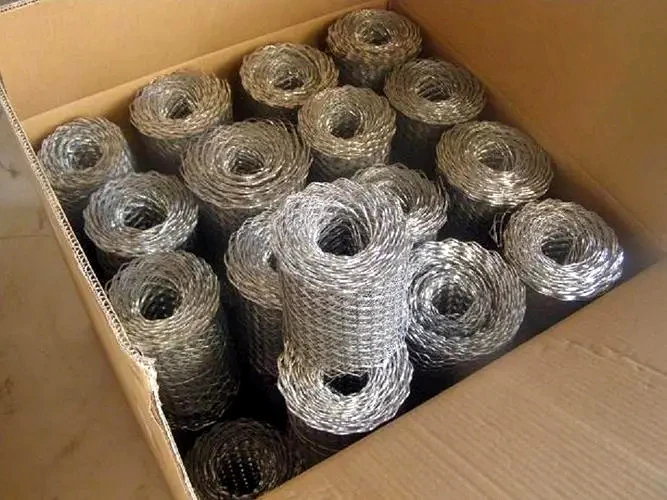
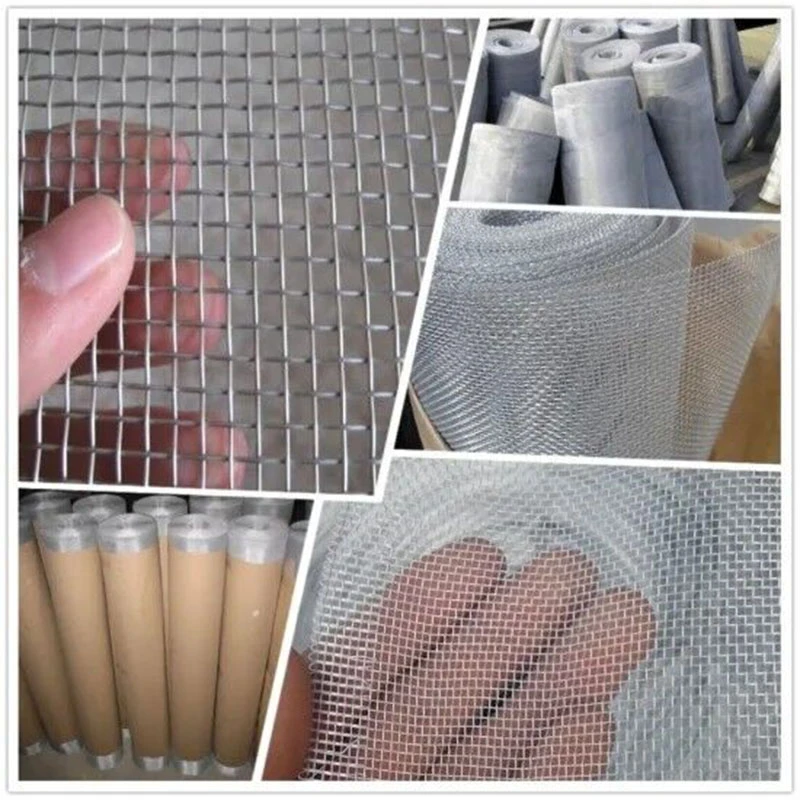
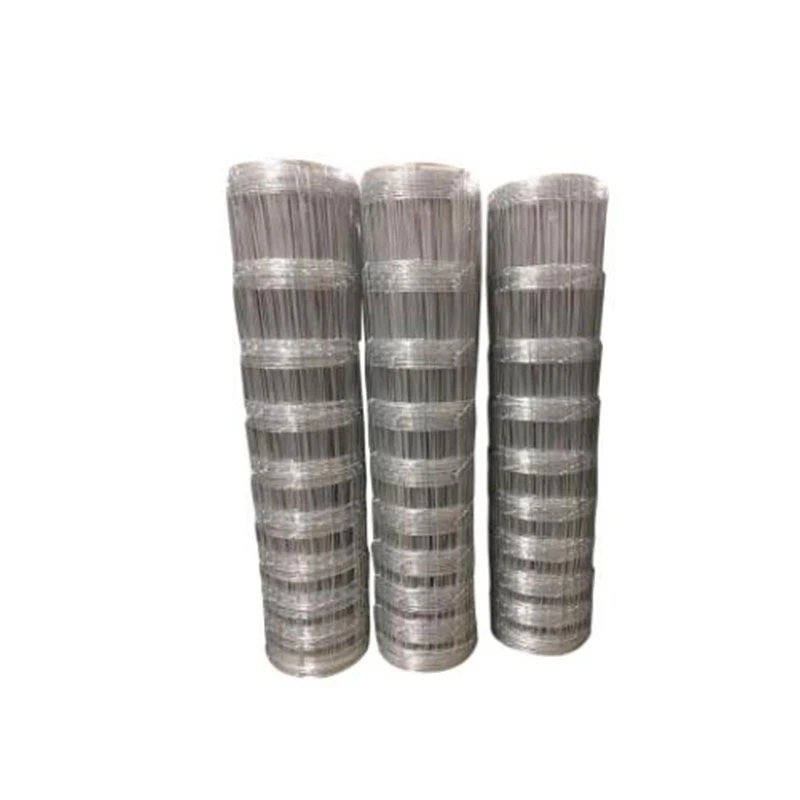
So what exactly is chicken wire 900mm x 50m? Chicken wire, or hexagonal wire netting, typically consists of galvanized steel twisted into hexagonal meshes. The 900mm x 50m specification refers to the roll’s width and length. That means each roll measures about 90 centimeters tall and 50 meters long — handy enough for sizable fences or temporary barriers. Its hexagon pattern offers flexibility and strength, making the wire resilient to stretching or deformation. Plus, the galvanization protects against rusting, crucial for outdoor use spanning years or exposure to damp climates. Today, it plays far beyond enclosing poultry. Industries and humanitarian groups alike tap this mesh for protecting crops, stabilizing slopes, or erecting shelters in emergencies. ---Core components of chicken wire 900mm x 50m
1. Durability
While it’s lightweight, this chicken wire maintains impressive tensile strength — often rated between 15-35 kg per mm² depending on gauge and galvanization thickness. Essentially, it holds up in varied weather and rough handling situations. For farmers in wet, humid zones or construction crews during rainy seasons, that resilience translates to less frequent replacements.2. Flexibility & Scalability
Its hexagon-shaped mesh might look delicate but folds and bends without breaking, allowing easy shaping around uneven ground, corners, or posts. This flexibility also means you can deploy the rolls progressively — buy what you need, and unroll bit by bit. Scalability like this is rare in fencing materials.3. Cost Efficiency
Chicken wire 900mm x 50m typically costs less than welded wire or chain link fences of similar height and length. This makes it an excellent choice where budgets are tight but function is vital — small farms, community gardens, and especially NGOs working in resource-limited settings.4. Portability
Rolls are compact and relatively light (most weigh about 6-8 kg), making transport easy — whether by truck, boat, or even small planes in remote locations. This portability plays a big role in humanitarian deployments or temporary site enclosures.5. Environmental compatibility
Because it’s mostly steel with zinc coating, chicken wire can be recycled at the end of use. This aligns with growing emphasis on circular economies in manufacturing and construction sectors. ---Chicken wire 900mm x 50m in action: real-world examples
Around the Pacific Islands, smallholder farmers rely heavily on this mesh for fencing backyard poultry and gardens, often sourcing rolls from local distributors [3]. Meanwhile, disaster relief agencies use chicken wire 900mm x 50m for makeshift barriers and to reinforce debris piles safely after cyclones or earthquakes. In Europe and North America, construction sites employ it as a quick, affordable temporary fence — mainly when access control is essential but permanent fences are overkill. In Africa, chicken wire fences have protected crops from wildlife encroachment in community farms, supporting food security initiatives. Oddly enough, I once came across a project where artists used chicken wire rolls creatively to scaffold public sculptures — proof of versatility beyond the farm! ---Mini takeaway:
Chicken wire 900mm x 50m is a universal workhorse woven into the fabric of farms, construction projects, and crisis zones worldwide — thanks to its durability, portability, and practical size. ---Specifications of typical chicken wire 900mm x 50m
| Parameter | Specification |
|---|---|
| Material | Galvanized Steel Wire |
| Mesh Type | Hexagonal |
| Wire Diameter | 0.8mm - 1.2mm |
| Mesh Size | 12.5mm - 25mm per hexagon |
| Roll Dimensions | 900mm Width x 50m Length |
| Weight per Roll | Approx. 6-8 kg |
| Coating | Zinc galvanized for rust resistance |
Comparing vendors: What to look out for when sourcing chicken wire 900mm x 50m
| Supplier | Quality Grade | Price Range (per roll) | Lead Time | Shipping Options |
|---|---|---|---|---|
| YJD Wire Mesh | Industrial Grade (Galvanized) | $18 - $22 | 1-2 weeks | Sea, Air, Express |
| Generic Supplier A | Standard | $14 - $20 | 2-4 weeks | Sea Only |
| Premium Mesh Co. | High Grade Stainless | $30 - $35 | 1 week | Air, Express |
Advantages & Long-Term Value
Chicken wire 900mm x 50m comes with a handful of benefits that add up over time. Cost-wise, it’s a no-brainer for tight budgets. It safeguards livestock, crops, and property, giving peace of mind and lowering losses. Emotionally, it’s about safety and dignity — providing secure environments where families and farmers rest easier. Sustainability also springs to mind. Zinc galvanization slows rust, extending useful life and reducing waste. Recyclability means fewer materials end up in landfill, aligning with eco-conscious policies and standards like ISO 14001 [4]. Frankly, many engineers I’ve talked to view chicken wire not just as a product but as a “first step” in resilient land management. ---Future Trends & Innovations
Oddly enough, chicken wire seems timeless, but material science is reshaping it. Some manufacturers now add PVC coatings for extra weatherproofing. Others incorporate recyclable plastics blended with steel for lighter rolls. Digitally, companies use automated knitting machines for consistent mesh quality and faster production cycles. There’s growing interest in smart fencing — integrating sensors in chicken wire to detect breaches or animal movement, especially in precision farming. And environmentally, sourcing zinc sustainably or developing biodegradable alternatives may become priorities in coming years. ---Challenges & Solutions
Chicken wire isn’t perfect. It can be vulnerable to bigger predators or heavy vandalism. Its height means you often need complementary fencing for security. Rust and wear, while mitigated by galvanization, still occur in salty coastal zones. Solutions? Using thicker wire gauges or overlaying wire with nets can help. Proper installation ensures fences don’t sag or pull apart. Plus, pairing chicken wire with other materials like timber or metal posts improves longevity and function. ---FAQ: Common Questions About Chicken Wire 900mm x 50m
Q1: Is chicken wire 900mm x 50m suitable for enclosing larger livestock?A: Generally, no. It’s best for poultry, rabbits, and small animals. Larger livestock require stronger, taller fencing like welded wire. Q2: How long does galvanized chicken wire last outdoors?
A: On average, galvanized wire can last 7-15 years depending on climate and maintenance. Coastal or humid areas may reduce lifespan without extra coatings. Q3: Can chicken wire 900mm x 50m be reused multiple times?
A: Yes, if carefully removed and stored, rolls can be used multiple seasons or projects, making it cost-effective over time. Q4: How do NGOs import chicken wire efficiently?
A: Partnering with trusted suppliers like YJD Wire Mesh ensures quality and logistics support, including sea and air freight options. Q5: Is there a DIY-friendly way to install this wire?
A: Absolutely. Basic tools like wire cutters, staples, and posts suffice. Many communities install rolls within hours, which is great for emergency or temporary fencing. ---
Wrapping Up: Why chicken wire 900mm x 50m should be on your radar
In real terms, chicken wire 900mm x 50m delivers smart, practical fencing solutions across the globe. From protecting small farms in rural areas to forming quick barriers after disasters, it’s a modest material with outsized impact. Affordability, durability, and scalability keep it relevant — and innovations promise to make it even more efficient. Thinking of your next project or community initiative? Consider checking out trusted suppliers where quality meets timely delivery. Visit YJD Wire Mesh to explore options tailored to your needs. ---References & Notes
- United Nations Food and Agriculture Organization (FAO) - Livestock Fencing and Agricultural Security
- FAO Global Report on Rural Security, 2022
- Wikipedia: Wire Mesh - https://en.wikipedia.org/wiki/Wire_mesh
- ISO 14001 Environmental Management Systems Standards