What’s So Special About 4mm Galvanised Steel Wire?
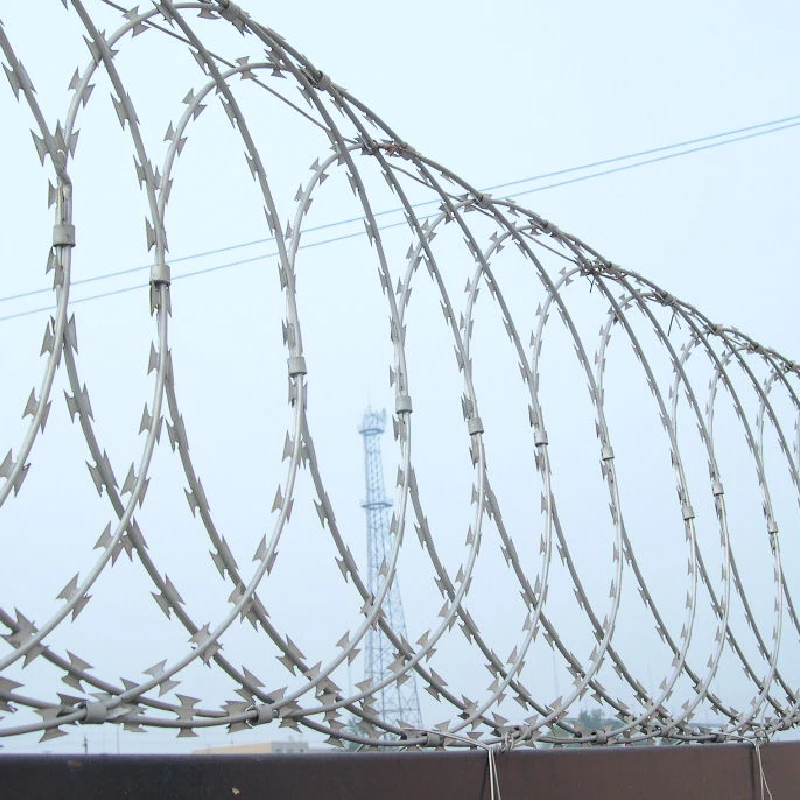
If you’ve ever peeked behind a fence, admired a sturdy wire mesh, or marveled at construction reinforcements, then you’ve likely encountered
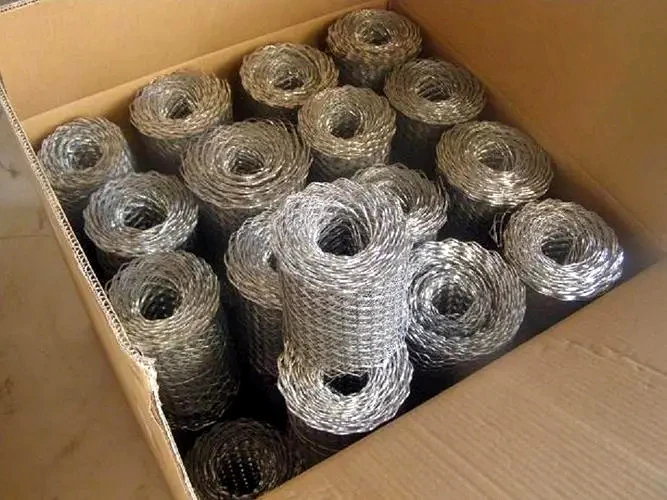
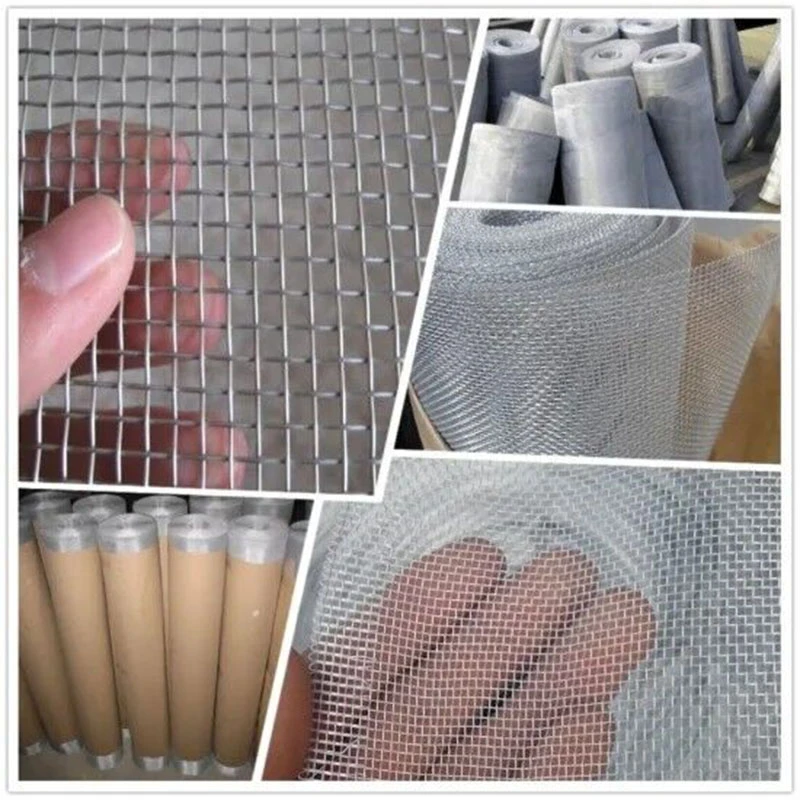
4mm galvanised steel wire. This particular gauge of wire plays a surprisingly pivotal role in industries worldwide — from infrastructure to agriculture, even humanitarian aid. With corrosion resistance, strength, and versatility baked right into its DNA, understanding 4mm galvanised steel wire actually sheds light on a quiet workhorse that helps keep our worlds safe, stable, and sustainable.
---
Introduction: Why the World Needs Tougher, Smarter Wire
Steel wire manufacturing is a global industry delivering millions of tonnes annually. According to the International Organization for Standardization (ISO 16120), galvanised steel wire specifications like 4mm thickness often strike the perfect balance between strength and flexibility. The global market for galvanised steel wire is projected to grow steadily, driven by expanding infrastructure needs and environmental challenges.
But why is galvanisation such a game-changer? The answer lies largely in rust prevention. Without galvanisation, steel wire corrodes quickly when exposed to moisture or harsh outdoor conditions. This degradation leads to costly failures — fences collapse, cages weaken, construction delays. On a macro scale, that's a headache the entire supply chain wants to avoid.
In real terms, industries and aid organizations seeking durable, cost-effective solutions rely on the peculiar qualities of galvanised steel wire to address these challenges — and the 4mm size seems to hit the sweet spot for many applications.
---
Defining 4mm Galvanised Steel Wire: What Exactly Are We Talking About?
Put simply, 4mm galvanised steel wire is a steel wire strand with a diameter of roughly 4 millimeters, coated with a protective layer of zinc via galvanisation. This zinc layer shields the steel underneath from oxidizing — aka rusting — when exposed to the elements.
This wire’s importance swells beyond mere fencing; it’s a fundamental ingredient in modern industry. For humanitarian endeavors, such as constructing emergency shelters or livestock pens after disasters, 4mm galvanised steel wire comes through as a dependable material choice. Its combination of strength, corrosion resistance, and reasonable cost makes it the go-to for engineers and aid workers alike.
---
Key Factors That Make 4mm Galvanised Steel Wire Stand Out
Durability
The galvanised coating grants the wire outstanding longevity in outdoor environments, often lasting 10–20 years or more depending on conditions. Consider highway fencing exposed to all weather — 4mm galvanized wire won’t flake off like paint, but forms a sacrificial barrier defending the core steel.
Strength & Flexibility
At 4mm thickness, the wire is tough enough to stand firm against physical strains yet flexible enough to be woven into meshes or bent into shapes without cracking. Many engineers say this balance avoids brittleness common in heavier gauge wires.
Cost Efficiency
Thicker wires cost more, naturally. But 4mm strikes a well-measured compromise that avoids over-engineering while still delivering safety and performance. This helps construction projects and relief agencies manage budgets effectively.
Corrosion Resistance
Thanks to galvanisation, zinc acts like a guardian angel against rust. This is a massive upgrade from bare steel’s vulnerability, especially in humid or salty environments — think coastal areas and tropical climates benefiting tremendously.
Scalability
Because 4mm galvanized wire is widely produced and standardized, sourcing and manufacturing at scale is simpler and more predictable. That means supply chains enjoy fewer bottlenecks and consistent quality.
Environmental Impact
Galvanised steel wire is recyclable, minimizing waste. As industries shift toward sustainability, more players consider galvanized steel wire preferable to plastic alternatives for fencing and containment.
Mini takeaway:
4mm galvanised steel wire hits a practical trifecta: toughness, longevity, and affordability — all vital for countless sectors.
---
Practical Applications Around the Globe
This wire is everywhere, and oddly enough, it feels ubiquitous once you start noticing.
- Construction Sites: Used for reinforcing concrete, wire mesh, and tensioning.
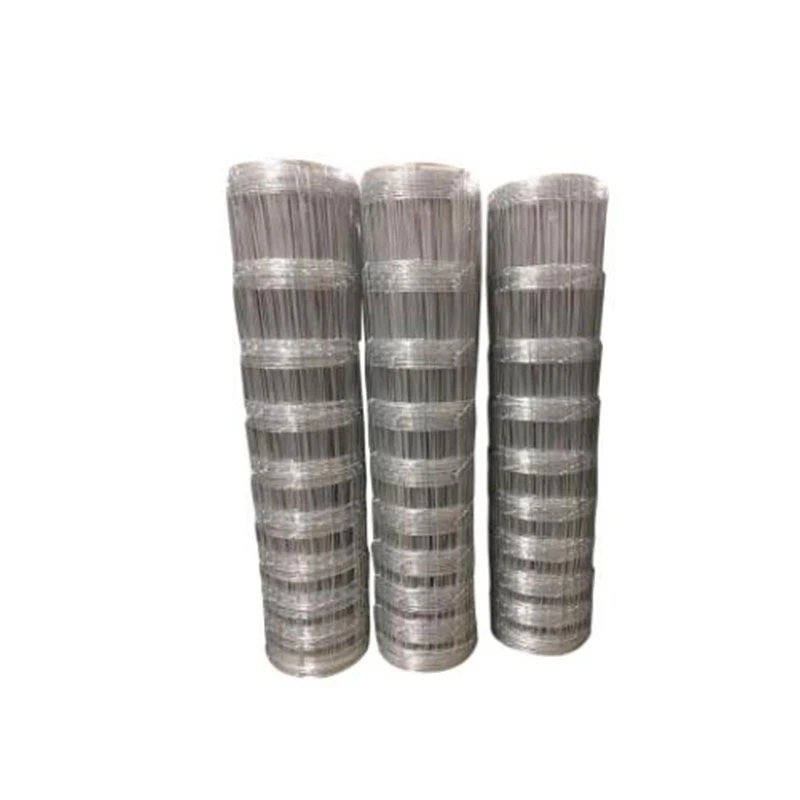
- Agriculture: Fences for livestock or crop protection.
- Disaster Relief Operations: Rapidly assembled shelters or fencing in conflict zones or after earthquakes.
- Industrial Installations: Securing equipment, pipes, scaffoldings.
- Coastal and Marine Uses: Salt-resistant fencing for erosion control.
For example, NGOs working in Southeast Asia reportedly lean on 4mm galvanised steel wire for rebuilding fences quickly in flood-affected villages, owing to its robustness and corrosion resistance. Similarly, remote mining operations in Australia use this wire to safeguard tools and enclosures exposed to harsh desert environments.
---
Advantages and Why It’s Worth Your Investment
Economically, life-cycle costs are lowered. Instead of frequently replacing rusty fencing, the galvanized layer extends usability, cutting recurring costs.
Socially, the wire contributes to safety — securing borders, livestock, or industrial hazards. That sense of security is often underestimated but deeply felt by communities.
Environmentally, recyclable steel and fewer replacements mean less waste. It feels kind of like the small steps that add up in sustainability.
Emotionally? Trust in a material that just keeps going instills confidence among engineers and end-users — and that peace of mind is priceless.
---
Looking Ahead: Trends in 4mm Galvanised Steel Wire
Sustainability dominates future trajectories. Advances in greener galvanising techniques, including more eco-friendly zinc baths, are underway.
Automation in manufacturing boosts consistency in thickness and coating adherence. Smart factories even monitor corrosion resistance in real-time.
Digital supply chains improve transparency for buyers, who want certified quality — especially critical for humanitarian use where every wire strand counts.
Plus, hybrid materials incorporating polymers are being experimented with, but for now, traditional galvanised steel wire holds its ground firmly.
---
Challenges & How Industry Folks Are Tackling Them
One common issue is uneven galvanised coating leading to weak spots. Smart inspections using X-ray fluorescence (XRF) and other non-destructive tests help detect problems before shipment.
Another limitation is weight. Transporting heavy coils to remote regions can be costly. Vendors are exploring lighter alloys and packaged modular solutions to ease logistics.
Corrosion in extreme marine environments remains a threat, but enhanced galvanising and alternative coatings are partial solutions.
---
FAQ About 4mm Galvanised Steel Wire
| Question |
Answer |
| How long does 4mm galvanised steel wire usually last outdoors? |
Typically, it can last 10–20 years depending on environment and maintenance. Coastal or heavily polluted areas might reduce lifespan unless additional protective measures are used. |
| Is it possible to customize 4mm galvanised steel wire for special projects? |
Yes, many manufacturers offer specific coatings, tensile strengths, and coil sizes to fit diverse industrial or humanitarian needs. Custom packaging and certifications can also be arranged. |
| Can galvanized wire be recycled? |
Absolutely. Steel wire is one of the most recycled materials globally. The zinc coating melts off during steel recycling and can be recovered separately, reducing environmental impact. |
| What industries benefit most from 4mm galvanised steel wire? |
Construction, agriculture, transportation, manufacturing, and humanitarian sectors rely heavily due to its versatility and durability under demanding conditions. |
---
Product Specification Table: Typical Characteristics of 4mm Galvanised Steel Wire
| Specification |
Detail |
| Diameter |
4.00 mm ± 0.05mm |
| Tensile Strength |
400 - 600 MPa |
| Coating Material |
Hot-dip Zinc Coating (galvanised) |
| Coating Thickness |
45 - 75 g/m² (total both sides) |
| Standard Length |
1000m coils (customizable) |
| Common Uses |
Fencing, mesh production, reinforcement |
Vendor Comparison: Leading Suppliers of 4mm Galvanised Steel Wire
| Vendor |
Price per Ton |
Coating Quality |
Certifications |
Delivery Lead Time |
| YJD Wiremesh |
$1500 - $1650 |
High (ISO 1461 certified) |
ISO 9001, CE |
2-3 weeks |
| Global Steel Co. |
$1420 - $1580 |
Medium (regional certifications) |
ISO 9001 |
3-4 weeks |
| Asia Wire Ltd. |
$1550 - $1700 |
Very High (premium coating) |
ISO 9001, ISO 16120, CE |
1-2 weeks |
---
Wrapping Up: Should You Invest in 4mm Galvanised Steel Wire?
In a nutshell,
4mm galvanised steel wire manages to merge efficiency, durability, and affordability in a way many materials strive for but few achieve. Whether your concern is building long-lasting infrastructures, setting up emergency barriers quickly, or protecting valuable assets in challenging environments, this wire checks almost every box.
So the next time you pass by a fence or a secure farming enclosure, you might just glance down and appreciate the quiet resilience of this humble steel strand that, frankly, holds a lot of the world together.
Curious to learn more or place an order? Visit our website:
https://www.yjdwiremesh.com — and see why so many professionals trust 4mm galvanised steel wire for their core projects.
---
References
- ISO 16120: Steel wire standards
- Wikipedia: Galvanization
- World Bank: Infrastructure density statistics