Across construction sites, woodworking shops, furniture factories, and even DIY toolboxes, iron nails for sale remain among the most essential fasteners in the world. Their strength, simplicity, and affordability make them indispensable in structural and decorative applications alike. As the global demand for reliable building materials continues to grow, iron nails remain one of the most in-demand bulk hardware products.
When seeking iron nails for sale, buyers typically look for qualities such as tensile strength, corrosion resistance, uniform shape, and compatibility with different surfaces. Available in a wide array of head types (flat, round, oval), shanks (smooth, ring, or spiral), and finishes (polished, galvanized, black), iron nails can meet almost any fastening need.
Contractors and large-scale manufacturers benefit greatly from sourcing iron nails for sale through direct wholesalers and factories. Not only does bulk purchasing significantly lower unit costs, but it also ensures supply chain reliability for ongoing or large projects. Many hardware and fastener distributors now turn to Chinese iron nails suppliers, known for their competitive pricing, advanced production capabilities, and worldwide export expertise.
What makes iron nails for sale so enduring is their reliability. Whether you’re constructing timber frames, installing roofing shingles, fastening siding, or crafting furniture joints, the right nail delivers the holding power and finish quality your project demands. And thanks to advancements in material science and automation, modern iron nails are stronger and more consistent than ever before.
Understanding the Structure and Application of Iron Wire Nail Products
One of the most widely used nail types in modern industry is the iron wire nail. These are manufactured from low-carbon steel wire and formed through a process of cutting, shaping, and head formation using automated machinery. The result is a versatile nail with a smooth finish, sharp point, and strong body—ideal for both industrial and residential applications.
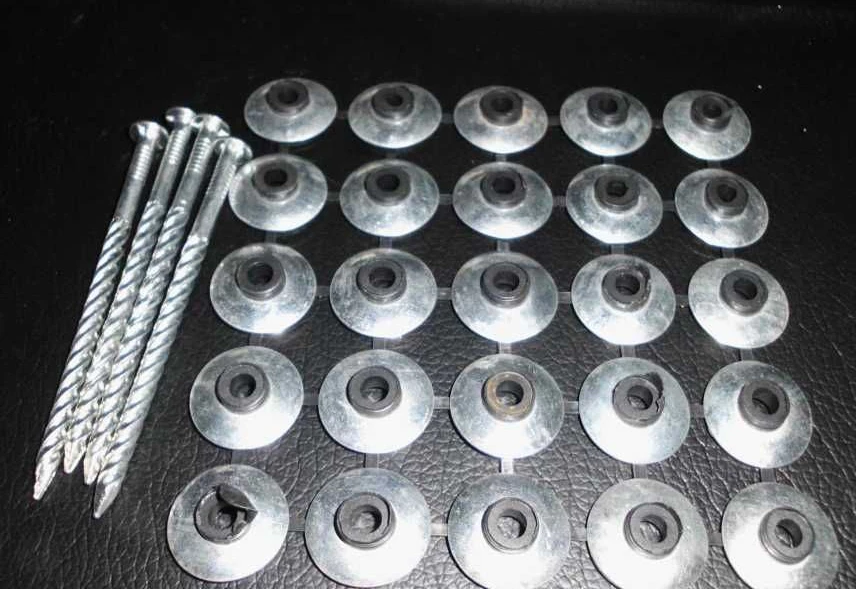
Iron wire nail varieties are incredibly diverse. Common nail types include common wire nails, concrete nails, roofing nails, and box nails. The smooth shank version is typically used in structural construction and framing, while ring-shanked and screw-shanked variants are designed to resist pull-out in outdoor and high-stress environments.
In furniture production, the iron wire nail plays a critical role. Nails with smaller diameters and blued or polished finishes are often used where aesthetic considerations matter, especially for interior joints or visible edges. In contrast, heavy-duty versions are used to anchor beams or connect boards in exterior woodworks.
In masonry work, specialized hardened iron wire nail types are available for penetrating concrete or brick surfaces. These nails often come with extra coating or are heat-treated to prevent bending and ensure a secure grip even in the hardest substrates.
Another advantage of the iron wire nail is compatibility with pneumatic nail guns. Pre-packed collated iron nails are commonly used in construction projects requiring speed and consistency. From home builders to industrial manufacturers, the iron wire nail remains a go-to solution for secure, affordable, and durable fastening.
Iron Nails Price Trends: What Affects Cost and How to Save
Whether you're sourcing bulk materials for a commercial project or comparing quotes for a home renovation, understanding iron nails price factors is essential to smart budgeting. Several key elements affect nail pricing, ranging from raw material costs to logistics and finish treatments.
The base material used in production plays a significant role. Since iron nails are typically made from low-carbon steel, fluctuations in steel prices directly impact overall cost. In recent years, raw material shortages and trade fluctuations have led to periodic increases in iron nails price, especially in international markets.
Another major determinant is the type and size of the nail. Shorter, thinner nails cost less to produce and ship, while longer or specialty nails (like concrete nails or ring-shank nails) require more material, heat treatment, and precise shaping—raising the final price.
Coating or galvanization also adds to iron nails price. Galvanized nails, though more expensive than polished nails, offer rust resistance that makes them suitable for outdoor use. Painted or PVC-coated nails are priced even higher due to the extra steps in production, but they add aesthetic value and longevity.
Labor costs, manufacturing origin, and order volume are also crucial pricing factors. Purchasing from Chinese iron nails suppliers typically offers competitive pricing due to large-scale automated manufacturing and streamlined export operations. Bulk orders often unlock tiered discounts, and sourcing directly from factories—rather than middlemen—further reduces cost.
To get the best iron nails price, buyers should request quotations from multiple suppliers, assess factory certifications, and consider local availability versus international shipping costs.
The Global Appeal and Strength of Chinese Iron Nails
In today’s hardware market, Chinese iron nails stand out as a global standard for affordability, quality, and scalability. Over the past two decades, China has developed into one of the leading producers and exporters of nails and fasteners. With state-of-the-art factories, quality control systems, and competitive labor costs, Chinese manufacturers are meeting international standards at prices other markets struggle to match.
When sourcing Chinese iron nails, international buyers benefit from a wide range of customizable options. Whether it’s common wire nails for woodwork, roofing nails with umbrella heads, or hardened concrete nails for construction, Chinese factories offer extensive product lines that cater to virtually every industry.
Production efficiency is a hallmark of Chinese iron nails manufacturing. Automated cold heading machines, high-speed drawing lines, and galvanizing facilities allow for high-volume output without compromising quality. Many Chinese factories are ISO-certified, and some specialize in meeting ASTM, DIN, or BS standards for export to North America, Europe, Africa, and the Middle East.
Another reason why Chinese iron nails dominate the global market is the robust export logistics support. Most manufacturers are experienced in international trade, with dedicated sales teams offering support in multiple languages, customized packaging, and flexible shipping arrangements including FOB, CIF, and DDP terms.
From rural fencing to skyscraper construction, the reliability of Chinese iron nails helps drive projects around the world. Their popularity continues to grow not only due to price competitiveness but also because of consistent product performance and global customer service.
Why Iron Nails for Sale Remain an Essential Construction Material
The continued relevance of iron nails for sale in an era of high-tech adhesives and composite fasteners speaks volumes about their reliability and utility. No matter how advanced building materials become, nails remain the simplest, fastest, and most cost-effective method for mechanically joining two surfaces.
For contractors, iron nails offer versatility unmatched by other fastening methods. They can be hammered in by hand, driven by nail guns, or even applied using automatic feeders in production lines. Their removal is equally simple, which makes them a preferred choice for temporary structures and adjustable installations.
DIY users and craftsmen appreciate the accessibility of iron nails for sale. Hardware stores, wholesalers, and online platforms provide easy access to a wide range of sizes and types—making nails ideal for home repairs, crafting, or creative projects.
Environmentally, iron nails also hold an edge. Steel is 100% recyclable, and modern nails often contain recycled content. Compared to some synthetic adhesives and plastic fasteners, nails offer a lower environmental footprint, especially when sourced responsibly.
As the demand for green building materials grows, even Chinese iron nails manufacturers are adapting by incorporating sustainable practices, reducing energy use, and complying with RoHS and REACH regulations. These steps make iron nails not only essential but also eco-aligned for future construction standards.
From timber framing and paneling to pallet assembly and crate manufacturing, iron nails continue to prove their worth as indispensable tools of the trade.
FAQs About Iron Nails
What are the differences between iron wire nail and other nail types?
An iron wire nail is made from drawn steel wire and is typically smooth-shanked with a flat head. It is widely used for woodworking, general construction, and crate making. Compared to cut nails or spiral shank nails, wire nails are easier to mass-produce and offer more flexibility. They are also compatible with automated nailing machines, making them ideal for high-volume applications.
Why are Chinese iron nails more affordable than those from other countries?
Chinese iron nails benefit from economies of scale, lower labor costs, and advanced manufacturing facilities. Chinese suppliers often invest in high-speed automation and produce large volumes for global markets, reducing production costs per unit. They also benefit from mature logistics networks and experienced export teams, allowing them to offer highly competitive prices with consistent quality.
How do I determine the best iron nails price for my business?
To find the best iron nails price, consider ordering in bulk directly from manufacturers or certified wholesalers. Compare prices across multiple vendors, evaluate shipping costs, and inquire about volume discounts or seasonal promotions. Be sure to also consider material quality, certifications, and after-sale support—choosing a slightly higher-priced product may offer better value in terms of durability and performance.
Are iron nails suitable for outdoor or marine environments?
Yes, but only if they are properly coated. For outdoor use, opt for galvanized or stainless iron wire nail types, which resist rust and corrosion. PVC-coated nails are also available for extra weather resistance. For marine environments, hot-dipped galvanized or stainless steel nails are preferred due to their ability to withstand salt exposure and humidity.
Can iron nails be customized in shape, size, or packaging?
Absolutely. Most iron nails for sale from large-scale suppliers, particularly Chinese iron nails manufacturers, can be customized to meet specific dimensions, head styles, finishes, and packaging formats. Custom labels, branded cartons, and export-grade pallets are common options offered to meet the needs of importers and wholesalers.