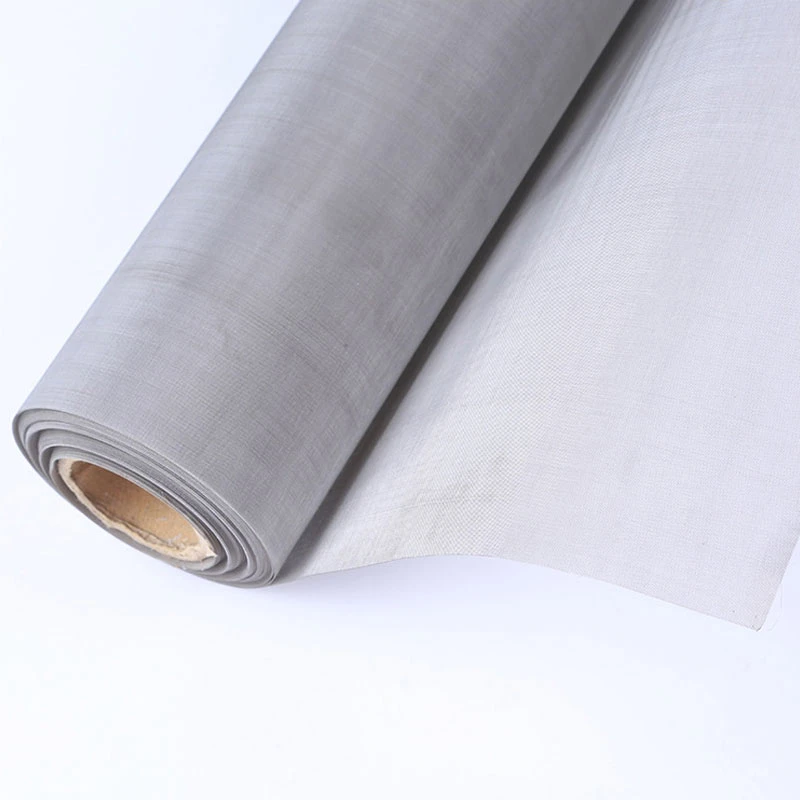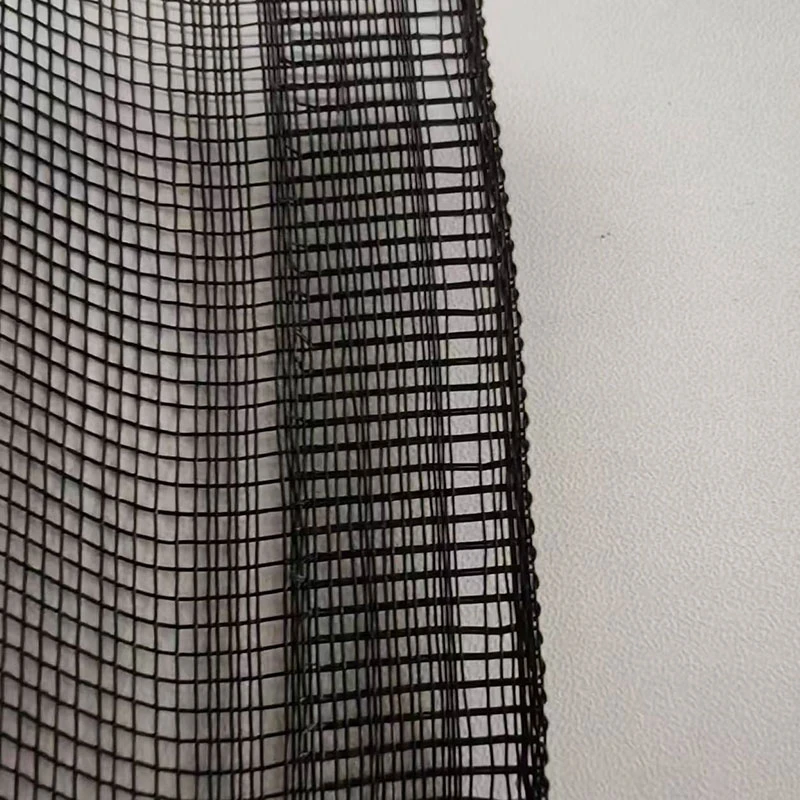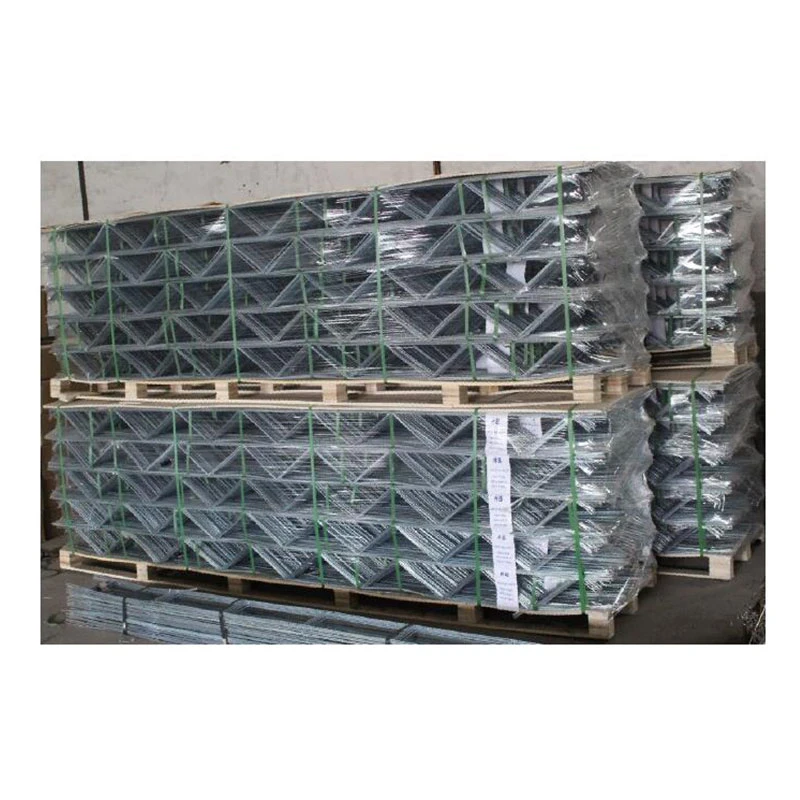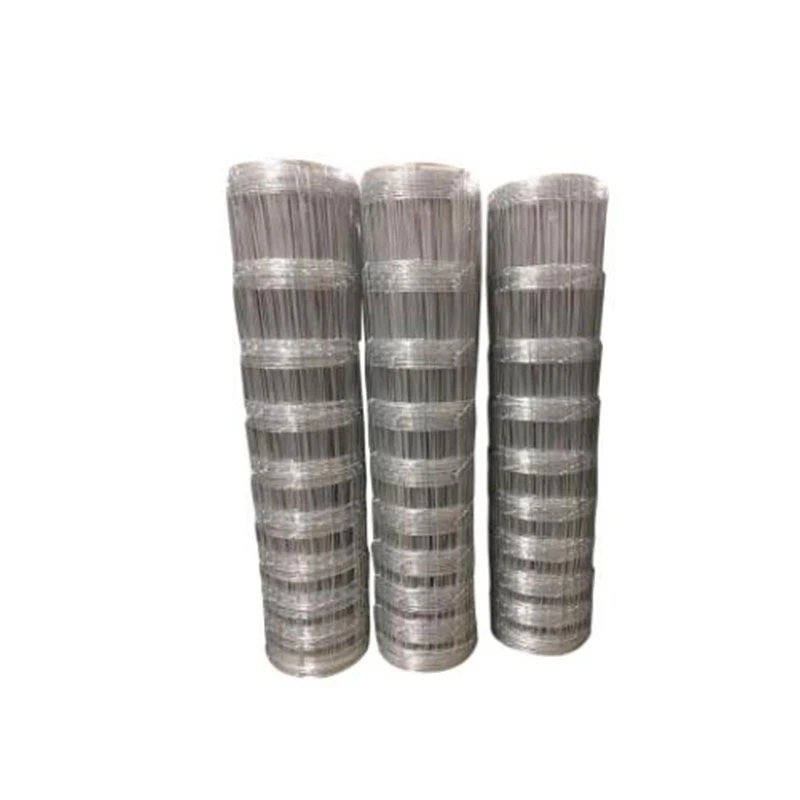
Iron wire is a foundational material used across construction, agriculture, industrial manufacturing, and domestic applications. Whether for structural support, binding, fencing, or crafting, the right kind of iron wire can offer both strength and flexibility. When purchased in bulk, iron wire wholesale solutions become not only cost-effective but essential for those managing large-scale operations or frequent usage.
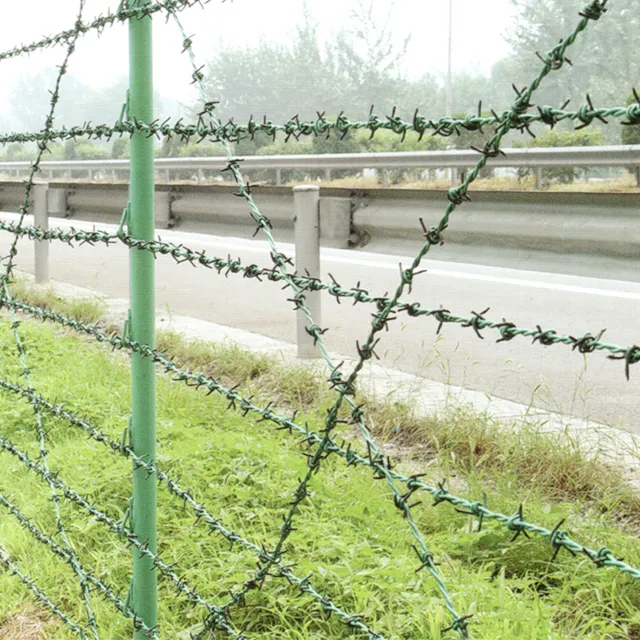
Iron wire wholesale suppliers typically offer a wide range of products, including black annealed wire, galvanized iron wire, and PVC-coated variants. These are available in different gauges and finishes to match specific project needs. For example, black annealed iron wire is soft and pliable, perfect for baling or binding materials in the recycling industry, while galvanized wire resists rust, making it suitable for outdoor applications.
One of the greatest benefits of iron wire wholesale is pricing. Buying iron wire in large quantities can dramatically reduce the cost per unit, allowing for better budget control over time. In addition to cost savings, wholesale buyers often benefit from consistent product quality, supply reliability, and tailored services like custom coiling or cutting.
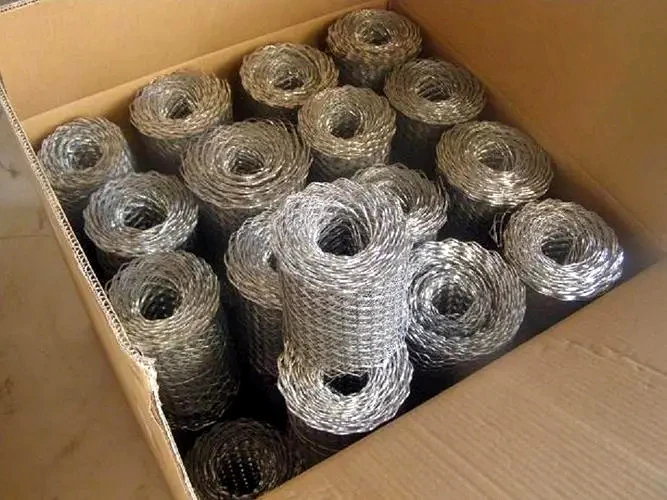
The growing demand for iron wire wholesale has also driven innovation in delivery and packaging methods. Suppliers now offer spool-packed, coil-packed, or bundled wire to facilitate easier handling, transportation, and storage. For industries like construction or agriculture where speed and efficiency are paramount, this logistical improvement translates directly into operational advantages.
How Iron Wire Works in Industrial and Agricultural Projects
To understand the widespread appeal of this material, it helps to explore how iron wire works across various industries. In construction, iron wire is most commonly used for tying rebar together before concrete pouring. Its tensile strength and flexibility make it ideal for securing structural elements in place, maintaining integrity under tension and pressure.
In agriculture, iron wire works in fencing, vine training, trellising, and even as a foundation material for shade netting. Farmers prefer iron wire for its reliability under diverse weather conditions and compatibility with various fastening tools and clips. Galvanized iron wire in particular is popular on farms, as its corrosion resistance allows it to withstand rain, humidity, and UV exposure.
In the packaging and recycling industries, iron wire works for bundling cardboard, plastic, and metal scrap materials. Its pliability ensures it can be twisted tightly without breaking, while still being strong enough to hold bulky loads together. Black annealed wire is a favorite here due to its soft texture and heat-treated flexibility.
Craftspeople and artists have also discovered how iron wire works in creative endeavors. From wire sculptures to framework for papier-mâché art, iron wire forms the skeleton of many artistic masterpieces. Its malleability allows it to be shaped by hand or with basic tools, making it accessible to both professionals and hobbyists.
As technology evolves, the integration of iron wire into smart infrastructure—such as reinforcing materials in electric fencing or sensor-enabled barriers—demonstrates that this simple material continues to adapt and innovate alongside modern needs.
Choosing the Right Iron Wire Size for Every Application
One of the most important factors when selecting iron wire is determining the appropriate iron wire size. The size of iron wire typically refers to its diameter, measured in millimeters or gauge (AWG or BWG standards). Choosing the wrong size can result in inefficiency, compromised safety, or wasted resources.
For construction applications such as rebar tying, a commonly used iron wire size ranges from 1.0mm to 1.5mm. These offer a good balance between flexibility and tensile strength. Thicker wires like 2.0mm or 2.5mm may be used where additional holding power is needed, such as in formwork support or scaffolding ties.
In agriculture, the optimal iron wire size depends on the specific use. For fencing grapevines or supporting plants, 1.2mm to 1.6mm is usually sufficient. For boundary fencing or livestock enclosures, thicker wires like 2.5mm or higher offer the necessary durability to withstand pulling, climbing, or animal impact.
The packaging industry, which favors flexibility and ease of use, often selects smaller iron wire sizes, such as 0.8mm to 1.0mm. These sizes are ideal for baling machines and hand-tying operations.
Artists and DIY enthusiasts may choose extremely fine iron wire sizes, such as 0.4mm or even finer, to create delicate shapes and details in wireframe designs or jewelry.
Regardless of the end use, understanding iron wire size is critical to ensure safety, efficiency, and product longevity. Most iron wire wholesale suppliers provide size charts, load-bearing capacities, and expert advice to help buyers make the right selection.
Fencing Iron Wire: Security, Structure, and Style
Fencing iron wire is among the most common and essential uses for this versatile material. Whether you're protecting a property boundary, enclosing farmland, or setting up temporary barriers on a construction site, iron wire provides a reliable and adaptable solution.
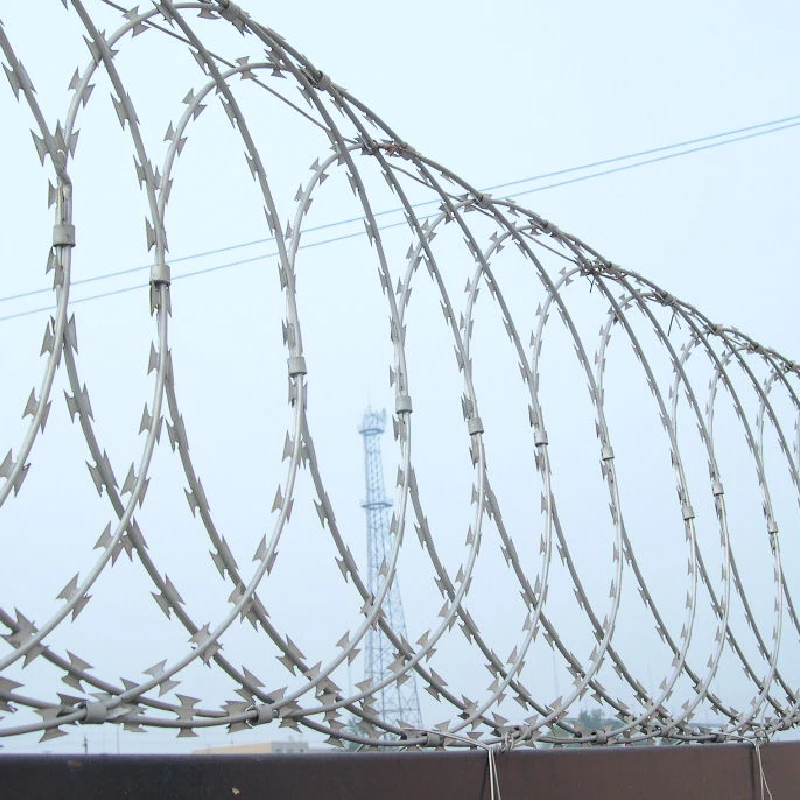
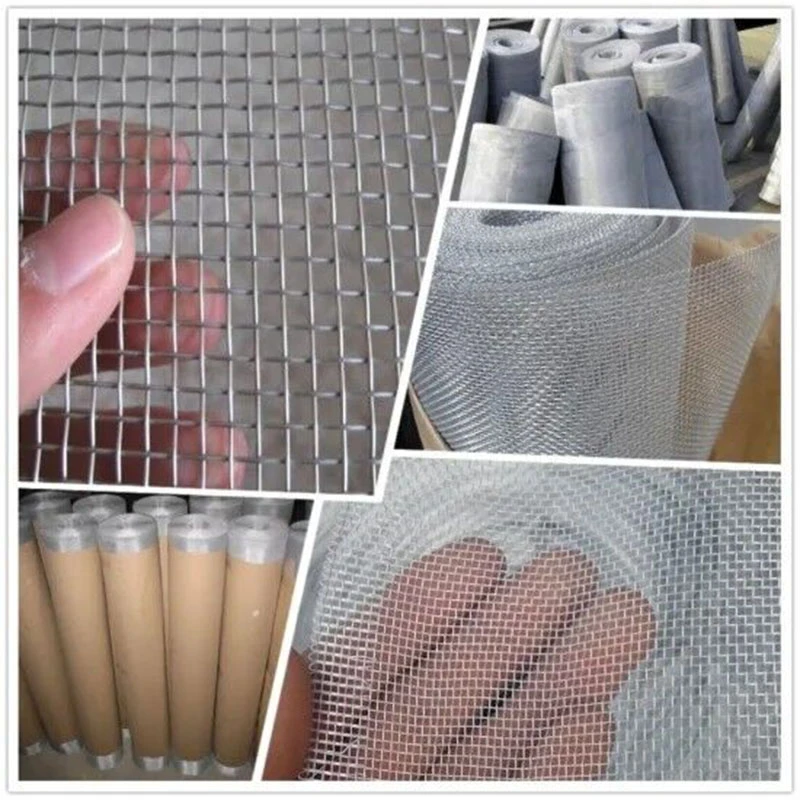
There are multiple types of fencing iron wire available, each suited to different applications. Barbed wire, for instance, is used for security fencing, particularly in remote or high-risk areas. Its sharp barbs act as a deterrent against trespassing or intrusion. Welded wire mesh, made from interlinked iron wires, is often used for residential or commercial property fencing due to its neat appearance and structural integrity.
Chain link fencing, another popular option, utilizes galvanized fencing iron wire in a diamond-shaped pattern. It's widely used in sports facilities, parks, industrial zones, and urban infrastructure for its balance of security, visibility, and airflow.
PVC-coated fencing wire combines the strength of iron with the weather resistance and visual appeal of plastic coating. Available in green, black, or other colors, it blends easily into landscapes and is commonly seen in gardens, school yards, and housing complexes.
Installing fencing iron wire requires selecting the correct posts, spacers, and fastening equipment. Proper tensioning is crucial to prevent sagging or bending under pressure. Maintenance is relatively straightforward—regular inspections and occasional rust removal or retightening keep fences effective and presentable.
Thanks to advancements in materials and coatings, modern fencing iron wire lasts longer, looks better, and offers greater resistance to environmental stress, making it the preferred choice for safety, aesthetics, and cost-effectiveness.
Why Iron Wire Wholesale Continues to Dominate the Market
The growing demand for iron wire wholesale reflects a broader trend in global markets where reliability, flexibility, and cost-efficiency are paramount. Iron wire remains an irreplaceable component across industries for a simple reason: it works.
Beyond its raw physical attributes, iron wire is incredibly easy to work with. It can be cut, bent, twisted, welded, and shaped with simple tools, making it accessible even for small-scale users. Meanwhile, industrial clients appreciate the material's compatibility with machinery like balers, fencing tensioners, and wire straighteners.
Sourcing from a trusted iron wire wholesale supplier ensures access to consistent material quality, faster delivery timelines, and often better technical support. Most wholesalers also follow strict quality standards such as ISO certification, ensuring that the wire meets performance and safety benchmarks for demanding projects.
Environmental sustainability is also pushing manufacturers to refine their processes. Many producers are now offering recyclable or low-emission iron wire products to meet the requirements of green building standards and eco-conscious projects.
Looking forward, innovations in alloy composition, coating technology, and even smart integration (e.g., anti-theft sensor lines within fencing iron wire) suggest that this humble product will continue to evolve and remain relevant in high-tech applications.
Whether you're reinforcing concrete slabs, enclosing a livestock farm, or crafting a custom art piece, iron wire proves time and again that simplicity combined with strength makes for a timeless material.
FAQs About Iron Wire Wholesale
What types of iron wire are available through wholesale suppliers?
Wholesale suppliers typically offer black annealed wire, galvanized iron wire, PVC-coated wire, electro-galvanized wire, and occasionally stainless steel variants. These can be tailored for construction, agriculture, fencing, baling, and decorative purposes.
How do I choose the correct iron wire size for my project?
Choosing the right iron wire size depends on your application. Use thinner wire (0.8mm–1.2mm) for bundling or artistic projects, medium thickness (1.5mm–2.0mm) for general construction or agriculture, and thicker wire (2.5mm and above) for fencing or heavy-duty binding. Consider the tension, environment, and required durability.
Is fencing iron wire suitable for all weather conditions?
Yes, especially when it's galvanized or PVC-coated. These finishes protect the iron wire from rust, corrosion, and UV damage. For marine or highly humid areas, opt for heavier galvanization or additional coatings to extend the lifespan of fencing iron wire.
What are the benefits of buying iron wire wholesale?
Purchasing iron wire wholesale reduces the per-unit cost, ensures a consistent supply, and allows customization of sizes, packaging, and finishes. It’s ideal for businesses with frequent or large-scale usage needs. Many suppliers also offer technical support, logistics coordination, and material certifications.
How can I ensure my fencing iron wire installation lasts longer?
Start by choosing high-quality wire with the appropriate coating. Use sturdy posts and stretch the wire properly during installation to avoid sagging. Perform regular inspections for rust or tension loss, and replace damaged sections promptly. Proper installation and maintenance will significantly extend the wire's lifespan.