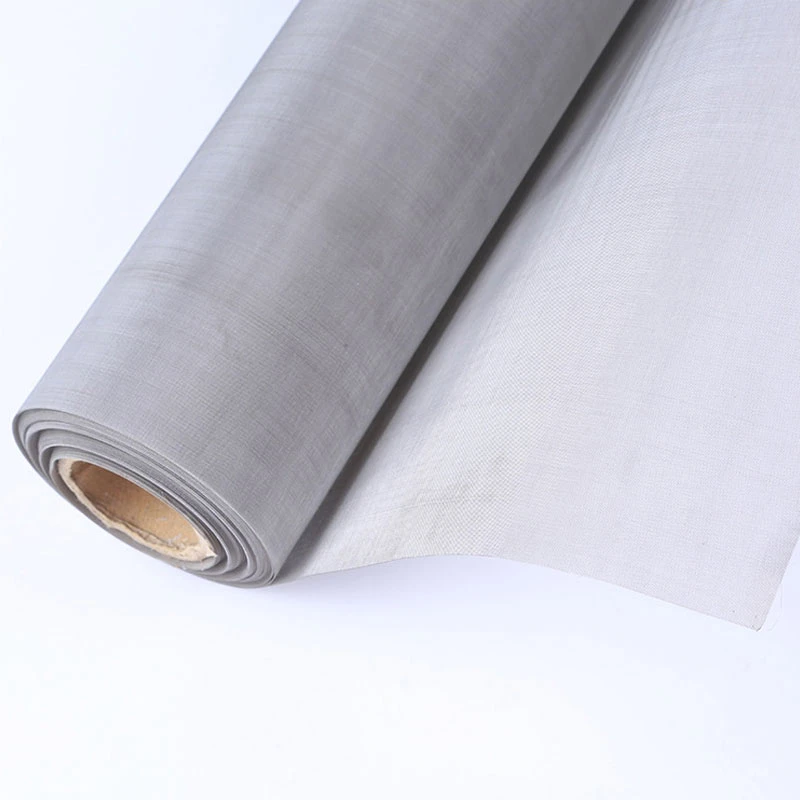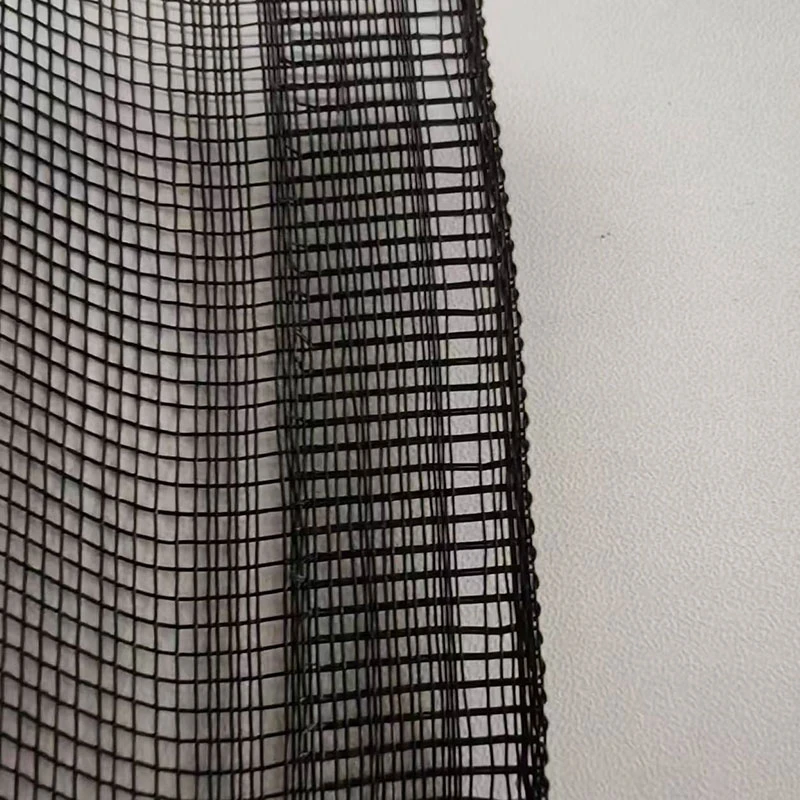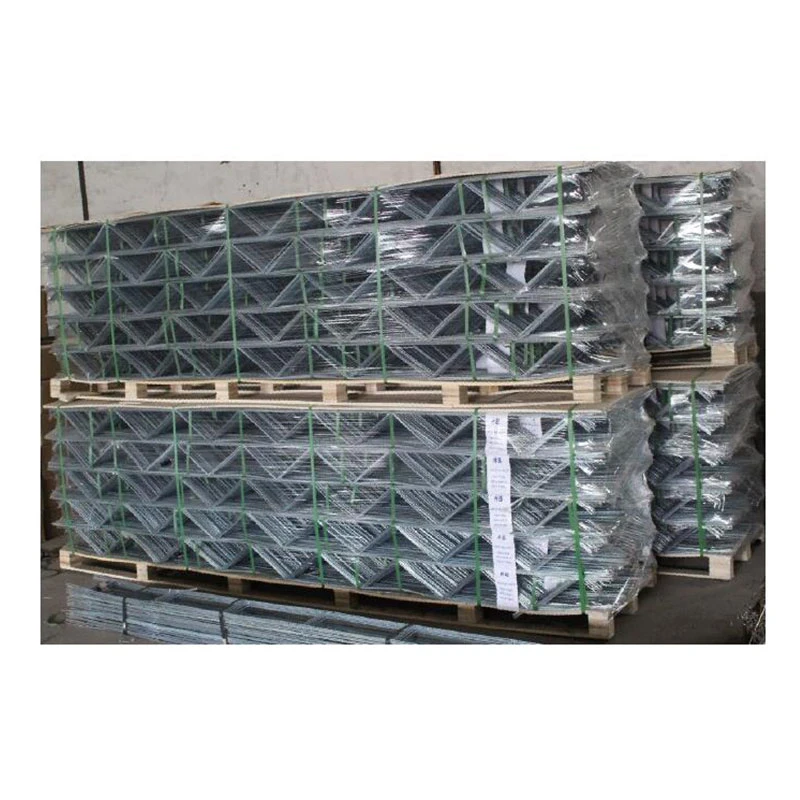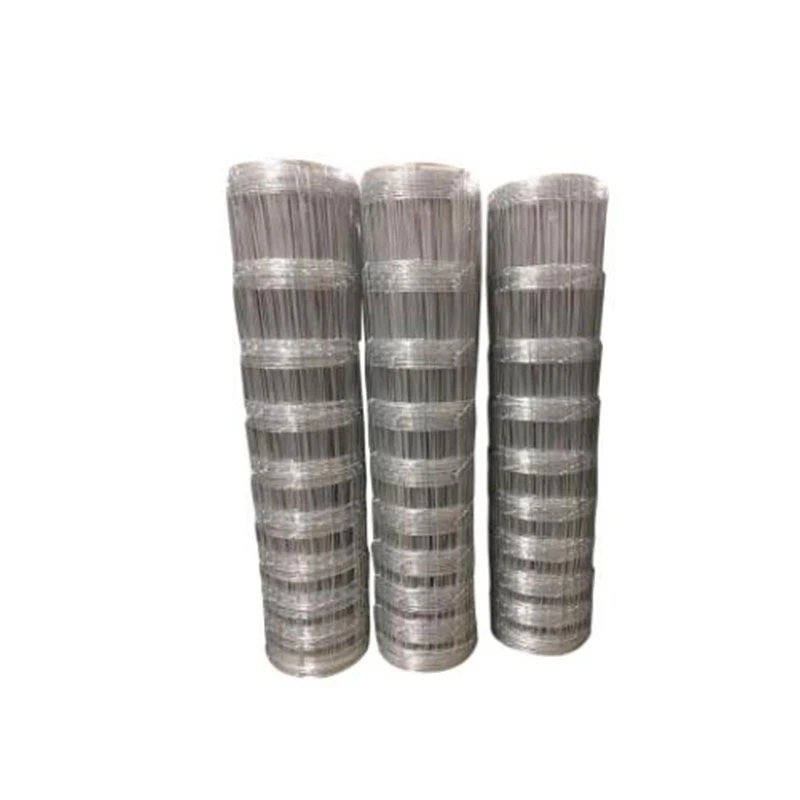
Galvanized Wire 16 Gauge: Why It Matters in Industry and Beyond
At first glance, galvanized wire 16 gauge might just seem like a plain old metal wire. But in reality, it’s a quiet hero in construction, agriculture, and countless other industries worldwide. Understanding this material—the durability of its zinc coating, the thickness implied by ‘16 gauge,’ and its versatility—lets you appreciate how it quietly supports fences, cages, scaffolds, and much more. Globally, galvanized wire addresses the need for cost-effective, rust-resistant solutions. In an era where sustainable, long-lasting materials are prized, knowing about galvanized wire 16 gauge is surprisingly beneficial.
The Global Context: Galvanized Wire 16 Gauge in Today’s Industry
Infrastructure development, agricultural fencing, and supply chain efficiency hinge on sturdy materials that last under diverse environmental conditions. According to ISO standards, galvanized coating thickness affects wire lifespan significantly, with 16 gauge wire striking a balance between tensile strength and flexibility.
By some estimates, the demand for galvanized wire is growing steadily, backed by global markets focusing not only on durability but sustainability too. Take the UN’s Sustainable Development Goals emphasizing responsible consumption; galvanized wire’s resistance to corrosion means fewer replacements and less waste — a small but important piece in a big puzzle.
Yet, challenges exist: many regions face variability in supply quality and inconsistent standards, which complicates usage in critical applications. For example, farmers in remote areas often lack access to truly galvanized products, increasing upkeep costs.
Mini Takeaway:
- Galvanized wire 16 gauge plays a pivotal role in global industries needing durable materials.
- Sustainability and cost-efficiency are driving greater awareness and innovation in this product class.
Understanding Galvanized Wire 16 Gauge
So, what exactly is galvanized wire 16 gauge? At its core, it’s a steel wire approximately 1.29 millimeters thick (about 0.051 inches), coated with a layer of zinc to resist rust and corrosion. This process—hot-dip galvanizing or electro-galvanizing—extends the wire’s life, making it ideal for outdoor or industrial use.
For industries, such as agriculture or construction, where wire fencing or mesh has to endure weather, wear, and sometimes chemical exposure, the protective zinc layer is non-negotiable. Also, in humanitarian contexts, such as building refugee camps or disaster relief shelters, galvanized wire’s quick deployability combined with durability proves invaluable.
Mini Takeaway:
- 16 gauge specifies the wire diameter — not too thin, not too bulky.
- Zinc coating protects steel core from rust, extending usable life.
Core Features of Galvanized Wire 16 Gauge
Durability and Corrosion Resistance
The zinc coating acts like a shield, sacrificing itself to protect the steel underneath. It reduces maintenance costs, especially in humid or coastal environments where rust is a constant threat.
Flexibility and Strength
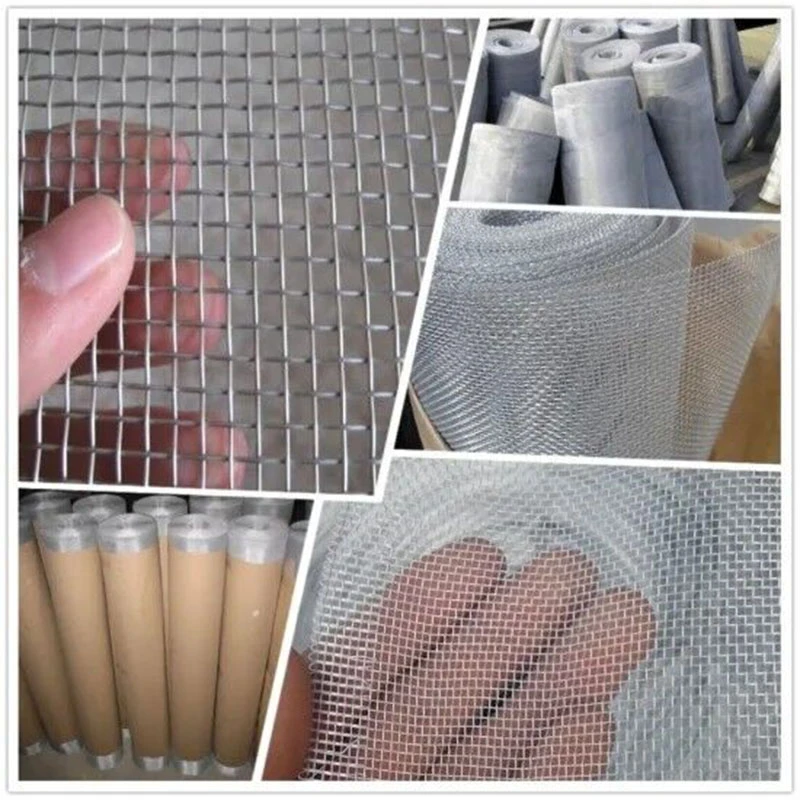
16 gauge wire strikes a practical balance: it's strong enough to hold shape or support loads yet flexible enough to weave into mesh or be wrapped around structures.
Cost Efficiency
Compared to stainless steel or other corrosion-resistant materials, galvanized wire is affordable without compromising reliability — making it popular for large-scale applications.
Versatility
From agriculture fences, concrete reinforcement, to crafting and DIY projects, galvanized wire 16 gauge is a go-to material due to its adaptability.
Environmental Sustainability
Long lifespan means less frequent replacement and waste, aligning with green manufacturing practices and reducing environmental footprint.
Mini Takeaway:
- Durability and flexibility make it widely applicable.
- It’s a surprisingly green choice thanks to longevity and recyclability.
Where Is Galvanized Wire 16 Gauge Used Around the World?
Regions such as North America, Europe, and developing parts of Asia rely extensively on galvanized wire 16 gauge. For instance:
- Post-Disaster Relief: NGOs employ galvanized wire in emergency fencing and shelter frameworks, especially in typhoon or earthquake-affected zones in Southeast Asia.
- Agriculture: In rural Africa and South America, galvanized wire is essential for livestock containment and crop protection.
- Industrial Zones: Factories and warehouses often use galvanized wire mesh cages to protect goods or create temporary barriers.
I recall a case in Indonesia, where rapid deployment of galvanized wire fencing helped secure clean water sources, dramatically improving sanitation in refugee camps within days.
Mini Takeaway:
- Galvanized wire 16 gauge is used globally in vital, real-world applications.
- Its quick installation and durability make it a tool for humanitarian impact and industry alike.
Advantages and Long-Term Value of Galvanized Wire 16 Gauge
What makes galvanized wire 16 gauge enduringly popular? The benefits are both practical and emotional:
- Reliable Performance: Safety is paramount. Durable fences and barriers protect people and property, building trust.
- Cost Savings: Less frequent replacement means projects stay within budget long-term.
- Sustainability: Recyclability and reduced waste reflect corporate social responsibility.
- Innovation: As materials technology advances, galvanized wire adapts, supporting smarter infrastructure.
On a simpler level, using galvanized wire feels like investing in something that lasts — a comforting thought in fast-paced industries.
Mini Takeaway:
- The wire balances cost, sustainability, and trust in one package.
- Its reliability fosters confidence in both industrial and humanitarian projects.
Future Trends and Innovations in Galvanized Wire
The field isn’t static. Green initiatives encourage producing galvanized wire with less energy-intensive processes and improved zinc coatings that last even longer. Digital tools now monitor wire tension and corrosion in real time for preventive maintenance.
Automation in manufacturing ensures consistent quality, while “smart fencing” integrates sensors on galvanized wire meshes for security or environmental monitoring — an exciting blend of old and new.
Mini Takeaway:
- Expect greener production methods and smarter applications soon.
- The core benefits of galvanized wire remain, evolving with tech trends.
Challenges and Expert Solutions
Despite its merits, galvanized wire is not perfect. Issues include:
- Uneven coating thickness causing premature corrosion
- Supply chain inconsistencies in raw material quality
- Improper installation compromising longevity
Experts advocate for:
- Strict quality control and ISO-certified vendors
- Training for installation teams
- Emerging coatings technology to enhance durability
Ultimately, choosing the right product from reputable sources is key. For instance, some vendors offer unmatched zinc purity — something that really stands out once you’re in the field.
Product Specification Table: Galvanized Wire 16 Gauge
| Specification | Details |
|---|---|
| Diameter | 1.29 mm (16 gauge) |
| Material | Low Carbon Steel (ASTM A641) |
| Zinc Coating | Hot-dip galvanized, min. 600 g/m² |
| Tensile Strength | 380 - 515 MPa |
| Standard Length | 50 - 200 meters (spools) |
| Typical Use Cases | Fencing, mesh, binding, construction |
Comparing Top Galvanized Wire Vendors
| Vendor | Zinc Coating (min.) | Compliance | Price per kg (USD) | Lead Time |
|---|---|---|---|---|
| YJD Wire Mesh | 600 g/m² | ISO 9001, ASTM A641 | 1.20 | 2 weeks |
| SteelPro Inc. | 550 g/m² | ASTM A641 | 1.15 | 3 weeks |
| Global Metals | 500 g/m² | ISO 9001 | 1.10 | 4 weeks |
FAQ: Answers to Common Questions About Galvanized Wire 16 Gauge
- Q1: How long does galvanized wire 16 gauge last outdoors?
- A1: Generally, hot-dip galvanized wire 16 gauge can last between 15 to 25 years outdoors under normal weather conditions, depending on zinc coating thickness and environmental salinity. Coastal regions may reduce lifespan slightly due to salt exposure.
- Q2: Can galvanized wire 16 gauge be used for electrical fencing?
- A2: Yes, it’s commonly used for electric fences because it combines durability and conductivity. However, it’s best paired with proper insulators and grounding to prevent short circuits.
- Q3: Is galvanized wire 16 gauge recyclable?
- A3: Absolutely. Both the steel core and zinc coating can be recycled, making it an environmentally friendly option, especially when sourced from reputable manufacturers focused on sustainability.
- Q4: Where can I buy quality galvanized wire 16 gauge?
- A4: Many industrial suppliers offer it globally. For trusted quality and certification, vendors like YJD Wire Mesh provide reliable galvanized wire 16 gauge with consistent specifications.
- Q5: How is galvanized wire 16 gauge tested for quality?
- A5: Quality testing includes measuring zinc coating thickness, tensile strength, and diameter uniformity, often following ASTM or ISO standards. Vendors usually provide certificates of compliance for these parameters.
Conclusion: The Lasting Appeal of Galvanized Wire 16 Gauge
It might sometimes be easy to overlook something as simple as galvanized wire 16 gauge. But its long-term value across industries, fields, and continents is nothing short of impressive. Durable, adaptable, and cost-efficient, it reflects a perfect mix of ancient metallurgy and modern industrial need. When you choose the right galvanized wire, you’re not just buying a product; you’re investing in safety, sustainability, and peace of mind.
Curious to know more or ready to source high-quality galvanized wire 16 gauge? Visit our website at https://www.yjdwiremesh.com and discover a world of options tailored for your project.