Understanding 0.5 mm Galvanised Wire: Why It Matters Today
When you hear "0.5 mm galvanised wire," it might just sound like a niche industrial product, but this thin, zinc-coated strand is actually a quiet powerhouse in global trade and infrastructure. It’s everywhere — from fencing sprawling industrial complexes to reinforcing humanitarian aid packages in disaster zones. The reality is that this gauge of galvanised wire strikes a sweet spot: thin enough to be versatile and lightweight, yet strong and durable enough to stand the test of time and weather.
Why does this matter globally? Because infrastructure resilience, sustainable production materials, and cost-effective solutions have become defining factors in development and industry. The 0.5 mm galvanised wire is at the heart of many of these efforts, and understanding its specifics, applications, and suppliers can unlock smarter choices for businesses and governments alike.
The Global Context: A Small Wire With a Big Role
Globally, the galvanised wire market reflects the pulse of industrial growth and humanitarian priorities. According to the International Organization for Standardization, galvanisation ensures long-lasting rust resistance, essential for metal wire especially in challenging climates.
Experts estimate that over 75% of the global galvanised wire consumption stems from the construction and agriculture sectors, notably in Asia and Europe (World Bank, 2022). Why? Both sectors demand material that balances strength, corrosion resistance, and cost-efficiency — which 0.5 mm galvanised wire delivers.
Still, an ongoing challenge remains: how to meet the demand without compromising sustainability or affordability. This slender rescue rope in the industrial toolkit addresses that challenge head-on.
Defining 0.5 mm Galvanised Wire: More Than Just a Number
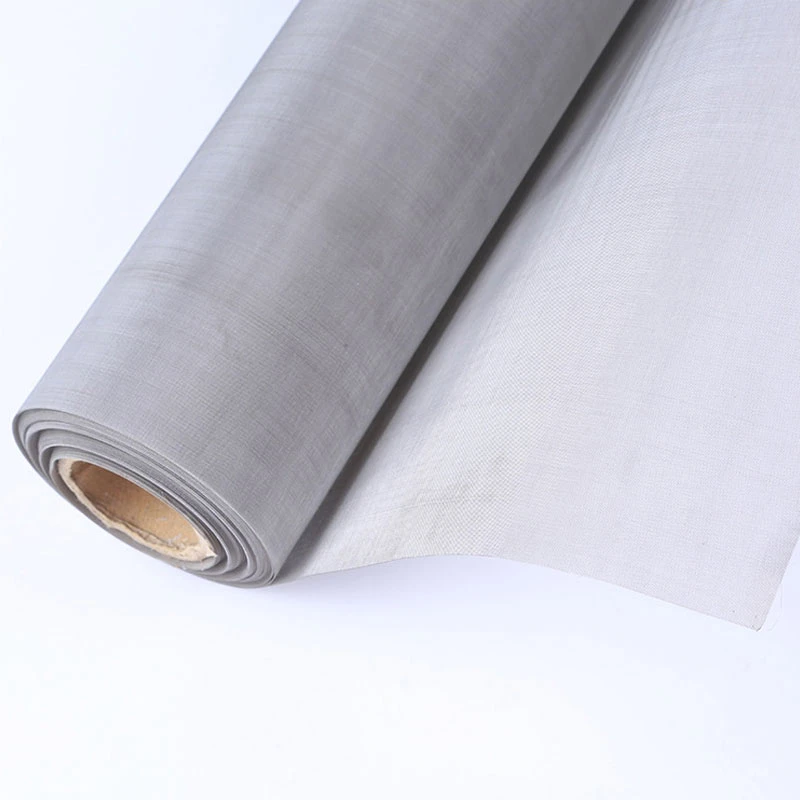
Simply put, 0.5 mm galvanised wire is a steel wire that has been coated with a thin layer of zinc to protect against corrosion. Its diameter is roughly half a millimeter, placing it within a range that offers flexibility and tensile strength without becoming unwieldy or fragile.
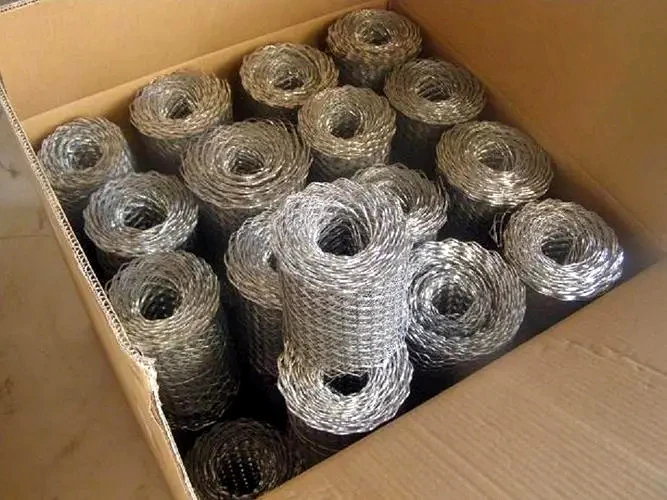
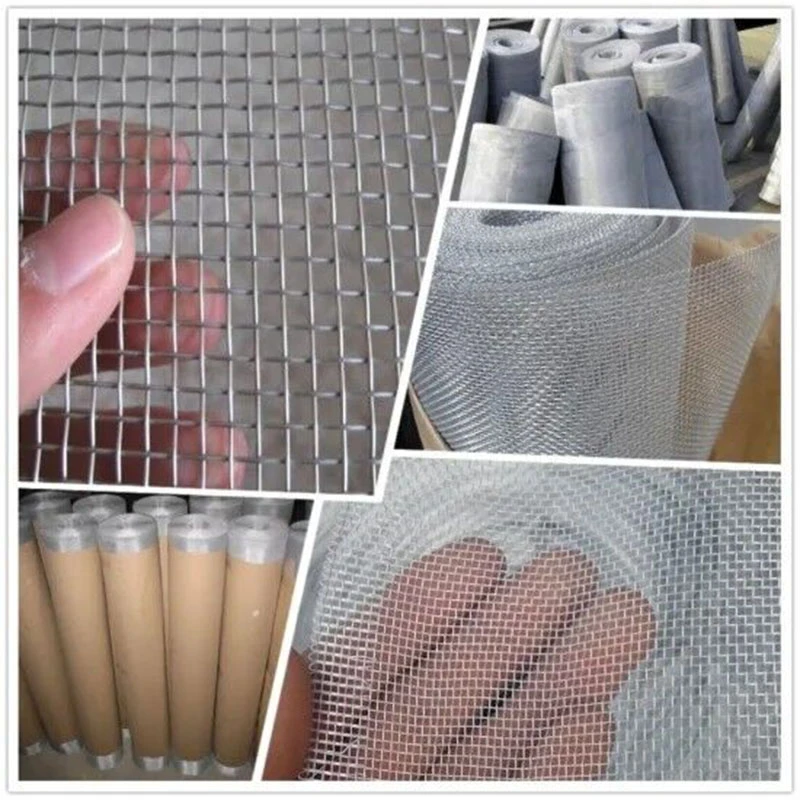
But it’s not just “steel wire that’s zinc-coated.” In many industries, it’s a standard for producing mesh fences, cages, cable bindings, or wire ties that need reliable rust resistance. It’s equally useful in humanitarian work, where lightweight, rust-proof wire might form parts of temporary shelters or aid kits.
Key Characteristics That Make This Wire a Go-To Choice
1. Durability and Corrosion Resistance
The galvanisation (zinc coating) shields the steel core from rust, extending the life span of the wire even in humid or salty environments.
2. Flexibility and Strength
At 0.5 mm, the wire is thin enough to bend or twist without snapping, but strong enough to hold tension — perfect for applications like mesh wiring or bundling.
3. Cost-Effectiveness
Compared to thicker gauge wires or alternative materials, 0.5 mm galvanised wire offers a balance between price and performance — great for bulk production or industrial scaling.
4. Scalability and Versatility
Because it’s so commonly used, this wire is easily sourced and standardized — making it a favourite among manufacturers and engineers worldwide.
5. Environmental Impact
Galvanised wire can be recycled, and with new advancements in galvanising technology, emissions from the zinc-coating process have decreased significantly.
Mini takeaway: 0.5 mm galvanised wire reliably blends strength, flexibility, and cost efficiency — the trifecta needed for widespread industrial use.
Where Does 0.5 mm Galvanised Wire Show Up? Global Applications
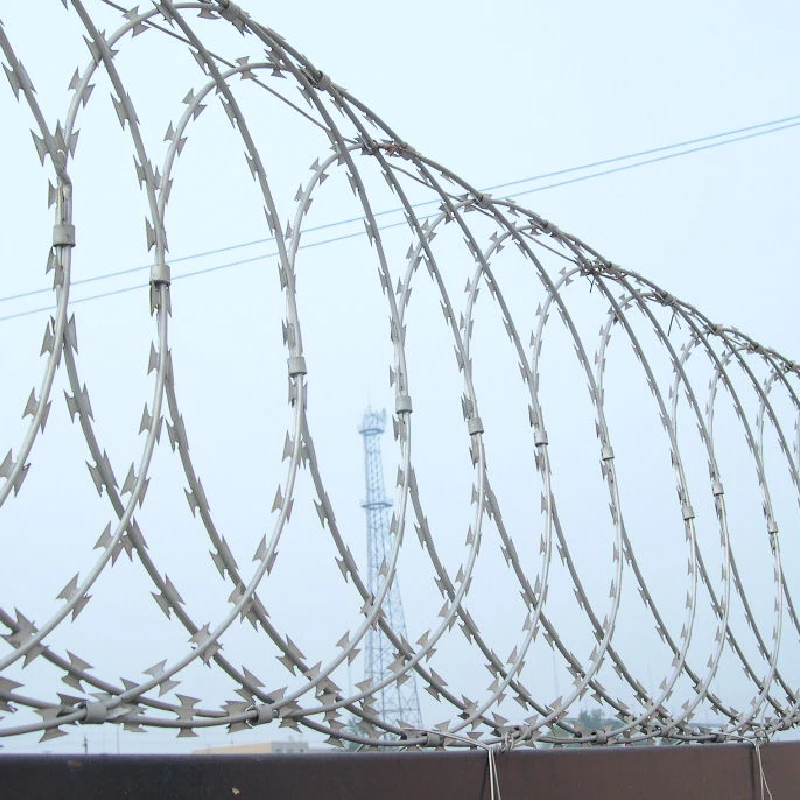
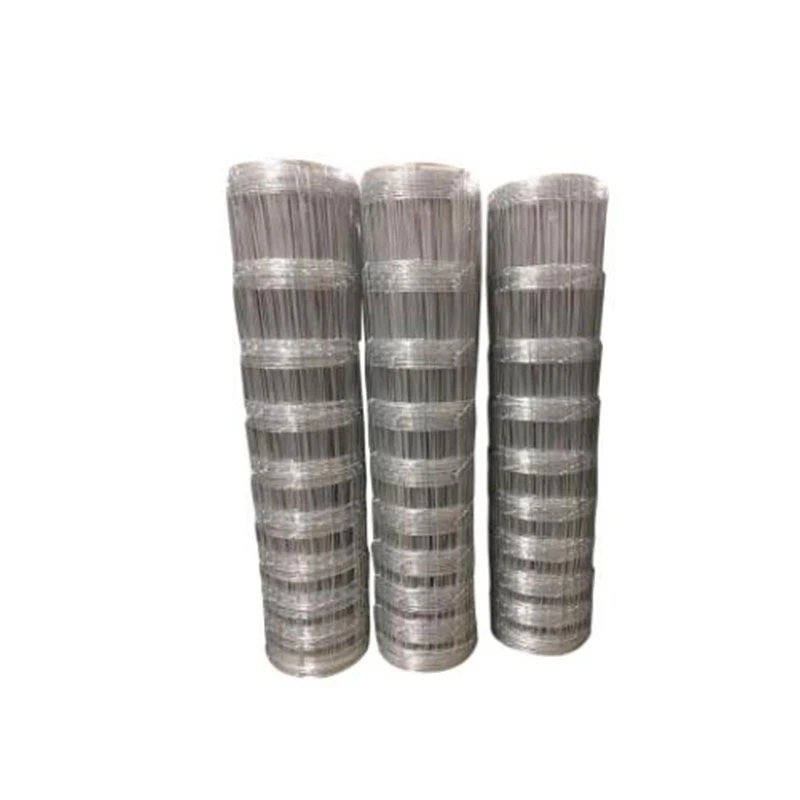
In Europe and North America, you’ll find this wire in agricultural fencing — protecting crops from wildlife or livestock. In Asia Pacific, it’s often woven into wire mesh for construction scaffolding and industrial cages.
Humanitarian organizations also rely on this wire in post-disaster relief efforts, using it to assemble temporary shelters or reinforce supply shipments. It’s rugged enough to secure cargo but light enough to transport efficiently.
Mining operations in Africa appreciate its rust resistance in humid tropical environments, where wire ropes and supports need to last under constant environmental stress.
| Specification | Value / Range |
|---|---|
| Diameter | 0.5 mm ± 0.01 mm |
| Tensile Strength | 350 - 550 MPa |
| Zinc Coating Thickness | 45 - 60 g/m² |
| Material | Low Carbon Steel |
| Standard Compliance | ISO 16120, ASTM A641 |
Advantages & Long-Term Value From A User Perspective
- Cost Savings: The reduced need for frequent replacements makes it budget-friendly over the lifecycle of a project.
- Sustainability: Recycling options and reduced environmental footprint in galvanising processes align with green initiatives.
- Safety & Reliability: Engineers appreciate the predictable performance — rust doesn’t weaken the structure unexpectedly.
- Social Impact: By enabling sturdy, affordable infrastructure, the wire supports community development and stability, especially in low-income regions.
Sometimes, it’s the smallest components that give the biggest peace of mind. Having a dependable, corrosion-resistant wire means no nasty surprises months into a construction job or relief mission.
Innovation on the Horizon: What’s Next for 0.5 mm Galvanised Wire?
Oddly enough, such a simple product is seeing interesting innovations: from nano-coatings that boost corrosion resistance even further to robotic manufacturing lines improving quality and consistency.
There’s pressure too, from the sustainability front — greener zinc extraction and recycling processes are becoming standard. And digital traceability systems are being integrated, so the provenance and batch quality of wires like these can be monitored on blockchain tech.
Challenges Often Overlooked — And How The Industry Tackles Them
While galvanised wire sounds perfect, it’s not immune to problems. For example, in extremely acidic or alkaline environments, zinc coatings might degrade faster than expected.
Manufacturers have responded by experimenting with alloy coatings or dual-layer galvanisation. Also, ensuring consistent wire diameter and zinc coating thickness requires rigorous quality control — something increasingly automated in top-tier factories.
So, if you buy cheap wire from unknown sources, chances are you’ll get inconsistent performance. But established producers stick to international standards like ASTM A641 for a reason.
Vendor Comparison: An Overview of Leading 0.5 mm Galvanised Wire Suppliers
| Vendor | Quality Compliance | Price Range (per kg) | Lead Time | Customization Options |
|---|---|---|---|---|
| YJD Wiremesh | ISO 16120, ASTM A641 | $1.80 - $2.10 | 2-3 Weeks | Diameter & Coating Thickness |
| Global Wire Corp | ASTM A641 | $1.65 - $2.00 | 3-4 Weeks | Standard Gauge Only |
| SteelPro Ltd. | ISO 16120 | $1.90 - $2.20 | 1-2 Weeks | Custom Zinc Thickness |
FAQs About 0.5 mm Galvanised Wire
- Q: How long does 0.5 mm galvanised wire typically last outdoors?
- A: With standard zinc coatings (~50 g/m²), it can last 10-15 years outdoors before significant corrosion appears, depending on environmental factors like humidity and pollution.
- Q: Is the wire flexible enough for hand bending during installation?
- A: Yes. Its thin 0.5 mm diameter means it can be bent and twisted manually without breaking, making it ideal for fencing or cage assembly on site.
- Q: Can I order customized wire thickness or zinc coating levels?
- A: Many manufacturers, including YJD Wiremesh, offer customization options to suit specific tensile or corrosion resistance requirements.
- Q: What industries use this wire besides construction?
- Besides construction and agriculture, it’s common in packaging, automotive wire harnessing, and even art installations because of its durability and flexibility.
- Q: How do I ensure the quality of imported galvanised wire?
- Check for compliance with standards like ISO 16120 or ASTM A641, request quality certificates, and preferably order from established vendors with transparent supply chains.
Final Thoughts and Next Steps
In the grand weave of global infrastructure and supply chains, the 0.5 mm galvanised wire might seem a modest thread, yet it holds everything together — quite literally. Its balance of affordability, flexibility, and corrosion resistance makes it a trusted choice worldwide. For anyone seeking strong, reliable wire solutions, paying attention to specifics like coating thickness and material source can make all the difference.
To explore quality wire tailored to your needs, visit https://www.yjdwiremesh.com and discover how the right materials shape better projects and communities.
References: