Understanding the Role of a Galvanized Wire Factory in Today's World
In a world increasingly shaped by infrastructure demands, environmental challenges, and industrial innovation, the humble galvanized wire factory plays an unexpectedly pivotal role. Galvanized wire is everywhere—from the fences that keep our livestock safe, to the reinforcing mesh used in concrete structures, and even in agriculture and household products. Why does this matter globally? Because galvanized wire’s corrosion resistance translates directly into longer-lasting infrastructure, reduced costs, and enhanced safety in diverse applications. Getting to know what a galvanized wire factory does unlocks an understanding of the materials underpinning modern life.
The Global Significance of Galvanized Wire Production
The galvanized wire industry is intertwined with global development agendas. According to ISO standards and UN Sustainable Development Goals, materials that endure harsh conditions reduce resource strain by extending asset lifecycles. Roughly 35 million tons of galvanized wire products are produced worldwide every year, supporting sectors from construction to agriculture.
However, corrosion remains a costly challenge globally. The World Steel Association estimates corrosion causes losses reaching 2.5 trillion USD annually. Enter the galvanized wire factory, where steel wires are coated with a protective zinc layer, producing corrosion-resistant wires, offering a robust frontline defense against this menace.
Mini takeaway: A galvanized wire factory is more than just manufacturing—it's part of the global effort to build resilient infrastructure that lasts.
What Exactly is a Galvanized Wire Factory?
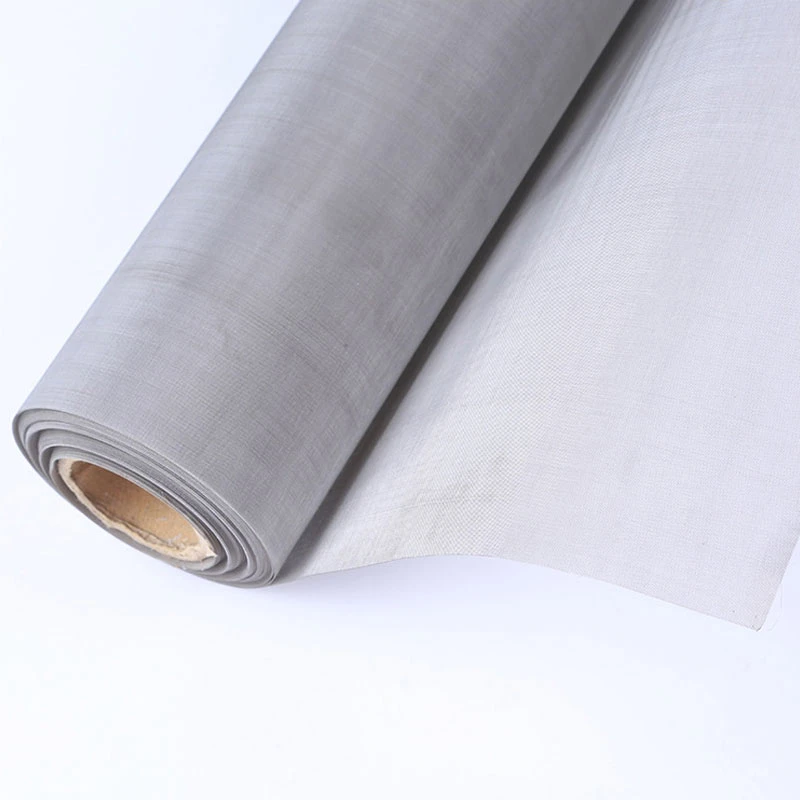
Simply put, a galvanized wire factory is a production facility specializing in turning raw steel wire into galvanized wire—steel wire coated with zinc to prevent rust and corrosion. This is crucial in both industrial and humanitarian contexts.
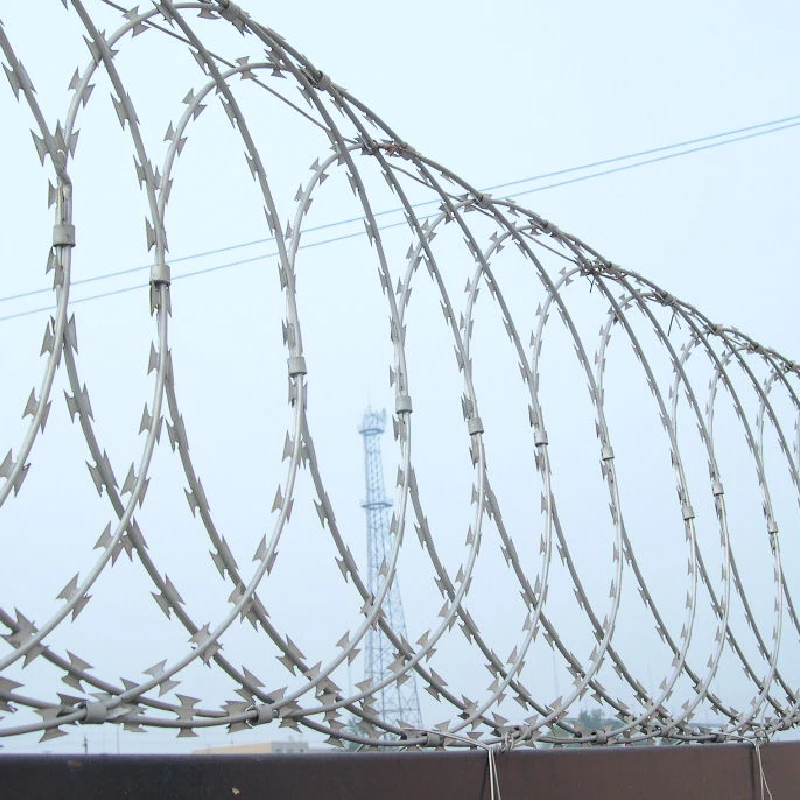
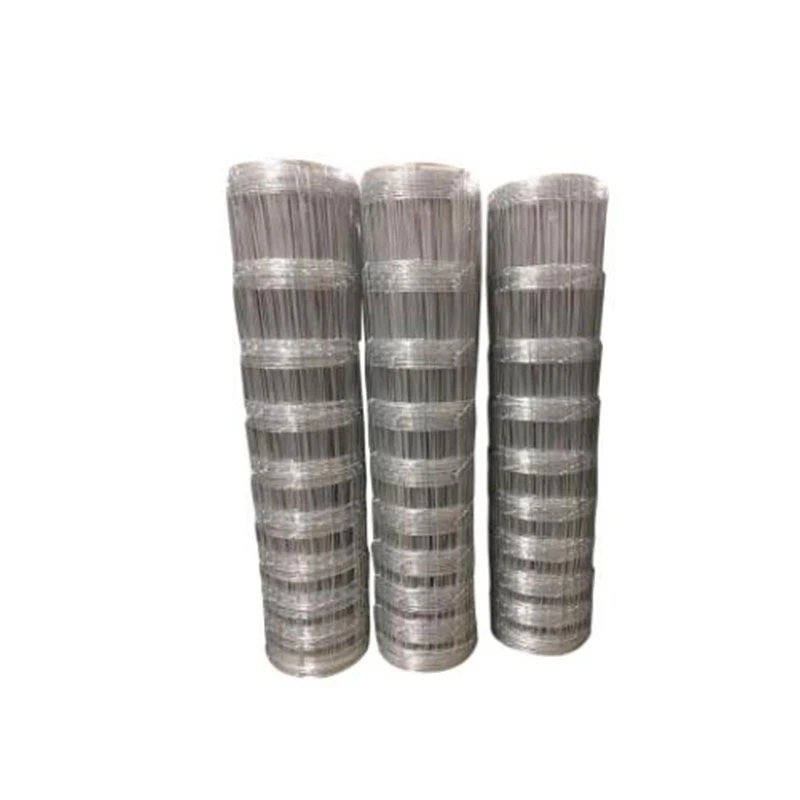
Think of those wire fences protecting crops or the high-tensile wires used in power transmission lines. Galvanized wire factories ensure these wires withstand weather and time. In relief scenarios, such as refugee camps or post-disaster settings, galvanized wire supports temporary structures that need strength and longevity in harsh environments.
Mini takeaway: Galvanized wire factories bridge industrial production with real-world durability.
Key Aspects of Galvanized Wire Production
Durability & Corrosion Resistance
Zinc coating acts as a sacrificial layer, corroding instead of the underlying steel. This dramatically enhances lifespan—often by decades—compared to bare wire, depending on the environment.
Scalability & Production Capacity
To meet rising global demand, modern galvanized wire factories scale up with advanced continuous galvanizing lines capable of producing kilometers of wire daily. This allows supply to major industries like construction, agriculture, and infrastructure.
Cost Efficiency
Mass production and automation lower unit costs, crucial in price-sensitive markets. The trade-off between initial galvanizing cost and lifespan yields favorable economics overall.
Customization & Variety
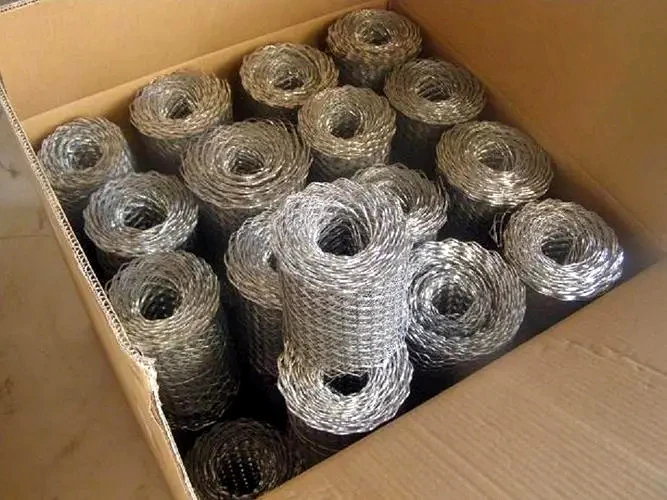
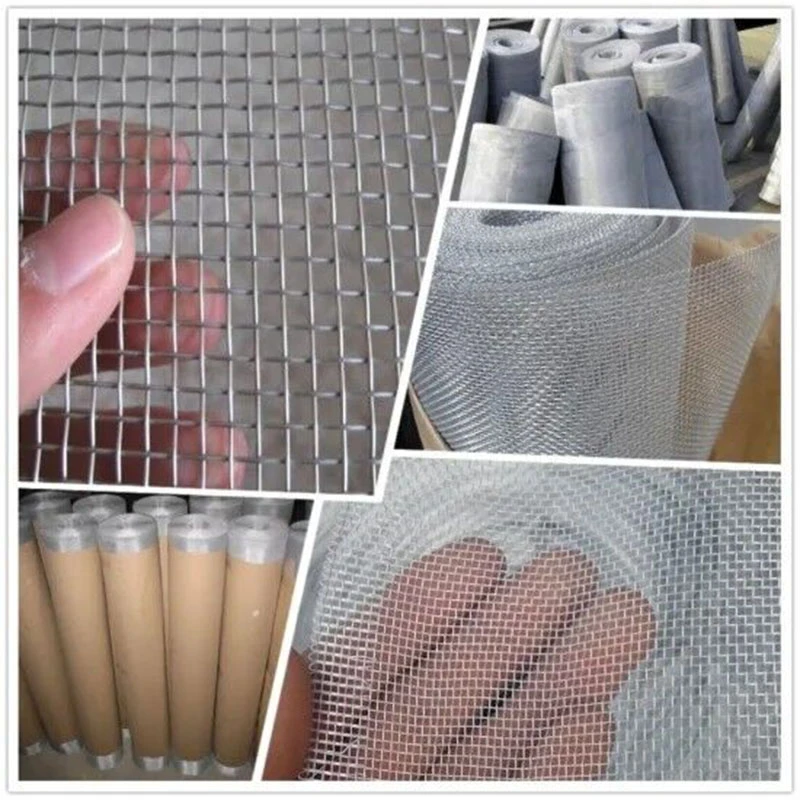
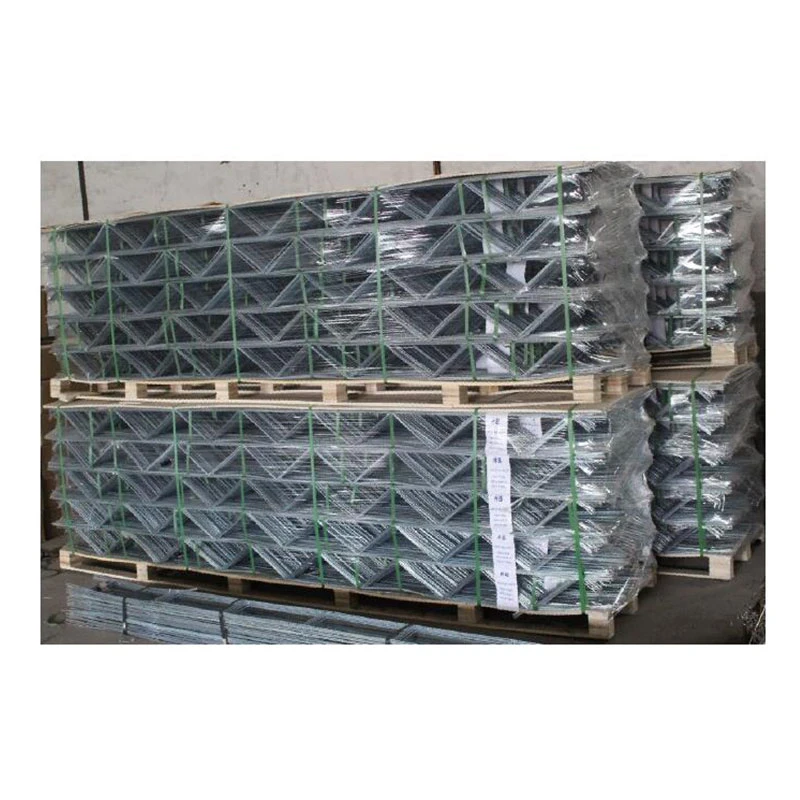
Factories produce galvanized wires in different gauges, tensile strengths, and coating thicknesses, tailored for specific needs—whether thin wire for mesh fencing or heavier gauges for cable armoring.
Environmental Compliance
Modern factories adopt eco-friendly policies to reduce zinc runoff and waste. Recycling wire and zinc contributes to sustainability goals in the industry.
Mini takeaway: Durability, scalability, and eco-awareness define a good galvanized wire factory.
Real-World Applications Across the Globe
Galvanized wire products find applications everywhere. In agricultural regions, they secure livestock enclosures and crop protection nets. In Asia and Africa, galvanized wire supports electrification projects powering rural communities. Disaster zones benefit from rapid-deployment fencing and shelter reinforcement.
For example, post-tsunami rebuilding in Southeast Asia saw galvanized wire mesh used extensively to reinforce concrete structures, speeding recovery while maintaining safety. Likewise, in remote mining operations in South America, galvanized wire controls erosion and stabilizes terrain.
Mini takeaway: The global versatility of galvanized wire highlights its indispensable nature.
Advantages & Long-Term Value
- Cost Savings: Longer durability means fewer replacements and repairs.
- Sustainability: Galvanized wire reduces raw steel waste by extending useful life.
- Safety & Reliability: Infrastructure supported by quality wire gains trust of communities and engineers.
- Emotional Impact: For many communities, reliable fencing and reinforcement bring dignity and peace of mind.
It’s not just about dollars. The trust built in structures that hold firm during storms or earthquakes shapes social and economic outcomes profoundly.
What Does the Future Hold for Galvanized Wire Factories?
Emerging trends reflect innovation and sustainability. For instance, factories adopting digital automation improve precision in coating thickness, reducing waste. Research into greener zinc recovery methods is ongoing, aiming to minimize environmental footprints.
Additionally, some factories experiment with hybrid coatings—combining galvanization with polymer layers—for enhanced performance in aggressive environments. Also, the rise of renewable energy infrastructure (wind turbines, solar panel supports) is injecting fresh demand for specialized galvanized wire products.
Mini takeaway: The galvanized wire factory is evolving alongside green technologies and digitization.
Challenges & How the Industry is Adapting
Raw material price volatility and environmental regulations pose ongoing challenges. Zinc prices can swing dramatically, affecting production costs. Moreover, waste disposal processes come under stricter scrutiny worldwide.
Factories are meeting these by investing in zinc recycling, process optimization, and building strategic supply chain partnerships. Some also diversify product lines, incorporating stainless steel and coated wire options to spread risk.
It’s no small feat, but this resilience sustains supply for critical sectors globally.
Frequently Asked Questions About Galvanized Wire Factory
- What makes galvanized wire better than plain steel wire?
- Galvanized wire is coated with zinc, offering superior resistance to rust and corrosion. This extends its lifespan substantially, reducing maintenance and replacement costs compared to plain steel wire.
- How long can galvanized wire typically last outdoors?
- Depending on environmental conditions and coating thickness, galvanized wire can last from 15 up to 50 years in outdoor settings, making it ideal for fencing, construction, and agricultural uses.
- Are galvanized wire products eco-friendly?
- While galvanizing involves mining zinc, many modern factories recycle zinc and steel waste, and reduce emissions. These efforts improve the overall environmental footprint, especially compared to unprotected steel replacements.
- Can galvanized wire be customized for specific industries?
- Yes, factories offer custom gauges, tensile strengths, and coating thicknesses tailored to demands of agriculture, construction, electrical, and other specialized industries.
- How can international buyers find reliable galvanized wire factories?
- Look for manufacturers with ISO certification, transparent supply chains, and proven export capabilities. Digital catalogs and client references also help verify quality and reliability.
Wrapping it Up: Why Galvanized Wire Factories Matter
Galvanized wire factories produce more than just coated wire—they supply the backbone materials for infrastructure, agriculture, and humanitarian projects worldwide. The balance of durability, cost, and sustainability embedded in their products enables communities and industries to thrive.
For those looking to learn more or source high-quality galvanized wire, I suggest visiting a trusted industry portal like galvanized wire factory. Getting to know your supplier is half the battle—and often, the difference between short-term fixes and lasting solutions.
Product Specification Table
| Specification | Details |
|---|---|
| Wire Diameter | 0.3 mm – 6.0 mm |
| Coating Type | Hot-dip galvanizing, Electro-galvanizing |
| Coating Thickness | 50 – 200 g/m² (zinc weight) |
| Tensile Strength | 235 MPa – 1770 MPa |
| Finish Options | Bright, dull/matte |
| Standards Conformance | ASTM A641, EN 10244-2 |
Vendor Comparison Table
| Feature | Vendor A | Vendor B | Vendor C |
|---|---|---|---|
| Annual Production Capacity | 50,000 tons | 40,000 tons | 55,000 tons |
| ISO Certified | ✔️ | ✔️ | ✔️ |
| Coating Methods | Hot-dip, Electro | Hot-dip only | Electro only |
| Customization Options | High | Medium | Medium |
| Sustainability Initiatives | Advanced Zinc Recycling | Basic Waste Management | Under Development |
References: