Understanding Hot Dip GI Wire Manufacturers: A Global Perspective
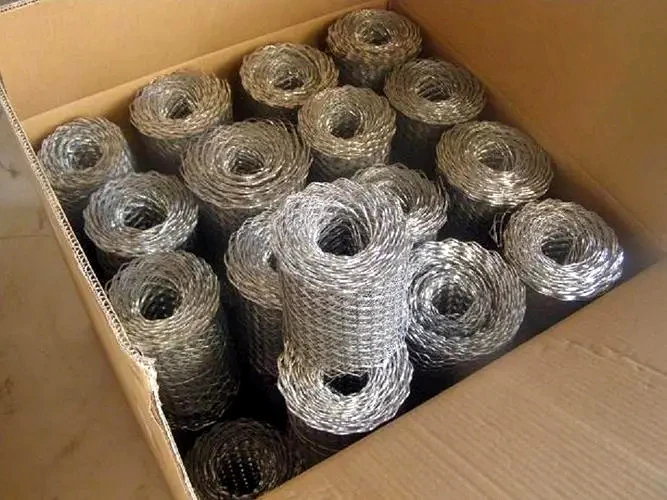
If you haven’t come across “hot dip GI wire manufacturers” yet, you’re certainly touching, in some way, the unsung heroes of industries ranging from construction to agriculture. At its heart, this term refers to companies that produce galvanized iron (GI) wire via hot-dip galvanization — a process that improves wire durability and corrosion resistance by coating iron wire in molten zinc. Around the world, hot dip GI wires are foundational in fencing, mesh, cables, and countless other applications where strength meets weather resilience. But why does this matter globally? Because these manufacturers support infrastructure, safety, and sustainability crucial to everything from urban growth hubs to rural development projects. I’ll walk you through what makes hot dip GI wire manufacturing so pivotal, the advantages today’s buyers are after, and why this sector is more than just metal and machines — it’s a cornerstone of modern progress.Global Industry Context: Where Hot Dip GI Wire Fits In
Hot dip GI wire touches lives and economies quietly but massively. In 2023 alone, global galvanized steel production topped 30 million metric tons, according to the World Steel Association. Why does this matter? Steel wires protected by hot-dip galvanization dramatically extend service life — no small feat in environments with heavy rains, saline air (think coastal zones), or industrial pollution. But there’s a catch: as infrastructure needs climb and sustainability mandates tighten worldwide (ISO 14001 standards influence production, for example), manufacturers face rising pressure to balance quality with environmental and cost efficiencies. Plus, supply chain disruptions, and raw material price swings add complexity. This is where specialized hot dip GI wire manufacturers have to innovate — or risk falling behind.Defining Hot Dip GI Wire Manufacturers
So... what exactly is a “hot dip GI wire manufacturer”? In simple terms, these are companies specializing in producing galvanized iron wire by passing steel wire rods through a molten zinc bath (around 450°C). That zinc coating bonds metallurgically to the wire's surface, forming a protective layer that shields against rust and corrosion much better than regular steel wire. This is critical beyond industrial uses: think humanitarian aid deploying temporary fencing quickly in post-disaster zones or agricultural communities protecting crops with longer-lasting trellises. Hot dip GI wire manufacturers play a role in everything from mega-infrastructure projects to small community uses.Core Components of Hot Dip GI Wire Production
Let’s break down the main factors that define the quality and use of wires coming from these manufacturers:
1. Durability & Corrosion Resistance
Hot dip galvanizing is prized because it creates a zinc-iron alloy layer that lasts decades, even under tough conditions. The thickness of this coating matters: usually between 40-100 microns (µm), it’s a kind of armor for the wire.
2. Scalability & Customization
Top manufacturers offer a variety of wire gauges, tensile strengths, and surface finishes. Whether you need ultra-thin wire for mesh or heavy-gauge for cable reinforcement, flexibility is key.
3. Cost Efficiency
Compared with other corrosion methods, hot dip galvanizing is economically sensible. The initial investment saves money over the wire’s lifecycle, reducing replacement and maintenance.
4. Environmental Impact
Leading manufacturers strive to reduce emissions and waste during production. Some adopt closed-loop systems to recycle zinc and reduce energy consumption — vital in meeting global sustainability goals.
5. Compliance & Quality Assurance
ISO certifications and consistent testing (like salt spray resistance, tensile tests) keep manufacturers accountable for product integrity.
Global Applications & Real-World Use Cases
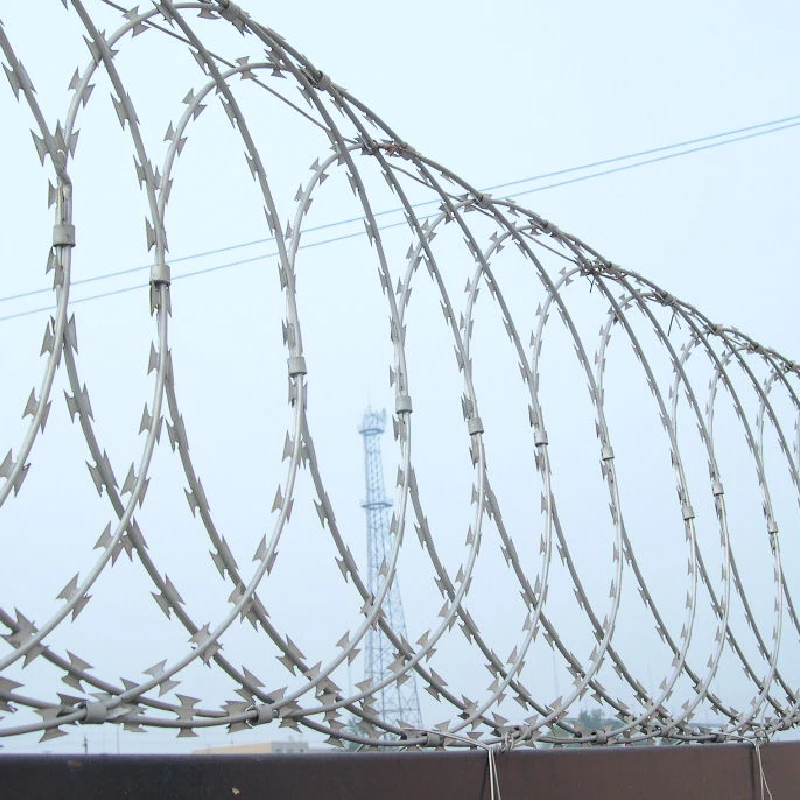
The reach of hot dip GI wire is impressive:- Infrastructure & Construction: Reinforcing concrete, building fencing, power line supports.
- Agriculture: Crop support wires and fences that sustain extreme weather.
- Transportation: Guardrails and cable barriers that save lives.
- Humanitarian Aid: Rapid deployment of protective barriers during emergency relief in places like Southeast Asia or Sub-Saharan Africa.
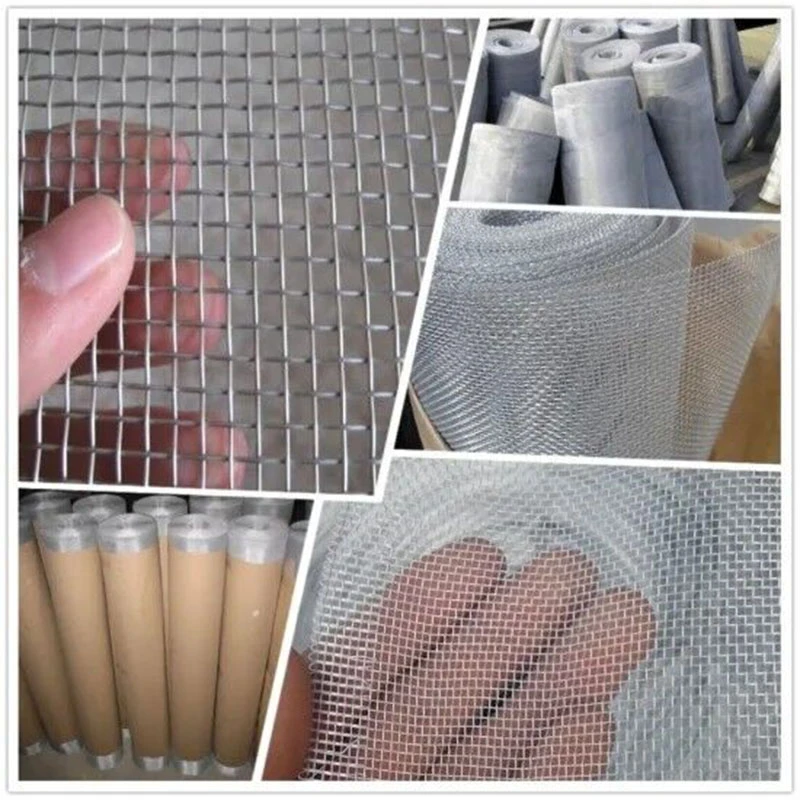
- Industrial Manufacturing: Wire meshes for filtration, screening, or safety cages.
Advantages & Long-Term Value of Quality Hot Dip GI Wire
Beyond obvious rust resistance, investing in premium hot dip GI wire means lowering long-term maintenance costs and boosting reliability. That reliability translates into safety — fewer failures in fencing or anchoring means fewer accidents or breaches. On a social level, it fosters trust among end users: clients and communities know they can rely on the infrastructure. Then there’s sustainability. Because hot dip galvanizing is recyclable and can extend asset lifespans, it supports greener projects. It feels odd sometimes, but standing behind a coil of zinc-coated wire can literally mean protecting ecosystems and livelihoods simultaneously.Future Trends and Innovations Shaping the Industry
The future of hot dip GI wire manufacturing is heading towards:- Digital Automation: AI-driven quality checks to detect coating irregularities instantly.
- Green Energy Integration: Using solar or wind power to reduce carbon footprint during galvanizing.
- Advanced Alloy Coatings: Experimenting beyond zinc with more corrosion-resistant materials.
- Customization on Demand: 3D-printed wire mesh prototypes speeding delivery times.
Facing Challenges & Exploring Solutions
Admittedly, hot dip GI wire manufacturing isn’t without hurdles. Fluctuating zinc prices can spike costs unpredictably. Environmental regulations in heavy manufacturing zones put pressure on producers to upgrade technology rather than cut corners. And in some regions, inconsistent quality control means buyers have to be extra vigilant. The good news? Industry leaders collaborate internationally and adopt ISO guidelines to push for transparency and consistency. Innovations in coating technologies and digital monitoring also reduce waste and energy use, making the sector more sustainable and reliable.FAQ: Your Practical Questions Answered
- What makes hot dip galvanizing better than other wire-coating methods?
- Hot dip galvanizing provides a metallurgically bonded zinc layer protecting the wire far longer than paint or electroplated coatings. It withstands harsh weather and mechanical abrasion, making it ideal for diverse environments.
- How long does hot dip GI wire typically last outdoors?
- Depending on coating thickness and environment, properly galvanized wire can last 20–50 years. Coastal or industrial zones reduce longevity somewhat, but zinc's sacrificial protection still keeps wire functioning much longer than bare steel.
- Can I order customized wire gauges or coatings from manufacturers?
- Yes, most reputable hot dip GI wire manufacturers offer bespoke solutions tailored to specific diameter, tensile strength, or coating thickness. This flexibility is essential for meeting project demands.
- Are there environmental concerns related to hot dip galvanizing?
- While galvanizing does involve molten zinc and energy usage, modern plants adopt closed-loop processes to recycle zinc and minimize emissions, aligning with ISO 14001 standards for environmental management.
- How do I verify if a hot dip GI wire manufacturer meets quality standards?
- Look for ISO certifications (9001 for quality, 14001 for environment) and ensure they conduct third-party tests like salt spray or tensile strength to validate product durability.
Conclusion: Why Hot Dip GI Wire Manufacturers Matter For Tomorrow
To wrap things up, hot dip GI wire manufacturers form the backbone of resilient, sustainable infrastructure across the globe. Their products are more than just metal strands; they’re protectors of safety, productivity, and environmental stewardship — the kind of foundation that underpins growth, disaster resilience, and cleaner industry. If you’re looking for trusted suppliers who balance quality, customization, and eco-conscious production, I highly recommend checking out this reliable source: hot dip gi wire manufacturers. Because at the end of the day, strong wire means stronger communities.Product Specification Table
| Specification | Typical Range | Notes |
|---|---|---|
| Wire Diameter | 0.3 mm – 6 mm | Varies by application |
| Zinc coating thickness | 40 – 100 µm | Heavier for marine grades |
| Tensile Strength | 350 – 700 MPa | Depends on wire grade |
| Packaging | Coils & Spools | Custom sizes available |
| Surface Finish | Matte or Glossy | Client preference |
Vendor Comparison Table
| Feature | Vendor A | Vendor B | Vendor C |
|---|---|---|---|
| ISO 9001 Certified | Yes | Yes | No |
| Custom Coating Thickness | 40-100 µm | 50-90 µm | Fixed (60 µm) |
| Delivery Time | 2-3 weeks | 3-4 weeks | 4-5 weeks |
| Sustainability Initiatives | Closed-loop zinc recycling | Energy-efficient plants | None stated |
| Average Price (per ton) | $1200 | $1100 | $1000 |