Getting to Grips with GI Wire 10 Gauge Price: Why It Still Matters Worldwide
In the world of construction, agriculture, and fencing, understanding gi wire 10 gauge price isn’t just about knowing a number; it’s about grasping the pulse of an industry that touches millions. Galvanized iron wire—particularly the 10 gauge size—is a backbone material with a global footprint. Its cost directly impacts infrastructure budgets, farming economies, and even humanitarian projects worldwide.
Why should you care about the price fluctuations or the specifics of this wire? Because it reflects raw material trends, supply chain shifts, and the practical realities of maintaining durability versus affordability. In fact, the galvanized wire market saw steady growth over the past decade, driven by escalating demand in developing nations and industrial zones.
Mini takeaway: Knowing about gi wire 10 gauge price is not just for buyers; it’s crucial for anyone involved in industries relying on strong, corrosion-resistant wire.
Global Context: The Real Story Behind GI Wire Pricing
Across continents, the galvanized iron (GI) wire market is shaped by factors as varied as steel production rates, zinc availability, and international trade policies. According to the International Organization for Standardization (ISO), galvanized wire must meet rigorous quality standards, which can affect pricing.
UN trade data from recent years highlights that countries like India, China, and Vietnam export billions of feet of coated wire annually, feeding global supply chains. But here’s the catch: turbulent raw material costs coupled with logistics challenges means gi wire 10 gauge price often fluctuates — making budgeting tricky for contractors and large-scale projects alike.
This unpredictability leads to challenges like project delays and increased costs, especially in disaster-prone or remote areas where access to quality wire is essential but scarce.
What Is GI Wire 10 Gauge Price, Really?
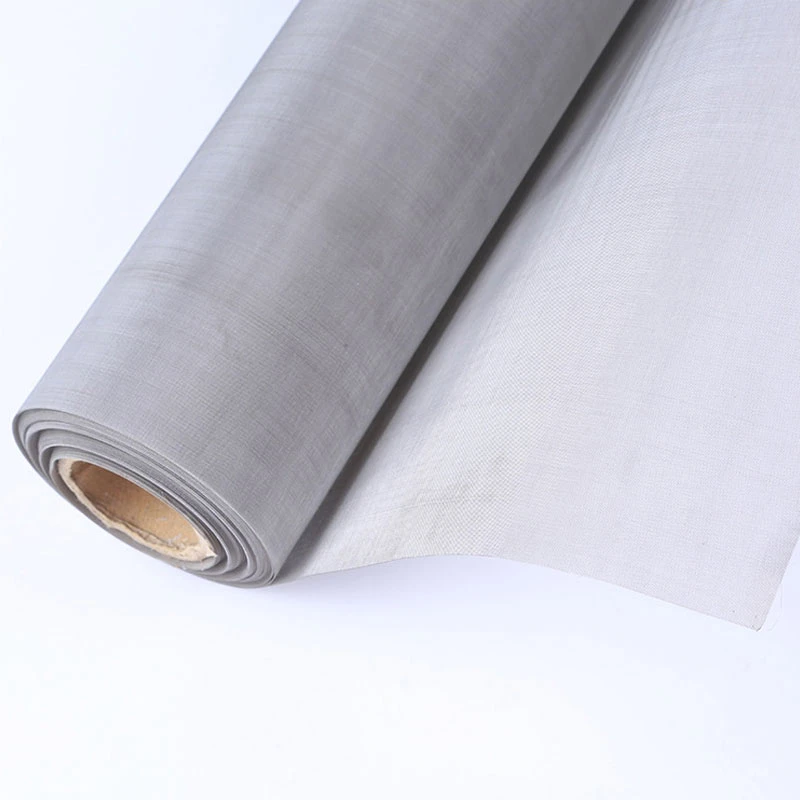
Let’s break it down: “GI wire” refers to galvanized iron wire, a steel wire coated with zinc to prevent rust. The “10 gauge” defines the wire’s thickness—about 3.25 mm—which balances strength with flexibility. When you talk about the gi wire 10 gauge price, you’re discussing the market cost per weight or length of this specific wire type.
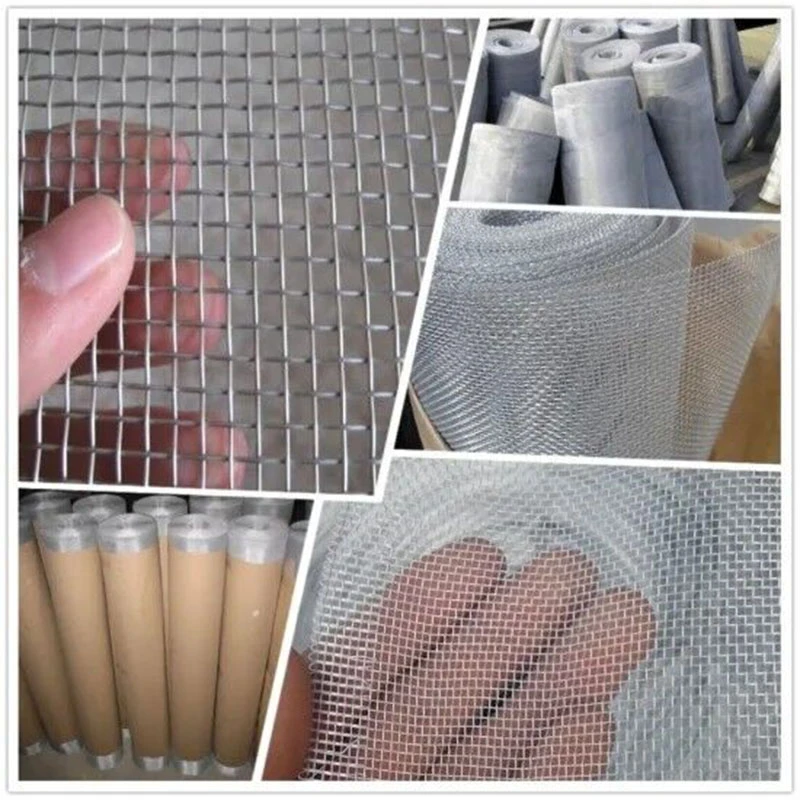
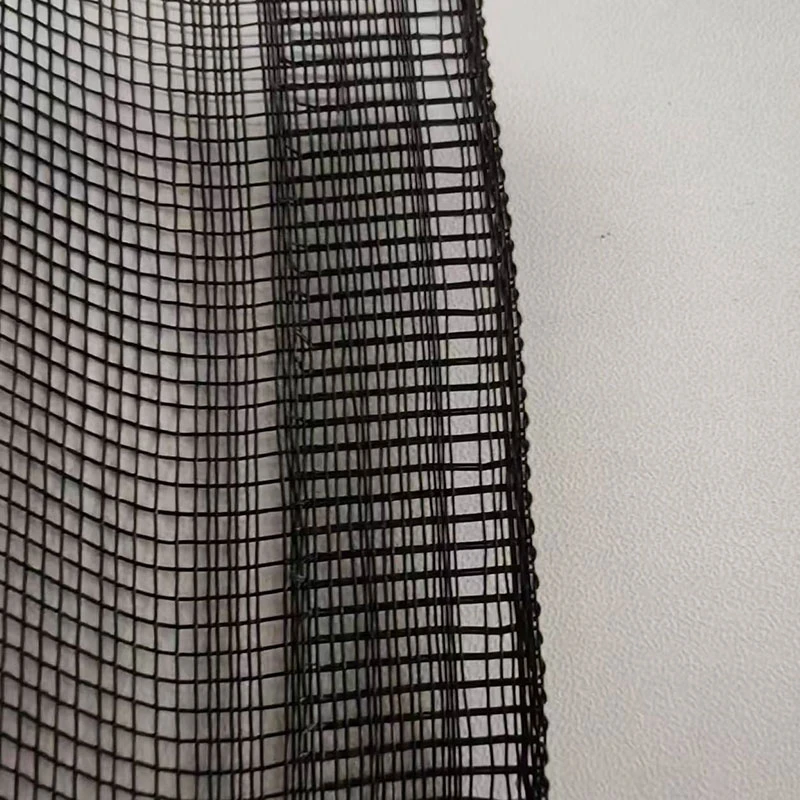
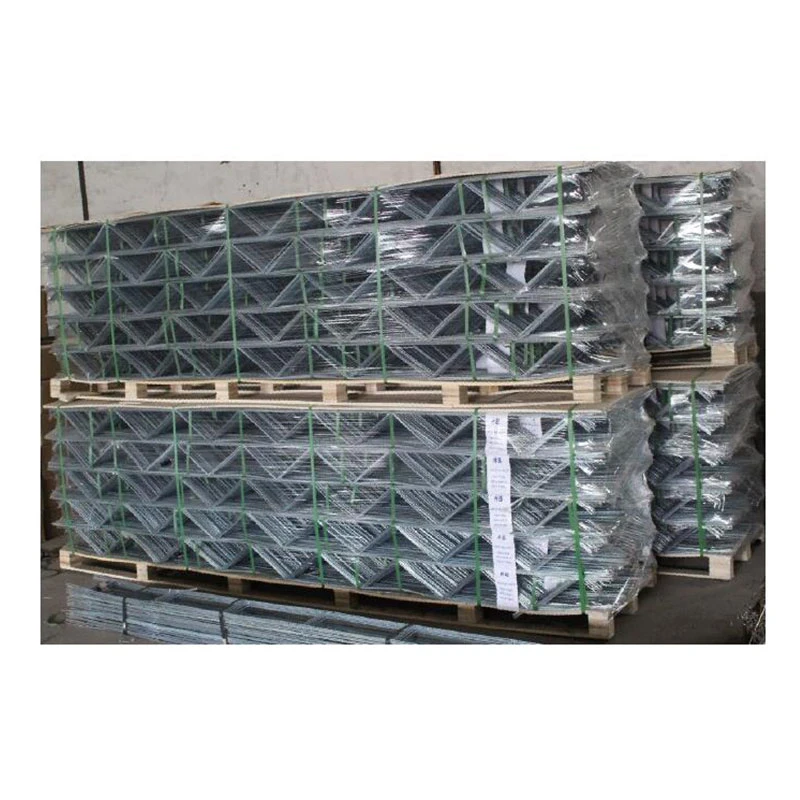
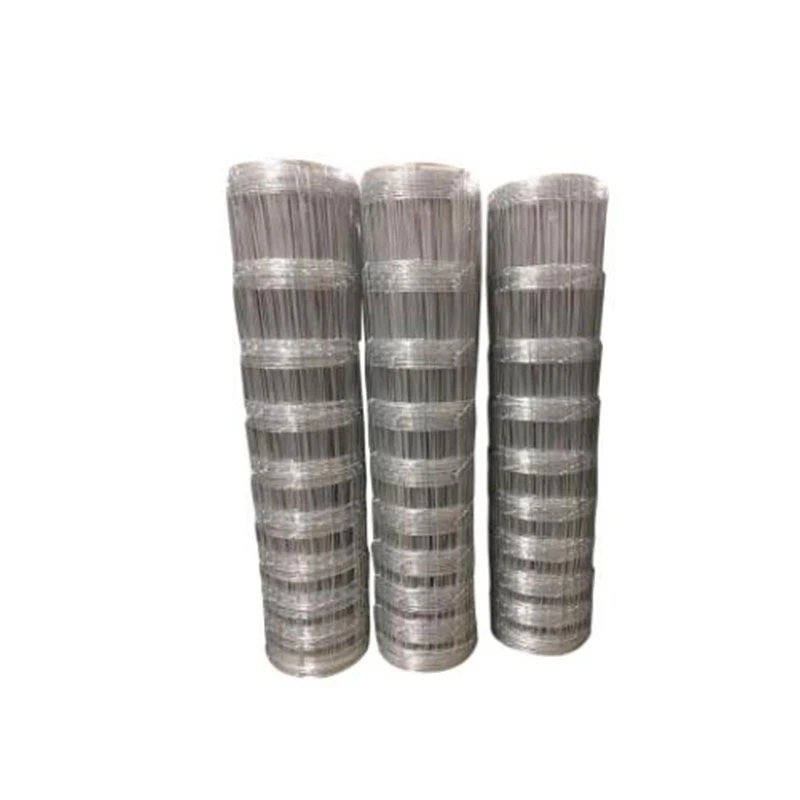
This wire is widely used in fencing, mesh manufacturing, and binding—essentially whenever robust, weatherproof wire is needed. Imagine the mesh around industrial plants, or the fencing securing livestock farms; the price for 10 gauge GI wire greatly influences these sectors.
Interestingly, the hot-dip galvanizing process, which submerges steel wire into molten zinc baths, adds value but also cost. Understanding price trends here can tell you a lot about wider industrial health.
Key Aspects Influencing GI Wire Usage and Pricing
Durability and Corrosion Resistance
The zinc layer is the real hero here, guarding the iron core. The thicker and more uniform the coating, the longer the wire lasts—especially outdoors or in humid climates. This durability often justifies a higher price point.
Supply Chain and Raw Materials
Steel and zinc prices, energy costs for galvanizing, and transport bills all feed into pricing. A hiccup anywhere can cause a noticeable swing in gi wire 10 gauge price.
Scalability and Volume Needs
Bulk orders typically reduce costs per unit. Construction firms or large farms buying thousands of meters get better deals compared to small buyers.
Quality Standards and Certifications
Compliance with ISO or ASTM standards assures consistent quality but can add a premium. Many engineers say it’s worth it to avoid failures down the line.
Customization and Coating Methods
Sometimes clients request specific zinc thicknesses or wire tensile strengths, which tweak pricing. Hot-dip galvanizing is common, but electro-galvanizing may offer a cheaper alternative with slightly less durability.
Labor and Production Locations
Wages, factory overheads, and country-specific tariffs impact final prices dramatically. Vietnamese suppliers might offer different price points than Indian or Chinese producers.
Mini takeaway: Understanding these factors helps anticipate market shifts or choose the right supplier without compromising quality.
How and Where GI Wire 10 Gauge Is Making a Difference
In many rural parts of Africa and Asia, GI wire marries affordability with functionality, enabling fencing solutions that protect crops, reduce soil erosion, and support sustainable agriculture. For example, NGOs often incorporate 10 gauge wire in shelter-building kits for disaster zones, providing a long-lasting, rust-resistant backbone for quick assembly shelters.
Industrial sectors in Eastern Europe and South America rely on this wire for manufacturing protective mesh covers, conveyor belts, and screening devices. Even urban households use it in garden fencing or DIY projects.
| Specification | Details |
|---|---|
| Wire Gauge | 10 (approx. 3.25 mm diameter) |
| Material | Galvanized Iron (Steel Core + Zinc Coating) |
| Zinc Coating | 50-75 g/m² (varies by supplier) |
| Tensile Strength | 320-550 MPa (depending on wire grade) |
| Common Lengths Sold | 500 m, 1000 m spools or coils |
| Typical Price Range | USD 0.50 - 1.20 per meter (fluctuates) |
Comparing Top GI Wire Vendors: Who Brings What?
| Vendor | Price Range (USD/m) | Zinc Coating (g/m²) | Lead Time | Country |
|---|---|---|---|---|
| YJD Wire Mesh | 0.55 - 0.95 | 60 - 70 | 1-2 weeks | China |
| ACME Steel Co. | 0.65 - 1.10 | 50 - 65 | 2-3 weeks | India |
| Global Wire Ltd. | 0.60 - 1.00 | 55 - 75 | 2 weeks | Vietnam |
Benefits: Why Investing in Quality GI Wire Pays Off
- Cost Efficiency: Lower maintenance and replacement costs thanks to corrosion resistance.
- Longevity: Solid zinc coating ensures years of use in harsh outdoor environments.
- Safety & Stability: Reliable fencing reduces trespassing and protects livestock or assets.
- Environmental Impact: Galvanizing extends wire life, reducing waste and resource consumption.
- Trusted Performance: Compliant products meet industrial standards for peace of mind.
It’s a balance of thoughtful design and economics — and frankly, sometimes you get what you pay for.
Looking Ahead: Innovations in GI Wire and What’s on the Horizon
With sustainability becoming non-negotiable, there’s a push for greener galvanizing methods using less zinc or recycling zinc efficiently. Digital tracking of material batches helps maintain quality standards, preventing premature failures.
Some manufacturers are experimenting with nano-coatings and hybrid composites for wires that are lighter but stronger. AI-driven logistics also streamline supply chains, hopefully smoothing out those pesky price swings that plague the gi wire 10 gauge price market.
In a world increasingly focused on smart infrastructure, enhanced wire durability helps keep projects greener and budgets predictable.
Challenges That Keep Suppliers and Buyers Awake at Night
Raw material volatility, particularly zinc price swings, is a headache. Also, inconsistent local regulations worldwide can cause confusion or missed inspections. Not to mention logistical disruptions—from port delays to transport strikes—that periodically jack up prices or cause shortages.
Solutions? Many vendors offer fixed-price contracts or bulk discounts, while better forecasting tools help buyers lock in supplies ahead of time. Industry forums and organizations promote best practices that keep quality high and supply steady.
FAQ: Your Top Questions About GI Wire 10 Gauge Price
Q1: What factors most influence the price of 10 gauge GI wire?
A1: Primarily, raw steel and zinc prices, production costs, quality standards, and global supply chain conditions. Energy prices for galvanizing also matter, as do tariffs and shipping.
Q2: Is 10 gauge GI wire better suited for fencing in tropical climates?
A2: Yes, the zinc coating resists corrosion effectively in humid environments, making 10 gauge wire durable and reliable for fencing in tropical or coastal areas.
Q3: Can bulk purchasing lower the gi wire 10 gauge price significantly?
A3: Absolutely. Suppliers often provide discounts on large-volume orders, so buying in bulk tends to reduce the per-meter price.
Q4: How can I verify the quality of galvanized wire from overseas vendors?
A4: Request certifications like ISO 9001, ASTM or equivalent, check zinc coating weight reports, and if possible, sample test the wire locally before large purchases.
Q5: Where can I find competitive pricing and reliable supply of 10 gauge GI wire?
A5: Trusted manufacturers like YJD Wire Mesh offer competitive prices, quality products, and have established export channels.
Wrapping It Up: Why Monitoring GI Wire 10 Gauge Price Matters Long-Term
The saga of galvanized iron wire at 10 gauge is more than metal and zinc; it’s the story of global industry balancing cost, quality, and sustainability. Whether you’re a contractor budgeting your next fencing project, a manufacturer sourcing raw materials, or a humanitarian agency delivering disaster relief shelters, understanding the nuances of gi wire 10 gauge price empowers smarter choices.
Want to dive deeper or find your perfect wire supplier? Visit https://www.yjdwiremesh.com for up-to-date prices, product specs, and expert advice.
Thanks for sticking with me — it’s a bit of a wire mesh world out there, but knowing the ropes (or wires) makes life easier.
1. International Organization for Standardization (ISO): iso.org
2. UN Trade Data: unctad.org
3. World Bank Industry Statistics: data.worldbank.org