Understanding GI Wire 12 Gauge Price: What It Means and Why It Matters
If you’ve ever ventured into construction, fencing, or industrial manufacturing, you’ve probably come across "GI wire 12 gauge price" — a phrase that buzzes quietly in these circles but carries considerable weight. Galvanized Iron (GI) wire, especially the 12 gauge variety, is no mere commodity: it’s a backbone of countless projects worldwide. From reinforcing critical infrastructure to simple agricultural fencing, knowing its pricing isn’t just about budget — it’s about predicting supply chain movements, sustainability, and sometimes, even social stability. Globally, this wire finds itself at the intersection of industry demands and humanitarian needs, making awareness about its price fluctuations and quality variations crucial for decision-makers and engineers alike.
Mini takeaway: Understanding gi wire 12 gauge price isn’t just shopping for metal; it’s insight into global infrastructure resilience and cost management.
The Global Pulse Behind GI Wire 12 Gauge Pricing
Worldwide, the demand for galvanized iron wire grows steadily — thanks in part to rapid urbanization and infrastructure expansion, particularly in developing economies. According to the United Nations' World Urbanization Prospects, around 56% of the global population now lives in urban areas, a figure expected to rise. This urban surge means more housing, utilities, and fencing materials, powering demand for GI wire.
But the price of a 12 gauge GI wire is more volatile than you might expect. Factors like raw material (steel) costs, galvanization process standards (ISO often dictates quality marks), tariff changes, and even shipping costs all play a role. For example, escalating steel prices in 2023 affected industrial supply chains worldwide, directly nudging the gi wire 12 gauge price upwards. This price uncertainty challenges contractors and NGOs working in disaster-hit or low-margin zones who rely on consistent, affordable quality supplies.
Mini takeaway: GI wire pricing mirrors broader economic shifts, raw material markets, and infrastructure growth patterns globally.
What Exactly is GI Wire 12 Gauge Price?
Let’s break it down: GI stands for "Galvanized Iron," which is essentially iron or steel coated with zinc to resist rusting. The "12 gauge" part refers to the thickness of the wire — roughly 2.6 mm in diameter, robust enough for fencing, construction rebar anchoring, or even creative industrial applications.
This price isn’t just a single number; it represents the market value per unit weight or length of this wire, factoring in steel quality, zinc coating thickness, manufacturing processes, and regional market dynamics. Knowing the gi wire 12 gauge price helps buyers balance cost-efficiency and durability for large-scale or tactical projects across agriculture, construction, or humanitarian relief.
Mini takeaway: GI wire 12 gauge price is a dynamic snapshot of zinc-coated wire’s cost, critical for durable infrastructure needs.
Core Components Influencing GI Wire 12 Gauge Pricing
1. Material Quality and Coating Thickness
The thickness of the galvanization layer (usually measured in g/m²) drastically affects corrosion resistance and longevity. Thicker coatings tend to cost more but last longer, offering better value. Many engineers swear by 55 g/m² zinc-coated wires as the “sweet spot.”
2. Manufacturing Processes
Welding, annealing, and cold rolling can adjust the wire’s tensile strength and flexibility. Facilities with advanced ISO-certified procedures typically charge a premium, which explains price differences between vendors.
3. Supply Chain and Raw Material Costs
Steel prices fluctuate globally due to geopolitical factors, tariffs, and mining yields. This volatility directly impacts GI wire prices, making predictive budgeting tricky.
4. Regional Demand and Logistical Challenges
Remote or conflict-affected areas might pay more due to shipping and security issues, despite the wire being largely commoditized elsewhere.
5. Brand and Vendor Reputation
Well-known manufacturers with solid quality certifications tend to price higher, but customers often trust their products more — especially for critical infrastructure.
Mini takeaway: Price depends on an intricate mix of material specs, production quality, and market logistics — no wonder it feels like a moving target.
Practical Applications: Where and How GI Wire 12 Gauge Shines
In real-world terms, this wire serves in many roles:
- Infrastructure reinforcement: Acting as binding wire for concrete reinforcement bars in roads, bridges, and buildings.
- Agricultural fencing: Keeping livestock contained or protecting crops — simple but essential protections that feed economies.
- Disaster relief: NGOs often use GI wire fencing and barriers in refugee camps or temporary housing projects to maintain safety and order.
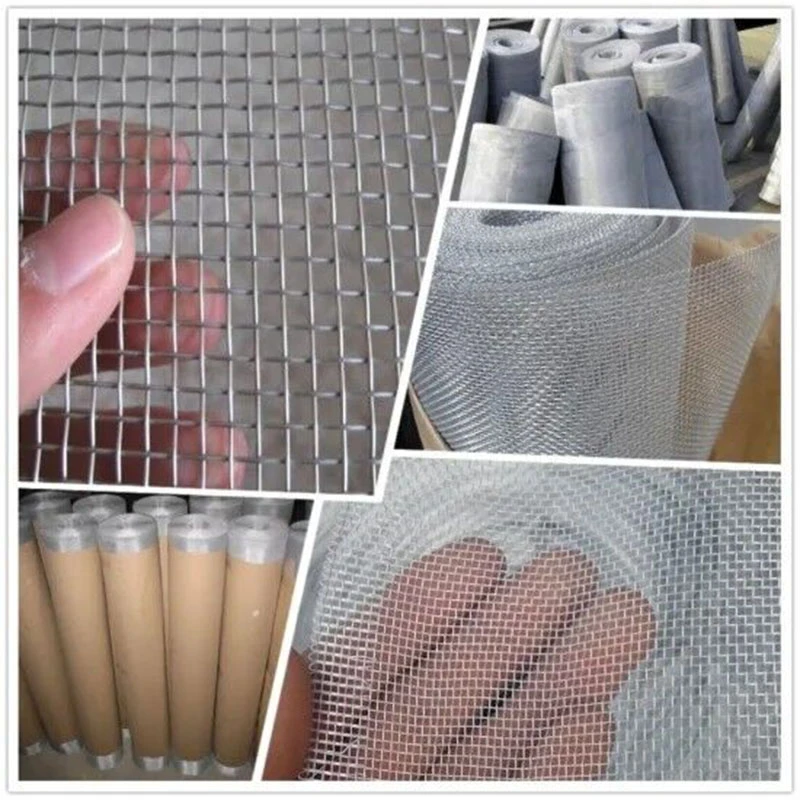
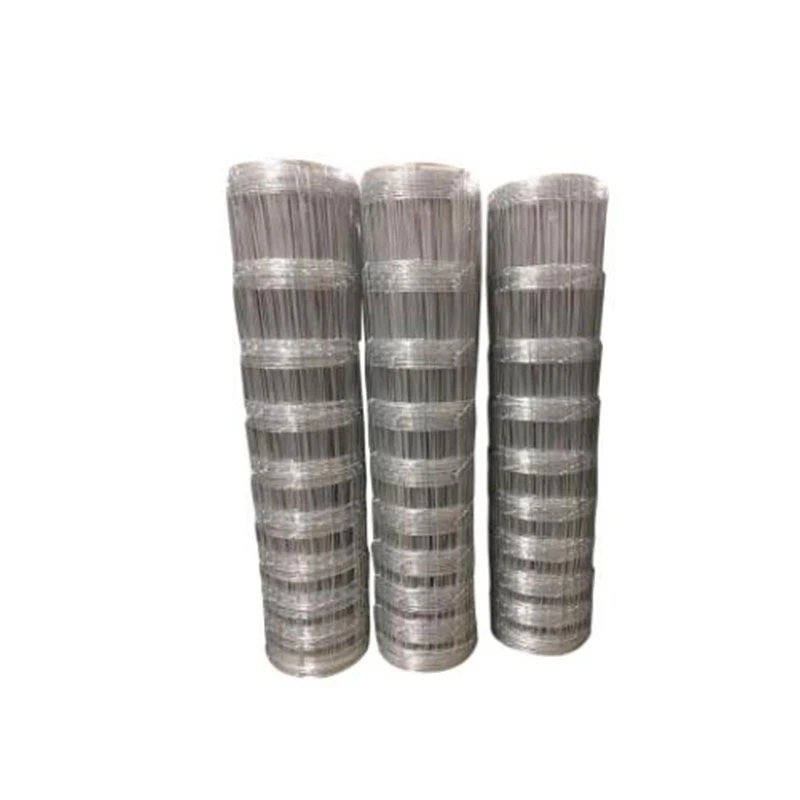
- Industrial sectors: Used for making wire mesh, safety cages, and machinery guards.
For instance, in Sub-Saharan Africa, fluctuating gi wire 12 gauge price levels dictate how quickly fencing projects can proceed, impacting rural development. Meanwhile, Southeast Asian manufacturers rely on stable prices to meet export demands.
Mini takeaway: GI wire’s versatility underlines the importance of accurate pricing data for timely project execution across many sectors.
Why Does Knowing GI Wire 12 Gauge Price Bring Long-Term Value?
Tangibly, it helps business leaders and project planners ensure material availability within a budget, reducing downtime and unexpected price shocks. It also plays into sustainability: choosing quality wires that last longer means fewer replacements, hence less environmental waste — something increasingly valued by companies and governments alike.
On an emotional note, reliable pricing builds trust among stakeholders. It’s reassuring when the raw materials for building a shelter or fence won’t suddenly become exorbitant — it means safety and dignity can be upheld for millions.
Mini takeaway: A fair gi wire 12 gauge price supports economic prudence, environmental responsibility, and social stability.
Emerging Trends: What’s Next for GI Wire Pricing?
- Green manufacturing: Zinc recycling and cleaner galvanizing processes are gaining traction, promising stable prices paired with a smaller carbon footprint.
- Digital supply chain tracking: Blockchain and IoT can reduce fraud and track quality, potentially stabilizing price swings.
- Automation: Fully automated wire drawing and galvanizing lines increase production efficiency, likely pushing prices down in the medium term.
- Shift in raw materials: Research into alternative coatings like aluminum-zinc alloys may also influence pricing and performance.
Mini takeaway: The future looks tech-driven and greener — which should benefit everyone monitoring the gi wire 12 gauge price.
Common Challenges and How Experts Address Them
The biggest headaches are supply chain disruptions, inconsistent coating quality, and price volatility. Industry experts recommend:
- Long-term supplier contracts to hedge price swings.
- Regular quality audits using ISO 1461 standards to ensure coating durability.
- Localized production where feasible — cutting shipping costs.
- Investing in smarter inventory management systems.
While no solution eradicates all risks, improving transparency along the supply chain seems a universal step forward.
FAQ: Your Top Questions About GI Wire 12 Gauge Price
Q1: What factors most affect the price of 12 gauge GI wire?
A: Primarily, steel market prices, zinc coating thickness, manufacturing quality, and logistics costs. Regional demand also plays a significant role.
Q2: How can buyers ensure they get good value for GI wire purchases?
A: Look for suppliers with ISO certifications, request samples to test coating quality, and negotiate for volume discounts or long-term contracts.
Q3: Is 12 gauge GI wire suitable for outdoor fencing in humid climates?
A: Yes, if the galvanization layer is sufficiently thick (typically 45-60 g/m²), it protects against rust despite humidity, prolonging wire life.
Q4: How do fluctuations in GI wire price affect construction project timelines?
A: Sudden price increases can delay procurement or force budget reallocations, potentially slowing progress — which is why price forecasting is crucial.
Q5: Can NGOs access affordable GI wire for rapid deployment projects?
A: NGOs often benefit from bulk buying agreements or collaborations with suppliers who understand humanitarian needs, helping manage costs effectively.
Product Specification Table for GI Wire 12 Gauge
| Specification | Details |
|---|---|
| Diameter | Approx. 2.6 mm (12 Gauge) |
| Zinc Coating Thickness | 45-60 g/m² (Varies by supplier) |
| Material | Galvanized Iron (Steel core + Zinc coating) |
| Tensile Strength | 380-580 MPa (Typical range) |
| Standard Lengths | 50 kg coils, 100 m spools (varies) |
| Common Uses | Binding wire, fencing, mesh making |
Vendor Comparison Table: Leading GI Wire 12 Gauge Suppliers
| Vendor | Price Range (per kg) | Quality Certification | Lead Time | Notes |
|---|---|---|---|---|
| Alpha Steel Co. | $1.20 - $1.50 | ISO 9001, ISO 1461 | 2-3 weeks | Strong local support |
| Beta Metals Ltd. | $1.10 - $1.40 | ISO 9001 | 3-4 weeks | Competitive for bulk orders |
| Gamma Wire Solutions | $1.30 - $1.60 | ISO 1461, SGS Certified | 1-2 weeks | Premium quality, higher price |
Wrapping Up and Next Steps
At the end of the day, keeping tabs on the gi wire 12 gauge price is more than a buying decision — it’s about anticipating market trends, ensuring material reliability, and supporting long-term project viability. Whether you’re an engineer sourcing wire mesh or a humanitarian logistician planning fencing for displaced communities, knowing the pricing landscape means fewer surprises and smarter decisions.
Curious to dig deeper or get precise pricing details? Visit our website for the latest updates and expert insights: https://www.yjdwiremesh.com. It’s worth bookmarking — the wire world spins fast!
Final thought: In industrial and humanitarian projects alike, the humble GI wire quietly weaves threads of safety and durability worldwide — and knowing its price is the first step to building better.