Understanding GI Wire Cost: Why It Matters in Today's Global Market
If you've ever wondered why the price of galvanised iron (GI) wire matters beyond just the fence in your backyard, you’re not alone. GI wire cost is more than a simple figure – it’s a vital economic indicator influencing construction, agriculture, manufacturing, and even humanitarian efforts worldwide. With supply chains fluctuating and raw materials facing increasing demand, knowing the factors behind GI wire pricing is key for industries and buyers alike.
In a nutshell? GI wire provides an affordable, durable, and versatile metal product used in countless daily applications. Understanding what drives its cost helps manufacturers control budgets, and buyers gauge investment timing or alternative solutions.
Mini takeaway: GI wire cost isn't just a price tag; it’s a measure that ripples across global industry and daily life.
The Global Landscape of GI Wire Pricing
Globally, the galvanised iron wire market is projected to expand significantly because of its essential role in infrastructure and industrial output. For instance, the World Bank notes that developing nations spend billions upgrading agricultural fencing and public utilities. According to ISO standards on metal coatings, galvanized products ensure longer life spans, which means upfront costs often translate to long-term savings.
However, price volatility poses real challenges — from the rising costs of zinc and iron ore to logistics disruptions caused by geopolitical events or pandemics. A spike in gi wire cost affects everything from rural fence boundaries to large-scale construction projects, forcing stakeholders to seek affordable alternatives or delay plans.
Mini takeaway: GI wire pricing is entwined with global commodities and policies, influencing both local markets and international trade.
What Is GI Wire Cost, Really?
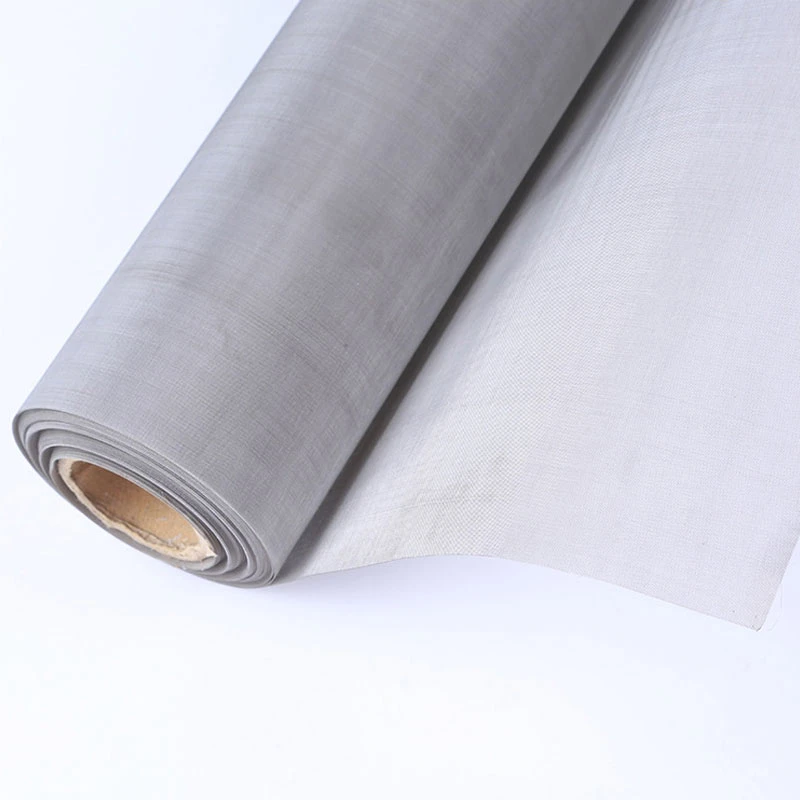
Simply put, GI wire cost refers to the price paid for galvanised iron wire measured by weight (usually per kilogram or ton). This wire consists of iron core wire coated with zinc, which protects against rust and extends usability.
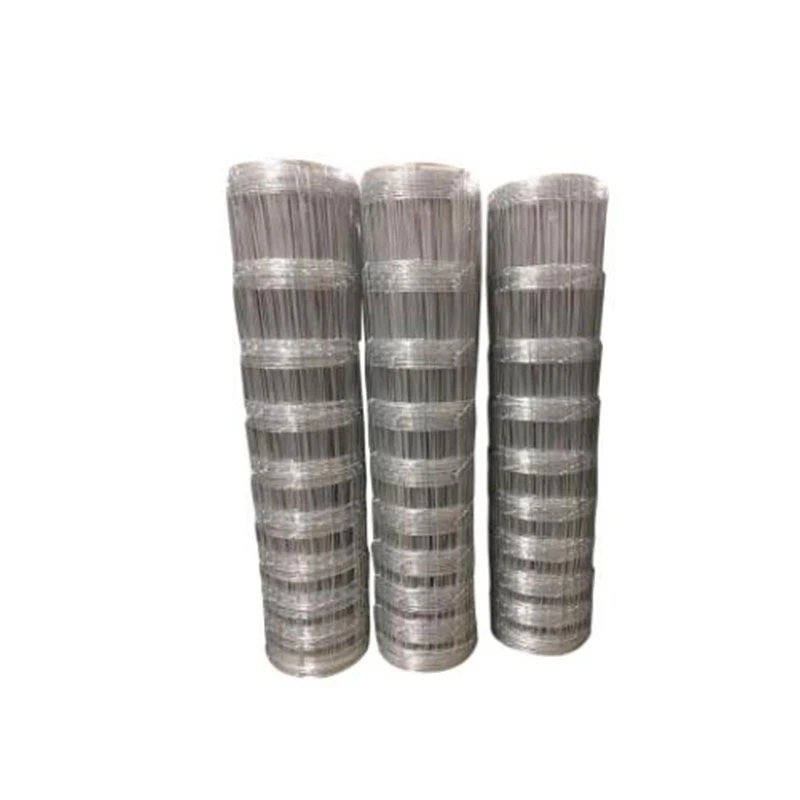
Its significance stems from the balance between durability and affordability — galvanising allows a relatively inexpensive base metal to withstand harsh environments. That makes GI wire indispensable in industrial fencing, agricultural enclosures, packaging, and even makeshift shelters during crises.
So, when industry players talk about GI wire cost, they’re factoring in raw metals prices, production techniques, labor, and shipment — all combining into a number that reflects quality and availability.
Key Factors Influencing GI Wire Cost
1. Raw Material Prices
The cost of zinc and iron ore directly impacts GI wire. Zinc acts as a corrosion barrier, but global mining yields & supply interruptions can drive price shifts.
2. Production Technology & Quality
Advanced galvanising methods — like hot-dip galvanising vs. electro-galvanising — affect both the protection level and production cost. Suppliers offering consistent, multi-layer coatings tend to charge more.
3. Wire Diameter and Length
Thicker wire uses more metal, naturally raising the price. Also, purchasing in bulk often reduces per-unit cost, benefiting large-scale consumers.
4. Transportation and Logistics
Shipping costs from manufacturing sites to end-users vary, especially with fluctuating fuel prices or customs tariffs — an often overlooked but significant price driver.
5. Market Demand and Supply Trends
Sudden surges in construction, disaster relief efforts, or seasonal demand spikes can cause short-term price hikes.
Mini takeaway: GI wire cost is a composite figure shaped by materials, manufacturing methods, and market dynamics.
Real-World Applications of GI Wire Cost Considerations
Take rural electrification projects in Sub-Saharan Africa, for example. Cost-conscious planners must decide how much galvanized fencing wire they can afford without sacrificing durability in tough climates. High gi wire cost means either stretching budgets or sourcing alternatives like coated low-carbon steel wire, which may not offer the same lifespan.
In industrial zones of Southeast Asia, GI wire protects machinery and supports cable management. Supply chain unpredictability here forces factories to stockpile or renegotiate contracts — all based on changing wire prices.
Even humanitarian NGOs rely on GI wire during post-disaster relief to quickly build temporary shelters or barricades. The cost of GI wire directly affects how many sites can be secured efficiently.
Advantages and Long-Term Value of Well-Priced GI Wire
- Cost Efficiency: Despite fluctuations, galvanised wire often outperforms alternatives by lasting 2-4 times longer, reducing replacement frequency.
- Durability: Zinc coating prevents rust, protecting infrastructure from wear and tear in various environments.
- Sustainability: Zinc and iron can be recycled readily, reducing environmental footprint compared to plastics or untreated metals.
- Safety and Trust: Trusted in fencing, construction, and security, it contributes to keeping people safe and assets protected.
Emotionally speaking, investing in quality GI wire feels like buying peace of mind — protecting communities, farms, and facilities without breaking the bank.
What’s Next? Future Trends Impacting GI Wire Cost
New materials science is exploring zinc-aluminium alloys for coatings providing even better corrosion resistance at reduced raw material costs. Digitization and IoT monitoring in manufacturing also promise tighter quality control, reducing waste and cost overruns.
Sustainability goals push vendors to adopt greener mining and galvanising processes, which could re-shape price structures but also open doors for subsidies or certifications that add value.
Mini takeaway: The GI wire landscape is evolving — weaving in innovation, green tech, and data smarter than ever.
Challenges and How Industry Leaders Tackle Them
Price volatility remains a headache, especially for smaller enterprises. But some manufacturers offer fixed-price contracts or just-in-time delivery to ease budgeting. Advances in composite wire materials could present alternatives, though adoption hurdles exist.
Another challenge is uneven quality in some regions — meaning cheaper GI wire might need more frequent replacement, negating cost benefits. The solution? Working with trusted suppliers and consulting detailed product specs before purchase.
Frequently Asked Questions About GI Wire Cost
- Q: What factors cause fluctuations in gi wire cost?
- A: The primary drivers include raw material prices (zinc and iron), production techniques, transportation fees, and global supply-demand balance. Events like mining strikes or trade tariffs also impact prices.
- Q: Can buying in bulk reduce gi wire cost significantly?
- A: Yes, ordering larger quantities often unlocks volume discounts and reduces per-unit transport costs, offering better overall value, especially for large construction or agricultural projects.
- Q: How does the diameter of gi wire affect its cost?
- A: Thicker wire requires more material, increasing weight and cost. Buyers should balance strength requirements with budget constraints to pick the appropriate gauge.
- Q: Are there affordable alternatives to gi wire for fencing?
- A: While alternatives like PVC-coated wire or stainless steel exist, they may vary in durability and price. GI wire remains a popular affordable compromise for many applications.
- Q: How to ensure quality matches gi wire cost?
- A: Check coating thickness standards (usually in microns), supplier certifications, and customer reviews. Quality control can save money by preventing premature rust or failure.
Closing Thoughts and Next Steps
GI wire cost isn’t just about buying metal—it’s about understanding a complex market impacting countless everyday needs. Investing in the right wire means balancing price, quality, and application, all while keeping an eye on shifting market dynamics.
For up-to-date pricing and trusted products, you can always visit our site. Getting it right today means smoother projects and fewer surprises tomorrow.
| Specification | Parameter | Details |
|---|---|---|
| Material | Iron Wire Core | Low Carbon Steel (ASTM A641) |
| Galvanising | Hot-Dip / Electro-Galvanised | Zinc Coating Thickness 40-120 μm |
| Diameter Range | 0.5 mm - 6.0 mm | Custom gauges available on request |
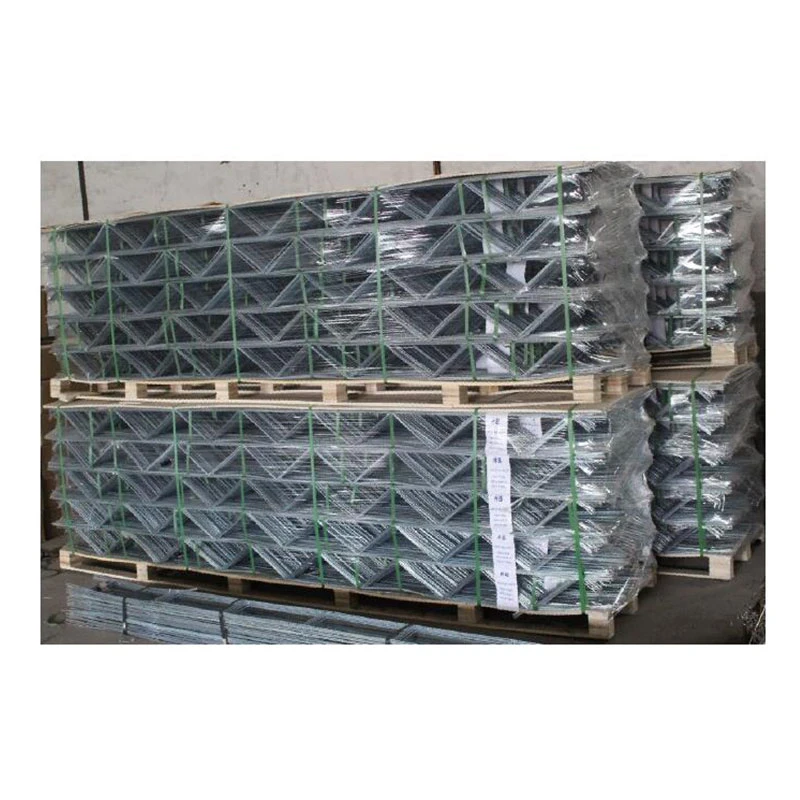
| Packaging | Spools & Coils | Up to 50 kg per coil |
| Typical Application | Agriculture, Fencing, Packaging | Industrial and Humanitarian Uses |
| Vendor | Average Price per kg (USD) | Coating Quality | Customer Rating | Lead Time |
|---|---|---|---|---|
| Vendor A | 1.25 | Hot-dip galvanised, 80 μm | 4.5/5 | 2 weeks |
| Vendor B | 1.10 | Electro-galvanised, 50 μm | 4.0/5 | 1 week |
| Vendor C | 1.40 | Hot-dip galvanised, 120 μm | 4.8/5 | 3 weeks |
Final thought: Whether you’re an engineer, supplier, or buyer, keeping an eye on gi wire cost and quality standards is an ongoing balancing act — one that rewards patience, knowledge, and good partnerships.