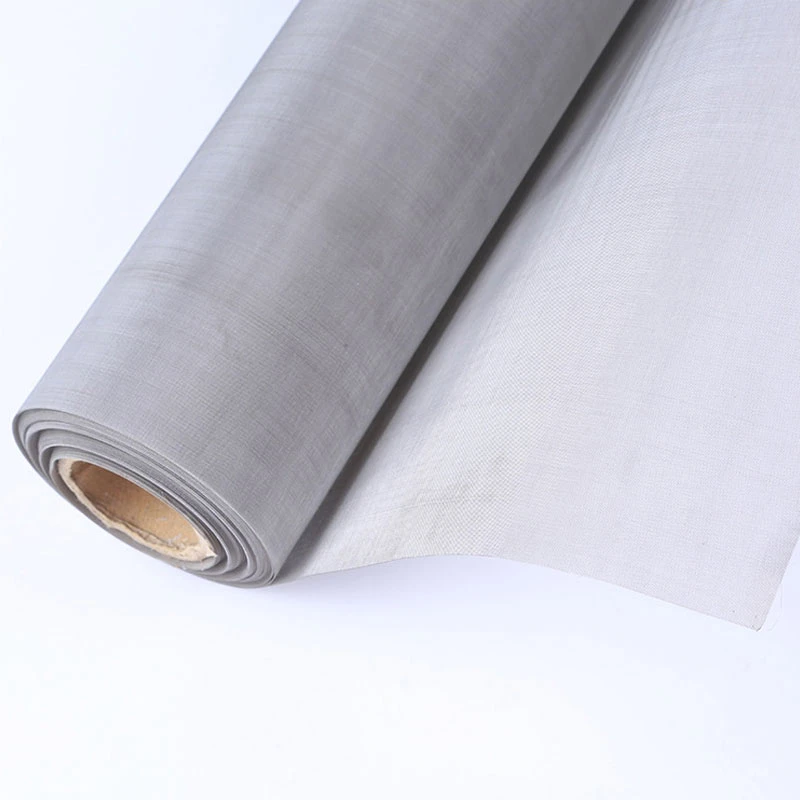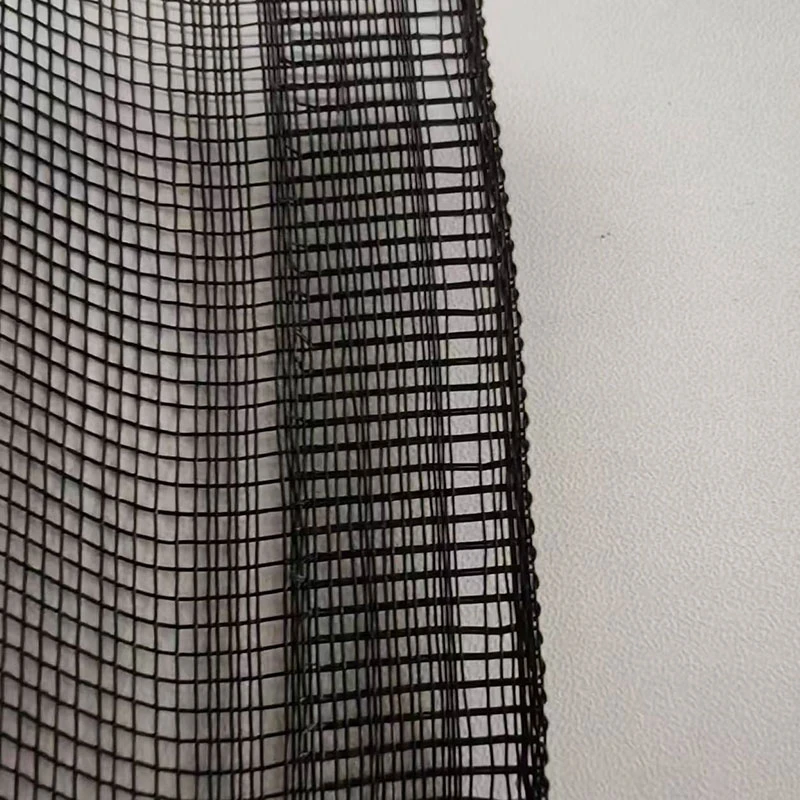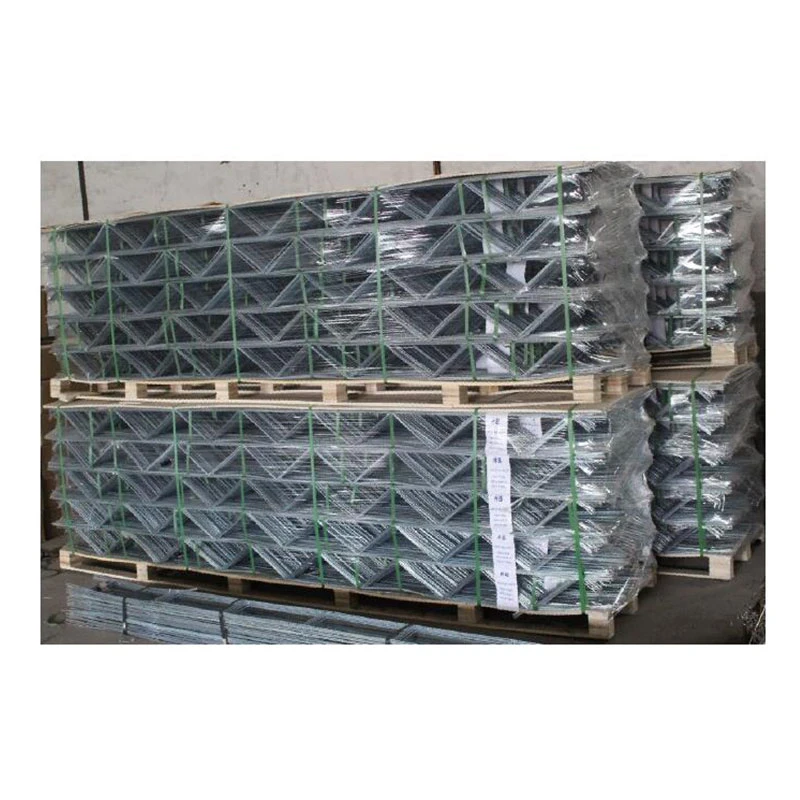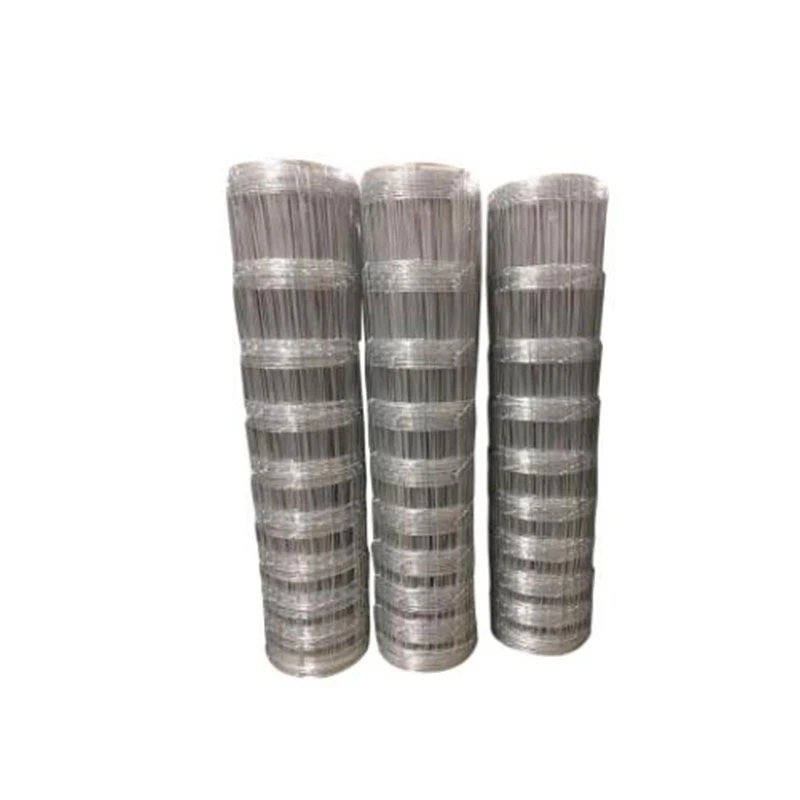
Understanding GI Wire Price Per Meter and Its Global Importance
Ever wondered what drives the pricing behind galvanized iron (GI) wire per meter? It’s more than just a number on a tag — it’s a complex interplay of raw materials, market demand, and worldwide industrial needs. GI wire, known for its corrosion resistance and strength, is vital across agriculture, manufacturing, construction, and even humanitarian projects. Grasping gi wire price per meter is essential for supply chain experts, builders, and engineers who want to balance cost and durability without compromise.
Why does this matter globally? Well, according to data from the World Bank, infrastructure development has been growing by nearly 3% annually worldwide, with emerging economies relying heavily on mechanically reliable yet affordable materials like GI wire. Simply put, the right price ensures sustainable projects and timely deliveries, avoiding costly delays or subpar outcomes.
The Global Context: Why GI Wire Pricing Is a Cornerstone Industry Metric
If you look at any global infrastructure report—like those from ISO or the United Nations—you’ll find that galvanized wire products form a backbone of fencing, mesh fabrication, and even electrical shielding. Industrial growth in Asia-Pacific and Africa, for instance, is driving huge demand, which directly impacts GI wire pricing trends.
But here’s the catch: fluctuating steel prices, energy costs, and shipping hurdles make gi wire price per meter a moving target. Industries face the ongoing challenge of sourcing high-quality wire while managing tight budgets. That’s why staying updated on market rates isn’t just a financial task but also a risk management strategy.
What Exactly Does “GI Wire Price Per Meter” Mean?
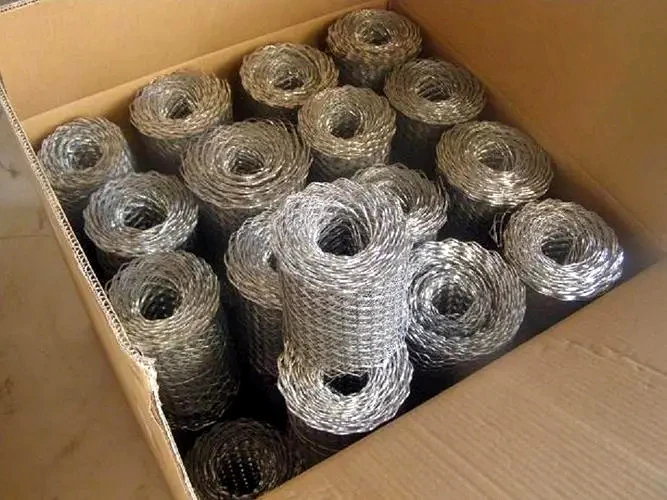
Let’s break it down without the jargon. GI wire price per meter simply refers to the cost charged for one meter length of galvanized iron wire. “Galvanized” means the wire is coated with zinc to prevent rust — a coating that’s pretty much the difference between a wire lasting five years in the rain or just six months.
In modern industry, this pricing isn’t arbitrary; it reflects the balance between raw steel costs, galvanizing quality, labor, and logistical expenses. This metric affects everything from fencing farms and manufacturing cages, to creating heavy-duty mesh panels that protect electrical installations or building frameworks.
Mini Takeaway:
- GI wire price per meter is critical for budgeting industrial, agricultural, and even humanitarian projects globally.
- It signals supply chain health and product quality simultaneously.
Key Factors Influencing GI Wire Pricing
1. Raw Material Quality & Steel Prices
Steel markets are famously volatile. Price hikes or drops in iron ore impact GI wire pricing in real-time. The zinc used for galvanization also fluctuates, contributing significantly to overall costs.
2. Thickness & Gauge Size
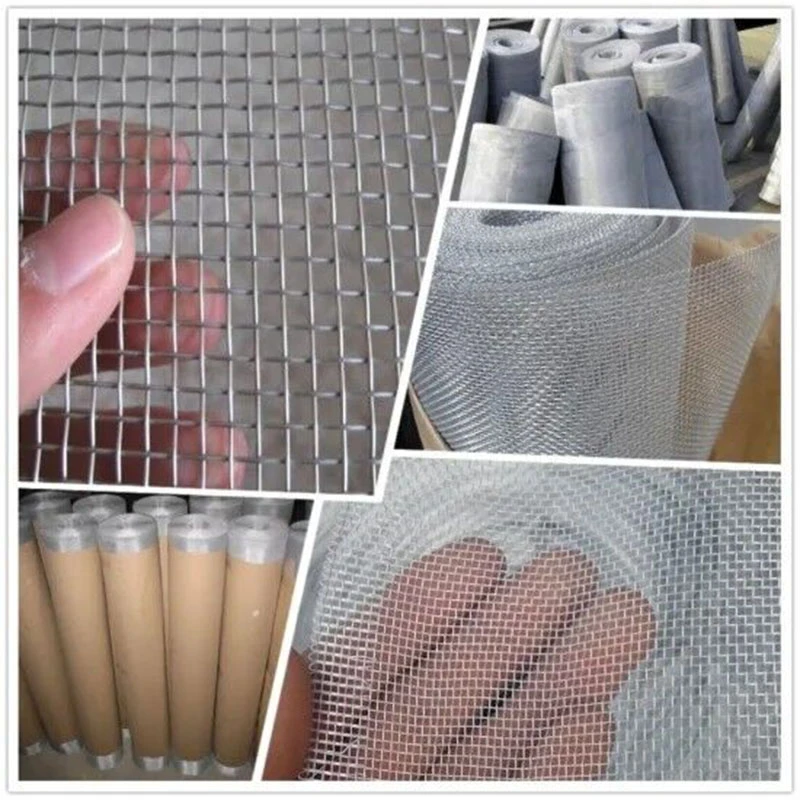
Thicker wire demands more metal and zinc, pushing the per-meter price up. Gauge sizes vary widely depending on use—from fine mesh for insect control to heavy-duty fencing wire.
3. Galvanization Process & Coating Thickness
Hot-dip galvanizing usually costs more but offers far better corrosion resistance than electro-galvanizing. How much zinc coats the wire also impacts pricing—a thicker coat commands a premium.
4. Production Scale & Efficiency
Manufacturers with high output efficiencies and modern plants can offer better prices. Smaller workshops, while potentially offering custom options, tend to price higher.
5. Shipping & Distribution Costs
Logistics plays a huge role—shipping GI wire coils overseas or to remote industrial zones can add 20–30% or more to cost.
6. Market Demand & Regulatory Factors
Seasonal and regional demand can fluctuate (for example, fencing needs peak during planting seasons), while import tariffs or environmental compliance also factor in.
Mini Takeaway:
- Think of GI wire pricing as a recipe: each ingredient (steel, zinc, labor, transport) adds flavor and cost.
- Understanding these factors helps buyers plan ahead and negotiate better.
Real-World Applications: Where GI Wire Pricing Makes a Difference
The reach of galvanized wire isn’t just in factories or farms. In humanitarian relief after disasters, quickly sourcing affordable gi wire per meter can mean the difference between secure temporary shelters and vulnerable makeshift fences.
For example, NGOs in South Asia rely heavily on cost-efficient GI wire fencing to rebuild safe enclosures after flooding seasons. Meanwhile, mining operations in Northern Africa use heavy gauge GI wire to protect equipment in harsh, corrosive environments.
Regionally, Asia’s booming construction sector pushes demand for large volumes of fencing and mesh wire, where every cent saved counts in multimillion-dollar projects. In Europe, there’s increasing demand for higher quality, thicker coatings due to stringent environmental laws.
Specification Table: Typical GI Wire Product Details
| Specification | Details |
|---|---|
| Material | Galvanized Iron Wire - Hot-dip & Electro-galvanized |
| Wire Gauge | 8 - 20 (AWG) |
| Zinc Coating Thickness | 40 - 275 g/m² |
| Tensile Strength | 380 - 600 MPa |
| Standard Length Per Coil | 50 - 500 meters |
| Price Range | Varies (see vendor comparison) |
Comparing Major GI Wire Vendors: What to Expect
| Vendor | Average Price (USD/meter) | Quality Rating | Delivery Locations | Typical Lead Time |
|---|---|---|---|---|
| YJD Wire Mesh Co. | $0.32 | A+ | Worldwide | 7-10 days |
| Global Steel Suppliers | $0.35 | A | North America, Europe | 10-15 days |
| Asia Metal Works | $0.28 | B+ | Asia-Pacific | 7-12 days |
| EcoGalv Ltd. | $0.40 | A++ (Eco-Friendly) | Europe, North America | 14-20 days |
Advantages and Long-Term Value of Knowing GI Wire Pricing
By staying aware of pricing variations and what influences them, decision-makers avoid overspending or compromising on quality. A dependable GI wire lasts years outdoors, serving farms, homes, and factories without costly replacements. This reliability means safety — think secure fencing around school playgrounds or sturdy cages protecting animals.
Moreover, choosing a more corrosion-resistant option upfront may feel pricier but saves thousands in maintenance and replacements over time. Emotionally speaking, providing communities with durable and trustworthy fencing materials fosters dignity and trust — not just a product, but peace of mind.
Future Trends and Innovations Impacting GI Wire Pricing
The industry is evolving fast. New galvanizing technologies promise fewer environmental impacts and energy consumption. For instance, advances in thermal diffusion coatings offer corrosion protection with less zinc usage, reducing costs and environmental footprints.
Digital supply chain management tools also help vendors dynamically adjust pricing and inventory — a welcome change for buyers who dislike surprise hikes. Sustainability trends are pushing manufacturers to develop “green galvanized wire,” with reduced CO2 emissions incorporated into cost calculations.
Common Challenges and How Industry Experts Tackle Them
The main hurdle? Market volatility. Steel and zinc prices can swing unpredictably due to geopolitical tensions or raw material shortages, complicating pricing forecasts. Experts suggest bulk purchasing contracts and diversified supplier networks to buffer these shocks.
Another issue is counterfeit or substandard wire entering the market, tempting with lower prices but risking early failures. Sophisticated testing protocols, certifications (ISO 9001, ASTM standards), and choosing established suppliers mitigate that risk effectively.
Frequently Asked Questions About GI Wire Price Per Meter
Q1: What factors most significantly impact gi wire price per meter?
A1: The core factors include steel and zinc raw material costs, wire thickness (gauge), galvanization method, and transportation logistics. Seasonal demand can also sway prices, so buyers should monitor market trends regularly.
Q2: How do gauge differences affect GI wire pricing?
A2: Thicker (lower gauge) wire uses more steel and zinc, inherently costing more per meter. For example, 8-gauge wire will be pricier than 14-gauge due to material volume and strength requirements.
Q3: Can NGOs source quality GI wire affordably for disaster relief?
A3: Yes, organizations often work with suppliers like YJD Wire Mesh who offer competitive pricing, rapid international shipping, and certification to ensure durability in harsh conditions.
Q4: Why is hot-dip galvanizing preferred despite higher cost?
A4: Hot-dip galvanizing forms a thick zinc coating that outperforms electro-galvanizing in corrosion resistance, making it ideal for outdoor and high-moisture environments.
Q5: How can businesses stay updated on current GI wire price per meter?
A5: Subscribe to industry newsletters, follow steel market analytics, and maintain close contact with trusted suppliers to receive real-time pricing and forecasts.
Wrapping Up: The Value of Keeping an Eye on GI Wire Pricing
In the end, getting a good handle on gi wire price per meter isn’t just about crunching numbers — it’s about making smarter, safer choices. It lets project managers, manufacturers, and NGOs alike deliver better results within budgets they can trust. If you want to cut through the noise and get solid information, visit https://www.yjdwiremesh.com for real-time rates, expert insights, and reliable supply.
After all, understanding this pricing detail can save you headaches — and maybe even a little money — down the road.